
Arriving at a destination after a long-haul flight or an early morning train ride is an exhilarating experience, but it often comes with a common logistical challenge: the gap between your arrival and the official hotel check-in time. Whether you are landing in New York City at 8:00 AM or pulling into London via the Eurostar well before noon, the question “Can I check into a hotel early?” is one of the most frequently asked queries in the hospitality industry.
Understanding the nuances of hotel management, room occupancy cycles, and guest service protocols is essential for any traveler looking to settle into their room ahead of schedule. While the standard check-in time globally tends to hover around 3:00 PM, the reality of securing early access to your suite or guestroom is a blend of policy, availability, and strategy.
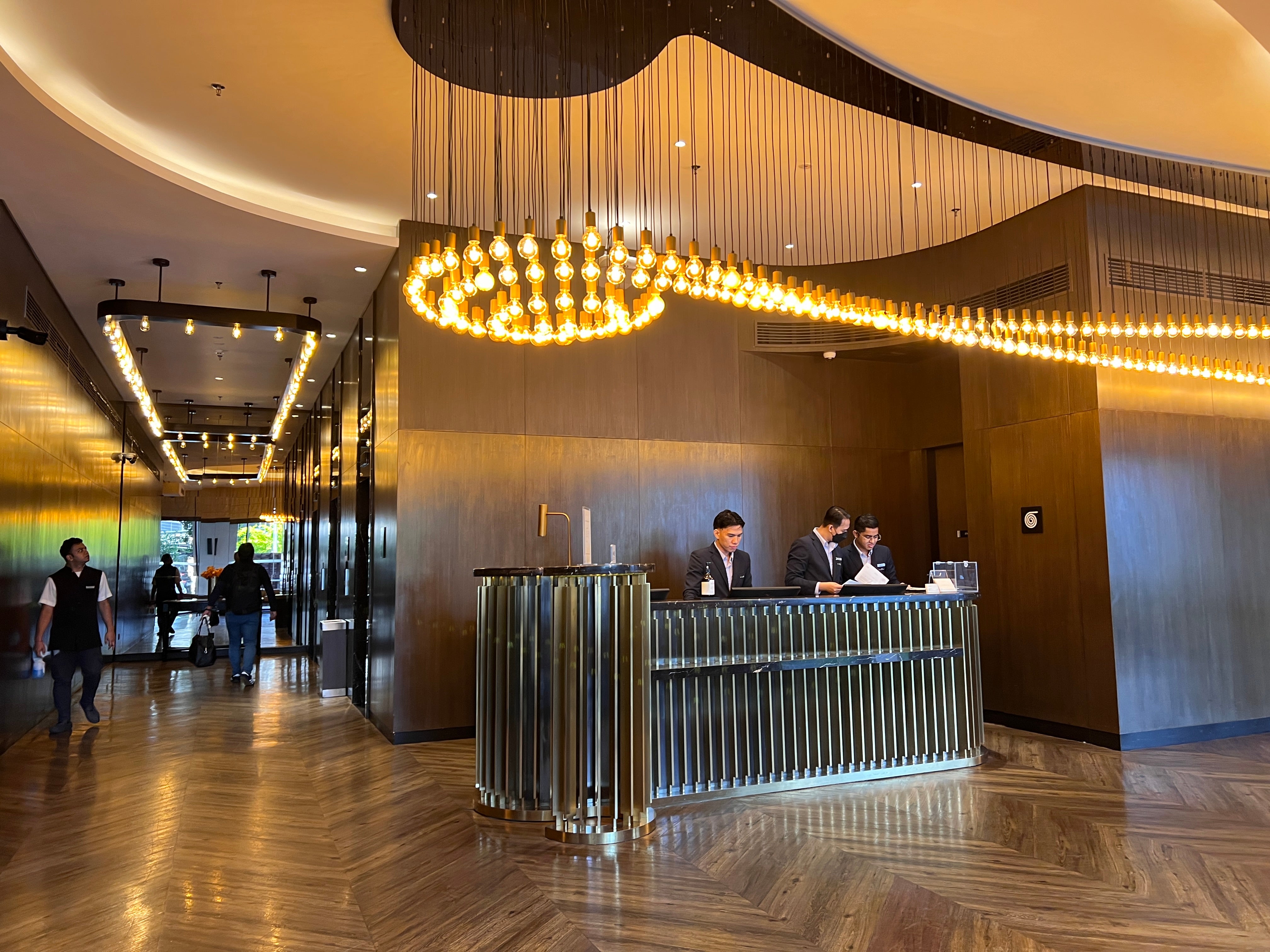
Understanding the Mechanics of Hotel Check-in Times
To effectively navigate early check-in requests, one must first understand why the standard check-in time exists. In the world of hospitality, from luxury resorts in Dubai to boutique hotels in Paris, the window between check-out (usually 11:00 AM) and check-in (3:00 PM) is a critical period of operational intensity.
The Housekeeping Turnaround Process
The primary reason hotels cannot always grant early access is the physical limitation of housekeeping. When a guest departs a room at The Ritz-Carlton or a Hilton Hotels & Resorts property, the room must undergo a rigorous cleaning protocol. This includes stripping linens, sanitizing surfaces, restocking the minibar, and ensuring that the high standards of the brand are met. If a hotel had a high occupancy rate the night before, there simply may not be any “clean and vacant” rooms available for an early arrival.
Occupancy and Room Rotation
Hotel software, often referred to as Property Management Systems (PMS), tracks room status in real-time. In major hubs like Tokyo or Singapore, where turnover is high, rooms are assigned based on a complex algorithm of guest preferences, stay duration, and room type. An early check-in isn’t just about a room being empty; it’s about that specific category—such as a King Deluxe or a Junior Suite—being ready and not already promised to another guest who may have paid for guaranteed early access.
Strategies for Securing an Early Arrival
While early check-in is rarely “guaranteed” unless specifically purchased, there are several professional strategies that travelers can employ to increase their chances of success at properties ranging from Marriott International to independent villas in Bali.
Communication and Advanced Notice
The most effective way to secure an early room is to communicate your needs well in advance. Mentioning your expected arrival time during the booking process on websites for Hyatt or InterContinental Hotels Group is a good start. However, a follow-up email 24 to 48 hours before your stay can be even more effective. This allows the front office manager to flag your profile and prioritize your room for the housekeeping team.
Leveraging Digital Check-in Features
In the modern era, technology has streamlined the check-in process. Many brands under Wyndham Hotels & Resorts and Accor offer mobile apps that allow guests to check in digitally. These apps often feature a notification system that alerts you the moment your room is ready. By checking in via the app while you are still at Heathrow Airport or JFK Airport, you signal to the hotel that you are on your way, often moving you up the priority list for room assignment.
The “Paid Early Check-in” Option
As hotels look for new revenue streams, many have formalized early check-in as a paid add-on. For a fee, typically ranging from $20 to $50, or sometimes a percentage of the room rate, guests can guarantee their room will be ready by 10:00 AM or noon. This is increasingly common in high-traffic cities like Las Vegas or Hong Kong, where the peace of mind of having a shower and a nap immediately upon arrival is worth the investment.
The Role of Loyalty Programs and Brand Specifics
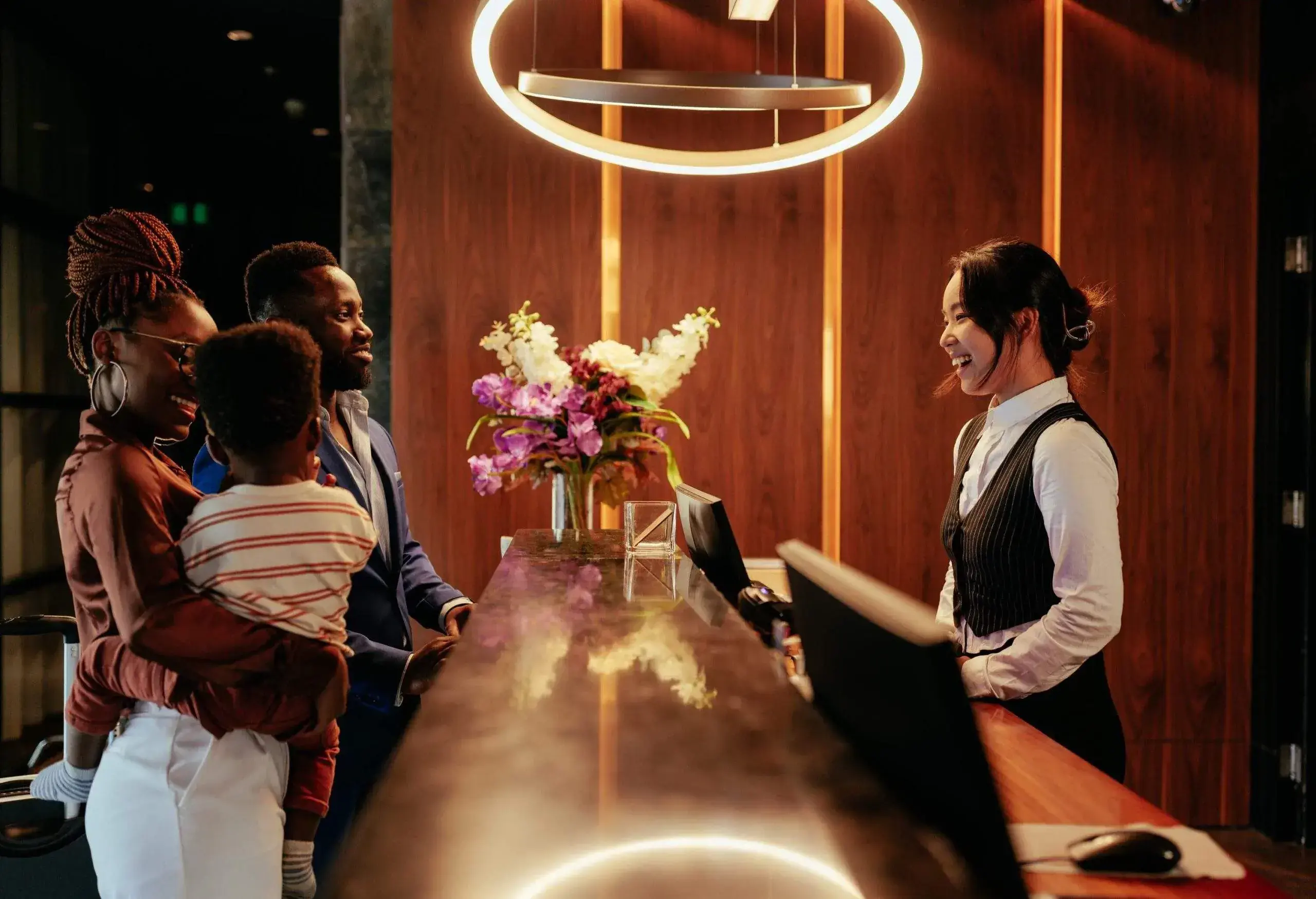
Elite status within a hotel’s loyalty program is perhaps the most reliable way to bypass the 3:00 PM rule. Major global players have specific policies designed to reward their most frequent guests with flexibility.
Elite Benefits and Priority Access
Members of Marriott Bonvoy, World of Hyatt, and Hilton Honors often receive priority for early check-in as a published or “space-available” benefit. For example, Marriott International offers a unique benefit called “Your24” for its Ambassador Elite members, which allows them to choose any 24-hour window for their stay. If you check in at 8:00 AM, you check out at 8:00 AM the following day.
Brands That Specialize in Flexibility
Some luxury brands have built their entire reputation on flexibility. The Peninsula Hotels introduced a program called “Peninsula Time,” which allows guests to check in as early as 6:00 AM and check out as late as 10:00 PM at no additional cost when booking directly. Similarly, Standard Hotels offers a “Standard Time” feature that lets guests choose their own check-in and check-out hours for a small fee.
Managing Your Time When the Room Isn’t Ready
Even with the best planning, there are times when a hotel in Rome or Sydney is simply at 100% capacity, and no rooms are available until the afternoon. In these instances, the hotel’s amenities and service infrastructure become your best allies.
Concierge Services and Luggage Storage
Every reputable hotel, from The Savoy in London to a Holiday Inn in Chicago, offers complimentary luggage storage. If your room isn’t ready, the bell desk will tag your bags and store them in a secure area. This frees you to explore local sights, such as the Eiffel Tower in France or the Empire State Building in the United States, without being weighed down.
Utilizing Hotel “Change Rooms” and Spas
Luxury resorts and high-end business hotels often provide facilities for guests who arrive early. Many Four Seasons Hotels and Resorts properties feature a “Hospitality Suite” or offer full access to the spa and fitness center showers. This allows you to freshen up, change your clothes, and begin your day feeling rejuvenated, even if your bed isn’t quite ready for a nap.
Working from the Lobby or Business Center
For the business traveler arriving in Frankfurt or Toronto, the hotel lobby or business center serves as a productive bridge. Modern hotels have designed their lobbies—often referred to as “Greatrooms” in Marriott properties—to be co-working friendly, complete with high-speed Wi-Fi and accessible power outlets.
Types of Accommodations and Early Check-in Variability
The likelihood of an early check-in also depends heavily on the type of accommodation you have booked. Different business models have different levels of flexibility regarding their inventory.
Boutique Hotels vs. Chain Resorts
Boutique hotels, such as those found in Barcelona or Santorini, often have a more personal touch. Because they manage fewer rooms, the front desk staff may have more autonomy to “rush” a room for you. Conversely, large-scale resorts in Mexico or Thailand deal with massive “waves” of arrivals and departures, making the process more rigid but also more predictable.
Serviced Apartments and Long-term Stays
If you are staying in a serviced apartment or an ApartHotel in Berlin or Melbourne, early check-in can be more difficult. These accommodations often have smaller housekeeping staffs and longer cleaning times due to the inclusion of kitchens and living areas. However, they are more likely to offer a “day rate” for those who absolutely must have access to the room upon arrival.
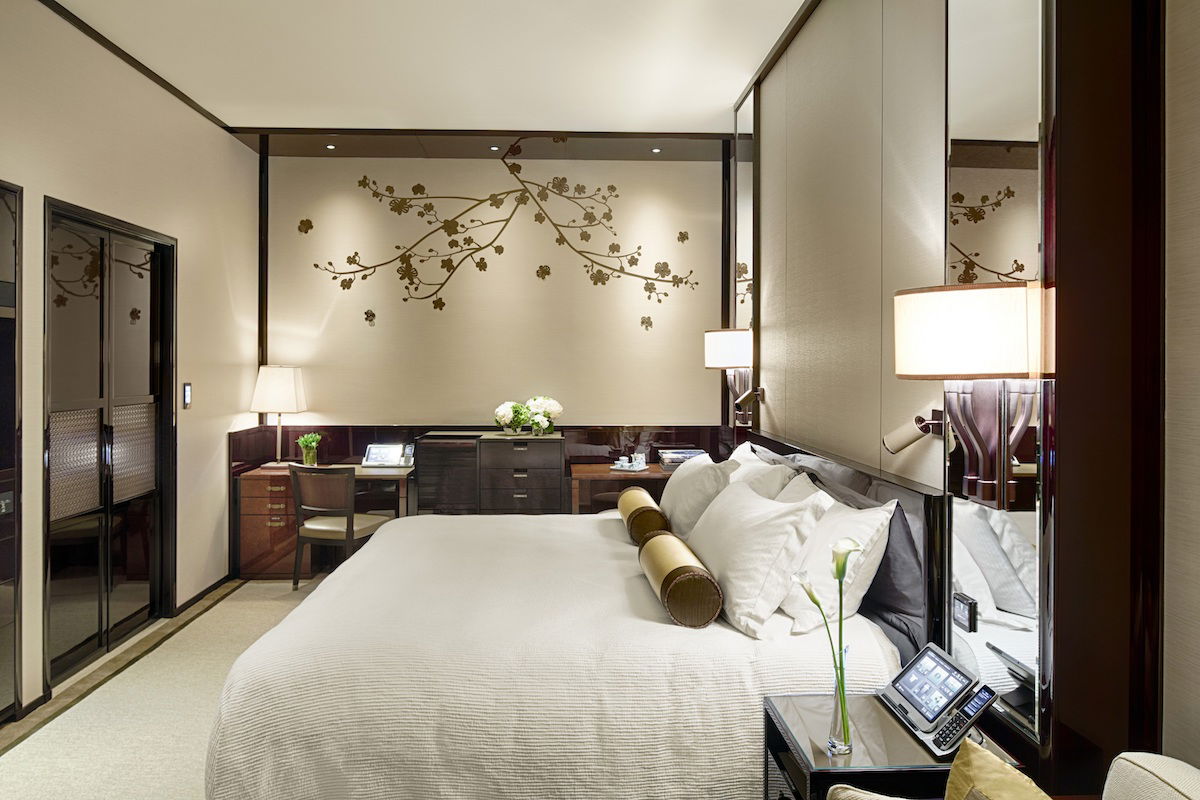
Luxury Villas and Private Estates
For those booking high-end villas in Italy or the Maldives, the early check-in process is usually coordinated through a dedicated villa manager. Because these properties often have a “buffer day” between guests to ensure deep cleaning and maintenance, your chances of arriving at 9:00 AM to a fully staffed and ready estate are significantly higher than at a standard commercial hotel.
In conclusion, while the answer to “Can I check into a hotel early?” is frequently “it depends,” being an informed and proactive guest can significantly tilt the odds in your favor. By understanding the operational constraints of hotels, leveraging loyalty status, and utilizing the amenities available at the world’s finest properties, you can ensure that your journey starts on a comfortable note, regardless of what the clock says. Whether you are visiting the Colosseum in Italy or the Burj Khalifa in the United Arab Emirates, the right approach to hotel check-in makes all the difference in your travel experience.
LifeOutOfTheBox is a participant in the Amazon Services LLC Associates Program, an affiliate advertising program designed to provide a means for sites to earn advertising fees by advertising and linking to Amazon.com. Amazon, the Amazon logo, AmazonSupply, and the AmazonSupply logo are trademarks of Amazon.com, Inc. or its affiliates. As an Amazon Associate we earn affiliate commissions from qualifying purchases.