
New Orleans, Louisiana, a city synonymous with vibrant culture, soulful music, and unparalleled cuisine, often sparks curiosity about its administrative and geographical classification. While many might instinctively think of “counties” as the primary administrative divisions in the United States, Louisiana operates under a unique system. Understanding this distinction is key to grasping the administrative landscape of this iconic Southern metropolis.
The Parish System: Louisiana’s Unique Administrative Structure
Unlike most of the United States, which utilizes counties as their primary sub-state administrative divisions, Louisiana employs parishes. This distinction stems from the state’s rich history, deeply influenced by French and Spanish colonial rule, where the term “parish” referred to a ecclesiastical district. When the United States acquired the territory, these existing structures were largely maintained and adapted for civil administration. Therefore, when asking “What county is New Orleans, Louisiana?” the accurate answer lies within the context of the Louisiana parish system.
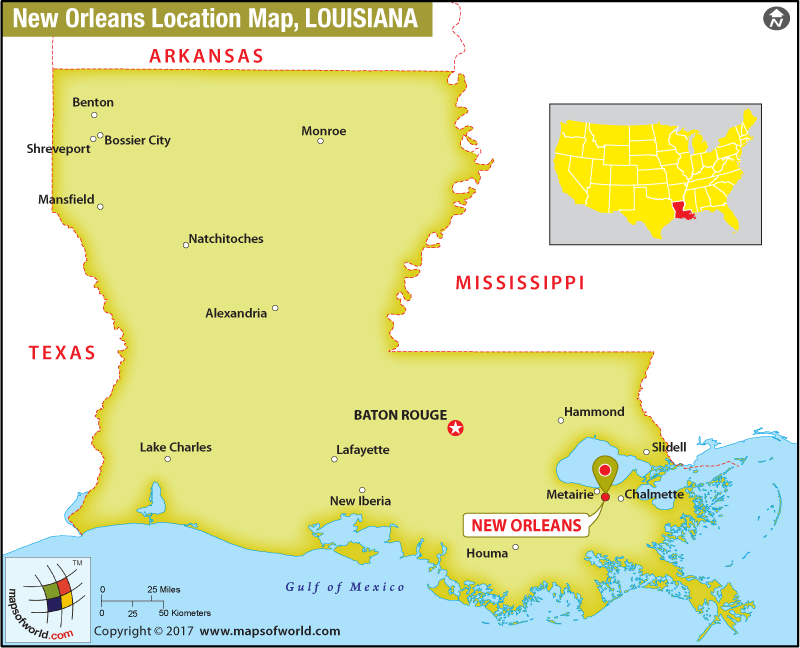
Orleans Parish: The Heart of New Orleans
New Orleans is situated within and comprises entirely of Orleans Parish. This parish is not just a geographical designation; it is the very entity that encompasses the city and defines its local governance. Orleans Parish is a consolidated city-parish government, meaning that the governmental functions of the city and the parish are merged into a single administrative body. This unique structure streamlines governance, allowing for more integrated planning and service delivery across the metropolitan area. The mayor of New Orleans also serves as the chief executive of Orleans Parish, and the City Council functions as the parish governing body. This consolidation is a defining characteristic of New Orleans’ administrative makeup, differentiating it from many other American cities.
The Boundaries and Significance of Orleans Parish
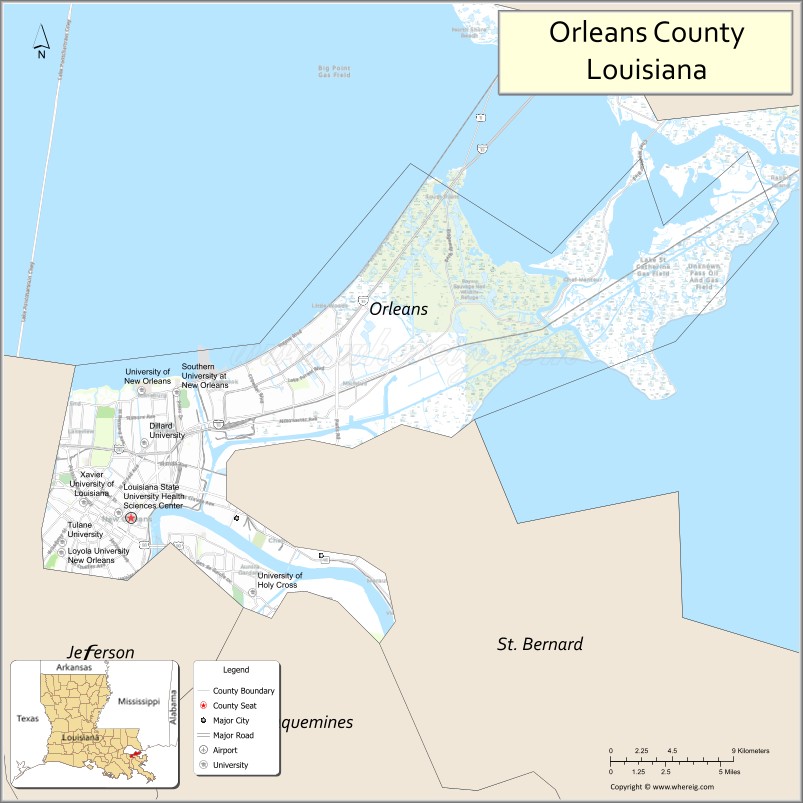
The boundaries of Orleans Parish are intrinsically linked to the urban footprint of New Orleans. The parish encompasses the historic core of the city, including the iconic French Quarter, as well as its surrounding neighborhoods and a significant portion of the Mississippi River delta. Its geographical location, nestled between Lake Pontchartrain to the north and the Mississippi River to the south, has profoundly shaped its history, culture, and development. The parish’s strategic position has made it a vital port and a cultural melting pot for centuries, drawing influences from Native American tribes, French, Spanish, African, and Caribbean cultures. Understanding the extent of Orleans Parish is essential for appreciating the full geographical and administrative scope of the city of New Orleans.
Navigating Orleans Parish: Key Administrative and Geographic Features
While the primary administrative answer to “What county is New Orleans, Louisiana?” is Orleans Parish, a deeper dive into its features reveals the complexities and nuances of this dynamic region. Understanding these elements provides a richer context for appreciating the city’s unique identity.

Governance and Services within Orleans Parish
The consolidated government of Orleans Parish is responsible for a wide array of public services that impact the daily lives of its residents and visitors. These include law enforcement (through the New Orleans Police Department), public transportation, sanitation, emergency services, and the maintenance of public infrastructure. The parish government also plays a crucial role in economic development, urban planning, and cultural preservation initiatives. For tourists and residents alike, recognizing that these services are managed at the parish level, intertwined with city governance, helps demystify the administrative framework of New Orleans.
The Interplay with Neighboring Parishes
While New Orleans is solely contained within Orleans Parish, it is crucial to note its proximity to other parishes. These neighboring parishes, such as Jefferson Parish, St. Bernard Parish, and Plaquemines Parish, form the broader metropolitan area of New Orleans. Each of these parishes has its own distinct identity, local governance, and contributions to the region’s overall character. For instance, parts of the greater metropolitan area often associated with New Orleans, such as the vibrant community of Metairie, are located in Jefferson Parish. Understanding these boundaries is important for travelers and residents planning excursions or exploring different facets of the region beyond the immediate city limits. The transportation networks, economic ties, and cultural exchanges between Orleans Parish and its neighbors are integral to the identity of Southeast Louisiana.
Why the Distinction Matters: From Administration to Tourism
The distinction between counties and parishes, and the specific administrative structure of Orleans Parish, holds significance for various aspects, from civic engagement to understanding the local tourism landscape.
Administrative Clarity for Residents and Businesses
For residents and businesses operating within New Orleans, understanding that they are part of Orleans Parish is fundamental for matters such as voting, property taxes, and accessing local government services. Business owners need to be aware of the specific regulations and permits issued by the Orleans Parish government. This clarity in administrative identity ensures that civic processes are understood and followed correctly.
Geographic Context for Travelers and Explorers
For visitors, grasping the concept of Orleans Parish provides a crucial geographical anchor. When planning a trip, understanding that “New Orleans” primarily refers to Orleans Parish helps in navigating the city and its immediate surroundings. While tourist attractions like the French Quarter, Jackson Square, and the Garden District are all within Orleans Parish, knowing this can inform itinerary planning. For instance, if a visitor intends to explore areas slightly outside the central city, they might find themselves crossing into neighboring parishes, each with its own unique offerings and administrative nuances. This awareness can prevent confusion and enhance the overall travel experience, allowing for a more informed exploration of the diverse landscapes and communities that make up the greater New Orleans region. The parish system, while seemingly a minor detail, plays a role in the cohesive yet distinct identities of the various locales within Louisiana.
LifeOutOfTheBox is a participant in the Amazon Services LLC Associates Program, an affiliate advertising program designed to provide a means for sites to earn advertising fees by advertising and linking to Amazon.com. Amazon, the Amazon logo, AmazonSupply, and the AmazonSupply logo are trademarks of Amazon.com, Inc. or its affiliates. As an Amazon Associate we earn affiliate commissions from qualifying purchases.