
Navigating the world of hotel etiquette can often feel like a complex puzzle, especially when it comes to the nuances of tipping. While we readily tip waitstaff at restaurants or drivers in a ride-share, the etiquette behind “how much to tip hotel room” staff—particularly those behind the scenes—remains one of the most debated topics in the travel industry. Whether you are checking into a luxury suite at the Four Seasons or staying at a boutique apartment in Paris, understanding the local customs and professional standards of gratuity is essential for any savvy traveler.
Tipping is more than just a financial transaction; it is a gesture of appreciation for the hard work that goes into making your stay comfortable, clean, and seamless. In this comprehensive guide, we will explore the professional standards for tipping in various hotel settings, the specific roles that deserve your attention, and how these expectations shift across different global regions.
Understanding the Etiquette of Hotel Tipping
The foundation of hotel tipping lies in recognizing the “invisible” labor that sustains the hospitality industry. Unlike the front-desk staff who greet you with a smile, the housekeeping team works tirelessly while you are out exploring attractions like the Eiffel Tower or attending business meetings.
Why Tipping Housekeeping Matters
Housekeeping is widely considered one of the most physically demanding jobs in the hotel industry. These staff members are responsible for deep-cleaning rooms, changing heavy linens, scrubbing bathrooms, and ensuring that every amenity is perfectly placed. In many countries, particularly the United States, housekeeping wages are often set with the expectation that they will be supplemented by tips. By leaving a gratuity, you are directly acknowledging the meticulous care taken to ensure your personal space remains a sanctuary.
The Impact of Gratuities on Service Quality
While service at high-end brands like the Ritz-Carlton or Marriott is expected to be top-tier regardless of tips, gratuities can certainly foster a more personalized relationship with the staff. A small daily tip can lead to extra towels, a more generous replenishment of coffee pods, or even a handwritten note from the staff. It creates a feedback loop of mutual respect that enhances the overall guest experience.
Standard Tipping Rates by Role
Different roles within a hotel require different levels of tipping based on the complexity and immediacy of the service provided. From the moment you arrive at a luxury resort to the moment you check out of a Hilton, several hands touch your travel experience.
Housekeeping and Maid Services
The standard recommendation for housekeeping is $3 to $5 per night for mid-range hotels, and $5 to $10 per night for high-end luxury resorts. If you are staying in a large suite with multiple bedrooms or if you have left the room in a particularly messy state, it is professional to tip on the higher end of that scale.
One of the most important professional tips is to leave the money daily. Hotel staff work on rotating shifts; the person who cleans your room on Tuesday might be off on Wednesday. If you leave a lump sum at the end of a five-day stay, the person who did the bulk of the work may never see a cent of it.
Porters, Bellhops, and Valets
Porters and bellhops are the first line of service. The standard rate is $1 to $2 per bag, or a flat $5 if you have a significant amount of luggage. If they go above and beyond—such as explaining room features or delivering items like extra pillows—a small additional tip is appreciated.
Valet parking is another area where tipping is expected. In cities like New York City or Chicago, tipping $2 to $5 when your car is retrieved is standard. You generally do not need to tip when dropping the car off, though it is never discouraged.
Concierge and Front Desk Staff
Tipping the concierge is highly situational. For simple tasks like giving directions or suggesting a local restaurant, a tip is not necessary. However, if the concierge secures you a hard-to-get reservation at a Michelin-starred restaurant in London or organizes a complex private tour, a tip of $10 to $20 (or more, depending on the difficulty) is appropriate. Generally, front-desk agents who check you in do not receive tips, but a small token of appreciation for a significant room upgrade is a gracious gesture.

Regional Variations in Tipping Culture
The answer to “how much to tip hotel room” staff changes dramatically once you cross international borders. Cultural norms dictate whether a tip is seen as a kind gesture, an expected supplement, or even an insult.
Tipping in the United States and North America
In the United States, Canada, and Mexico, tipping is deeply ingrained in the economy. It is expected across almost all service roles. In Mexico, while pesos are preferred, United States dollars are often accepted in tourist areas, though the exchange rate may not favor the worker. Always aim to tip in the local currency to ensure the staff receives the full value of your gift.
European Tipping Standards
In Europe, the approach is more conservative. In countries like France, Italy, and Spain, a service charge is often included in the bill. However, for housekeeping in a United Kingdom hotel or a boutique stay in Germany, leaving 1 or 2 Euros per day is still a well-regarded practice. In Switzerland, where wages are quite high, tipping is less common but still appreciated for exceptional service.
Gratuities in Asia and the Middle East
The tipping landscape in Asia varies wildly. In Japan, tipping is generally not part of the culture and can sometimes be refused or cause confusion, as excellent service is considered the standard. In contrast, in China, tipping was once discouraged but is becoming more common in high-end international hotels in cities like Shanghai.
In the Middle East, particularly in luxury hubs like Dubai or Qatar, tipping is common. While many luxury hotels add a service charge, a direct tip to the individual worker is the best way to ensure they are personally rewarded for their efforts. In Singapore, tipping is not required, but rounding up the bill or leaving a small amount is becoming more frequent in the hospitality sector.
Best Practices for Leaving Your Tip
How you leave a tip is just as important as how much you leave. Professionalism and clarity ensure that the money reaches the intended recipient and isn’t mistaken for forgotten cash.
Daily vs. End-of-Stay Tipping
As previously mentioned, daily tipping is the “gold standard” for hotel housekeeping. This ensures that the specific individual who cleaned your room that day receives the compensation. If you are staying at an all-inclusive resort in Australia or the Bahamas, check the hotel policy first, as some resorts have a “no tipping” policy where gratuities are pooled or included in the room rate.
Using Envelopes and Notes
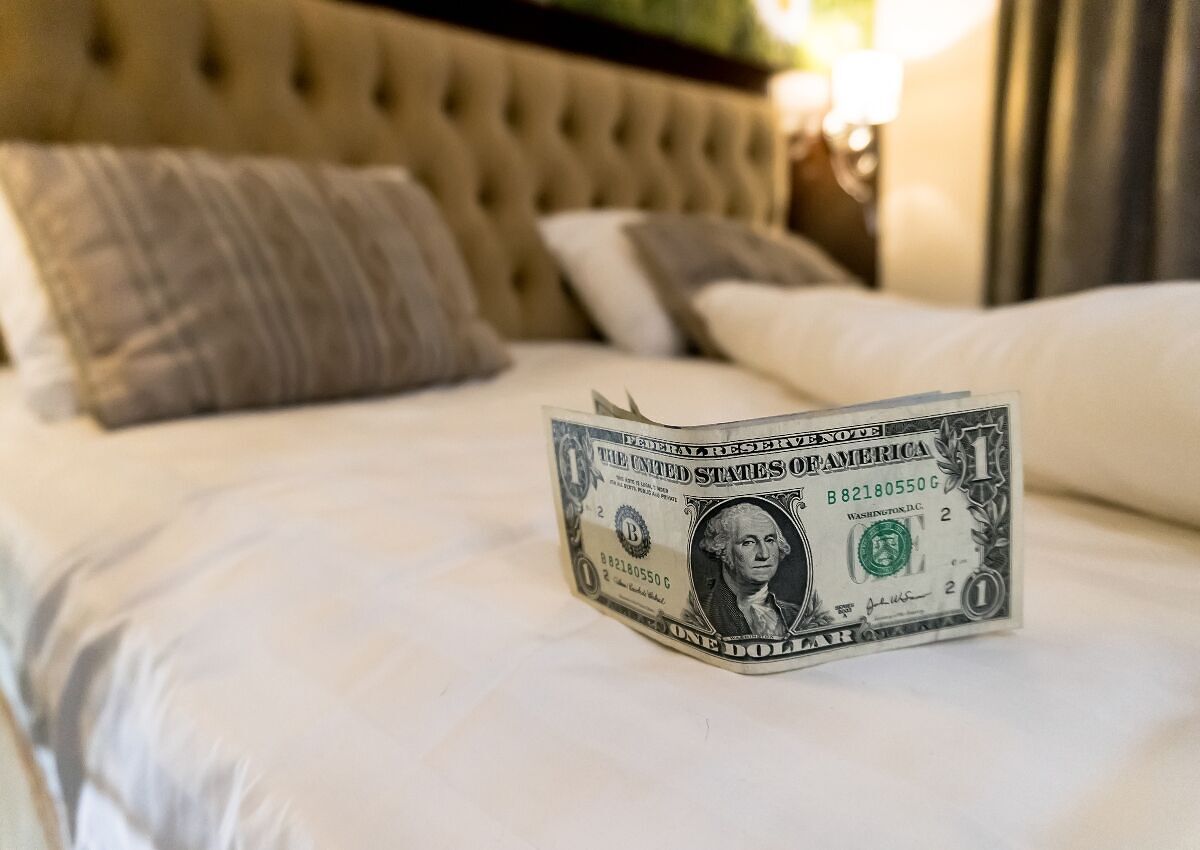
Cash left on a pillow or a nightstand can be ambiguous. To be professional, place the tip in a designated envelope if the hotel provides one. If not, a simple “Thank You” note or even a scrap of paper with the word “Housekeeping” written on it clarifies that the money is a gift. This prevents the staff from worrying that they are accidentally taking a guest’s money.
Digital Tipping and the Future of Gratuities
With the rise of a cashless society, many hotels are beginning to implement digital tipping solutions. Some rooms now feature QR codes that allow you to tip via credit card or mobile payment. While this is convenient, cash remains the preferred method for many service workers, as it provides immediate access to funds without processing fees or delays. If you are traveling to a remote destination or a traditional city like Rome, always keep a stack of small bills specifically for gratuities.

Conclusion
Determining “how much to tip hotel room” staff is an essential skill for any traveler looking to navigate the world with grace and professionalism. Whether you are reclining in a luxury villa in Bali or staying in a corporate hotel in Tokyo, your tips serve as a vital recognition of the human effort that powers the hospitality industry. By following these guidelines—tipping daily, adjusting for regional customs, and ensuring your intent is clear—you contribute to a culture of respect and appreciation that makes the world of travel better for everyone involved.
Next time you check into a world-class destination, remember that the smallest gesture can often make the biggest difference in the workday of those who make your stay memorable. Stay informed, stay generous, and enjoy the unparalleled service that the global hotel industry has to offer.
LifeOutOfTheBox is a participant in the Amazon Services LLC Associates Program, an affiliate advertising program designed to provide a means for sites to earn advertising fees by advertising and linking to Amazon.com. Amazon, the Amazon logo, AmazonSupply, and the AmazonSupply logo are trademarks of Amazon.com, Inc. or its affiliates. As an Amazon Associate we earn affiliate commissions from qualifying purchases.