
Traveling between two of Washington State‘s most prominent cities, Seattle and Tacoma, is a common journey for commuters, tourists, and business travelers alike. While geographically close, the actual travel experience can vary significantly based on the chosen mode of transport, time of day, and prevailing traffic conditions. Understanding the distance and the various logistical factors is crucial for planning an efficient and enjoyable trip between these vibrant Puget Sound urban centers. This guide delves into the specifics, offering insights into how to navigate this popular corridor.
Unveiling the Distance: Seattle to Tacoma
The question of how far Tacoma is from Seattle might seem straightforward, but the answer encompasses more than just raw mileage. It involves understanding the typical travel times and the geographical context that shapes the journey.
The Straightforward Answer
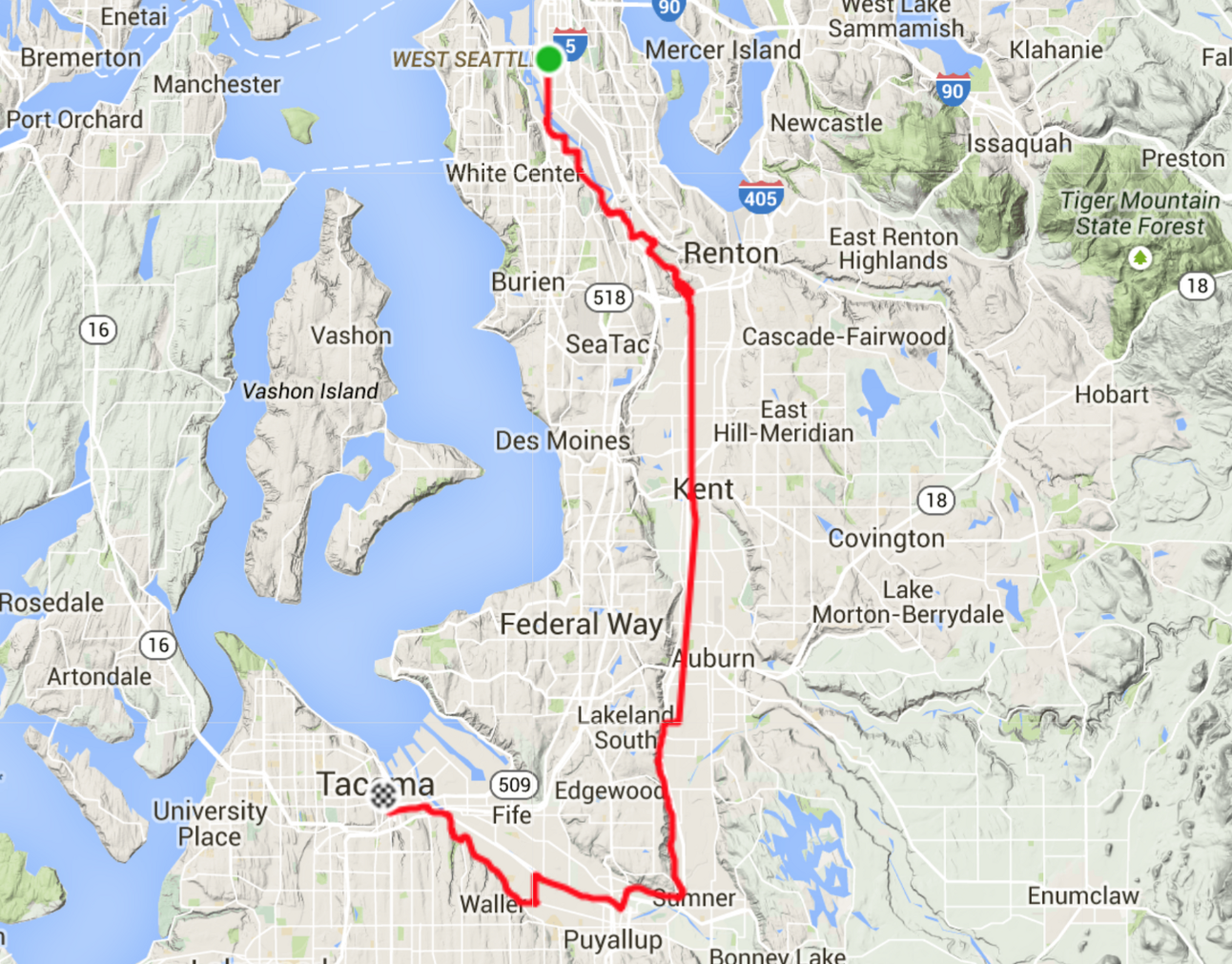
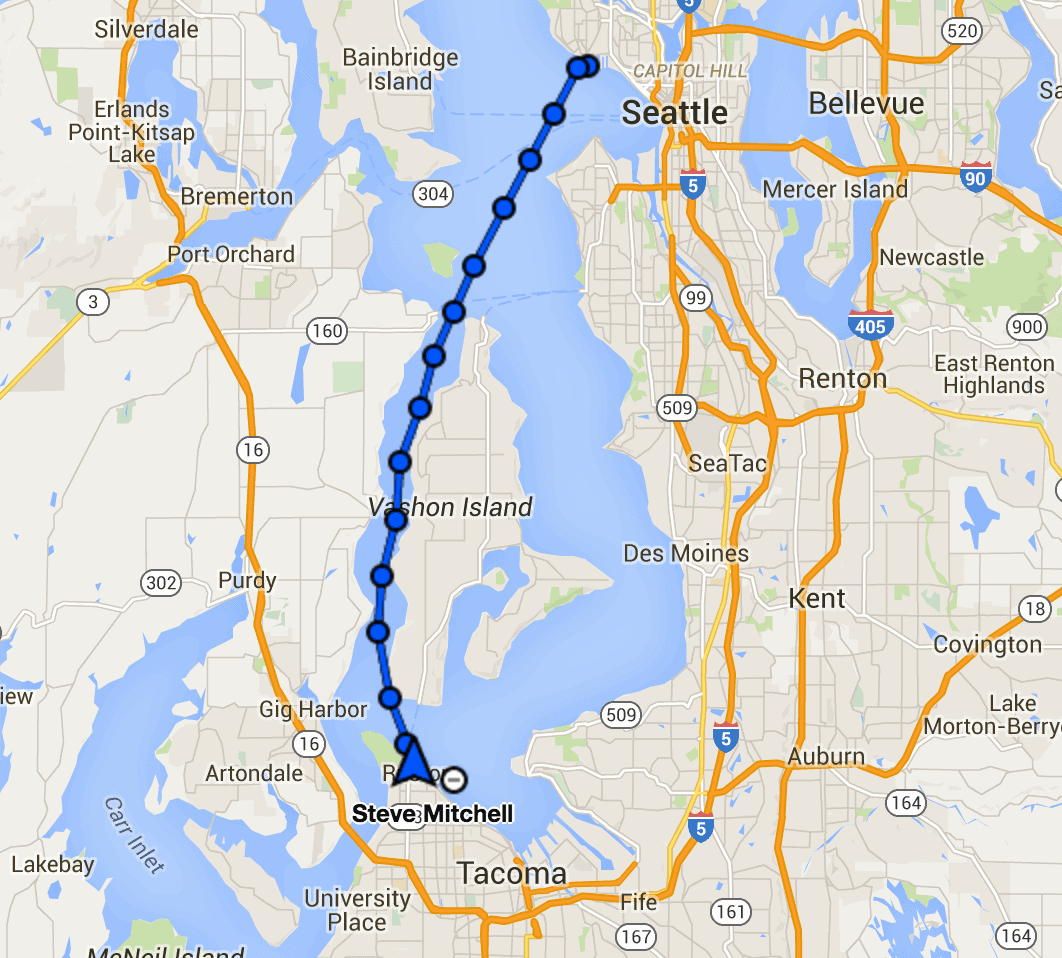
Directly, Tacoma is situated approximately 30 to 35 miles (48 to 56 kilometers) south of downtown Seattle. This seemingly short distance, however, can translate into varying travel times. Under ideal traffic conditions, a drive between the two cities can take as little as 30 to 40 minutes. During peak commute hours or due to unforeseen road incidents, this duration can easily extend to an hour or even significantly more. This variability is a critical factor for anyone planning a trip or a regular commute along this corridor. The convenience of a short drive is often balanced against the potential for considerable delays, making strategic planning an essential part of the travel experience.
Geographical Context
The corridor connecting Seattle and Tacoma is a vital artery within the greater Puget Sound region, a bustling metropolitan area in Washington State. Seattle is the seat of King County, while Tacoma is the largest city in Pierce County. The primary connector between them is Interstate 5 (I-5), a major north-south highway that traverses the entire West Coast of the United States. This highway is the backbone of the region’s transportation network, facilitating not only inter-city travel but also significant commercial and industrial movement. The landscape along the route includes a mix of urban sprawl, suburban communities, and glimpses of the natural beauty for which Washington is famous, though much of it is experienced at highway speeds. Understanding this geographical positioning highlights why I-5 is so critical and why traffic on it has such a profound impact on travel times between the two cities.
Navigating the Corridor: Transportation Options
Choosing the right mode of transport between Seattle and Tacoma depends on various factors including budget, time constraints, desired comfort level, and the ultimate destination within each city. Fortunately, travelers have several viable options.
Driving: The Most Common Choice
For many, driving remains the preferred method of travel due to its flexibility and convenience. The majority of the journey is spent on Interstate 5, which is generally a well-maintained multi-lane highway. There are no direct tolls on I-5 between Seattle and Tacoma, making it a cost-effective option beyond fuel and vehicle wear. Drivers can also utilize High-Occupancy Vehicle (HOV) lanes during peak hours if they meet the passenger requirements, which can offer some relief from congestion. Car rental services are readily available in both cities, as are private vehicles. However, the primary drawback of driving is the susceptibility to traffic congestion, especially during weekday commutes and on weekends when events or recreational travel are common. Parking availability and costs in the city centers of Seattle and Tacoma are also considerations.
Public Transportation: Efficient and Eco-Friendly
Public transport offers a reliable alternative to driving, often providing a stress-free experience that bypasses traffic woes.
- Sounder Commuter Train: Operated by Sound Transit, the Sounder Commuter Train is a popular choice for commuters traveling between Tacoma and Seattle. The South Line (S Line) connects Tacoma Dome Station with King Street Station in downtown Seattle, making stops in several intermediate cities. The journey typically takes about 55-60 minutes, offering a scenic and comfortable ride. It’s important to note that the Sounder primarily operates during weekday peak commute hours (morning southbound and evening northbound from Seattle, and vice-versa), with limited service on weekends for special events.
- Bus Services: Sound Transit Express provides several express bus routes connecting Seattle and Tacoma, such as Route 574. These buses offer frequent service throughout the day, including weekends, and utilize HOV lanes where available to expedite travel. Travel times by bus can range from 45 minutes to over an hour, depending on traffic. Riders can easily pay with an ORCA card, a regional public transit pass.
- Link Light Rail: While the Link Light Rail currently serves Seattle and extends south to the Seattle-Tacoma International Airport (Sea-Tac), it does not yet directly connect to downtown Tacoma. However, there are ongoing expansion projects that will eventually extend light rail service further south into Pierce County, offering more direct public transit options in the future.
Ride-Sharing and Taxis
For those prioritizing convenience and directness, ride-sharing services (like Uber and Lyft) and traditional taxis are readily available in both cities. These options offer door-to-door service and flexibility in scheduling. However, they are typically the most expensive transportation method, with fares fluctuating based on demand, distance, and traffic conditions. This option is often favored for irregular travel needs or when carrying luggage makes public transport less appealing.
Factors Influencing Travel Time and Experience
The perceived distance between Seattle and Tacoma is frequently shaped by factors beyond mere mileage. Traffic, road conditions, and the time of travel can dramatically alter the journey.
The Impact of Traffic Congestion
Seattle consistently ranks among the most congested cities in the United States, and the I-5 corridor between Seattle and Tacoma bears the brunt of this.
- Peak Hours: Weekday morning commutes (roughly 6:00 AM to 9:00 AM) and evening commutes (approximately 3:00 PM to 6:30 PM) are the busiest. During these times, the 30-35 mile drive can easily stretch to 75-90 minutes, or even longer on particularly bad days.
- Weekend Travel: Weekends, especially Saturday afternoons, can also see significant congestion, particularly if there are major events in either city (e.g., professional sports games in Seattle or festivals in Tacoma) or if many people are heading to recreational areas.
Understanding these patterns is crucial for planning any trip that involves driving. Public transportation, particularly the Sounder Commuter Train, offers a reliable alternative as it operates on dedicated tracks, largely unaffected by highway traffic.
Road Conditions and Construction
Construction projects are a perpetual reality on major highways, and I-5 is no exception. Lane closures, detours, and reduced speed limits due to ongoing infrastructure improvements can contribute to unexpected delays. The Washington State Department of Transportation (WSDOT) provides real-time updates on construction, accidents, and traffic flow, which are invaluable resources for drivers.
Furthermore, weather conditions in the Puget Sound region can affect travel. While heavy snow is rare in the lowlands, persistent rain can reduce visibility and increase the likelihood of accidents, leading to slower speeds and delays. Fog can also occasionally create hazardous driving conditions, especially in the early mornings.
Choosing the Right Time to Travel
For drivers, timing is everything. Traveling during off-peak hours—mid-morning (9:30 AM to 2:30 PM) or later in the evening (after 7:00 PM)—can significantly reduce travel time. If driving during peak hours is unavoidable, utilizing HOV lanes (if eligible) or choosing public transport like the Sounder or Sound Transit Express buses becomes a strategic advantage. Checking real-time traffic apps before departing is always recommended to anticipate and potentially reroute around major incidents.
Exploring the Destinations: Why Travel Between Seattle and Tacoma?
The consistent flow of people between Seattle and Tacoma isn’t just about daily commutes; it’s also driven by the unique attractions and opportunities each city offers. Travelers frequently journey between them for business, leisure, and cultural exploration, creating a dynamic exchange that enriches the entire region.
Seattle: The Emerald City’s Allure
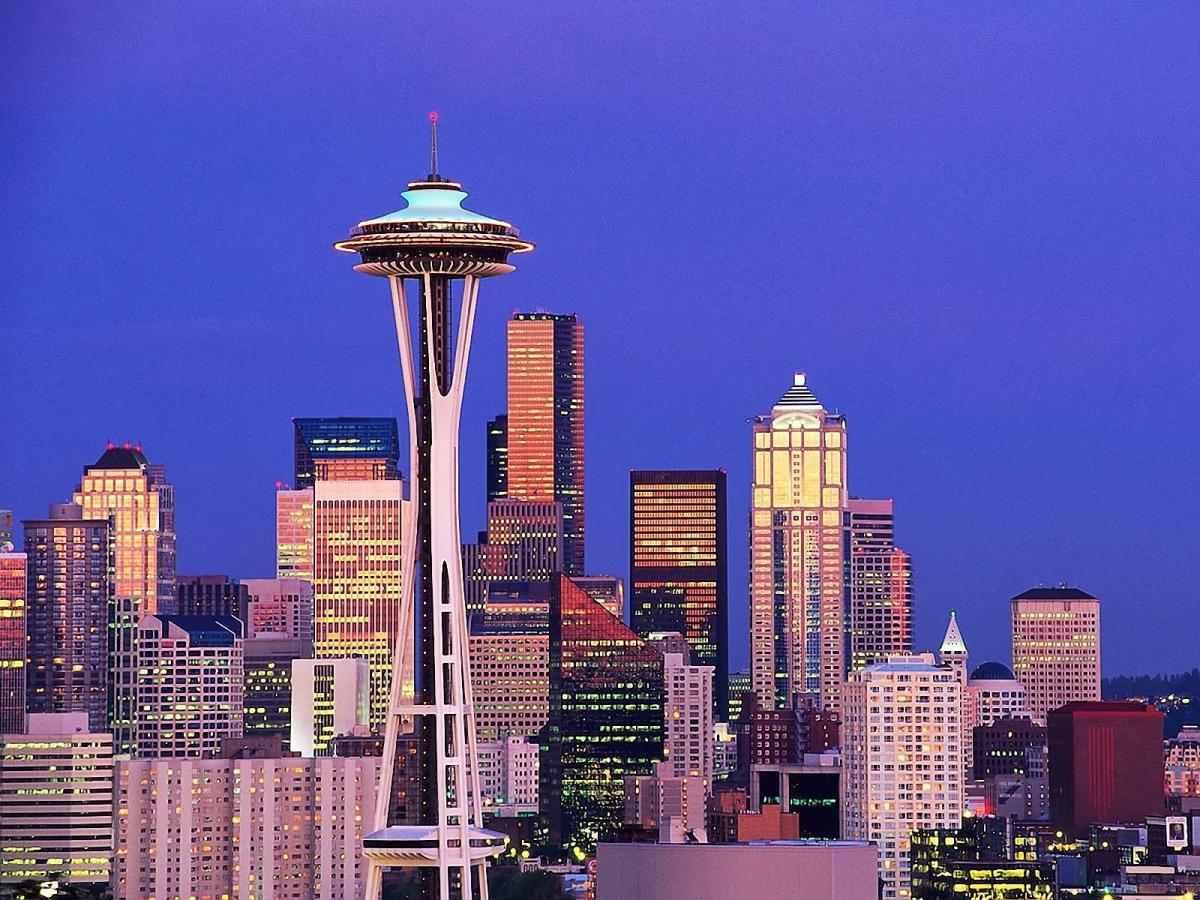
Seattle, often dubbed the “Emerald City,” is a global hub for technology, commerce, and culture. Its skyline, famously punctuated by the Space Needle, beckons visitors from around the world. Tourists flock to iconic attractions such as the bustling Pike Place Market, where fish fly and artisan crafts abound. The city is also home to world-class museums like the Museum of Pop Culture (MoPOP), celebrating music, science fiction, and contemporary culture. Beyond tourism, Seattle is a powerhouse of innovation, hosting headquarters for tech giants like Amazon and Microsoft, drawing business travelers and professionals seeking career opportunities or collaborations. Its vibrant arts scene, diverse culinary landscape, and proximity to stunning natural beauty (like the Olympic Mountains and Mount Rainier) make it a prime destination for a wide range of experiences.
Tacoma: A City of Glass and Culture
Often overshadowed by its larger northern neighbor, Tacoma has a distinct identity and a burgeoning cultural scene that makes it a worthwhile destination in its own right. The city is renowned for its contributions to the glass art movement, epitomized by the stunning Museum of Glass, with its iconic cone and hot shop demonstrations. Adjacent to it, the Tacoma Art Museum offers diverse collections focusing on Northwest art.
For nature lovers and families, Point Defiance Park is an expansive urban park featuring a zoo, aquarium, botanical gardens, and scenic waterfront trails. Automotive enthusiasts will appreciate LeMay – America’s Car Museum, one of the largest auto museums in North America. Tacoma’s revitalized downtown, historic waterfront, and growing culinary scene provide a more relaxed yet equally enriching experience compared to Seattle’s bustling pace. Many travel south from Seattle specifically to explore Tacoma’s unique attractions and enjoy its distinct atmosphere.
Commuting and Day Trips
Beyond specific attractions, the travel between these cities is often driven by a combination of commuting and the desire for day trips. Many residents of Tacoma and surrounding areas commute to Seattle for work, leveraging the Sounder Train or express buses. Conversely, Seattle residents often take day trips to Tacoma to visit its museums, parks, or attend events, seeking a change of scenery or a different cultural experience. This bidirectional flow underscores the interconnectedness of the Puget Sound region and the importance of efficient transportation links for both daily life and leisure pursuits.
Planning Your Journey: Tips for Seamless Travel
Navigating the route between Seattle and Tacoma efficiently requires a bit of foresight and the use of available resources. By planning ahead, travelers can minimize stress and maximize their time in these dynamic Washington State cities.
Utilizing Real-Time Navigation
For drivers, leveraging real-time navigation apps like Google Maps or Waze is indispensable. These platforms offer up-to-the-minute traffic conditions, accident alerts, and estimated travel times, often suggesting alternative routes to bypass congestion. Many apps also integrate data from the Washington State Department of Transportation (WSDOT), providing access to traffic camera feeds and incident reports, allowing for informed decision-making even before embarking on the journey. This proactive approach can save significant time and frustration, especially during unpredictable peak hours.
Public Transport Apps and Passes
If opting for public transportation, familiarize yourself with the schedules and routes of Sound Transit services, including the Sounder Commuter Train and Sound Transit Express buses. The Sound Transit website and dedicated transit apps provide comprehensive schedule information, fare details, and service alerts. Purchasing an ORCA card is highly recommended for frequent users, as it allows for seamless payment across various regional transit systems and often offers discounted fares. Having the card pre-loaded with funds or a pass eliminates the need to fumble with cash or tickets, streamlining the boarding process.
Accommodation and Logistics
For travelers planning an extended stay in either Seattle or Tacoma with intentions of exploring both cities, consider your accommodation’s proximity to public transport hubs. Staying near King Street Station in Seattle or Tacoma Dome Station in Tacoma can significantly ease inter-city travel by train or bus. If driving, research parking options and costs at your destinations. Many hotels in both cities offer parking, but downtown areas may have limited and expensive options. Understanding these logistical details beforehand contributes to a more relaxed and enjoyable travel experience, allowing you to focus on exploring the rich offerings of the Puget Sound region.
LifeOutOfTheBox is a participant in the Amazon Services LLC Associates Program, an affiliate advertising program designed to provide a means for sites to earn advertising fees by advertising and linking to Amazon.com. Amazon, the Amazon logo, AmazonSupply, and the AmazonSupply logo are trademarks of Amazon.com, Inc. or its affiliates. As an Amazon Associate we earn affiliate commissions from qualifying purchases.