
The dream of independent travel often begins with a suitcase and a destination, but for many young adventurers, the journey hits a bureaucratic snag before it even leaves the ground: the check-in desk. The question of “How old do you have to be to book a hotel?” is one of the most common queries in the world of accommodation. While the simple answer is often “18,” the reality is a complex tapestry of local laws, corporate policies, and insurance liabilities that vary significantly from New York City to Tokyo. Navigating these requirements is an essential skill for any traveler, ensuring that a long-awaited trip doesn’t end with a “No Vacancy” sign based purely on a birth date.

Understanding the Legal and Corporate Landscape
When you book a room at a major chain like Marriott or Hilton, you aren’t just paying for a bed; you are entering into a legally binding contract. This is the primary reason why age plays such a pivotal role in the booking process. In many jurisdictions, individuals under a certain age are not considered legally capable of entering into a contract, which can make the agreement between the guest and the hotel voidable.
The Standard Age of Majority
In much of the United States and Canada, the legal age to enter into a contract is 18. Consequently, many hotels allow guests who are 18 and older to reserve and check into rooms. However, this is not a universal rule. In states like Alabama and Nebraska, the age of majority is 19. If you are planning a trip to Omaha or Birmingham, you may find that the “standard” 18-year-old rule doesn’t apply.
The 21+ Policy Shift
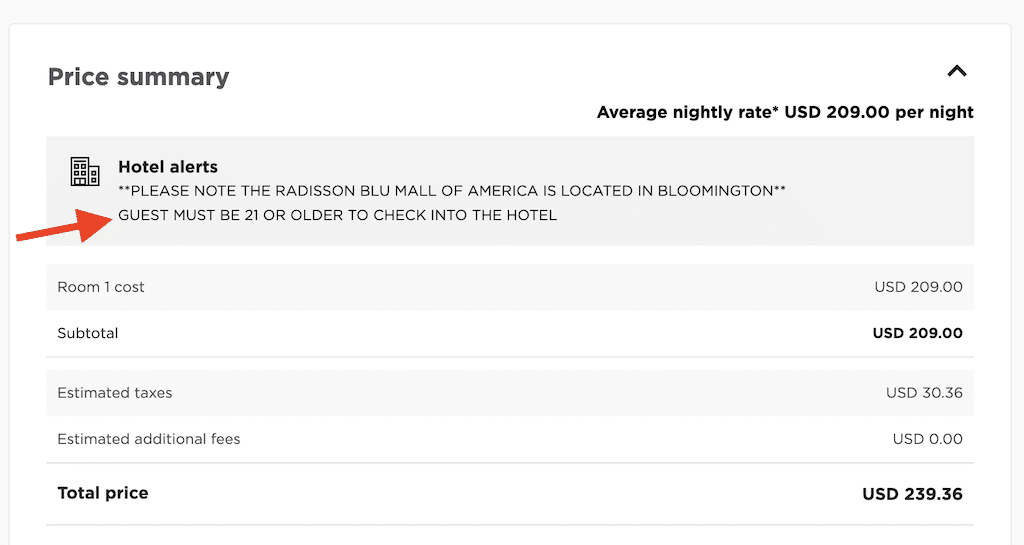
Despite the legal age of majority being 18, a significant number of hotels in the United States have shifted their minimum check-in age to 21. This is particularly common in major tourist hubs like Las Vegas, Miami, and Los Angeles. There are several reasons for this, ranging from the availability of alcohol in minibars to the high cost of insurance premiums. Hotels that feature casinos, such as Caesars Palace or The Bellagio, almost universally require guests to be 21 because of strict gambling and liquor laws.
International Variations
Outside of North America, the rules often lean toward the more lenient side. In Europe, particularly in countries like France, Germany, and the United Kingdom, 18 is the standard age for booking. It is not uncommon to find hostels in London or Berlin that allow travelers as young as 16 to stay alone, provided they have a signed parental consent form. Conversely, in Asia, countries like Japan have very strict rules regarding minors; anyone under 20 often requires specific documentation or a legal guardian to secure accommodation in Kyoto or Osaka.
Why Hotels Enforce Age Restrictions
It may seem unfair for a responsible 19-year-old to be denied a room at a Holiday Inn, but these policies are rarely personal. They are rooted in risk management. Hotels are businesses that must balance the desire for high occupancy with the potential for property damage and legal liability.
Liability and Insurance Concerns
Insurance companies often dictate the policies of large hotel groups. Statistically, younger travelers are viewed as higher-risk guests. Whether it is the potential for rowdy parties or accidental damage to the property, insurers may charge higher premiums to hotels that allow 18-year-olds to check in. To keep costs down, a resort in Cancun or a boutique hotel in California might simply raise their minimum age to 21.
Financial Responsibility and Credit Cards
To book a room, you almost always need a valid credit card. While many 18-year-olds have debit cards, many hotels—especially luxury brands like Four Seasons or The Ritz Carlton—require a credit card for an “incidental hold.” This hold ensures that if a guest orders room service or damages the Plasma TV, the hotel can recover the funds. Since credit card companies often have stricter requirements for young adults, this becomes a natural barrier to booking.
Alcohol Laws and Minibars
In the United States, the legal drinking age is 21. If a hotel room is equipped with a minibar filled with spirits and wine, the hotel faces a legal risk if they rent that room to an 18-year-old. While some hotels will offer to “lock” or “empty” the minibar upon request, many find it simpler to set a 21+ policy for all guests to avoid potential fines from the Department of Alcoholic Beverage Control.
Essential Requirements for Booking and Check-In
Regardless of whether the minimum age is 18 or 21, the process of securing accommodation requires a specific set of tools. Being prepared can be the difference between a smooth check-in at Best Western and being left on the sidewalk in Chicago.
Valid Government Identification
A hotel will never take your word for it regarding your age. You must present a valid, government-issued photo ID. For domestic travel within Australia or Italy, a driver’s license usually suffices. However, for international travel, a Passport is the gold standard. Hotels are often required by local law to record passport details for all foreign guests, a practice common in Spain and Thailand.
The Power of the Credit Card
As mentioned, the credit card is the most important tool in the booking arsenal. Even if you prepay for your stay through a site like Expedia or Booking.com, the front desk will almost certainly ask for a card at check-in. If you only have a debit card, be aware that the hotel might “freeze” a significant amount of your available balance—sometimes hundreds of dollars—as a security deposit. This is a common practice at Hyatt and Radisson properties.
Parental Consent Forms
For travelers who are under 18 or staying in a region where they are considered minors, a parental consent form is a vital document. This is particularly relevant for youth hostels or budget accommodation in Europe. The form usually needs to be notarized and include a copy of the parent’s ID and contact information. While it doesn’t guarantee a room at a Wyndham, it can open doors in more flexible environments.
Strategies for Young Travelers
If you are under 21 and looking to explore the world, do not be discouraged. While the rules can be strict, there are many ways to successfully book accommodation and enjoy your trip to Paris or Sydney.
Research Individual Brand Policies
Not all brands are created equal. While some luxury resorts may require guests to be 21, many “lifestyle” or budget-friendly brands are more welcoming to the 18-20 demographic. Motel 6 and Red Roof Inn are known for having more lenient age policies across their North America locations. Always check the “fine print” or the “Policies” section of the hotel’s website before finalizing your reservation.
Consider Alternative Accommodation
If traditional hotels are proving difficult, consider alternative forms of accommodation. Airbnb generally allows anyone 18 and older to create an account and book a stay, though individual “hosts” can set their own house rules. Similarly, youth hostels—popular in destinations like Amsterdam and Prague—are designed specifically for younger travelers and rarely have minimum age requirements above 18.
Call the Hotel Directly
The most effective way to avoid a check-in disaster is to call the hotel’s front desk directly. Do not rely solely on the central reservation line, as they may give you a generic corporate answer. Speaking to a manager at a specific DoubleTree in Austin or a Sheraton in Seattle can provide clarity. Sometimes, if you explain your situation—such as traveling for a university event or a wedding—they may be willing to make an exception or provide you with the specific paperwork needed to stay.
Join Loyalty Programs
In some cases, being a member of a hotel’s loyalty program, like World of Hyatt or Marriott Bonvoy, can lend you a degree of credibility. While it won’t override state law, it shows the hotel that you are a serious traveler. Furthermore, some credit cards tailored for students or young adults offer travel benefits that can help facilitate the booking process.

Final Thoughts on Age and Accommodation
Booking a hotel as a young adult is a rite of passage that requires more than just a sense of adventure; it requires due diligence. Whether you are aiming for a luxury stay at The Plaza Hotel or a simple room in Mexico, understanding the “why” and “how” of age restrictions will save you time and stress. By staying informed about the legal requirements in your destination and being prepared with the right documentation, you can ensure that your age is never a barrier to seeing the world. Travel is about expanding horizons, and with a little preparation, those horizons are open to anyone with a valid ID and a passion for discovery.
LifeOutOfTheBox is a participant in the Amazon Services LLC Associates Program, an affiliate advertising program designed to provide a means for sites to earn advertising fees by advertising and linking to Amazon.com. Amazon, the Amazon logo, AmazonSupply, and the AmazonSupply logo are trademarks of Amazon.com, Inc. or its affiliates. As an Amazon Associate we earn affiliate commissions from qualifying purchases.