
In the complex ecosystem of modern accommodation, a hotel voucher serves as a powerful instrument for both travelers and property managers. Whether it is used as a prepaid booking tool, a form of compensation for a service lapse, or a promotional incentive, understanding how to navigate the acquisition and redemption of these vouchers is essential for anyone looking to optimize their stay. Securing a voucher is not merely about finding a discount; it is about understanding the logistical frameworks of the hospitality industry, from the corporate structures of Marriott International to the digital algorithms of major booking engines. This guide delves into the professional methodologies required to obtain hotel vouchers across various scenarios, ensuring that your next stay in the United States or abroad is both cost-effective and seamless.
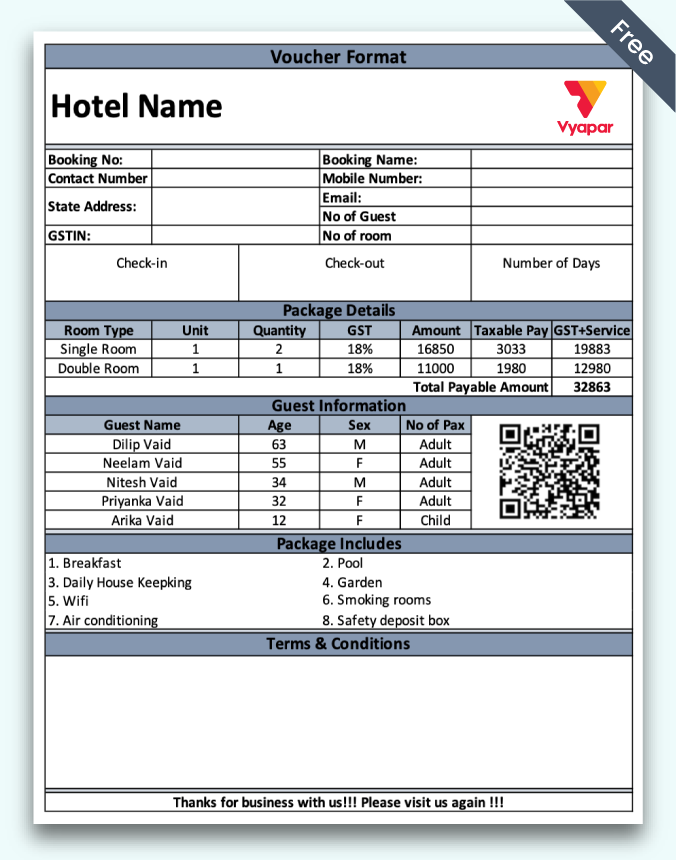
Understanding the Varieties of Hotel Vouchers
Before attempting to secure a voucher, one must distinguish between the different types available in the market. Vouchers are essentially credit certificates that hold a specific monetary value or represent a specific service, such as a night’s stay at a Sheraton property. In the realm of accommodation, these are generally categorized by their source and intent.
Promotional and Marketing Vouchers
Promotional vouchers are often issued by hospitality groups to stimulate demand during off-peak seasons or to reward brand loyalty. For instance, Hilton Worldwide may issue vouchers as part of a seasonal campaign to encourage stays in London during the winter months. These vouchers are typically acquired through newsletters, participation in marketing surveys, or as “buy-one-get-one” offers during major retail events like Black Friday. They are excellent tools for those planning ahead, though they often come with specific “blackout dates” where they cannot be used.
Compensatory Vouchers
Compensatory vouchers are issued as a “service recovery” gesture when a guest experiences a problem. If a guest at a Hyatt Regency encounters a significant maintenance issue or if their room is not ready upon arrival, the management may provide a voucher for a future stay or a credit toward on-site dining. This type of voucher is rarely advertised but is a standard tool used by front office managers in Paris, Tokyo, and other major hubs to maintain high guest satisfaction scores.
Prepaid and Gift Vouchers
These are the most straightforward vouchers, often purchased by individuals or corporations. A company might buy a voucher for a Holiday Inn in Singapore to facilitate a business traveler’s logistics. These function similarly to currency and provide the most flexibility, as they are usually not tied to specific promotional windows.
Strategic Acquisition through Loyalty Programs and Credit Cards
The most reliable way to consistently secure hotel vouchers is through the strategic management of loyalty programs and financial partnerships. Large-scale accommodation providers have shifted toward “points-to-voucher” systems that reward frequent guests with tangible certificates.
Leveraging Hotel Loyalty Networks
Membership in programs such as Marriott Bonvoy or IHG One Rewards is the primary gateway to earning free stay vouchers. Most of these programs offer a “Free Night Award” voucher after a member stays a certain number of nights or reaches a specific tier of membership. For example, staying frequently at InterContinental Hotels Group properties can result in an annual voucher redeemable at luxury locations in Dubai or Sydney. These vouchers are high-value because they often bypass the fluctuating “best available rate,” providing a fixed-value stay regardless of seasonal price hikes.
Utilizing Co-Branded Credit Cards
In the United States and Canada, financial institutions like Chase and American Express offer co-branded credit cards that provide an annual hotel voucher simply for holding the card. A World of Hyatt credit cardholder might receive a Category 1-4 voucher every year on their account anniversary. This allows the user to book a stay at a Hyatt property in Chicago or Berlin without spending any additional capital. Professional travelers often manage a portfolio of these cards to ensure they have a steady stream of vouchers for their annual accommodation needs.
Obtaining Vouchers through Third-Party Platforms and Aggregators
While direct booking is often encouraged by brands like Radisson Blu, third-party aggregators and Online Travel Agencies (OTAs) have their own voucher ecosystems.
Rewards from Booking Platforms
Platforms such as Expedia, Booking.com, and Hotels.com frequently offer vouchers to their most active users. Hotels.com, for instance, has historically operated a program where staying ten nights earns the user one “reward night” voucher. This voucher’s value is the average price of the ten nights stayed. For a traveler frequently visiting Toronto or Los Angeles, this effectively acts as a 10% rebate in the form of a voucher.
Airline and Travel Disruptions
A lesser-known but highly effective way to receive an accommodation voucher is through airline service failures. Under regulations in the European Union and increasingly in Australia, airlines are required to provide hotel vouchers if a flight delay necessitates an overnight stay. If you are stranded at Heathrow Airport in England or Charles de Gaulle Airport in France, the airline must issue a voucher for a nearby hotel, such as a Sofitel or Novotel. These vouchers usually include transportation to the property and a meal allowance.
Negotiation and Professional Communication Tactics
Securing a voucher often requires direct interaction with management, particularly when dealing with “service recovery” or overbooking situations. Knowing how to professionally request a voucher can make the difference between a frustrating experience and a future free stay.
The Art of the “Walk”
In the accommodation industry, being “walked” occurs when a hotel, such as the Hilton New York, overbooks its rooms and cannot fulfill your reservation. In this scenario, the hotel is obligated to find you equivalent accommodation at a nearby property, such as the Westin. Beyond just paying for the alternative room, professional travelers know to request a “return stay voucher.” This is a gesture of goodwill to ensure the guest returns to the original brand in the future. In competitive markets like Las Vegas or Hong Kong, managers are often empowered to issue these vouchers to protect the hotel’s reputation on TripAdvisor.
Handling Service Failures
If your stay at a Ritz-Carlton or Four Seasons is marred by issues—such as a lack of hot water, excessive noise from construction, or a significant billing error—it is appropriate to discuss compensation. Rather than demanding a refund, which can be difficult for a front desk to process, suggesting a voucher for a future stay is often more palatable for the hotel. It ensures the hotel retains your future business while providing you with high-value accommodation later. When speaking with a manager in Rome or Barcelona, remain calm, document the issues, and emphasize your desire to give the brand another chance via a voucher.
Government and Charitable Accommodation Vouchers
In specific socio-economic contexts, hotel vouchers are issued by government agencies or non-profit organizations to assist individuals in need of temporary housing.
Emergency Housing Programs
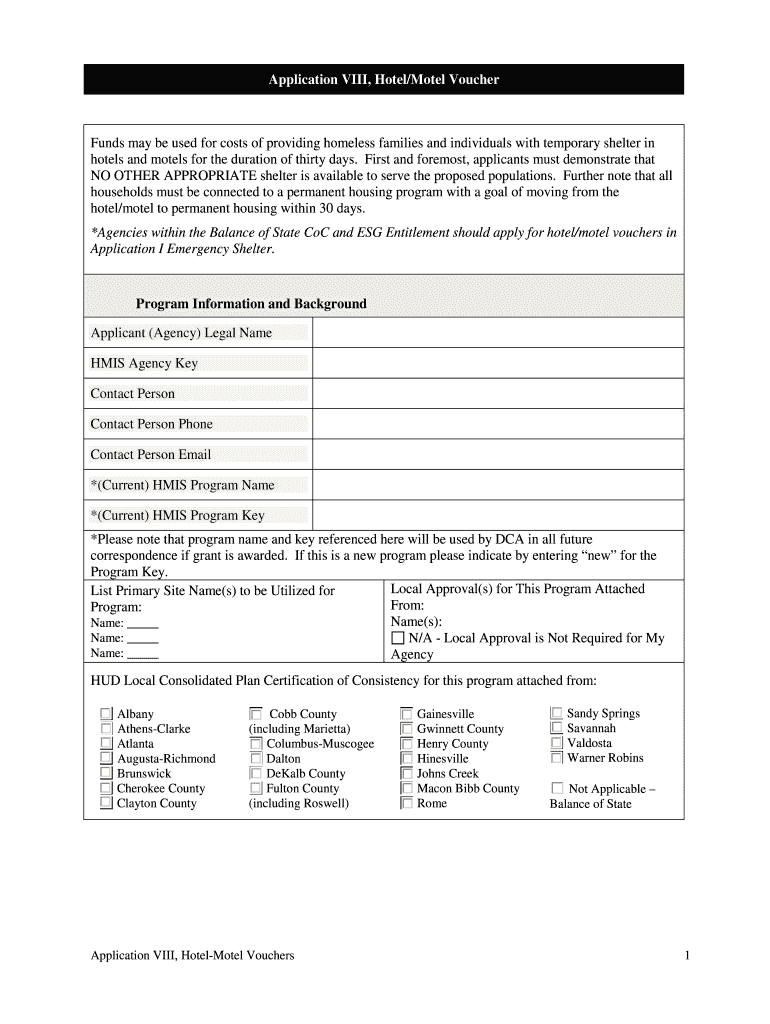
In countries like the United Kingdom and the United States, local councils or organizations like the Red Cross may issue hotel vouchers during natural disasters or housing crises. These vouchers are used to secure rooms in budget-friendly chains like Motel 6 or Travelodge. While these are not for luxury travel, they are a critical component of the accommodation infrastructure, providing a safety net for those displaced by unforeseen circumstances in cities from New Orleans to Miami.
Tourism Recovery Initiatives
Following economic downturns or global health crises, some governments issue tourism vouchers to their citizens to stimulate the local economy. Japan and South Korea have previously implemented “Go To Travel” campaigns where residents received vouchers redeemable at traditional inns or modern hotels in Kyoto and Seoul. Staying informed about regional government travel subsidies is a sophisticated way to secure accommodation credits that are essentially funded by the state.
Technical Considerations and Maximizing Voucher Value
Once you have secured a voucher, the final step in the professional management of your accommodation is ensuring it is redeemed for maximum value.
Understanding the Fine Print
Every voucher comes with terms and conditions that dictate its utility. It is vital to check the expiration date; many vouchers issued by Accor or Wyndham Hotels and Resorts are valid for only one year. Additionally, check for geographic restrictions. A voucher earned at a Fairmont in Canada might be restricted to North American properties and not applicable for a stay in Switzerland.
Strategic Redemption Timing
To get the most out of a fixed-night voucher, aim to use it during high-demand periods. While a $200 voucher is always worth $200, a “Free Night Award” is much more valuable when the cash price of a room at the St. Regis in Venice spikes during a major festival. By monitoring price trends on Google Hotels, you can identify the exact window where your voucher provides the highest return on investment.
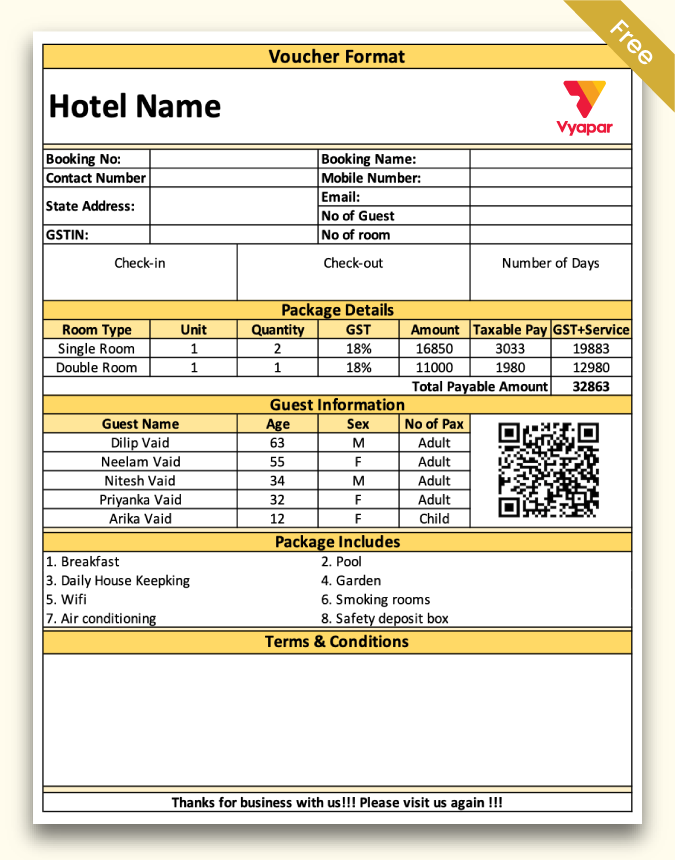
Combining Vouchers and Long-Term Stays
For those planning extended stays, “stacking” vouchers can be a viable strategy. While many hotels do not allow you to use two promotional vouchers for the same night, you can often use a voucher for the first night of a stay and pay the “member rate” for subsequent nights. This is particularly useful in expensive markets like San Francisco or Amsterdam, where even one night covered by a voucher can significantly reduce the total cost of a week-long accommodation plan.
In conclusion, getting a hotel voucher is a multi-faceted process that involves loyalty, strategic financial choices, and an understanding of guest rights. By mastering these avenues, you can navigate the global accommodation market with the expertise of a seasoned professional, ensuring that your stays in Italy, Mexico, or anywhere else are as efficient as they are enjoyable.
LifeOutOfTheBox is a participant in the Amazon Services LLC Associates Program, an affiliate advertising program designed to provide a means for sites to earn advertising fees by advertising and linking to Amazon.com. Amazon, the Amazon logo, AmazonSupply, and the AmazonSupply logo are trademarks of Amazon.com, Inc. or its affiliates. As an Amazon Associate we earn affiliate commissions from qualifying purchases.