
Determining the cost of a hotel room in Las Vegas is akin to predicting the weather in a mountain range—it is subject to rapid shifts, seasonal cycles, and the influence of high-profile events. Known as the entertainment capital of the United States, this Nevada oasis offers a spectrum of lodging that ranges from budget-friendly motor inns to some of the most opulent suites in the world. Whether you are looking for a view of The Strip or a quiet retreat in Summerlin, understanding the pricing architecture of this city is essential for any traveler.

Understanding the Tiered Pricing of Las Vegas Resorts
The hospitality landscape in Las Vegas is divided into distinct tiers. Unlike other major cities where prices are relatively stable, Las Vegas hotels use dynamic pricing models that can see a room cost $70 on a Tuesday and $700 on a Saturday.
Luxury Suites and Mega-Resorts
At the top of the pyramid are the five-star mega-resorts. Properties such as Wynn Las Vegas and its sister tower, Encore at Wynn Las Vegas, consistently command premium rates. For a standard luxury king room at these establishments, prices typically start at $250 per night during the midweek “low” periods and can easily soar above $600 during peak weekends.
The Venetian and The Palazzo offer an all-suite experience, meaning even their base-level accommodations are significantly larger than the industry average. Expect to pay between $200 and $500 depending on the season. For those seeking a non-gaming, ultra-luxury atmosphere, the Waldorf Astoria Las Vegas and Four Seasons Hotel Las Vegas provide a more serene environment with prices often starting at $400 per night.
Mid-Range Strip Accommodations
The “heart” of the pricing market lies in the mid-range resorts, many of which are operated by MGM Resorts International or Caesars Entertainment. Bellagio, while leaning toward luxury, often falls into this category during promotional periods, with rooms available for $180 to $350.
Caesars Palace and Paris Las Vegas offer a quintessential “Vegas” feel at a slightly more accessible price point, usually ranging from $120 to $300. These resorts are ideal for visitors who want to be in the center of the action without paying the ultra-premium rates of the newest towers. The Cosmopolitan of Las Vegas also sits in this bracket, though its unique terrace rooms with views of the Bellagio Fountains often command a significant surcharge.
Budget-Friendly Options and Off-Strip Alternatives
For travelers prioritizing their gambling or show budget over room square footage, properties like Excalibur Hotel and Casino and Luxor Hotel and Casino are staples. During the week, it is not uncommon to find rooms here for as low as $35 to $60. Circus Circus remains one of the most affordable options on the northern end of The Strip.
Venturing to Downtown Las Vegas near Fremont Street can also yield savings. While Circa Resort and Casino targets the luxury market, older establishments like the Golden Nugget Las Vegas or The D Las Vegas offer competitive rates often 20-30% lower than comparable rooms on The Strip.
Factors Influencing Nightly Rates in the Entertainment Capital
Pricing in Las Vegas is not just about the quality of the linens; it is about what is happening in the city. The occupancy rate of the nearly 150,000 hotel rooms in the valley dictates the daily rate.
The Impact of Major Events and Conventions
Las Vegas is one of the premier convention destinations in the world. When the Consumer Electronics Show (CES) comes to town, room rates across the city can triple or quadruple. Similarly, large-scale sporting events at Allegiant Stadium or the T-Mobile Arena create massive demand.
The recent introduction of the Formula 1 Las Vegas Grand Prix has created a new peak in the pricing calendar, where even modest rooms can fetch several hundred dollars. If your visit coincides with a Super Bowl weekend or a major fight at the MGM Grand Garden Arena, expect to pay a significant premium regardless of the hotel tier.
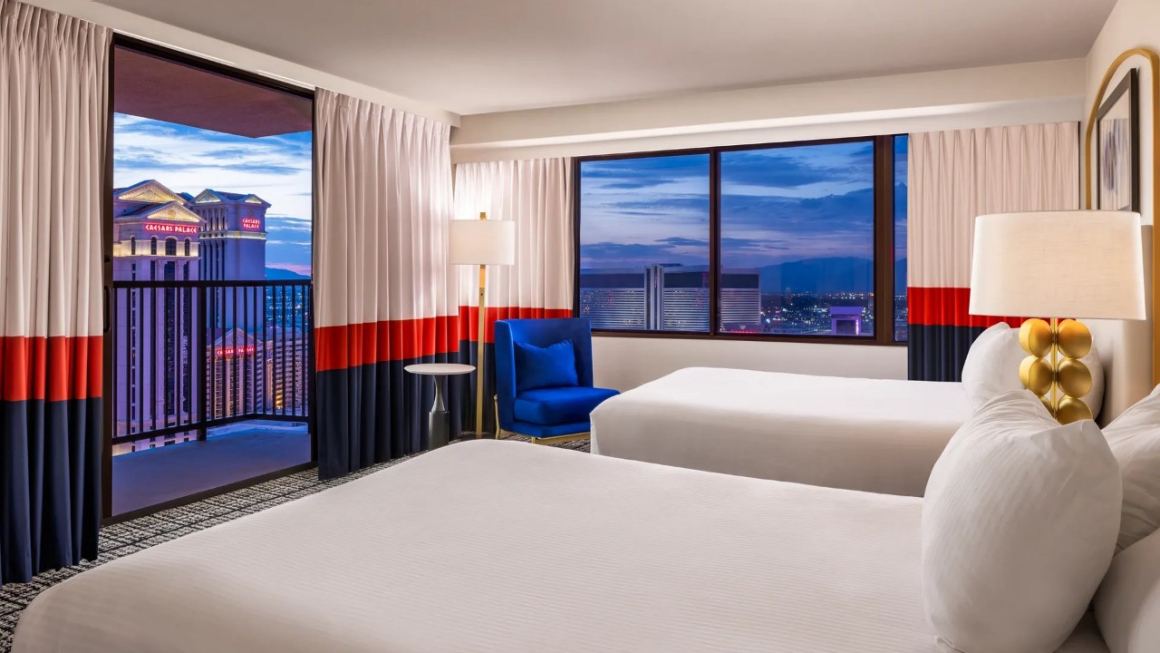
Seasonal Fluctuations and Weekend Surges
The “weekend effect” is more pronounced in Las Vegas than perhaps anywhere else in North America. A room that costs $80 on a Wednesday might jump to $350 on Friday and Saturday.
Seasonally, the hottest months of July and August often see lower base rates (with the exception of holiday weekends like Independence Day) as the desert heat deters some travelers. Conversely, the weeks surrounding New Year’s Eve represent the absolute peak of pricing, where nearly every room in the city, from Henderson to the North Las Vegas border, is sold at a maximum rate.
Hidden Costs: Navigating Resort Fees and Amenities
When asking “how much is a hotel room,” the sticker price is rarely the final number. Las Vegas hotels have perfected the art of the “resort fee,” a mandatory daily charge that is added to the base room rate.
What Do Resort Fees Actually Cover?
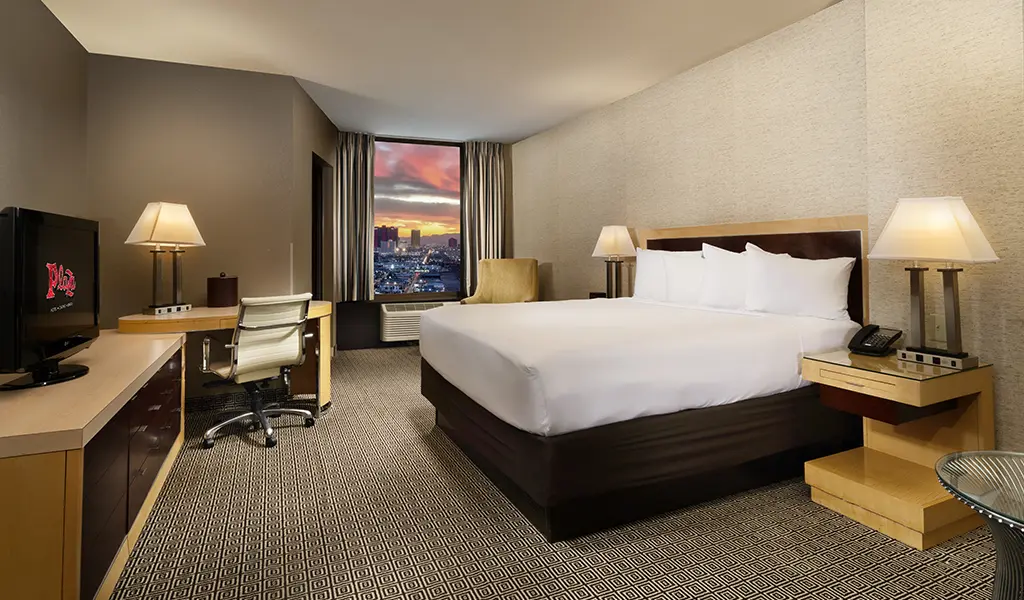
Nearly every major resort on The Strip, including MGM Grand, Aria Resort and Casino, and Planet Hollywood Las Vegas, charges a resort fee. These fees typically range from $25 to $50 per night, plus tax.
While hotels claim these fees cover high-speed internet, fitness center access, and local phone calls, they are essentially a way for hotels to appear lower in search results on booking engines while still collecting the necessary revenue. When budgeting, travelers must add approximately $40 per night to whatever price they see advertised online to get an accurate picture of the cost.
Parking and Additional Services
In recent years, free parking has become a rarity at Las Vegas hotels. Most resorts now charge for both self-parking and valet services. For guests staying at Mirage Las Vegas or Harrah’s Las Vegas, daily parking fees can range from $15 to $30.
Additionally, be aware of the “early check-in” and “late check-out” fees. Because of the high volume of guests moving through Harry Reid International Airport, hotels like Bally’s Las Vegas (now Horseshoe Las Vegas) often charge $20-$50 if you wish to access your room before the standard 3:00 PM check-in time.
Maximizing Value When Booking Your Stay
While the costs can seem daunting, the competitive nature of the Las Vegas market means there are always ways to find value. The key is to look beyond the initial price tag and consider the total cost of the experience.
Loyalty Programs and Casino Player Cards
One of the most effective ways to lower the cost of a hotel room is to join loyalty programs like MGM Rewards or Caesars Rewards. Even if you are not a high roller, simply being a member of these programs often grants access to “member-only” rates that are 10-15% lower than public prices.
For frequent visitors to Nevada, gambling activity tracked on a player’s card can lead to “comped” rooms. While the room might be free, remember that you are still usually responsible for the daily resort fees unless you have reached a high tier of loyalty status.
Strategic Booking Windows
Timing is everything. Generally, booking 30 to 60 days in advance yields the best balance of availability and price. However, Las Vegas is also a city of last-minute deals. If a major convention cancels or a block of rooms goes unbooked, hotels like Resorts World Las Vegas or Sahara Las Vegas may drop prices significantly 48 hours before the date.
Another tip is to check the Las Vegas Convention and Visitors Authority calendar. By choosing a week that has no major trade shows scheduled at the Las Vegas Convention Center, you can often secure a luxury room at a mid-range price.
Ultimately, a hotel room in Las Vegas can cost as little as a meal at a fast-food restaurant or as much as a new car. By understanding the tiers of the The Strip, accounting for mandatory resort fees, and timing your visit to avoid the massive influx of convention-goers, you can find an accommodation price that fits your specific financial plan. From the historic charm of Flamingo Las Vegas to the modern tech of Aria Resort and Casino, the city offers a bed for every budget—provided you know where and when to look.
LifeOutOfTheBox is a participant in the Amazon Services LLC Associates Program, an affiliate advertising program designed to provide a means for sites to earn advertising fees by advertising and linking to Amazon.com. Amazon, the Amazon logo, AmazonSupply, and the AmazonSupply logo are trademarks of Amazon.com, Inc. or its affiliates. As an Amazon Associate we earn affiliate commissions from qualifying purchases.