
Checking into a hotel should be the start of a relaxing vacation or a productive business trip. Whether you are staying at a luxury resort in Paris or a boutique lodge in Aspen, the expectation of cleanliness and safety is paramount. However, one of the most persistent challenges facing the global hospitality industry is the presence of Cimex lectularius, commonly known as bed bugs. While organizations like the American Hotel Association and the American Hotel & Lodging Association work tirelessly to establish high standards of hygiene, these resilient pests remain expert hitchhikers. Understanding how to inspect your room is not just about peace of mind; it is a vital travel skill that protects your home from unwanted guests upon your return.

Understanding the Bed Bug Threat in Modern Hospitality
The resurgence of bed bugs over the last two decades has affected every corner of the globe, from budget motels in London to five-star suites in Dubai. Their presence is not an indicator of a lack of cleanliness, as these insects are attracted to warmth and carbon dioxide rather than dirt. This means even the most prestigious brands, such as The Ritz-Carlton or Four Seasons Hotels and Resorts, must maintain constant vigilance.
Why Even the Best Hotels Face Challenges
Bed bugs are frequently introduced by travelers themselves. An infested suitcase from a previous flight or a stay in a different city like New York City can easily transport these pests into a clean environment. Because hotels have a high turnover of guests, the risk of introduction is constant. Major hubs like Chicago, Atlanta, and Los Angeles often report higher incidences simply due to the sheer volume of international and domestic traffic.
The Role of Industry Associations in Guest Safety
The American Hotel Association and similar regional bodies provide extensive training resources for housekeeping staff. These protocols include routine inspections during room turnovers and specialized cleaning techniques. When you stay at a member property of Marriott International or Hilton Worldwide, the staff is typically trained to look for early signs of infestation. However, as a guest, performing your own check adds an essential layer of security.
The Step-by-Step Inspection Process
The best time to look for bed bugs is immediately upon entering the room, before you unpack or even sit on the bed. It only takes five to ten minutes to perform a thorough sweep that can save you weeks of stress.
Initial Entry and Luggage Placement
When you first walk into your room at a hotel like the Grand Hyatt or the Waldorf Astoria, do not place your luggage on the bed or the carpet. Instead, the safest place for your bags is the bathroom, specifically the bathtub or the tiled floor. Bed bugs are less likely to be found on hard, cold surfaces and have difficulty climbing the smooth sides of a tub. Alternatively, use a metal luggage rack, ensuring it is pulled away from the wall.
Inspecting the Bedding and Mattress
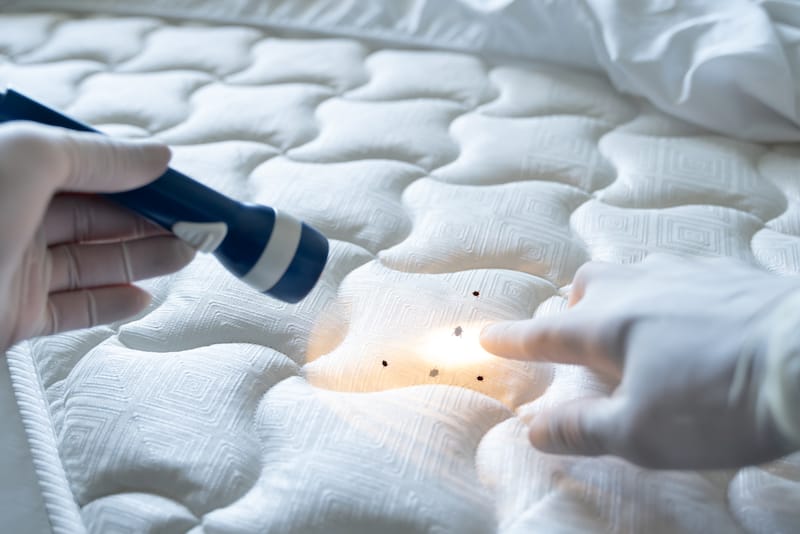
The bed is the primary habitat for these pests. Start by pulling back the linens, including the comforter and the fitted sheet. Focus your attention on the corners of the mattress. Bed bugs love to hide in the seams, tufts, and folds of the mattress material.
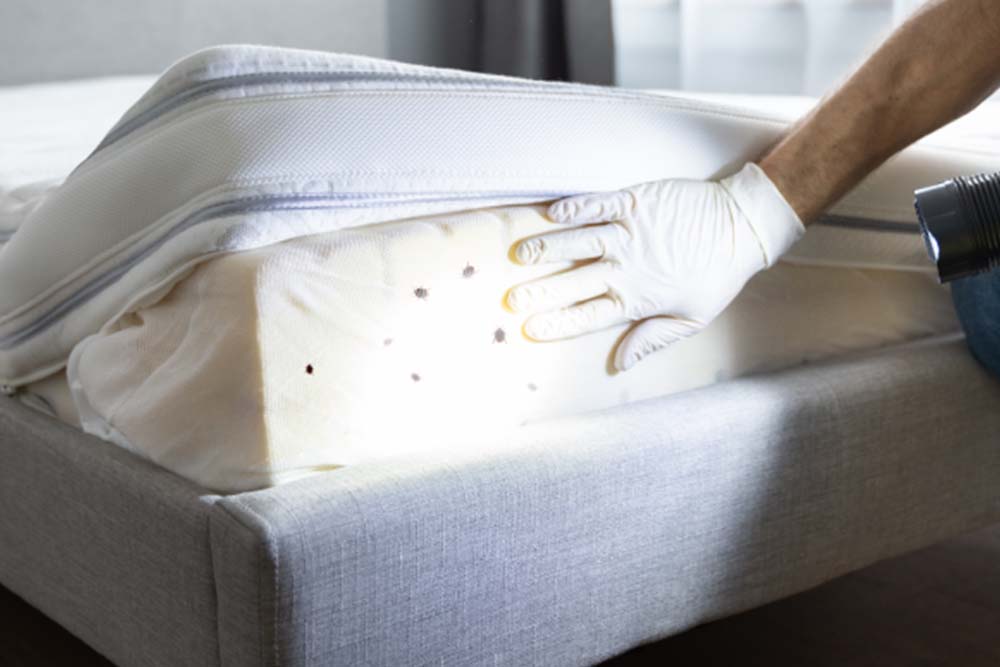
Use the flashlight on your smartphone to look for small, dark spots or live insects. If the hotel uses a mattress protector—a common practice in United States hospitality chains—unzip it slightly if possible to check the mattress underneath. Don’t forget to look at the box spring as well, particularly where it rests on the frame.
Beyond the Bed: Furniture and Curtains
While the bed is the most common site, bed bugs can also inhabit upholstered furniture. If your room at the Sheraton or Westin features a plush armchair or a sofa, check the seams and under the cushions.
Furthermore, examine the headboard. In many modern hotels, headboards are mounted to the wall. Check the space between the headboard and the wall, as this is a prime hiding spot. Finally, take a quick look at the folds of the curtains and the edges of the baseboards near the bed.
Signs and Indicators of Infestation
Knowing what to look for is half the battle. Bed bugs are elusive and nocturnal, meaning you might not see a live insect during the day, but you can certainly find evidence of their presence.
Identifying Live Insects and Eggs
An adult bed bug is roughly the size and shape of an apple seed. They are reddish-brown, wingless, and flat. If they have recently fed, they may appear more elongated and dark red. Their eggs are tiny, about the size of a pinhead, and are pearly white. They are often laid in clusters and are sticky, allowing them to adhere to surfaces like the wooden frame of a bed in a Holiday Inn or the fabric of a headboard at a Fairmont property.
Spotting Fecal Marks and Exoskeletons
One of the most common signs is “spotting.” These are small, dark brown or black stains (digested blood) that look like a felt-tip marker dot. You will typically find these on the sheets or the mattress itself. Additionally, as bed bugs grow, they shed their skins. These cast-off exoskeletons are translucent and light brown, maintaining the shape of the insect. Finding these shells in a room at a Best Western or a Wyndham is a definitive sign of an active or recent infestation.
Proactive Measures for Frequent Travelers
For those who spend a significant amount of time in hotels across North America, Europe, or Asia, being proactive is the best defense. Vigilance should extend from the moment of booking to the moment you return home.
Using Technology and Travel Reviews
Before booking a stay in Las Vegas or Miami, check recent guest reviews on platforms like TripAdvisor. While one-off reports should be taken with a grain of salt (as they can sometimes be mistaken identity), a pattern of reports regarding a specific hotel, such as the MGM Grand or the Hilton Hawaiian Village, should be a red flag. There are also dedicated “bed bug registry” websites that track reported sightings in major cities.
Protocols if You Find a Problem
If you discover signs of bed bugs at a Renaissance Hotel or any other establishment, do not panic. Immediately notify the front desk. A professional establishment will have a protocol in place, which usually involves moving you to a different room.
It is crucial that the new room is not adjacent to, directly above, or directly below the infested room, as bed bugs can travel through wall voids or electrical outlets. When moving, ensure your belongings are sealed in plastic bags to prevent any potential spread to the new location.
Maintaining Standards in Major Global Hubs
The density of hotels in popular tourist destinations makes pest management a high priority for local tourism boards. From the historic districts of Rome to the modern skyscrapers of Tokyo, the hospitality industry is united in its goal to eliminate these pests.
Vigilance in High-Traffic Destinations
In cities like Orlando, where families flock to Walt Disney World Resort, hotels like the Disney’s Grand Floridian Resort & Spa maintain rigorous inspection cycles. The high volume of luggage moving in and out of the United Kingdom or France means that even luxury boutique hotels must be as careful as large-scale chains like Accor or InterContinental Hotels Group.
Post-Trip Prevention
The inspection doesn’t end when you check out. When you return home from your trip to San Francisco or Toronto, leave your luggage in the garage or entryway if possible. Wash all your clothes—including those you didn’t wear—in hot water and dry them on the highest heat setting for at least 30 minutes. The heat is the most effective way to kill any bed bugs or eggs that may have hitched a ride.
By following these guidelines and maintaining a professional level of awareness, you can enjoy the amenities of the Bellagio in Nevada or the Marina Bay Sands in Singapore with confidence. Knowledge is your best tool in ensuring that your travel memories are the only thing you bring back from your journey. Organizations like the American Hotel Association continue to lead the way in guest safety, but a discerning eye remains the traveler’s greatest asset.
LifeOutOfTheBox is a participant in the Amazon Services LLC Associates Program, an affiliate advertising program designed to provide a means for sites to earn advertising fees by advertising and linking to Amazon.com. Amazon, the Amazon logo, AmazonSupply, and the AmazonSupply logo are trademarks of Amazon.com, Inc. or its affiliates. As an Amazon Associate we earn affiliate commissions from qualifying purchases.