
Navigating public transportation in a new city can often feel daunting, but mastering the payment system for the Chicago bus network is surprisingly straightforward. As a bustling metropolis with a comprehensive transit system, Chicago offers various convenient ways for both residents and visitors to pay for their bus rides, ensuring seamless exploration of its diverse neighborhoods and iconic attractions. This guide will demystify the payment process, providing you with all the essential information to travel confidently and efficiently on the Chicago bus system.
Understanding Chicago’s Public Transportation System
Before diving into payment specifics, it’s crucial to understand the backbone of Chicago’s public transit. The city’s extensive network is operated primarily by the Chicago Transit Authority (CTA), which manages both the famous ‘L’ train system and a vast network of bus routes. Together, these two modes provide robust coverage across the city and into some surrounding suburbs, making car-free travel a practical and often preferred option for many.
An Overview of the CTA
The CTA operates 129 bus routes and eight ‘L’ train lines, serving 1.6 million rides on an average weekday. Its mission is to provide efficient, reliable, and accessible public transportation. For visitors, understanding the scope of the CTA means recognizing that almost any major attraction, neighborhood, or point of interest in Chicago is reachable via their services. Buses, in particular, offer a ground-level view of the city, allowing passengers to soak in the urban landscape and discover hidden gems not visible from elevated train tracks or underground tunnels. The bus system is designed to complement the ‘L’ train, filling in gaps in coverage and providing more direct routes in many areas, making it an indispensable part of the overall transit experience. Its widespread nature means you’re rarely more than a few blocks from a bus stop, making spontaneous travel plans easy to execute.
Bus vs. ‘L’ Train: Your Transit Options
While both buses and ‘L’ trains fall under the CTA umbrella and typically use the same payment methods, they offer distinct travel experiences. The ‘L’ train, with its elevated and subway lines, is generally faster for longer distances, especially during rush hour, as it avoids street traffic. It’s iconic, providing unique views of the skyline and moving swiftly between major hubs like the Loop, O’Hare International Airport, and popular neighborhoods.
Buses, on the other hand, provide more granular access to neighborhoods, often stopping every few blocks. They are ideal for shorter trips, exploring specific areas in detail, or reaching destinations not directly served by the ‘L’. The bus network is incredibly comprehensive, serving streets and communities the ‘L’ trains bypass. For tourists keen on experiencing the city’s street life, local shops, and diverse architecture, the bus offers a more intimate and scenic journey. Furthermore, bus service often extends later into the night and covers areas where ‘L’ service might be less frequent, providing crucial flexibility for evening activities. Understanding when to choose a bus over a train, or vice versa, will significantly enhance your travel efficiency and enjoyment in Chicago.
Essential Payment Methods for CTA Buses
The CTA has modernized its fare collection system, moving away from older tokens and magnetic stripe cards to a more integrated, convenient approach centered around the Ventra Card and contactless payments.
The Ventra Card: Your Primary Payment Solution
The Ventra Card is the cornerstone of Chicago’s public transit payment system. It’s a reloadable, touch-and-go fare card that can be used on all CTA buses and ‘L’ trains, as well as suburban Pace buses. Acquiring a Ventra Card is highly recommended for visitors planning to use public transport regularly, as it offers the most convenient and cost-effective way to pay fares.
The card itself typically costs a one-time fee of $5, which is often refunded as transit value if you register the card online within a certain timeframe. Once you have a Ventra Card, you can load transit value onto it, much like a debit card for fares, or purchase unlimited ride passes. Tapping the card on the designated reader at the bus entrance deducts the correct fare automatically. This system streamlines boarding, reducing delays and making your journey smoother. The Ventra Card also allows for transfers between CTA buses and ‘L’ trains at a reduced rate or for free within a two-hour window, providing significant savings for multi-leg journeys.
Single-Ride Fares and Transfers
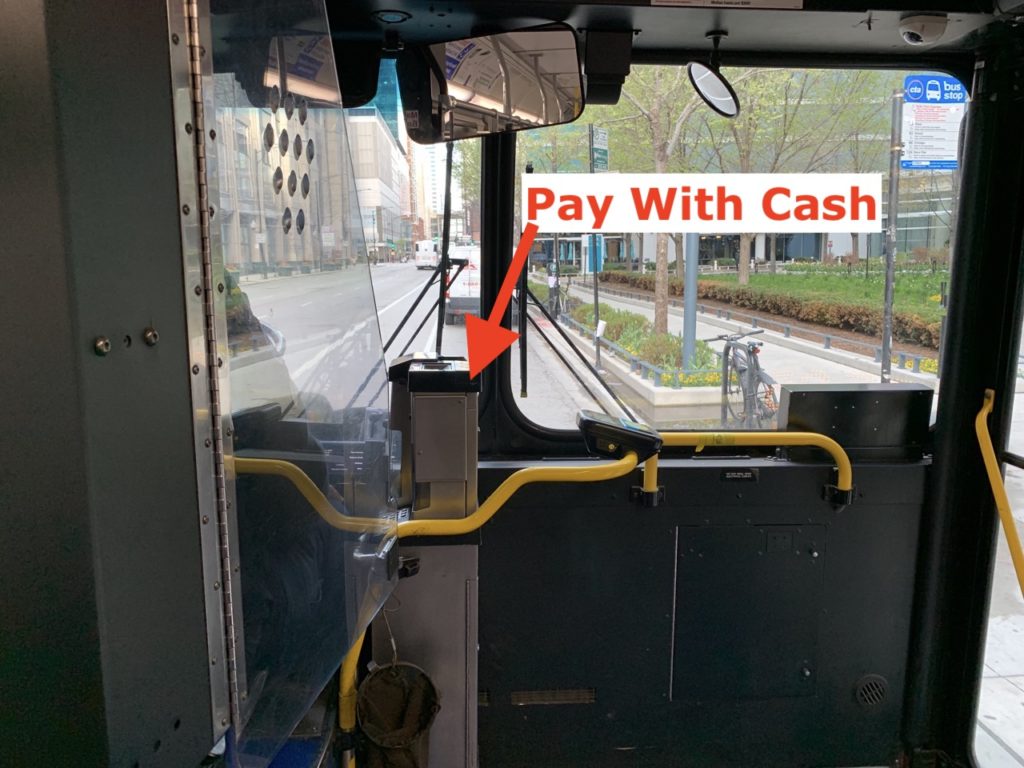
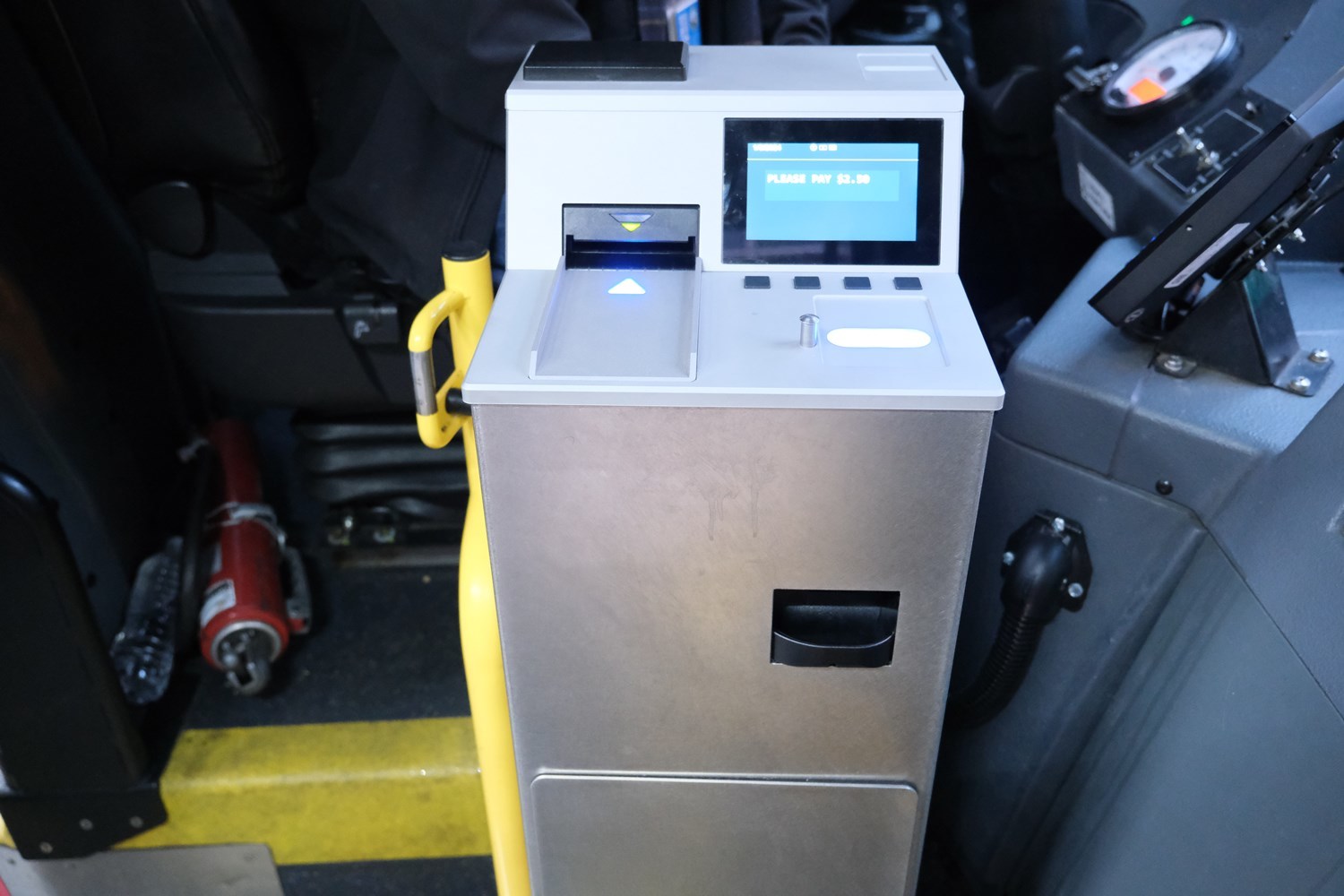
For infrequent riders or those making a one-off journey, understanding single-ride fares is important. The standard fare for a CTA bus ride when paying with a Ventra Card or contactless payment is lower than paying with cash. While cash payments are accepted on buses, they are discouraged for several reasons: they require exact change (drivers do not carry change), they do not allow for transfers, and they are generally slower, impacting boarding times. Therefore, even for a single ride, using a Ventra Card loaded with transit value or a contactless payment method is preferable.
The CTA fare structure includes the benefit of transfers. With a Ventra Card or contactless payment, you get two transfers within a two-hour period for a single fare. This means you can switch from one bus to another, from a bus to an ‘L’ train, or vice versa, paying only a small transfer fee for the second ride and making the third ride free within the two-hour window. This system is incredibly valuable for reaching destinations that require multiple segments of travel and makes the CTA an economical choice for getting around.
Contactless Payments and Mobile Ticketing
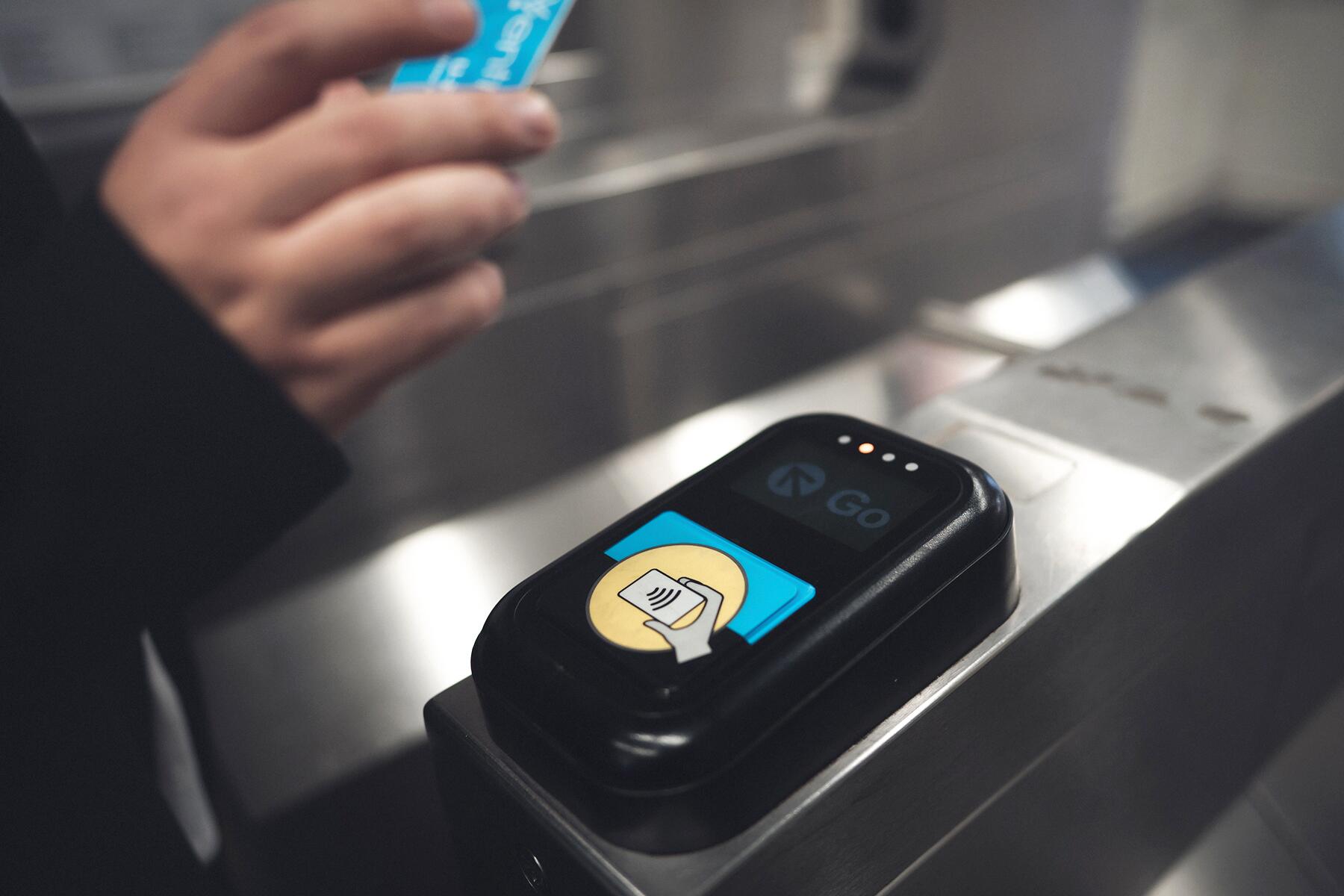
In addition to the Ventra Card, the CTA embraces modern technology by accepting contactless payments directly from your credit or debit card, as well as mobile payment apps like Apple Pay or Google Pay. This is an excellent option for visitors who don’t want to commit to purchasing a Ventra Card but still wish to enjoy the convenience and fare benefits (including transfers) of card-based payments.
Simply tap your contactless-enabled credit/debit card or your smartphone/smartwatch with a loaded payment app on the Ventra Card reader, and the system will automatically deduct the standard fare. This method offers the same benefits as using transit value on a Ventra Card, including eligibility for transfers within the two-hour window. It’s an ideal solution for those who are digital-savvy and prefer to keep their wallet light, or for spontaneous trips where buying a Ventra Card might seem like an unnecessary step. The advent of these payment options has made public transit in Chicago more accessible and user-friendly than ever before.
Exploring Ventra Pass Options for Travelers
For visitors planning extensive use of Chicago’s public transportation during their stay, Ventra Card passes offer unlimited rides for a set period, providing excellent value and convenience.
Multi-Day Passes: Best for Short Stays
If your visit to Chicago is for a few days, multi-day passes are likely your most economical and convenient option. The CTA offers 1-Day, 3-Day, and 7-Day unlimited ride passes, which are activated upon first use and are valid for consecutive days. These passes allow unlimited rides on all CTA buses and ‘L’ trains for the duration of the pass.
A 1-Day pass is perfect for a whirlwind day of sightseeing, while a 3-Day pass covers most weekend trips or short mid-week visits. For a longer vacation week, the 7-Day pass offers the best per-day value. These passes eliminate the need to worry about individual fares or reloading transit value, allowing travelers to hop on and off buses and trains as much as they like without a second thought about payment. They are particularly beneficial if your itinerary involves frequent travel between different neighborhoods or attractions, providing predictability in your travel budget.
7-Day and 30-Day Passes: For Extended Visits
While the 7-Day pass is widely popular among tourists, the CTA also offers longer-term options, most notably the 30-Day pass. While the 30-Day pass is more commonly used by residents or those on extended business trips, it can also be a valuable option for visitors planning a month-long stay or longer. This pass offers unlimited rides for an entire month, providing significant savings compared to paying individual fares or even multiple 7-Day passes.
Deciding between a transit value approach (pay-as-you-go) and a pass largely depends on your travel frequency. If you anticipate making two or more rides per day on average, a multi-day pass will almost certainly save you money. For longer stays, comparing the cost of a 30-Day pass against your estimated daily ride count will help you determine the most cost-effective solution. These passes are loaded onto your Ventra Card and activated upon your first tap.
Reduced Fares and Eligibility
The CTA offers reduced fares for eligible riders, including seniors (65 and older), persons with disabilities, and students. However, visitors typically fall under the full fare category unless they specifically qualify for one of these programs. To qualify for reduced fares, specific identification and application processes are usually required, which can take time and are often geared towards local residents.
For tourists who might qualify, it’s advisable to check the official CTA website for current eligibility requirements and application procedures well in advance of your trip. In most cases, international visitors will use standard full-fare payment methods. However, if you are a senior or person with a disability from the U.S., carrying your relevant identification may allow you to inquire about temporary reduced fare options, although a dedicated Ventra Card for reduced fares would still be needed.
Where to Purchase and Reload Your Ventra Card
Getting your hands on a Ventra Card or reloading existing transit value is simple, with multiple convenient options available throughout Chicago.
Ventra Vending Machines
The most common and accessible way to purchase a new Ventra Card or reload value/passes is through Ventra vending machines. These machines are located in every ‘L’ train station, including at O’Hare International Airport and Midway International Airport, making it incredibly convenient for arriving travelers to get set up immediately.
The vending machines are user-friendly, offering instructions in multiple languages. You can purchase a new Ventra Card (for the $5 fee, often refundable upon registration), load transit value, or buy any of the unlimited ride passes (1-Day, 3-Day, 7-Day, 30-Day). Payment can be made using cash (for reloading, new cards might be card only), credit cards, or debit cards. The ability to purchase passes directly upon arrival at the airport is a huge advantage, allowing you to transition smoothly from your flight to public transit without delay.
Retail Locations and Online Options
Beyond the train stations, Ventra Cards and their associated services are available at numerous retail locations across Chicago. Hundreds of convenience stores, pharmacies, and grocery stores, often displaying a Ventra logo, serve as points where you can purchase a new card or add value/passes. This widespread availability means you’re rarely far from a place to manage your transit needs.
For those who prefer digital solutions, the Ventra website (Ventra is the proper noun to link, no website needed) allows you to manage your card online. You can register your Ventra Card, check your balance, set up auto-reload, and purchase passes. This online portal provides a great way to monitor your spending and ensure you always have enough fare for your journeys, especially if you’re staying for an extended period.
Ventra App: Convenience at Your Fingertips
The official Ventra App, available for both iOS and Android devices, brings the full functionality of the Ventra Card to your smartphone. With the app, you can:
- Purchase and manage passes (1-Day, 3-Day, 7-Day, 30-Day)
- Add transit value to your Ventra Card
- Check your balance and transaction history
- Manage multiple Ventra Cards
- Receive alerts and service updates
Crucially, the Ventra App also enables mobile ticketing, allowing you to use your phone as your fare card. After purchasing a pass or loading transit value within the app, you can simply tap your phone on the Ventra Card reader at the bus entrance, similar to using a contactless credit card. This eliminates the need for a physical card altogether, offering ultimate convenience for tech-savvy travelers. The app is a powerful tool for planning, paying, and staying informed while navigating Chicago’s public transit system.
Tips for a Seamless Bus Travel Experience in Chicago
Armed with your payment method, here are some additional tips to ensure your bus journeys in Chicago are as smooth and enjoyable as possible.
Planning Your Route with CTA Tools
Effective route planning is key to efficient public transport use. The CTA offers excellent resources to help you plan your bus journeys:
- CTA Website: The official CTA website (no link needed for website, as CTA is already linked) has a comprehensive trip planner. You can enter your starting point and destination, and it will provide detailed instructions, including bus numbers, transfer points, estimated travel times, and real-time arrival information.
- Ventra App: In addition to fare management, the Ventra App also often integrates trip planning features, allowing you to plan your route and track your bus in real-time directly from your phone.
- Third-Party Apps: Popular navigation apps like Google Maps are highly integrated with CTA data, offering real-time bus tracking and step-by-step directions. These tools can predict delays, suggest alternative routes, and provide notifications for when to get off.
Always check real-time arrival information, especially during off-peak hours or in inclement weather, as bus schedules can vary slightly.
Boarding Etiquette and Accessibility
When boarding a Chicago bus, observe local etiquette for a courteous experience. Wait for passengers to exit before attempting to board. Have your Ventra Card, contactless device, or exact cash fare ready to tap or drop into the farebox immediately upon entering. This helps keep boarding efficient.
CTA buses are fully accessible, featuring ramps for wheelchairs and strollers, and designated seating areas. If you require the ramp, simply inform the driver. If you’re using a wheelchair or have a stroller, use the designated securement areas. Priority seating is available near the front for seniors and passengers with disabilities; please offer these seats if you are able-bodied and they are needed. Exiting the bus is also straightforward; simply pull the yellow cord or press the red strip near the window to signal your stop to the driver well in advance.
Common Mistakes to Avoid
To ensure your bus travel is hassle-free, keep these common pitfalls in mind:
- Not having exact cash: If paying with cash, remember drivers cannot make change. An overpayment is not refunded.
- Forgetting your Ventra Card or charged phone: Always ensure your preferred payment method is accessible and charged.
- Not tracking your bus: Buses can experience delays due to traffic. Use real-time tracking apps to avoid long waits at the stop.
- Missing your stop: Pay attention to your surroundings or use a navigation app with stop notifications to avoid overshooting your destination.
- Trying to pay with a non-Ventra card on a suburban Pace bus without knowing the specific rules: While Ventra generally works across CTA and Pace, always confirm specific payment methods if venturing far into the suburbs on Pace only routes.
By understanding the payment options, leveraging the available tools, and following these simple tips, you’ll find that traveling by bus in Chicago is an enjoyable and efficient way to explore this magnificent city. Happy travels!
LifeOutOfTheBox is a participant in the Amazon Services LLC Associates Program, an affiliate advertising program designed to provide a means for sites to earn advertising fees by advertising and linking to Amazon.com. Amazon, the Amazon logo, AmazonSupply, and the AmazonSupply logo are trademarks of Amazon.com, Inc. or its affiliates. As an Amazon Associate we earn affiliate commissions from qualifying purchases.