
In the modern era of digital exploration, the way we secure Accommodation has undergone a radical transformation. Gone are the days of calling properties individually or relying solely on a local travel agent’s brochure. Today, Online Travel Agencies (OTAs) dominate the landscape, offering a plethora of choices at the click of a button. Among the titans of this industry stands Hotels.com, a platform that has become a household name for travelers from New York City to Tokyo. However, with the rise of digital scams and third-party booking complications, many first-time users and even seasoned globetrotters often find themselves asking: “Is Hotels.com legit?”

The short answer is a definitive yes. Hotels.com is a legitimate, multi-billion-dollar enterprise. However, understanding how it operates within the broader travel ecosystem is essential for ensuring a seamless experience. This guide will delve deep into the mechanics of the platform, the nuances of the Accommodation industry, and how you can maximize your security and savings when booking your next retreat.
The Legacy and Authority of the Platform
To understand the legitimacy of a platform, one must look at its corporate lineage and history. Hotels.com is not an independent start-up; it is a vital organ of the Expedia Group, one of the largest travel conglomerates in the world. This parent company also owns other massive entities like Expedia, Vrbo, and Trivago.
The History and Reputation of Hotels.com
Originally founded in 1991 as the Hotel Reservations Network (HRN), the company initially provided booking services via a toll-free number in the United States. It rebranded to Hotels.com in 2002 after being acquired by USA Networks Inc. Over the decades, it has expanded its reach to dozens of countries, providing localized websites and customer support in multiple languages.
Its reputation is built on high-volume transactions and a massive inventory of properties ranging from the Marina Bay Sands in Singapore to boutique villas in Tuscany. Because it operates under the umbrella of the Expedia Group, it adheres to strict financial regulations and data security standards, such as PCI compliance for credit card processing. When you enter your payment details on the site, you are protected by the same level of encryption used by major financial institutions in London or Hong Kong.
How the Booking Mechanism Works
When you book through Hotels.com, the site acts as an intermediary between you and the lodging provider. This is known as the “Merchant Model” or “Agency Model,” depending on the specific agreement. In many cases, Hotels.com buys blocks of rooms in advance or negotiates wholesale rates with chains like Marriott International or Hilton Worldwide. This is why you often see “secret prices” or rates lower than what is advertised on the hotel’s own website.
The legitimacy of the booking is confirmed via a reservation ID. Once you complete your transaction, Hotels.com sends your details to the property’s Property Management System (PMS). Whether you are staying at The Ritz-Carlton New York Central Park or a small guest house in Kyoto, the hotel receives your data and holds the room for you. The complexity of this digital hand-off is where most “legitimacy” concerns arise—usually due to technical glitches rather than fraudulent intent.
Evaluating the Pros and Cons of Using Hotels.com
Like any major service provider, Hotels.com has its strengths and its pitfalls. To use the platform effectively, one must weigh the convenience of a centralized booking hub against the potential for third-party communication gaps.
The Benefits of the Rewards Program
One of the primary reasons travelers choose Hotels.com over competitors like Booking.com or Airbnb is its loyalty program. Traditionally, the program offered one free night for every ten nights stayed, a simple and highly effective value proposition. Recently, this has evolved into the “OneKey” loyalty program, which integrates rewards across Expedia Group platforms.
For frequent travelers visiting cities like Paris or London, these rewards accumulate quickly. The ability to earn points while staying at non-chain hotels—where you wouldn’t normally earn loyalty points—is a significant advantage. If you spend a week at The Savoy and then a few nights at a boutique riad in Marrakech, Hotels.com consolidates those stays into a single rewards account.
Potential Risks and Common Complaints
While the platform is legit, the experience isn’t always perfect. Most negative reviews stem from three main issues: customer service wait times, refund delays, and “lost” reservations. Because Hotels.com is a third party, if a problem occurs at a resort like the Burj Al Arab in Dubai, the hotel staff might tell you to contact the booking site directly. This “middle-man” dynamic can be frustrating during emergencies.
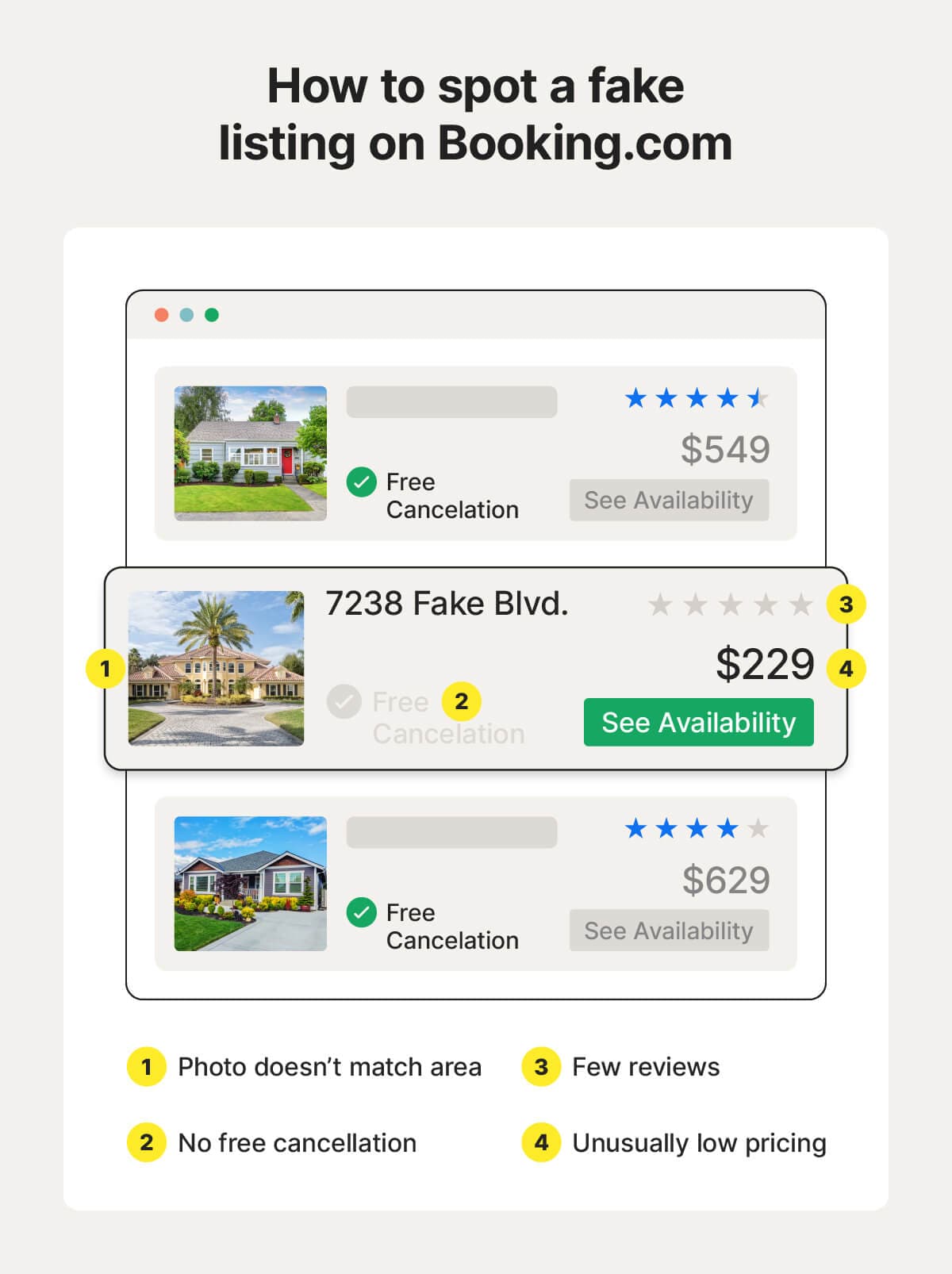
Furthermore, if you need to cancel a “non-refundable” booking in a place like Rome, Hotels.com must adhere to the hotel’s specific policy. Users often blame the platform for a lack of flexibility that is actually dictated by the property owners in Italy or France.
Comparing Hotels.com with Other Accommodation Options
To truly understand the value of Hotels.com, it is helpful to compare it to direct booking and other popular alternatives in the Accommodation market.
Hotels.com vs. Direct Booking
Directly booking through a hotel chain, such as Hyatt or InterContinental Hotels Group, often guarantees the best customer service and specific room requests. Hotels generally prefer direct bookings because they don’t have to pay a commission to the OTA.
However, Hotels.com wins on variety. If you are exploring the Grand Canyon in the United States, there may not be a major brand-name hotel within miles. Hotels.com allows you to compare small motels, lodges, and bed-and-breakfasts side-by-side, which direct booking cannot offer.
Market Alternatives like Booking.com and Airbnb
In the world of Accommodation, Booking.com is the closest rival to Hotels.com. Booking.com often has a larger inventory of apartments and homes in Europe, whereas Hotels.com remains very strong in the traditional hotel sector in North America.
On the other hand, Airbnb provides a different niche—homestays and unique local experiences. If you want to stay in a treehouse in Costa Rica, Airbnb is your go-to. But if you want the predictable luxury of a property like The Bellagio in Las Vegas, Hotels.com provides a more standardized and often more reliable booking process for traditional Accommodation.
Best Practices for a Secure Booking Experience
To ensure that your experience with Hotels.com remains positive, there are several steps you should take as a savvy consumer. Legitimacy is a two-way street; the platform provides the tools, but the traveler must use them wisely.
Verifying Property Details and Reviews
Before hitting the “book” button for a stay near the Eiffel Tower, always read the recent reviews. Hotels.com verifies reviews by ensuring they come from guests who actually stayed at the property. Look for comments regarding cleanliness, Wi-Fi reliability, and the check-in process.
Additionally, cross-reference the location on a map. A hotel listed as “near” the Colosseum in Rome might actually be a 30-minute train ride away. Checking the exact address ensures that the Accommodation meets your geographic expectations.
Managing Cancellations and Customer Service
One of the best ways to ensure a “legit” experience is to opt for “Free Cancellation” rates. While these are often slightly more expensive than non-refundable rates, they provide peace of mind if your travel plans to Sydney or Barcelona change unexpectedly.
Furthermore, once you receive your confirmation email from Hotels.com, it is a professional best practice to send a brief email to the hotel directly. A simple note like, “I have a reservation via Hotels.com for July 15th under the name John Doe; could you please confirm you have this in your system?” can prevent any check-in day surprises. This is particularly useful when traveling to distant locations like Bali or Cape Town, where communication might be slower.
In conclusion, Hotels.com is a highly legitimate and reliable pillar of the global Accommodation industry. By leveraging the power of the Expedia Group, offering a robust rewards program, and providing a massive selection of stays from London to Tokyo, it remains a top choice for millions. As long as travelers remain diligent by reading reviews, confirming with hotels directly, and understanding the cancellation policies, Hotels.com is an excellent tool for navigating the vast world of international travel. Whether you are seeking a luxury suite at the Four Seasons Hotels and Resorts or a budget-friendly room in Bangkok, this platform provides a secure gateway to your next adventure.
LifeOutOfTheBox is a participant in the Amazon Services LLC Associates Program, an affiliate advertising program designed to provide a means for sites to earn advertising fees by advertising and linking to Amazon.com. Amazon, the Amazon logo, AmazonSupply, and the AmazonSupply logo are trademarks of Amazon.com, Inc. or its affiliates. As an Amazon Associate we earn affiliate commissions from qualifying purchases.