
The question “Where is MoMA New York?” is a common one, and for good reason. The Museum of Modern Art (often abbreviated as MoMA) is a cornerstone of the global art scene and a must-visit destination for anyone exploring the vibrant landscape of New York City. Nestled in the heart of Midtown Manhattan, MoMA stands as a beacon of artistic innovation, housing an unparalleled collection of modern and contemporary art. This article will guide you through its location, delve into what makes it such a significant landmark, and offer insights for planning your visit, ensuring you make the most of this iconic cultural institution.

The Heart of Midtown: MoMA’s Prime Location
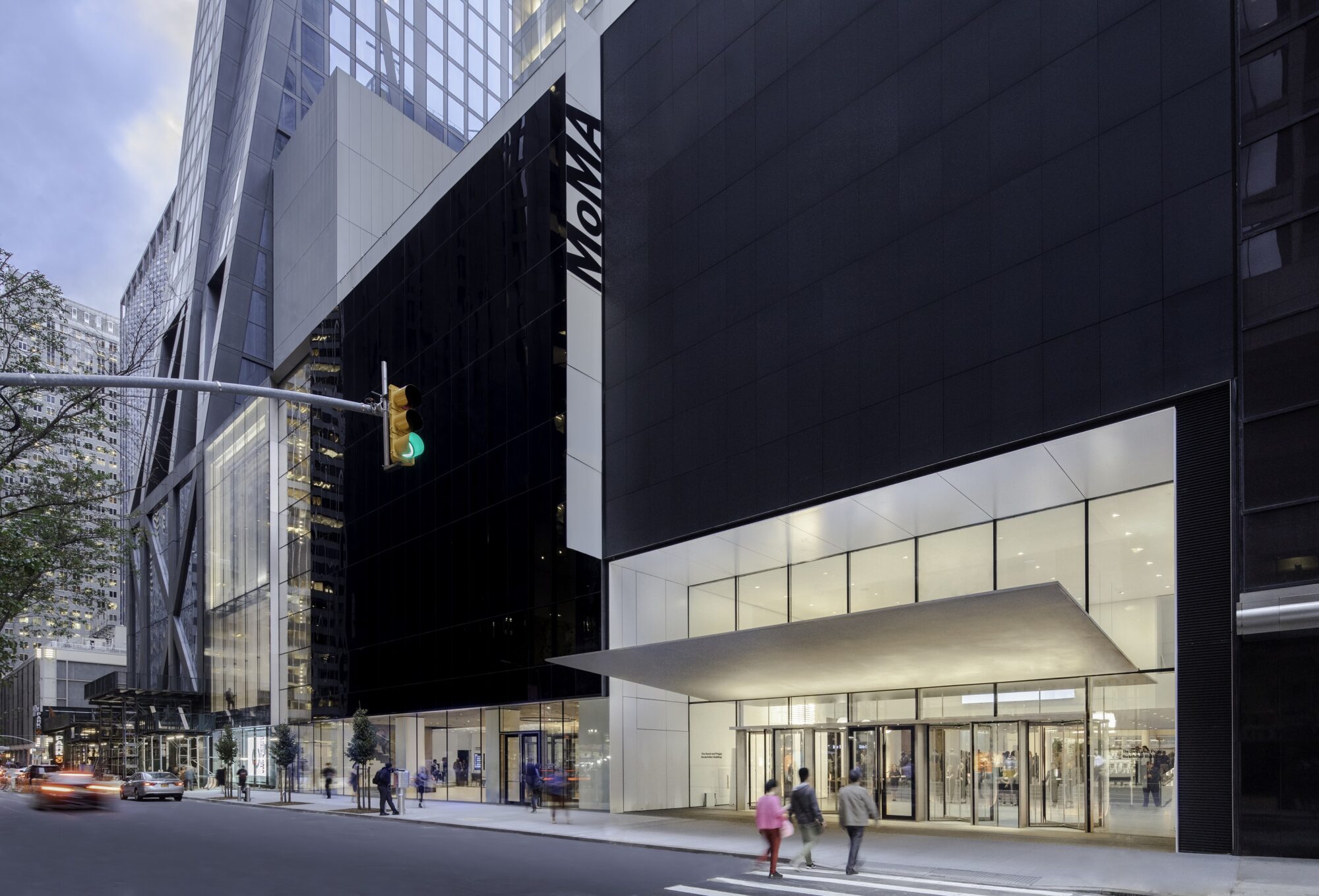
MoMA is strategically situated in one of New York City’s most dynamic and accessible neighborhoods. Its address at 11 West 53rd Street, between Fifth Avenue and Sixth Avenue, places it amidst the bustling energy of Midtown Manhattan. This prime location means it’s easily reachable by public transportation, surrounded by a wealth of other attractions, hotels, and dining options, making it an integral part of any visitor’s itinerary.
Navigating to MoMA
Getting to MoMA is straightforward, thanks to New York City’s extensive public transit system.
Subway Access
The most convenient way to reach MoMA is by subway. Several lines stop within walking distance of the museum:
- E and M trains: These stop at the 5th Avenue/53rd Street station, which is just a block away from MoMA.
- B, D, and F trains: These stop at the 47th-50th Streets-Rockefeller Center station, a slightly longer but still manageable walk of about 5-7 minutes.
- N, Q, R, and W trains: These stop at the 49th Street station, also a short walk away.
When planning your subway journey, it’s always a good idea to use a real-time transit app or the Metropolitan Transportation Authority (MTA) website for the most up-to-date service information.
Bus Routes
Numerous bus lines also serve the area around MoMA. Buses such as the M1, M2, M3, M4, M5, M55, M57, M66, M7, M104, and Q32 all have stops within a few blocks of the museum.
Walking and Taxis
For those already in Midtown Manhattan, walking to MoMA is a pleasant experience, allowing you to soak in the city’s atmosphere. Taxis and ride-sharing services are also readily available throughout New York City, providing a direct route to the museum’s entrance.
The Surrounding Neighborhood
The location of MoMA places it in close proximity to many other iconic New York City attractions, making it easy to combine a visit to the museum with other sightseeing activities. Just a short walk away, you’ll find:
- Rockefeller Center: Home to the iconic Radio City Music Hall and the famous Christmas tree during the holiday season.
- Fifth Avenue: Renowned for its luxury shopping, iconic department stores like Saks Fifth Avenue, and architectural marvels.
- St. Patrick’s Cathedral: A stunning neo-Gothic masterpiece that offers a serene escape from the city’s hustle and bustle.
- Times Square: The dazzling crossroads of the world, famous for its bright lights, theaters, and vibrant energy.
This central positioning makes MoMA an ideal starting point or a key destination within a broader New York City adventure.
Exploring the Collections: What Makes MoMA a Landmark
MoMA is not just a building; it’s a repository of human creativity, a space that chronicles the evolution of art from the late 19th century to the present day. Its significance as a landmark stems from its comprehensive and influential collection, its commitment to contemporary art, and its role in shaping public understanding and appreciation of modern art.
A Rich and Diverse Collection
The museum’s collection is vast, spanning painting, sculpture, drawing, prints, photography, architecture, design, film, and new media. It boasts some of the most iconic works of art ever created. Visitors can stand before masterpieces that have shaped art history and continue to inspire artists and audiences worldwide.
Some of the most celebrated pieces include:
- Vincent van Gogh’s The Starry Night
- Pablo Picasso’s Les Demoiselles d’Avignon
- Salvador Dalí’s The Persistence of Memory
- Andy Warhol’s Campbell’s Soup Cans
- Claude Monet’s Water Lilies series
- Henri Matisse’s The Dance
- Jackson Pollock’s One: Number 31, 1950

Beyond these well-known works, MoMA offers a deep dive into various movements and periods, from Impressionism and Post-Impressionism to Cubism, Surrealism, Abstract Expressionism, Pop Art, and beyond. The constantly rotating exhibitions also ensure that there is always something new and exciting to discover, whether you are a seasoned art enthusiast or a first-time visitor.
Architecture and Design
MoMA itself is an architectural marvel. The current building, designed by Taniguchi and Associates, opened in 2004 and was a significant expansion that redefined the museum’s presence in Midtown Manhattan. Its sleek lines, spacious galleries, and intelligent use of light create an environment that enhances the viewing experience. The inclusion of the [Abby Aldrich Rockefeller Sculpture Garden](https://lifeoutvilleofthebox.com/abby- Aldrich-rockefeller-sculpture-garden) provides a tranquil outdoor space for viewing sculptures, offering a refreshing contrast to the indoor galleries.
The museum’s commitment to design is also evident in its holdings. MoMA has one of the most important collections of design objects in the world, featuring everything from furniture and lighting to industrial design and graphic design. This section highlights how design has influenced and shaped modern life.
Film and Media
MoMA is also a leading institution for film and media. Its film department, established in 1935, preserves and screens an extensive range of cinematic works, from silent films to contemporary independent features and documentaries. Visitors can experience classic cinema and explore new forms of moving image art in dedicated screening rooms.
Planning Your Visit to MoMA
A visit to MoMA is a journey through modern and contemporary art that can be tailored to your interests and available time. Careful planning can enhance your experience, ensuring you see the highlights and discover hidden gems.
Ticketing and Admission
Tickets for MoMA can be purchased online in advance, which is highly recommended to save time and guarantee entry, especially during peak seasons or special exhibitions. General admission covers access to the permanent collection and most special exhibitions. It’s also worth checking the museum’s website for any potential discounts or free admission days, though these are less common for major institutions like MoMA.
The museum offers various admission options, including memberships that can provide benefits like unlimited free admission, access to members-only events, and discounts at the museum store and restaurants. For those planning multiple visits to New York City’s cultural attractions, a CityPASS or similar tourism pass might also include admission to MoMA and other significant landmarks.
Visiting Hours and Best Times to Go
MoMA typically has extended hours, often staying open until 7:00 PM or later on certain days, allowing for evening visits. It’s crucial to check the official MoMA website for the most current operating hours, as these can change due to holidays or special events.
To avoid the largest crowds, consider visiting on weekdays, particularly in the late morning or early afternoon. Weekends and evenings can be busier. If your schedule allows, visiting during off-peak tourist seasons in New York City (generally January to March, and September to November, excluding holidays) might offer a more serene experience.
Making the Most of Your Visit
With its vast collection, a strategic approach can help you maximize your time at MoMA.
- Prioritize: Before your visit, browse the museum’s website and identify the galleries or artworks that most interest you. This will help you create a mental map or a physical itinerary.
- Guided Tours and Audio Guides: MoMA offers guided tours led by knowledgeable docents, which can provide deeper insights into the collection. Audio guides are also available, offering narrated information on select artworks.
- Don’t Rush: While it’s tempting to see everything, allow yourself time to truly engage with the art. Sometimes, the most profound experiences come from lingering with a single piece or in a particular gallery.
- Explore Beyond the Main Galleries: Remember to visit the [Abby Aldrich Rockefeller Sculpture Garden](https://lifeoutvilleofthebox.com/abby- Aldrich-rockefeller-sculpture-garden) for a breath of fresh air and outdoor art, and check the schedule for film screenings and special programs.
- Museum Store and Dining: The MoMA Design Store offers unique gifts and art-related items, a great place to find a souvenir. The museum also has dining options, from casual cafes to more formal restaurants, allowing you to refuel without leaving the premises.
Accommodation and Nearby Amenities
Given its central location in Midtown Manhattan, MoMA is surrounded by a wide array of accommodation options.
Hotels
From luxury hotels to more budget-friendly options, Midtown Manhattan caters to every traveler’s needs. Hotels like the The Museum of Modern Art (which shares its name but is a separate hotel), The Langham, New York, Fifth Avenue, and the Kimpton Muse Hotel are located within easy walking distance, offering convenience for art lovers. Many other major hotel chains also have properties in the vicinity. When booking your stay, consider proximity to subway lines and other attractions you plan to visit.
Dining and Entertainment
The area around MoMA is a culinary hotspot, offering diverse dining experiences. You can find everything from quick bites and international cuisine to fine dining establishments. The proximity to the Theater District also makes it an ideal location for pre- or post-theater meals.
By understanding its location, appreciating its vast collections, and planning your visit thoughtfully, a trip to MoMA New York promises to be an enriching and unforgettable experience in the heart of New York City.
LifeOutOfTheBox is a participant in the Amazon Services LLC Associates Program, an affiliate advertising program designed to provide a means for sites to earn advertising fees by advertising and linking to Amazon.com. Amazon, the Amazon logo, AmazonSupply, and the AmazonSupply logo are trademarks of Amazon.com, Inc. or its affiliates. As an Amazon Associate we earn affiliate commissions from qualifying purchases.