
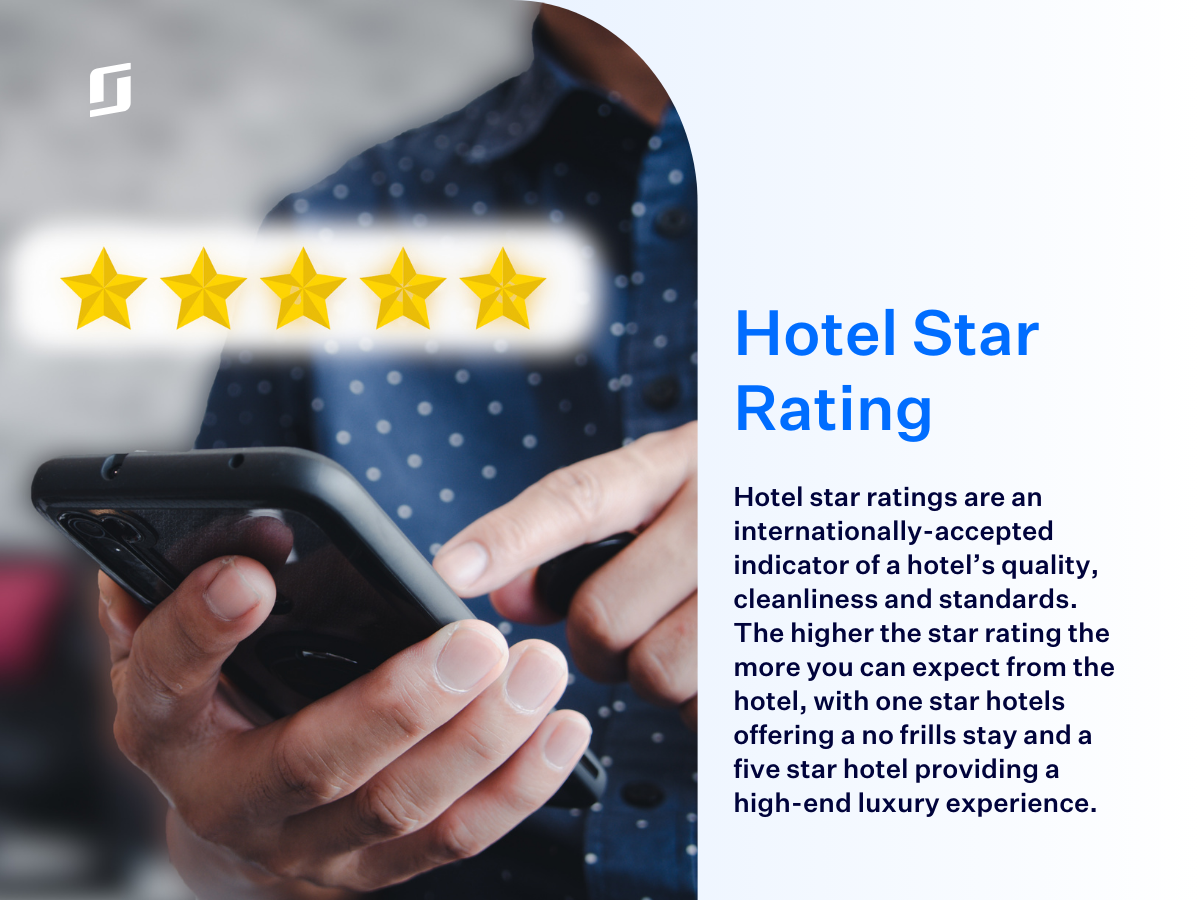
When planning a journey, whether for business or leisure, the hotel star rating system often serves as the primary compass for travelers. We look at those small gold symbols as a universal shorthand for quality, luxury, and service. However, the truth behind these ratings is far more complex than a simple scale of one to five. Unlike many other global industries, there is no single international organization that regulates hotel stars. Instead, a patchwork of government agencies, independent organizations, and travel websites determine what constitutes a “star-rated” experience. Understanding what these stars mean is essential for any guest looking to match their expectations with reality.

The Evolution and Diversity of Hotel Rating Systems
The concept of rating accommodations began as a way to provide consumer protection and standardized expectations. In the early 20th century, as travel became more accessible, guests needed a way to know if a property in Paris would offer the same basic comforts as one in London. Today, the criteria have evolved from basic hygiene to the inclusion of high-speed Wi-Fi, fine dining, and personalized concierge services.
Independent Critics vs. Government Agencies
In many parts of Europe, particularly in France and Spain, the government plays a significant role in determining hotel stars. These systems are often rigid and based on physical requirements, such as the square footage of the lobby or the number of elevators. Conversely, in the United States, ratings are typically handled by private organizations.
The Forbes Travel Guide is perhaps the most prestigious independent rater in the world, known for its anonymous professional inspectors who evaluate hotels against up to 900 rigorous standards. Similarly, the AAA uses a “Diamond” rating system that is highly respected across North America. Because these organizations are private, a hotel in New York City might hold a four-star rating from one organization but only three from another, leading to the confusion many travelers face today.
The Role of HOTREC and European Standardization
To combat the fragmentation of ratings in the European Union, an umbrella organization called HOTREC established the Hotelstars Union. This initiative seeks to harmonize criteria across countries like Germany, Austria, and Sweden. By creating a common catalog of requirements, they ensure that a four-star hotel in Berlin provides a comparable experience to one in Vienna.
Decoding the Star Levels: From One to Five
To navigate the world of hospitality, one must understand the general expectations associated with each star tier. While specific amenities vary, the following categories provide a reliable blueprint for what guests can expect when booking their stay.
One and Two-Star Hotels: The Essentials
A one-star rating does not necessarily mean a “bad” hotel; rather, it indicates a property that offers “no-frills” accommodation. These hotels focus on providing a clean place to sleep and a functional bathroom. You are unlikely to find a restaurant on-site or a 24-hour reception desk.
Two-star hotels, often represented by chains like Ibis or Days Inn, offer a slight step up. They usually provide basic amenities such as a television, a telephone, and perhaps a continental breakfast. These properties are ideal for budget-conscious travelers who plan to spend most of their time exploring the city and only need the hotel as a home base.
Three-Star Hotels: The Mid-Range Sweet Spot
Three-star hotels represent the largest segment of the market. These properties balance cost and comfort, catering to both business travelers and families. In a three-star establishment, guests can expect more spacious rooms, higher-quality linens, and additional furniture like a desk or a comfortable chair.
Standard features often include an on-site restaurant serving breakfast and dinner, a fitness center, and perhaps a swimming pool. Notable brands in this category include Courtyard by Marriott and Hilton Garden Inn. In cities like Chicago or Tokyo, these hotels provide a reliable, professional environment without the premium price tag of luxury suites.
Four-Star Hotels: The Upscale Experience
Four-star hotels are defined by their attention to detail and enhanced service levels. This is where the “luxury” experience begins. Guests are greeted by bellhops and valets, and the lobby is often a grand architectural statement. Rooms are elegantly designed, featuring premium bath products, high-end electronics, and 24-hour room service.
Common amenities include multiple dining options, a full-service spa, and extensive meeting facilities. Many hotels under the Marriott or Hyatt banners fall into this category. Whether you are staying at a boutique property in Rome or a large-scale resort in Las Vegas like the MGM Grand, a four-star rating guarantees a high level of sophistication.

Five-Star Hotels: The Pinnacle of Luxury
A five-star rating is reserved for the elite. These hotels provide a flawless, personalized experience where the staff anticipates the guest’s every need. The ratio of staff to guests is high, ensuring that service is prompt and attentive.
In a five-star hotel, such as the Ritz-Carlton or the Four Seasons, the amenities are world-class. You might find a Michelin Guide rated restaurant on the premises, a personal butler service, and bathrobes made of the finest Egyptian cotton. These properties are often landmarks themselves, such as The Savoy in London or The Plaza Hotel in New York City.
Key Amenities and Criteria Behind the Ratings
What separates a four-star from a five-star hotel is often found in the nuances of service and the quality of physical facilities. While a four-star hotel might have a great gym, a five-star hotel will have a gym with personal trainers and chilled eucalyptus towels.
Service Standards and Professionalism
The “human element” is the most significant factor in high-end ratings. Professional organizations look for how quickly a phone is answered, the speed of check-in, and whether the staff uses the guest’s name. In the most prestigious hotels in Hong Kong or Singapore, the service is invisible yet omnipresent. A true five-star experience means that the room is turned down perfectly, and the concierge can secure a table at the most exclusive restaurant in the city at a moment’s notice.
Physical Facilities and Technology
In the modern era, technology has become a critical benchmark. High-star hotels are expected to offer seamless integration of technology, from smart room controls (lighting, temperature, and curtains) to high-speed fiber-optic internet.
Furthermore, the quality of “hard goods”—the furniture, flooring, and bathroom fixtures—is scrutinized. A five-star resort in the Maldives or a villa in Tuscany is expected to use authentic materials like marble, solid wood, and original artwork, rather than mass-produced replicas.
The Myth of the Six and Seven-Star Hotels
As the luxury market continues to expand, some hotels have claimed “six-star” or even “seven-star” status to differentiate themselves. It is important to note that no official, globally recognized body awards stars above five. These titles are almost always marketing terms used to highlight an unprecedented level of opulence.
Iconic Examples: Burj Al Arab and Beyond
The Burj Al Arab in Dubai is perhaps the most famous hotel associated with the seven-star moniker. With its sail-shaped silhouette, gold-leaf interiors, and chauffeur-driven Rolls-Royce fleet, it certainly pushes the boundaries of luxury. However, in official terms, it remains a five-star deluxe property.
Similarly, the Town House Galleria in Milan once claimed a seven-star certificate from a private inspection company, but this is an exception rather than the rule. For the discerning traveler, anything beyond five stars should be viewed as a promise of extreme extravagance rather than a standardized metric.
Marketing vs. Official Ratings
In the age of social media and online booking platforms like Expedia or Booking.com, “user ratings” often get confused with official stars. A hotel might have a “5-star user rating” based on customer reviews, even if it is officially a three-star property. When researching a stay in Italy or Thailand, it is vital to distinguish between a property’s official classification and its popularity among recent guests.
Conclusion: How to Use Stars to Your Advantage
While the star system is not perfect, it remains a vital tool for narrowing down your options in the vast world of hospitality. When booking your next trip to Australia or a weekend getaway in Miami, remember that stars measure the presence of facilities and the consistency of service, but they don’t always capture the “soul” of a hotel.
To make the best decision, combine the official star rating with recent guest reviews and professional photographs. A three-star boutique hotel in Prague might offer more charm and a better location than a four-star corporate hotel on the outskirts of the city. By understanding the criteria used by organizations like Forbes Travel Guide and the government standards of countries like Portugal or Greece, you can travel with confidence, knowing exactly what to expect when you walk through those lobby doors.
LifeOutOfTheBox is a participant in the Amazon Services LLC Associates Program, an affiliate advertising program designed to provide a means for sites to earn advertising fees by advertising and linking to Amazon.com. Amazon, the Amazon logo, AmazonSupply, and the AmazonSupply logo are trademarks of Amazon.com, Inc. or its affiliates. As an Amazon Associate we earn affiliate commissions from qualifying purchases.