
The allure of Hawaii is undeniable – a mosaic of pristine beaches, volcanic landscapes, and vibrant Polynesian culture. For many residing on the East Coast of the United States, particularly in the bustling metropolis of New York, the dream of this Pacific paradise often comes with a significant question: “How long is the flight?” The vast expanse separating these two iconic locations makes for one of the longest domestic flights, requiring careful planning and an understanding of what to expect. This comprehensive guide delves into the realities of flying from New York to Hawaii, covering everything from direct flight durations to the nuances of connecting journeys and essential tips for a comfortable long-haul experience.
The Direct Flight Experience: Non-Stop from New York to Hawaii
For travelers prioritizing efficiency and minimizing travel time, non-stop flights present the most straightforward path from the East Coast to the Hawaiian Islands. While not as numerous as connecting flights, direct services offer a seamless journey that transports you directly into the heart of paradise.
Typical Flight Durations: East Coast Gateways to Hawaiian Islands
When flying non-stop from New York, your departure will typically be from either John F. Kennedy International Airport (JFK) or Newark Liberty International Airport (EWR). The destination in Hawaii largely dictates the final leg of your journey, with Daniel K. Inouye International Airport (HNL) in Honolulu (Oahu) being the most common arrival point. However, direct flights to other major islands like Maui (Kahului Airport – OGG) and the Big Island (Kona International Airport – KOA) are also available seasonally or from specific carriers.
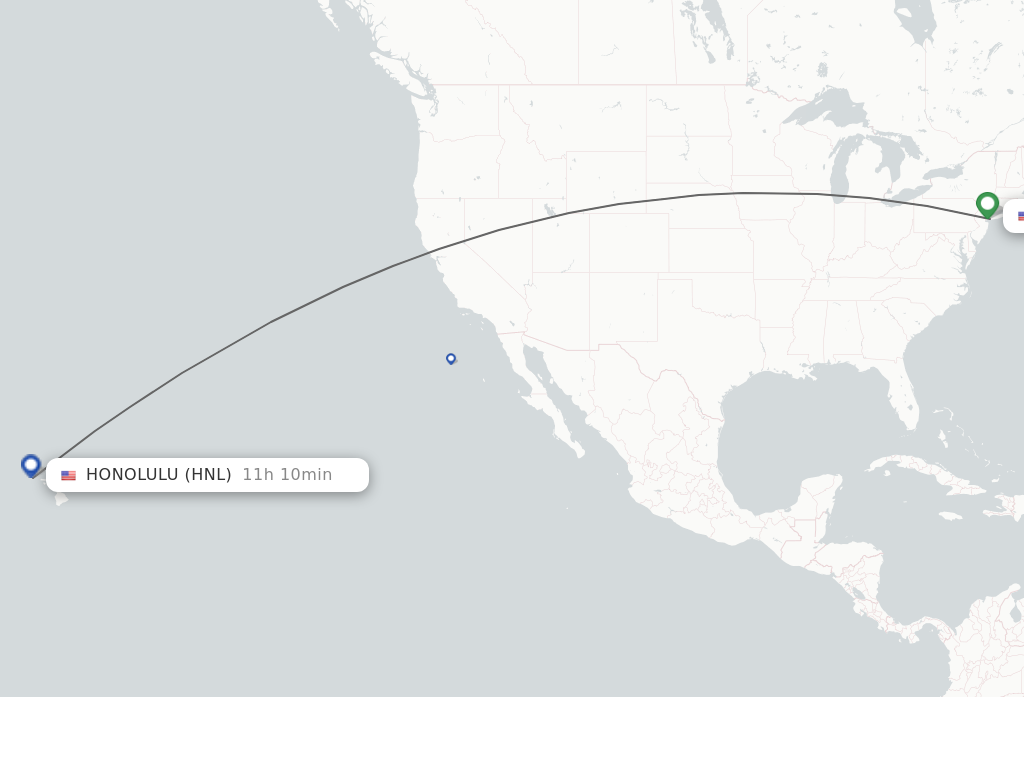
- New York (JFK/EWR) to Honolulu (HNL), Oahu: This is the most common direct route. The flight duration typically ranges from 10 hours and 30 minutes to 11 hours and 30 minutes. Factors like specific flight path, wind conditions (especially the jet stream), and air traffic control can cause slight variations. Flights traveling west often take longer due to flying against prevailing winds, while eastbound return flights can be slightly shorter.
- New York (JFK/EWR) to Kahului (OGG), Maui: Direct flights to Maui are less frequent than to Oahu but do exist. These flights usually clock in around 11 hours to 12 hours.
- New York (JFK/EWR) to Kona (KOA), Big Island: Direct services to Kona are typically the longest non-stop options, often lasting 11 hours and 30 minutes to 12 hours and 30 minutes.
These long-haul flights demand a certain level of preparedness from passengers, given the duration spent airborne.
Major Airlines Offering Non-Stop Routes
Several prominent airlines operate direct services from the New York metropolitan area to Hawaii. The availability can fluctuate based on season and airline strategy, but typically you’ll find:
- United Airlines: Often operates non-stop flights from Newark Liberty International Airport (EWR) to Honolulu (HNL) and sometimes to Maui (OGG).
- Hawaiian Airlines: As Hawaii’s flag carrier, Hawaiian Airlines is a primary operator of direct flights from John F. Kennedy International Airport (JFK) to Honolulu (HNL). They are renowned for beginning the “Hawaiian experience” onboard.
- Delta Air Lines: May also offer seasonal or year-round direct flights from JFK to HNL.
When booking, it’s advisable to check these airlines directly for the most current schedules and availability of non-stop options.
What to Expect Onboard
A flight lasting over 10 hours requires careful consideration for passenger comfort. Airlines operating these routes typically utilize wide-body aircraft like the Boeing 767, Boeing 777, Boeing 787 Dreamliner, or Airbus A330, which offer more space and amenities compared to narrow-body jets.
- In-Flight Entertainment: Expect a robust selection of movies, TV shows, music, and games on individual seat-back screens. This is crucial for passing the time.
- Meals and Refreshments: Multiple meal services (dinner, breakfast, or snack services, depending on flight time) are typically provided in economy class, along with complimentary non-alcoholic beverages. Premium cabins offer enhanced dining experiences.
- Comfort: While airlines strive for comfort, it’s still a long flight. Bring a good neck pillow, eye mask, and noise-canceling headphones. Dress in layers, as cabin temperatures can fluctuate. Regular stretching and walking the aisle (when safe) are highly recommended.
Navigating Connecting Flights: When Direct Isn’t an Option
For many travelers, a direct flight isn’t always the most economical or convenient choice. Connecting flights are more prevalent and often offer greater flexibility in terms of departure times and pricing. However, they significantly extend the total travel time.
Common Layover Hubs
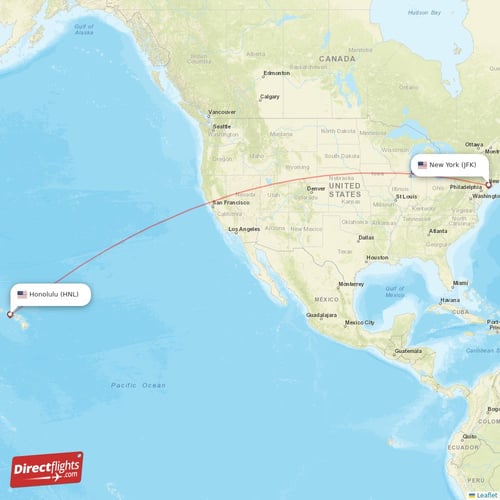
The vast majority of connecting flights from New York to Hawaii will involve a stop on the West Coast of the United States. These major hubs serve as critical gateways to the Pacific:
- Los Angeles International Airport (LAX): One of the busiest airports globally and a primary gateway to Hawaii.
- San Francisco International Airport (SFO): Another major hub with frequent flights to the Hawaiian Islands.
- Seattle-Tacoma International Airport (SEA): A popular choice for those traveling with Alaska Airlines or seeking a slightly northern route.
- Phoenix Sky Harbor International Airport (PHX): While less common, Phoenix can also serve as a connecting point.
- Denver International Airport (DEN): Sometimes an option, especially with United Airlines, though it adds a slightly longer initial leg.
Impact on Total Travel Time
A connecting flight journey from New York to Hawaii can vary dramatically in total duration, primarily depending on the length of your layover.
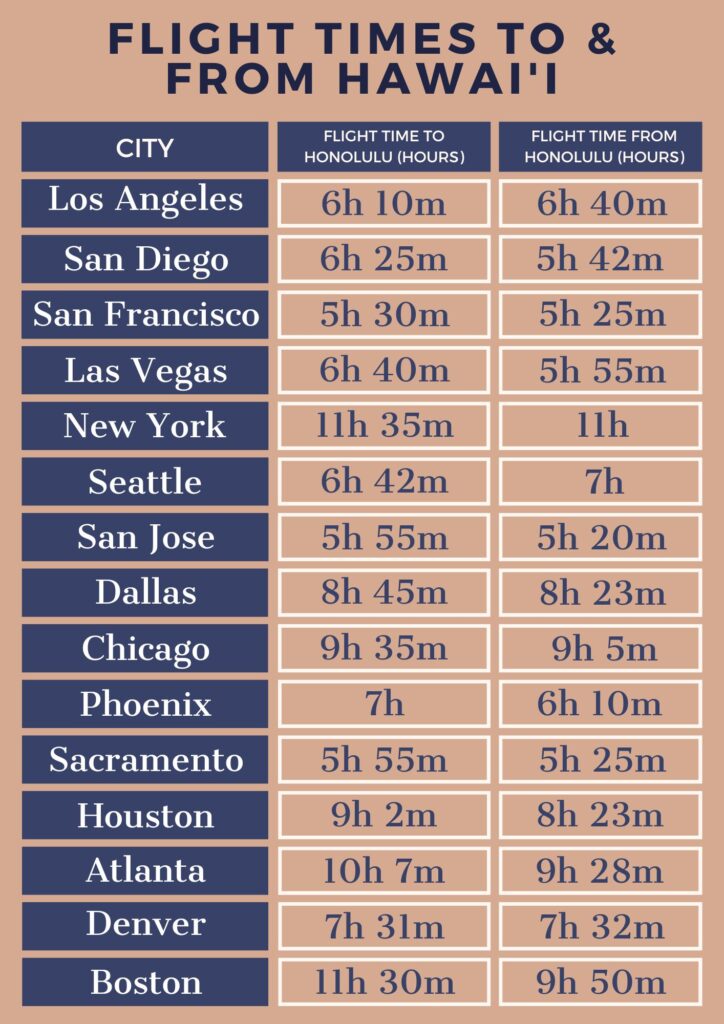
- New York to West Coast Hub: This first leg typically takes 5.5 to 7 hours.
- West Coast Hub to Hawaii: The second leg from hubs like LAX or SFO to Honolulu (HNL) usually takes 5 to 6 hours. Flights to Maui (OGG) or Kona (KOA) are similar or slightly longer.
- Layover Duration: This is the variable component. A short, efficient layover might be 1.5 to 2 hours, while longer ones can extend to 4, 6, or even 8+ hours.
- Total Travel Time: Combining these, a connecting flight journey typically spans 12 to 18 hours or more, from initial take-off in New York to final arrival in Hawaii. For peace of mind and to account for potential delays, aim for at least a 2-hour layover, especially if changing airlines or terminals.
Advantages and Disadvantages
Choosing between a direct and connecting flight involves weighing several factors:
- Advantages of Connecting Flights:
- Often Cheaper: Connecting flights tend to be more budget-friendly than non-stop options.
- More Availability: Greater selection of departure times and airlines.
- Breaks Up the Journey: Some travelers prefer to break up the long flight with a stop, allowing for stretching, a proper meal, or a brief change of scenery.
- Disadvantages of Connecting Flights:
- Significantly Longer Total Travel Time: This is the primary drawback.
- Increased Risk of Delays/Missed Connections: More variables mean a higher chance of disruption.
- Luggage Transfer: While usually seamless, there’s a slight added risk of mishandled luggage.
- Added Stress: Rushing through airports for connections can be stressful.
Factors Influencing Flight Duration and Experience
Beyond direct versus connecting, several other elements can subtly, or sometimes dramatically, impact the length and nature of your journey.
Aircraft Type and Speed
The type of aircraft plays a role in overall flight time. Modern wide-body jets, like the Boeing 787 Dreamliner or Airbus A350, are designed for long-haul efficiency and can often maintain higher cruising speeds. While the difference might only be 15-30 minutes on a 10-hour flight, it’s still a factor. Newer aircraft also often provide a more comfortable cabin environment, with better pressurization and humidity levels that help combat fatigue.
Weather Conditions and Air Traffic Control
- Jet Stream: This fast-moving current of air at high altitudes significantly affects transatlantic and transpacific flight times. Flying with the jet stream (eastbound) can shave considerable time off a flight, while flying against it (westbound, as is the case from New York to Hawaii) can add time. Pilots adjust flight paths to maximize benefits or minimize detriments from these winds.
- Turbulence: While not directly affecting duration, severe turbulence can slow down an aircraft as pilots navigate around it.
- Air Traffic Control (ATC) Delays: Congestion at busy airports, especially JFK or EWR in New York, or at destination airports in Hawaii, can lead to ground delays, holding patterns in the air, or rerouting, all of which add to the total travel time.
Time Zones and Jet Lag
The journey from New York to Hawaii involves a significant time zone change, moving from Eastern Standard Time (EST) (or Eastern Daylight Time – EDT) to Hawaii Standard Time (HST).
- Time Difference: Hawaii is 5 hours behind EST in winter and 6 hours behind EDT in summer (since Hawaii does not observe daylight saving). This means an 11-hour flight departing at 9 AM EST would land around 8 PM EST, but it would be 2 PM HST (in winter).
- Jet Lag: Traveling westward typically makes jet lag less severe upon arrival, as your body feels like it’s getting an “extended day.” However, the sheer length of the flight can still cause fatigue. Heading back eastward (from Hawaii to New York) often results in more noticeable jet lag, as you “lose” many hours.
- Mitigation: To minimize jet lag, try to adjust your sleep schedule gradually a few days before departure, stay hydrated, avoid excessive alcohol and caffeine, and expose yourself to natural light upon arrival in Hawaii.
Preparing for Your Long-Haul Journey to Paradise
A lengthy flight to Hawaii from New York requires more than just booking a ticket. Strategic preparation can significantly enhance your comfort and overall travel experience.
Booking Strategies
- When to Book: For the best fares, especially on direct flights, aim to book 3-6 months in advance. Prices tend to fluctuate, so using price alerts can be beneficial.
- Flexibility: If your dates are flexible, consider flying mid-week (Tuesday-Thursday) or during the shoulder seasons (spring or fall) when demand and prices may be lower.
- Direct vs. Connecting: Decide whether the premium for a non-stop flight is worth the saved time and convenience for you. If flying connecting, scrutinize layover times – too short risks missing a connection, too long means excessive airport waiting.
- Consider Premium Economy/Business Class: For such a long flight, upgrading to a premium economy cabin can offer more legroom and recline, while business class provides lie-flat seats for a truly restful journey, albeit at a significant cost.
Essential Packing for the Flight
Your carry-on bag should be strategically packed to ensure comfort and entertainment throughout the journey.
- Comfortable Clothing: Wear loose, breathable layers. The cabin temperature can vary.
- Entertainment: Load up your tablet or phone with movies, e-books, podcasts, or music. Don’t rely solely on the in-flight entertainment system. Bring a portable charger or power bank.
- Headphones: Noise-canceling headphones are a game-changer for blocking out cabin noise and enjoying entertainment.
- Comfort Aids: A good quality neck pillow, eye mask, and earplugs are essential for sleeping or resting.
- Hydration: Bring a reusable water bottle to fill up after security. Cabin air is very dry.
- Snacks: While meals are provided, having your favorite snacks can be a lifesaver, especially if you have dietary restrictions or preferences.
- Personal Care Items: Toothbrush, small tube of toothpaste, face wipes, hand sanitizer, and lip balm can help you feel refreshed.
- Medication: Keep any essential medications in your carry-on.
Onboard Comfort and Wellness Tips
Making the most of your long flight involves proactive measures to maintain comfort and well-being.
- Hydrate, Hydrate, Hydrate: Drink plenty of water throughout the flight. Avoid excessive alcohol and caffeine, which can dehydrate you.
- Move Around: Get up and walk the aisle every 1-2 hours to promote circulation and prevent stiffness. Do simple stretches in your seat.
- Compression Socks: Consider wearing compression socks to reduce the risk of deep vein thrombosis (DVT) and minimize swelling in your legs and feet.
- Adjust to New Time: As soon as you board, try to set your watch to Hawaii Standard Time (HST) and start adjusting your activities accordingly.
- Sleep Smart: If it’s nighttime in Hawaii when you’re flying, try to sleep. If it’s daytime, try to stay awake and engage with entertainment or activities.
- Moisturize: The dry cabin air can be tough on skin and eyes. Use a good moisturizer and consider eye drops if needed.
The journey from New York to Hawaii is undeniably long, with direct flights averaging 10.5 to 12.5 hours and connecting journeys extending further, often to 12-18+ hours. However, with careful planning, strategic packing, and an understanding of what to expect, this substantial flight becomes a manageable bridge to an unforgettable adventure. The moment you step off the plane into the warm, fragrant air of Hawaii, the hours spent in the air will fade into insignificance, replaced by the immediate embrace of paradise. Embrace the journey, and prepare to be enchanted by the Aloha Spirit.
LifeOutOfTheBox is a participant in the Amazon Services LLC Associates Program, an affiliate advertising program designed to provide a means for sites to earn advertising fees by advertising and linking to Amazon.com. Amazon, the Amazon logo, AmazonSupply, and the AmazonSupply logo are trademarks of Amazon.com, Inc. or its affiliates. As an Amazon Associate we earn affiliate commissions from qualifying purchases.