
When planning a journey to a bustling metropolis like New York City or a historic escape to Rome, the sheer volume of accommodation choices can be overwhelming. Among the various classifications used to help travelers make informed decisions, the star rating system remains the most ubiquitous. While five-star properties represent the pinnacle of luxury and one-star properties offer the barest essentials, the two-star hotel occupies a vital middle ground in the economy sector. Understanding what a two-star hotel means is essential for any traveler looking to balance cost-efficiency with a predictable standard of comfort.
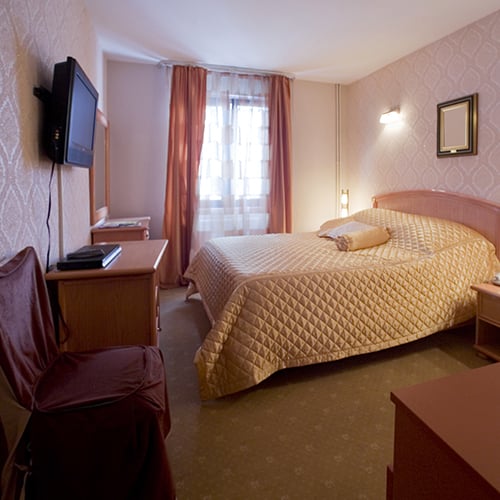
Contrary to common misconceptions, a two-star rating is not a reflection of poor quality or lack of cleanliness. Instead, it is a technical classification that describes a specific level of service and a defined set of amenities. In the global hospitality industry, particularly within the United States and Europe, a two-star hotel is typically defined as an “economy” or “budget” property that provides basic, functional accommodations for travelers who prioritize price and location over onsite leisure facilities.
Defining the Two-Star Standard
To understand the two-star classification, one must look at the objective criteria set by various national and international grading bodies. While there is no single global authority, organizations like Hotrec in the European Union or the AAA Diamond Program provide frameworks that properties must meet. A two-star hotel is fundamentally a “no-frills” establishment that focuses on the core necessities of a night’s stay.
Minimum Amenities and Facilities
In a typical two-star property, you can expect a private bathroom for every room, which is a significant step up from the shared facilities often found in one-star hostels or older pensions in London. The rooms are generally small but functional, containing a bed, a desk or table, and a clothing storage area such as a small closet or a rack. Unlike luxury brands such as Ritz-Carlton, two-star hotels rarely offer extensive in-room technology, though most now provide basic Wi-Fi and a television as a standard expectation.
Housekeeping is another critical component of the two-star definition. Guests can expect daily room cleaning, ensuring a hygienic environment. However, unlike at a Four Seasons, you will likely not find evening turndown service or high-end bathrobes. The focus remains on utility: a clean bed, fresh towels, and a functional shower.
Service Levels and Staffing
The staffing levels at a two-star hotel are streamlined for efficiency. While a five-star hotel might have a concierge, a bellhop, and a valet, a two-star property often combines these roles. The front desk is typically manned 24 hours a day, though in some parts of France or Germany, smaller economy hotels may use automated check-in kiosks after a certain hour.
Dining options are usually limited. Most two-star hotels do not have a full-service restaurant or 24-hour room service. Instead, they might offer a continental breakfast in a communal dining area. In cities like Paris, this often consists of coffee, juice, and pastries. If you are staying at a brand like Ibis Budget, the emphasis is on providing a quick, self-service meal so you can get on with your day of sightseeing.
Comparing Two-Star Hotels to Other Categories
To truly grasp the value proposition of a two-star hotel, it helps to compare it to the categories immediately above and below it. The jump from one star to two, and from two stars to three, represents distinct shifts in the guest experience and the price point.
The Step Up from One Star
One-star hotels are often independently owned and may feel more like a guest house or a hostel. They often lack private bathrooms and may not have a front desk that is staffed around the clock. By moving up to two stars, a traveler is essentially paying for the “standardization” of their stay. Major chains like Motel 6 or Super 8 are prime examples of this. When you book a two-star property in Los Angeles, you have a reasonable expectation that the room layout and cleanliness will mirror a similar property in Chicago.
The Gap to Three Stars
The transition from two to three stars is often where “comfort” begins to take precedence over “utility.” Three-star hotels, such as Holiday Inn Express or Comfort Inn, typically offer larger rooms, better furniture, and often a swimming pool or a small fitness center. While a two-star hotel might be located near a highway or a transit hub like Heathrow Airport, a three-star hotel might have a more central location near attractions like the Colosseum or Times Square. If you require an onsite bar or a more varied breakfast buffet, you are likely looking for a three-star experience rather than a two-star one.

What to Expect from the Physical Property
When you pull up to a two-star hotel, the architecture and exterior are often modest. Many of these properties, especially in North America, are designed as “exterior corridor” buildings where your room door opens directly to the parking lot. This is common with legacy brands like Days Inn.
Room Layout and Furnishings
Inside the room, the decor is usually minimalist and durable. You won’t find original artwork or high-thread-count linens. Instead, the furniture is designed for heavy use and easy cleaning. The flooring might be high-quality laminate or commercial-grade carpet. In modern two-star hotels in Asia, particularly in Tokyo or Singapore, space is maximized through clever engineering, often featuring “pod” styles or compact modular bathrooms.
Technology and Connectivity
Connectivity has become a non-negotiable standard. Even a budget-friendly Red Roof Inn understands that a traveler needs to stay connected. While the Wi-Fi may not be fast enough for high-definition 4K streaming, it is generally sufficient for checking emails and planning your route to the Great Wall of China or the Eiffel Tower. Power outlets are usually placed near the desk, though older properties may have fewer outlets than modern travelers require.
Strategic Reasons to Choose a Two-Star Hotel
Choosing a two-star hotel is often a strategic decision rather than a compromise. For many types of trips, the luxury of a Grand Hyatt or a Marriott resort is simply unnecessary.
The “Bed and Base” Philosophy
If your itinerary in Barcelona involves spending 12 hours a day exploring the Gothic Quarter and eating at local tapas bars, the hotel serves only as a place to sleep and shower. In this scenario, paying for a 24-hour gym or an ornate lobby is a waste of resources. A two-star hotel provides exactly what is needed—a secure, private, and clean home base—allowing you to allocate your budget toward experiences like a tour of Stonehenge or a dinner in Bangkok.
Road Trips and Business Efficiency
For travelers on a long-distance road trip across Australia or the United Kingdom, two-star hotels are the backbone of the journey. Brands like Travelodge or Premier Inn offer reliable quality at a low price point. Similarly, business travelers who are in a city like Sydney for a single night of meetings often find that the efficiency of a two-star hotel—quick check-in, easy parking, and proximity to the highway—outweighs the charms of a boutique hotel.
Navigating Global Rating Variations
It is important to note that a two-star rating can mean different things depending on the country. The World Hotel Rating system varies significantly.
Differences in Europe and North America
In Italy, many two-star hotels are family-run establishments that may be located in beautiful historic buildings but lack elevators or modern air conditioning. In contrast, a two-star hotel in Las Vegas might be a massive building with hundreds of rooms, situated just off the main strip. When booking through sites like Expedia or Hotels.com, it is vital to read guest reviews to understand the local context of the star rating.

Using Brand Recognition
One way to ensure consistency is to stick with established economy brands. A Quality Inn or a Best Western (which often fluctuates between two and three stars) provides a level of corporate oversight that independent hotels may lack. These brands often have loyalty programs, allowing travelers to earn points that can eventually be used for a more luxurious stay at a Hilton or another high-end partner property.
In conclusion, a two-star hotel is the workhorse of the travel industry. It offers a standardized, reliable, and affordable option for those who view the world as their destination and the hotel as merely a comfortable resting point. By stripping away the expensive fluff of higher-rated properties, two-star hotels make travel accessible to a wider demographic, ensuring that whether you are visiting Central Park or the Taj Mahal, you have a safe and clean place to lay your head without breaking the bank.
LifeOutOfTheBox is a participant in the Amazon Services LLC Associates Program, an affiliate advertising program designed to provide a means for sites to earn advertising fees by advertising and linking to Amazon.com. Amazon, the Amazon logo, AmazonSupply, and the AmazonSupply logo are trademarks of Amazon.com, Inc. or its affiliates. As an Amazon Associate we earn affiliate commissions from qualifying purchases.