
To understand the heart of Hawaii, one must look beyond the postcard-perfect beaches and the swaying palm trees. At the core of the 50th state of the United States lies a profound cultural foundation captured in its official state motto: “Ua Mau ke Ea o ka ʻĀina i ka Pono.” Translated as “The life of the land is perpetuated in righteousness,” this phrase is more than just a decorative string of words; it is a philosophy that guides local life, tourism, and the preservation of the islands. For any traveler planning a visit to Honolulu or the neighbor islands, understanding this motto is the first step in practicing respectful and enlightened tourism.
The Historical Genesis: King Kamehameha III and the Restoration of Sovereignty
The state motto of Hawaii has deep roots in a pivotal moment of 19th-century history. Unlike many other states that chose their mottos during legislative sessions, Hawaii adopted a phrase born from a struggle for national survival. This history is essential for visitors who wish to appreciate the resilience of the Hawaiian people.
King Kamehameha III and the Paulet Affair
The phrase was first uttered by King Kamehameha III on July 31, 1843. This was a day of immense celebration known as Lā Hoʻihoʻi Ea (Sovereignty Restoration Day). Earlier that year, a British naval officer named Lord George Paulet had unilaterally seized control of the islands, claiming that British subjects were being treated unfairly. For five months, the flag of Great Britain flew over the kingdom.
The occupation ended when Admiral Richard Darton Thomas arrived to repudiate Paulet’s actions and restore the sovereignty of the Kingdom of Hawaii. During the thanksgiving service following the restoration, the King proclaimed the words that would eventually become the official state motto. For a modern tourist visiting Iolani Palace on Oahu, standing on the grounds where these political dramas unfolded offers a haunting and beautiful connection to the past.
The Motto’s Path to Official Status
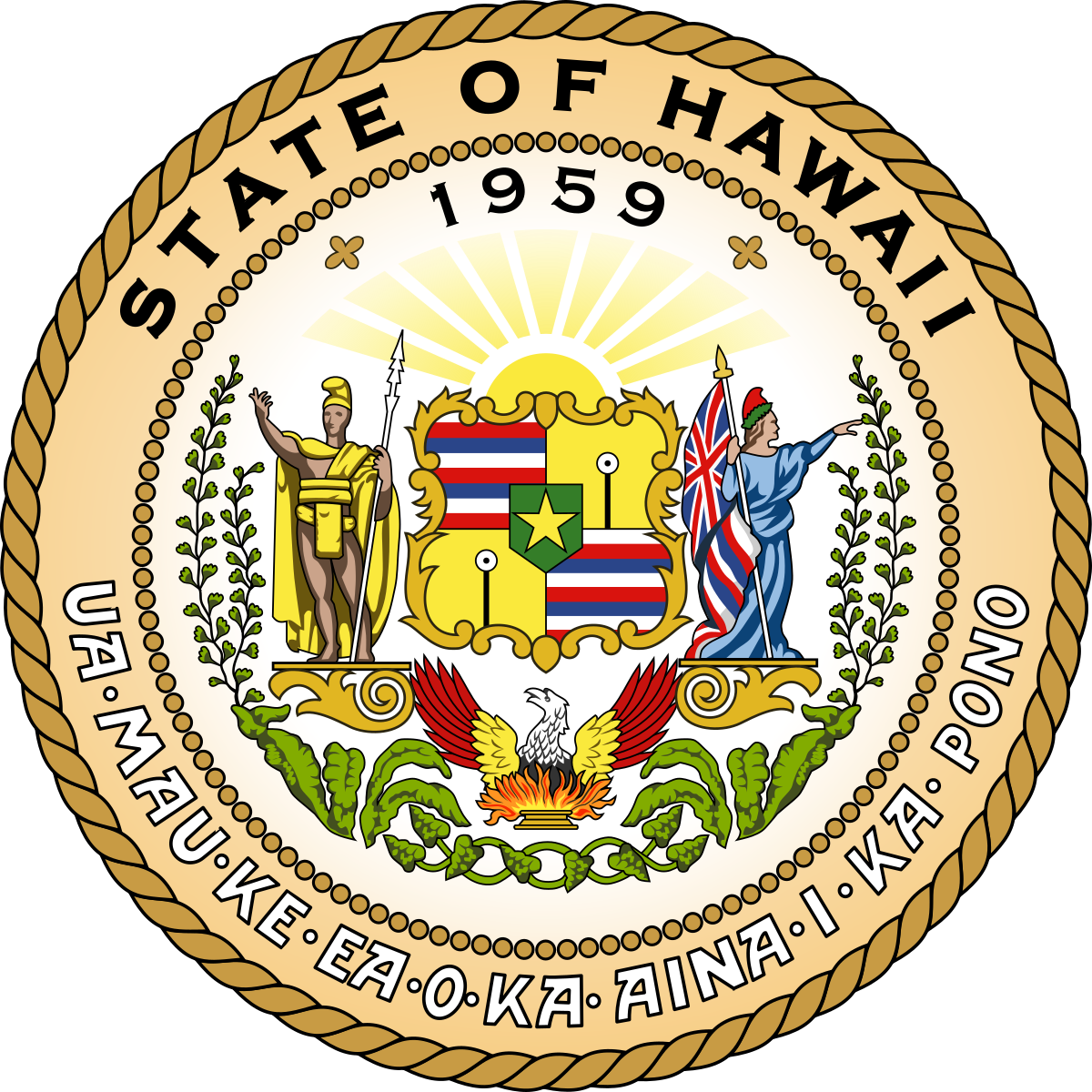
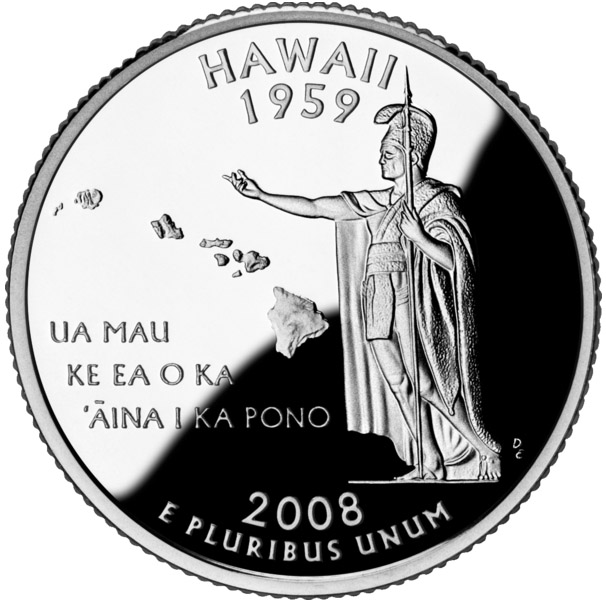
While the phrase was used as the motto of the Kingdom of Hawaii for decades, it was not formally adopted as the state motto until 1959, when Hawaii achieved statehood. Today, you can see the phrase inscribed on the state seal, found on government buildings like the Hawaii State Capitol, and even on the back of the Hawaii state quarter. For tourists, recognizing this phrase is a sign of cultural literacy that is deeply appreciated by the local community.
Deciphering the Language: The Spiritual and Legal Meaning of the Motto
The Hawaiian language, or ʻŌlelo Hawaiʻi, is a poetic and nuanced tongue where words often carry multiple layers of meaning, a concept known as kaona. To truly grasp the motto, a traveler must look into the specific definitions of “Ea” and “Pono.”
The Multi-Faceted Definition of “Ea”
In the context of the motto, “Ea” is often translated as “life,” but its meaning is much broader. It encompasses “sovereignty,” “independence,” and “breath.” When King Kamehameha III spoke of the “Ea” of the land, he was referring to the kingdom’s right to self-govern and its spiritual vitality. For the modern visitor, this translates to a realization that Hawaii is not just a playground but a place with a distinct political and spiritual identity. Understanding this helps tourists move through the islands of Maui or Kauai with a sense of reverence.
The Concept of “Pono” (Righteousness)
“Pono” is perhaps the most important word in Hawaiian social ethics. While it is translated as “righteousness” in the motto, it also means balance, harmony, and doing what is right. In Hawaiian culture, if the people live in a way that is “pono,” the land will thrive. If they do not, the land will suffer.
For someone on a luxury vacation at the Royal Hawaiian Hotel or a budget trip to Hilo, “pono” serves as a guide for behavior. It suggests that tourism should be a reciprocal relationship. Visitors receive the beauty and hospitality of the islands, and in return, they act with “pono” by respecting the environment and the local customs. This philosophy is why you will see such a strong emphasis on “malama ʻāina” (caring for the land) throughout the islands.
Cultural Tourism: How the Motto Shapes the Visitor Experience in Hawaii
Tourism in Hawaii is increasingly moving away from “sun and sand” toward “cultural immersion.” The state motto provides a roadmap for this transition, encouraging travelers to engage with the islands in a more meaningful way.
Respecting the “Aina” (Land)
The motto places the “ʻĀina” (land) at the center of existence. In Hawaii, the land is not a commodity; it is an ancestor. This cultural perspective is why many popular tourist sites, such as Hanauma Bay or Diamond Head, have implemented strict reservation systems and educational briefings.
When you visit Hanauma Bay Nature Preserve, you are required to watch a video about reef conservation. This is a direct application of the state motto—ensuring the “life of the land” continues through the “pono” (righteous) actions of visitors. By following these rules, tourists become part of the motto’s living legacy.
Engaging with Local Traditions and Food
Understanding the motto also enhances the culinary experiences found in Hawaii. The “life of the land” is literally found in the food. Traditional Hawaiian staples like poi (pounded taro root) are considered sacred. When you attend a luau at the Polynesian Cultural Center or visit a local farm in Kula, you are seeing the motto in action.
The farm-to-table movement in Hawaii is a modern expression of “Ua Mau ke Ea o ka ʻĀina i ka Pono.” Chefs in Kailua-Kona or Waikiki who prioritize local ingredients are perpetuating the life of the land. For a tourist, choosing local restaurants over international chains is a simple way to practice “pono” tourism.
Exploring Sacred Sites: Where History and Culture Meet
To see the motto’s influence firsthand, travelers should visit the landmarks that define Hawaii. These sites offer a physical connection to the words of King Kamehameha III.
The Historical Hub of Honolulu
Honolulu is home to several sites where the motto is palpable. The Bishop Museum is the premier place to learn about the linguistic and historical nuances of the phrase. Here, visitors can see artifacts from the monarchy and learn about the Paulet Affair in detail.
Just a short drive away is Pearl Harbor. While many visit to honor the history of World War II, the site also represents the shifting “Ea” (sovereignty) of the islands. Balancing these various layers of history is part of being an insightful traveler. A stop at the Moana Surfrider hotel—the “First Lady of Waikiki”—offers a glimpse into how the early tourism industry grew alongside these cultural shifts.
Natural Landmarks and Spiritual Sites
Beyond the city, the motto resonates in the natural wonders of the islands. The Waimea Canyon on Kauai and the Haleakala National Park on Maui are places where the “life of the land” feels almost tangible. These are not just photo opportunities; they are “wahi pana” (sacred places).
When hiking the North Shore of Oahu or exploring the volcanic landscapes of Hawaii Island, tourists are encouraged to leave no trace. This isn’t just a park rule; it is the embodiment of the state motto. The perpetuation of these landscapes for future generations is the ultimate goal of “pono” living.
Tips for the Conscious Traveler: Living the Motto
Embracing the state motto of Hawaii can transform your trip from a standard vacation into a life-changing experience. Here are a few tips for incorporating this philosophy into your journey:
- Learn the Language: Even learning simple words like “Aloha” (love/peace), “Mahalo” (thank you), and “Pono” (righteousness) shows respect for the local culture.
- Support Local: Whether you are staying at a boutique hotel or shopping at a farmers’ market in Molokai, keeping your money within the local economy supports the “life of the land.”
- Respect Restricted Areas: Many sites on islands like Lanai or Niihau are private or culturally sensitive. Always heed signs and local advice.
- Practice Patience: The “Spirit of Aloha” is often associated with a slower pace of life. Being patient and kind to service workers and locals is a way of maintaining balance and harmony.
By the time you leave the United States’ most unique state, the phrase “Ua Mau ke Ea o ka ʻĀina i ka Pono” should feel like more than just a motto. It should feel like a lesson in how to live. Whether you spent your time surfing at Waikiki or reflecting at the Hawaii State Capitol, the motto reminds us that we are all temporary stewards of the land, and our legacy is defined by the righteousness of our actions.
LifeOutOfTheBox is a participant in the Amazon Services LLC Associates Program, an affiliate advertising program designed to provide a means for sites to earn advertising fees by advertising and linking to Amazon.com. Amazon, the Amazon logo, AmazonSupply, and the AmazonSupply logo are trademarks of Amazon.com, Inc. or its affiliates. As an Amazon Associate we earn affiliate commissions from qualifying purchases.