
Planning a trip to the vibrant Bayou State, perhaps to immerse yourself in the jazz-infused streets of New Orleans or explore the historic plantations along the Mississippi River? For many travelers, understanding local laws, especially concerning substances like cannabis, is a crucial part of responsible and enjoyable tourism. Louisiana offers a unique tapestry of culture, cuisine, and captivating landscapes, but when it comes to the legality of marijuana, the state presents a complex and evolving picture. Unlike some other parts of the United States that have fully embraced recreational cannabis, Louisiana maintains a more conservative stance, although significant changes have been implemented over recent years, particularly in the realm of medical marijuana and decriminalization efforts. This comprehensive guide will help you navigate the nuances of cannabis laws in Louisiana, ensuring you are well-informed before, during, and after your visit.
Navigating Louisiana’s Cannabis Landscape: What Travelers Need to Know
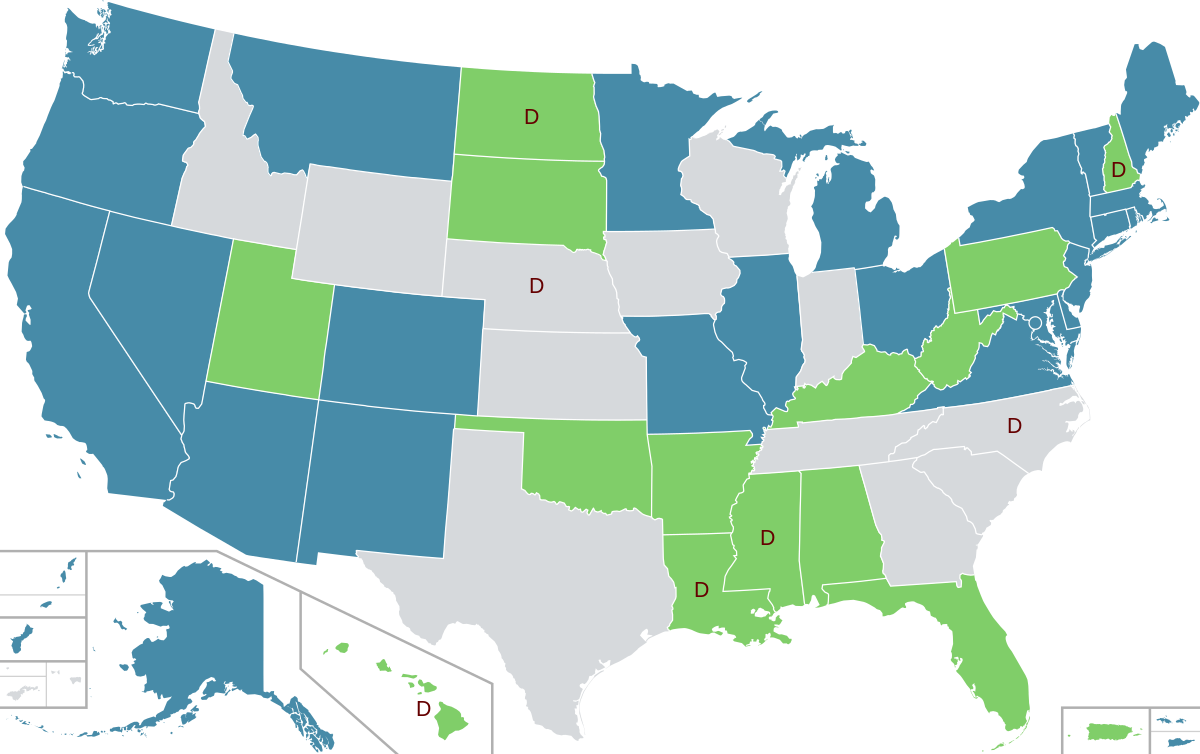
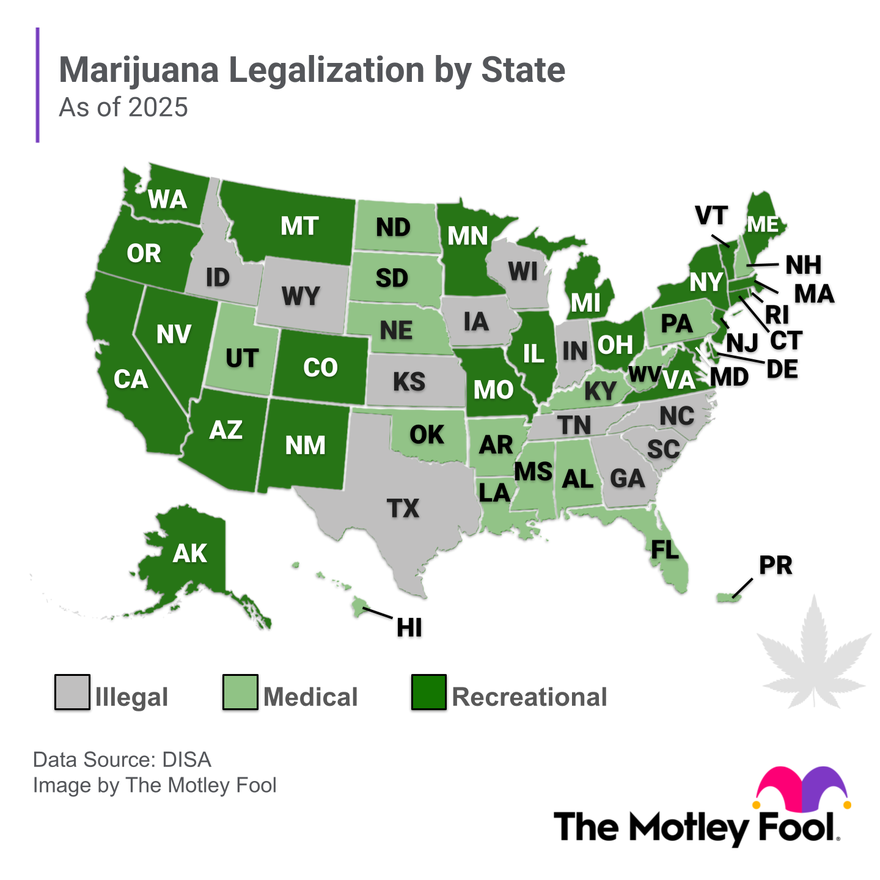
For those traveling to Louisiana, it’s essential to recognize that the state’s approach to cannabis is a blend of traditional prohibition and progressive reforms. While recreational marijuana remains largely illegal at the state level, the growth of a robust Medical Marijuana Program and targeted decriminalization in major cities like New Orleans and Baton Rouge means the situation is far from black and white. Understanding these distinctions is paramount for any visitor, whether you’re seeking to explore the nightlife, delve into historical sites, or simply enjoy the unique local lifestyle. Missteps can lead to serious legal consequences, potentially derailing an otherwise perfect travel experience.
The overarching rule of thumb for tourists is caution and compliance. While the allure of cannabis might be present in some urban areas, especially given the state’s relaxed attitude towards alcohol, it’s critical to remember that state law still governs. This section will break down the current legal framework, differentiating between medical and recreational use, and providing crucial insights into what’s permissible and what’s not. It’s not just about avoiding legal trouble; it’s about respecting the local laws and ensuring a smooth, stress-free journey through the Pelican State.
Medical Marijuana in the Bayou State: A Closer Look
Louisiana’s journey towards cannabis reform began with its Medical Marijuana Program, which has steadily expanded since its inception. Initially authorized in 2015, the program has undergone several significant revisions, evolving from a highly restrictive framework to one that now allows for a wider range of qualifying conditions and product forms. This program offers a glimmer of hope for patients seeking alternative treatments and represents the state’s primary legal pathway to cannabis access.
Eligibility and Access for Residents and Visitors
The Medical Marijuana Program in Louisiana is overseen by the Louisiana Department of Health and the Louisiana Board of Pharmacy. To qualify, a patient must be diagnosed with one of a specific list of debilitating medical conditions. Initially, this list was quite narrow, but it has since expanded to include a broad spectrum of conditions, such as cancer, glaucoma, Parkinson’s disease, multiple sclerosis, epilepsy, spasticity, Crohn’s disease, muscular dystrophy, severe chronic pain, PTSD, autism spectrum disorder, and any condition for which a physician believes a patient would be better served by medical cannabis than other prescription medication. This expansion has made medical marijuana accessible to a significantly larger patient population, which has seen considerable growth since the program’s inception. As of recent reports, tens of thousands of registered patients are actively participating in the program, benefiting from the therapeutic properties of cannabis.
For a resident to access medical marijuana, they must obtain a recommendation from a state-licensed physician registered with the Medical Marijuana Program. Once a recommendation is issued, it is sent directly to one of the licensed dispensaries.
What about visitors? This is a critical point for tourists. Unfortunately, Louisiana does not currently offer reciprocity for out-of-state medical marijuana cards. This means that even if you possess a valid medical marijuana card from another state, it will not be recognized in Louisiana. Visitors are therefore unable to legally purchase or possess medical cannabis within the state under their existing out-of-state recommendations. This is a significant distinction from states that do offer reciprocity and is a crucial consideration for anyone planning a trip while relying on medical cannabis. Traveling with medical marijuana from your home state into Louisiana is also illegal and could lead to serious legal consequences, as cannabis remains federally illegal and transporting it across state lines is prohibited.
Understanding Dispensaries and Products
The distribution of medical marijuana in Louisiana is unique. Unlike many other states with dedicated dispensaries, medical cannabis here is distributed through a limited number of licensed pharmacies. These pharmacies are strategically located across the state to serve patients in different regions, from New Orleans to Shreveport, Baton Rouge to Lafayette. Currently, there are ten licensed medical marijuana pharmacies authorized to dispense products. These pharmacies receive their products from two state-approved cultivators: Southern University and Louisiana State University, which operate through licensed third-party contractors.
The range of medical marijuana products available has also expanded significantly. Initially, only non-smokable forms were permitted. However, recent legislative changes have allowed for the sale of raw, smokable flower, which has been a major development for patients. Beyond flower, patients can access a variety of other product types, including:
- Oils and Tinctures: Concentrated cannabis extracts designed for sublingual administration or ingestion.
- Edibles: While not in the form of traditional candies, medical cannabis edibles are available in products like chewable gummies or dissolvable strips, with strict dosing regulations.
- Topicals: Creams, balms, and lotions infused with cannabis for localized relief.
- Vaporizer Cartridges: Pre-filled cartridges containing cannabis oil for use with vape pens.
- Suppositories: For patients who cannot ingest or inhale cannabis.
Patients with a valid recommendation can purchase up to a 30-day supply of medical cannabis, with specific limits on the amount of raw flower (e.g., 2.5 ounces per 14-day period) and total THC content for other products. These regulations are designed to ensure patient safety and prevent diversion. For visitors, it’s crucial to reiterate that attempting to purchase these products without a Louisiana medical marijuana recommendation is strictly illegal.
Recreational Cannabis: The Current Legal Standing
Despite the progress in medical cannabis, recreational marijuana remains illegal under Louisiana state law. This means that the possession, sale, cultivation, and distribution of cannabis for recreational purposes can lead to criminal charges, ranging from misdemeanors to felonies, depending on the amount involved. This is a crucial point for all visitors to understand, as the penalties can be severe and can significantly impact travel plans and future opportunities.
Decriminalization and Penalties: City by City Nuances
While recreational cannabis is illegal statewide, several progressive cities and parishes in Louisiana have taken steps to decriminalize possession of small amounts. This means that instead of facing arrest and potential jail time for minor possession, individuals may instead receive a summons and a fine, similar to a traffic ticket.
The most notable example is New Orleans, which has been at the forefront of decriminalization efforts. In New Orleans, possession of up to 14 grams (approximately half an ounce) of marijuana by adults 21 and older is considered a municipal offense, typically resulting in a fine and not an arrest. Similar policies have been adopted in Baton Rouge, where possession of small amounts has been decriminalized, generally leading to a fine rather than an arrest. Other cities like Shreveport, Bossier City, Lake Charles, Lafayette, Monroe, Kenner, Jefferson Parish (including Metairie and Kenner), Chalmette, Slidell, Westwego, Covington, Mandeville, Hammond, Ruston, Grambling, Opelousas, Eunice, Alexandria, Pineville, Sulphur, Jennings, Gonzales, Donaldsonville, Houma, Thibodaux, Morgan City, Youngsville, Breaux Bridge, Abbeville, New Iberia, Plaquemine, West Monroe, Vidalia, Bastrop, Oak Ridge, Tallulah, Port Allen, White Castle, and Vacherie have also implemented varying degrees of decriminalization or have lower penalties for minor possession.

However, it is crucial to remember that decriminalization is not legalization. While you might avoid an arrest for a small amount in New Orleans, you can still face a significant fine, and the substance will be confiscated. Furthermore, these local ordinances do not override state law, meaning law enforcement officers still have the discretion to enforce state laws, especially if you are not in one of these specific jurisdictions. Possession of larger amounts (e.g., above 14 grams) still carries much harsher penalties, potentially including jail time, substantial fines, and a felony conviction, which can have long-lasting implications, especially for international travelers.
Public Consumption and Driving Under the Influence
Regardless of local decriminalization efforts, public consumption of cannabis is strictly prohibited across Louisiana. This includes smoking, vaping, or consuming edibles in public spaces, on sidewalks, in parks, or even in vehicles. Such activities can lead to fines, citations, or even arrest. The vibrant atmosphere of New Orleans’ Mardi Gras or a bustling festival might tempt some, but it’s imperative to maintain discretion and adhere to these clear restrictions. The state is particularly sensitive to public use, especially in areas frequented by families.
Another critical area of concern is driving under the influence (DUI) of cannabis. Louisiana has a zero-tolerance policy for impaired driving. Operating a vehicle while under the influence of marijuana is a serious offense, carrying penalties comparable to alcohol-related DUIs. These can include significant fines, license suspension, mandatory substance abuse education, and even jail time, especially for repeat offenders. Even if medical marijuana is legally obtained, it is illegal to drive while impaired by it. Law enforcement officers are trained to detect impairment, and field sobriety tests, along with blood or urine tests, can be used to determine the presence of THC. For tourists renting vehicles, a DUI conviction can severely impact your ability to rent cars in the future and could lead to complications with travel insurance.
Beyond THC: The Legality of CBD and Delta-8
The cannabis plant contains numerous compounds, and not all are treated equally under the law. Hemp-derived products, particularly CBD and the more recently popular Delta-8 THC, exist in a separate legal category from traditional marijuana.
CBD’s Legal Status and Availability
Cannabidiol, or CBD, derived from hemp, is legal in Louisiana, provided it contains less than 0.3% Delta-9 THC (the primary psychoactive compound in marijuana). This legality stems from the 2018 Farm Bill, passed by the United States Congress, which federally legalized hemp and its derivatives. Louisiana has aligned its state laws to reflect this federal standard, regulating hemp cultivation and processing through the Louisiana Department of Agriculture and Forestry.
For travelers, this means CBD products are widely available across the state. You can find CBD oils, tinctures, edibles, topicals, and even CBD-infused beverages in health food stores, vape shops, specialty CBD boutiques, and even some pharmacies and grocery stores. These products are generally considered safe and non-intoxicating. When purchasing CBD in Louisiana, it’s always advisable to look for products with third-party lab testing to confirm their THC content and purity, ensuring compliance with state and federal regulations. Travelers should be mindful that while CBD is legal, it is still advisable to keep it in its original packaging when traveling to avoid confusion with illegal substances, especially if flying.
The Evolving Status of Delta-8 THC
Delta-8 THC is a cannabinoid found in the cannabis plant that is chemically similar to Delta-9 THC but typically produces a milder psychoactive effect. For a period, Delta-8 THC occupied a legal gray area, as it is derived from hemp and technically contained less than 0.3% Delta-9 THC, thus appearing to fall under the Farm Bill’s definition of legal hemp products. As a result, Delta-8 THC products became widely available in Louisiana through the same retail channels as CBD.
However, the legal status of Delta-8 THC has recently undergone significant scrutiny and change. Louisiana lawmakers, concerned about the intoxicating effects of Delta-8 THC and the lack of robust regulation, have moved to restrict its sale. Recent legislation has placed tighter controls on Delta-8 THC and other intoxicating hemp-derived cannabinoids, essentially treating them more like medical marijuana products rather than unregulated hemp. This means sales are now restricted to licensed medical marijuana pharmacies, and the products are subject to stricter testing and labeling requirements. For travelers, this implies that the days of easily purchasing Delta-8 THC in convenience stores or vape shops are largely over. It’s imperative to check the most current regulations, as this area of law is still rapidly evolving. Any purchase or possession of Delta-8 THC outside of these specific regulations could put you at legal risk.
Planning Your Trip to Louisiana: Cannabis Considerations for Tourists
Exploring Louisiana is an adventure in itself, with its unique blend of French, African, and American cultures, world-renowned cuisine, and vibrant music scene. From the historic charm of New Orleans to the serene beauty of the swamps and bayous, there’s an experience for every type of traveler. However, integrating cannabis into your travel plans requires careful consideration and a clear understanding of the state’s laws.
For the vast majority of tourists, the safest approach is to abstain from recreational marijuana use during your visit. Given that Louisiana does not offer medical marijuana reciprocity, even cardholders from other states should avoid attempting to purchase or use cannabis. The potential legal penalties, even for minor possession in non-decriminalized areas, are not worth the risk and can significantly detract from your travel experience. Remember, while the atmosphere might feel permissive in certain areas, state law remains firm on recreational use.
Focus on enjoying the many legal aspects of Louisiana’s rich offerings. Indulge in authentic Cajun and Creole dishes, sway to live jazz, explore historical landmarks, or take a captivating swamp tour. If you are interested in non-intoxicating hemp products, legal CBD products are readily available and widely accepted. Always purchase from reputable vendors and ensure products are clearly labeled as hemp-derived with less than 0.3% Delta-9 THC.
Always stay informed about the latest legislative changes. Cannabis laws are dynamic, and what is true today may evolve tomorrow. Consulting official state government websites or reliable legal resources closer to your travel dates can provide the most up-to-date information. Ultimately, a respectful adherence to local laws will ensure your trip to Louisiana is memorable for all the right reasons.
The Future of Cannabis in Louisiana: A Glimpse Ahead
The discussion surrounding cannabis reform in Louisiana is far from over. The Louisiana State Legislature consistently debates various proposals aimed at further expanding the medical program, decriminalizing possession statewide, and even exploring the possibility of recreational legalization. There is a growing movement among lawmakers and advocacy groups who see the potential for significant tax revenue and a more just legal system if recreational cannabis were to be regulated and taxed.
Several bills have been introduced in recent legislative sessions to put recreational marijuana on the ballot or to create a regulated adult-use market. While these efforts have not yet been successful, the increasing number of states legalizing recreational cannabis across the United States, coupled with shifting public opinion within Louisiana, suggests that the conversation will continue to gain momentum. The state’s financial challenges and the success of cannabis markets in neighboring states could serve as compelling arguments for future legislative action.
For now, Louisiana remains a medical-only state with pockets of decriminalization. However, the trajectory of cannabis reform indicates a clear, albeit slow, movement towards more progressive policies. Travelers should keep an eye on these developments, as they could significantly alter the landscape of cannabis legality in the Bayou State in the years to come. Until then, exercising prudence and adhering to the current laws will ensure a safe and enjoyable visit.
LifeOutOfTheBox is a participant in the Amazon Services LLC Associates Program, an affiliate advertising program designed to provide a means for sites to earn advertising fees by advertising and linking to Amazon.com. Amazon, the Amazon logo, AmazonSupply, and the AmazonSupply logo are trademarks of Amazon.com, Inc. or its affiliates. As an Amazon Associate we earn affiliate commissions from qualifying purchases.