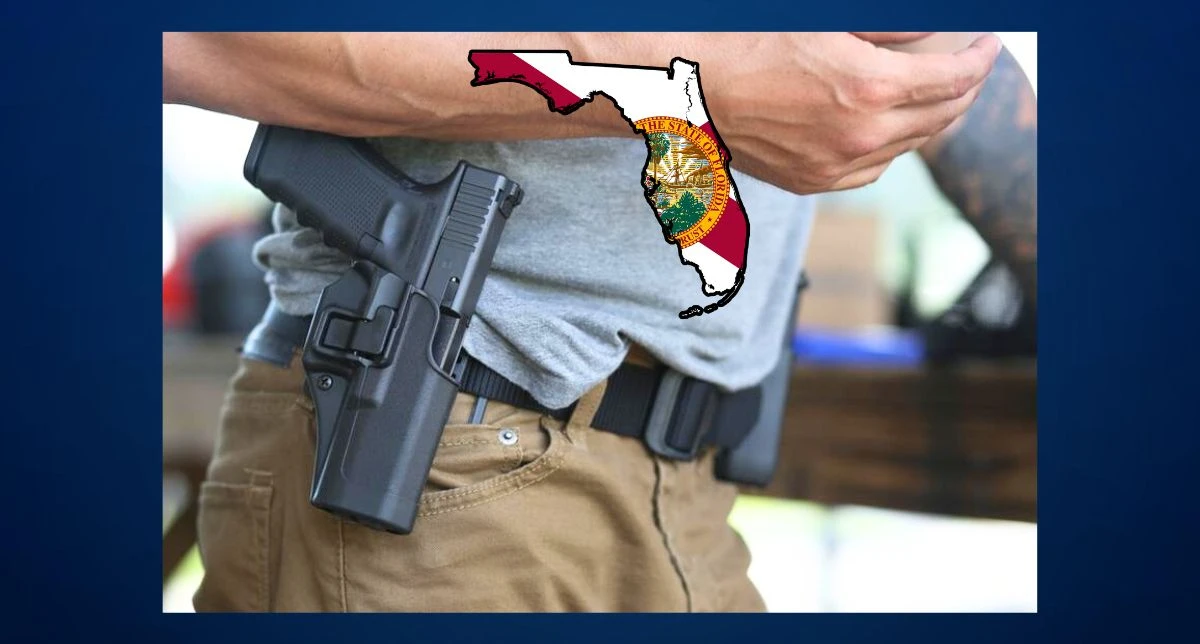
Florida, renowned globally as the “Sunshine State,” beckons millions of travelers each year with its stunning beaches, vibrant cities, world-class theme parks, and unique natural landscapes. From the bustling streets of Miami to the magical realms of Orlando, and the serene beauty of the Everglades National Park, the state offers an unparalleled diversity of experiences. For visitors planning their dream vacation, whether it’s a luxury getaway, a budget-friendly family trip, or an adventurous exploration, understanding the local laws and regulations is a crucial part of responsible travel. Among the questions that sometimes arise, especially for those familiar with varied firearm laws across the United States, is “Is Florida an open carry state?” The simple and most direct answer for most scenarios is no; Florida is generally not an open carry state for firearms.
This comprehensive guide aims to demystify Florida’s firearm laws for travelers, tourists, and prospective residents, focusing on what you need to know to ensure a smooth, safe, and enjoyable visit. We’ll delve into the nuances of open carry versus concealed carry, explore the specific locations where firearms are prohibited, and offer practical advice for navigating these regulations within the context of travel and tourism in the Sunshine State. Understanding these laws is not just about compliance, but also about contributing to a secure environment for everyone enjoying Florida’s many attractions and accommodations.
Navigating Florida’s Firearm Regulations: A Traveler’s Overview
For anyone considering a trip to Florida, especially those who are licensed to carry firearms in their home states, it’s paramount to understand the local legal landscape. The rules governing firearms in Florida are distinct and can differ significantly from other parts of the United States. This section will clarify the fundamental distinctions between open and concealed carry, and outline the general provisions that impact visitors.
The Distinction Between Open and Concealed Carry
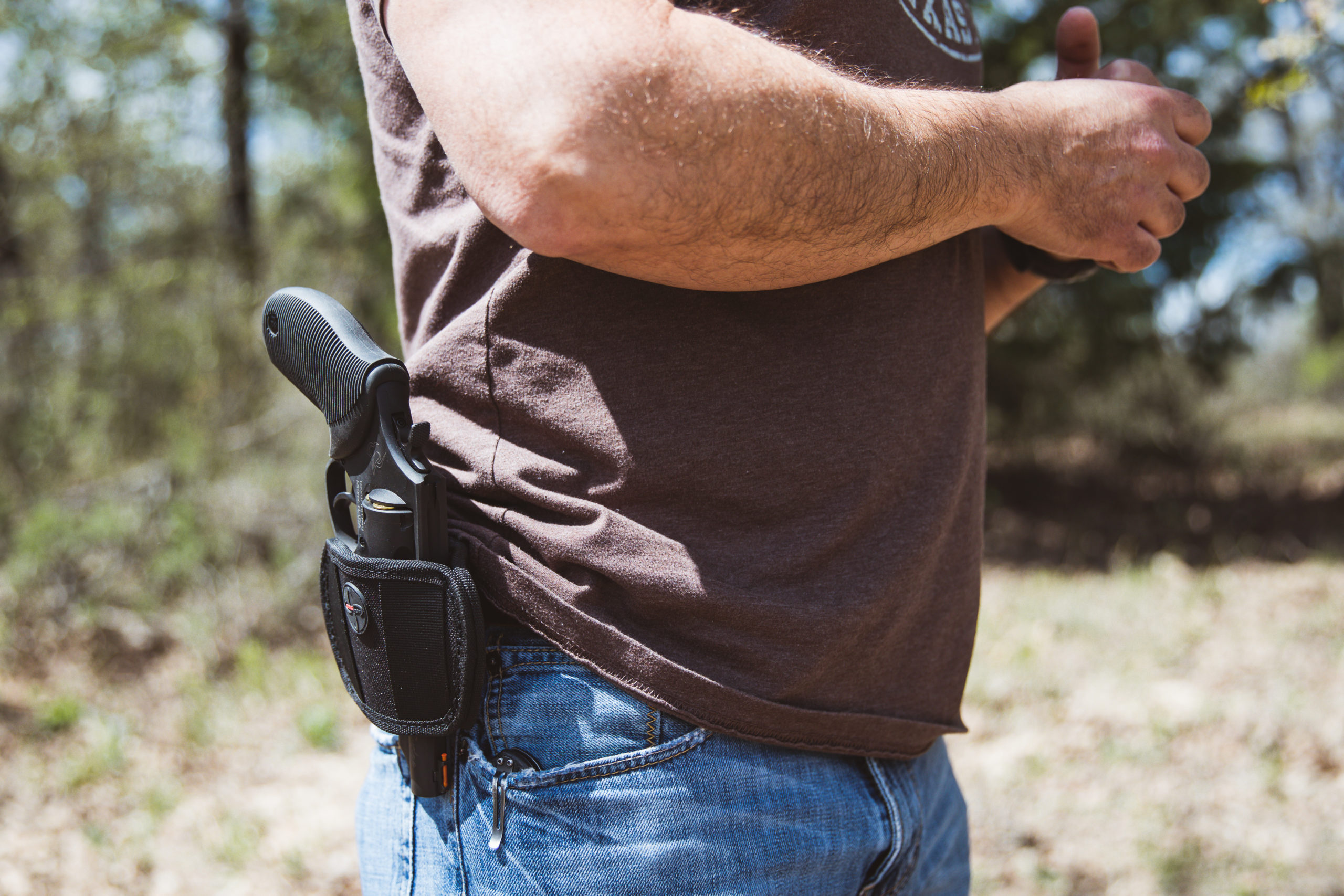
The core of Florida’s firearm legislation revolves around the concept of concealed carry. Unlike many states where openly carrying a firearm (i.e., visible to the public) is permissible without a special permit, Florida largely prohibits this practice. Generally, carrying a firearm openly in Florida is illegal, with a few very specific exceptions designed for particular activities or circumstances. This means that a tourist visiting Orlando’s theme parks, strolling along Miami Beach, or exploring the historic streets of Key West should not have a firearm visibly displayed on their person.
Conversely, Florida is a “shall issue” state for concealed carry licenses. This means that if an applicant meets the specific criteria outlined in Florida Statute 790.06, they will be issued a Florida Concealed Weapon or Firearm License. With such a license, individuals can carry a firearm in a manner that is not visible to the ordinary observation of the public. This is a crucial distinction for residents and visitors alike who possess a valid permit.
Exceptions to the Open Carry Ban
While the general rule is no open carry, Florida law does recognize several exceptions. These are typically tied to specific activities where open display is considered necessary or traditional:
- Hunting, Fishing, and Camping: Individuals lawfully engaged in hunting, fishing, or camping activities may openly carry a firearm. This is particularly relevant for those exploring Florida’s vast natural preserves or booking an eco-adventure in areas like the Everglades National Park.
- Target Practice or Gun Shows: Participants traveling to and from, or attending, a public or private gun show, shooting range, or firearms training facility may openly carry.
- On One’s Own Property: A person may openly carry a firearm on their own private property or business, or on property they rent. This exception is vital for homeowners and business operators.
- While Engaged in Lawful Military or Law Enforcement Duties: This exception applies to active duty military personnel and law enforcement officers in the line of duty.
- Security Guards: Licensed security guards, when on duty and actively protecting property or persons, may openly carry a firearm in accordance with their licensing and employment regulations.
These exceptions highlight the specific, limited circumstances under which open carry is permitted. For the average tourist or traveler, it is safest and most prudent to assume that open carry is generally prohibited across the state. Adhering to this understanding will help ensure a hassle-free trip, allowing visitors to fully immerse themselves in Florida’s vibrant tourism scene.
Reciprocity and Permits for Non-Residents
For non-residents holding a concealed carry permit from another state, Florida offers reciprocity with many other states. The Florida Department of Agriculture and Consumer Services (FDACS) maintains a comprehensive list of states whose concealed weapon licenses or permits it recognizes. This means that if your home state’s permit is on Florida’s recognized list, you can legally carry a concealed firearm in Florida as if you were a resident permit holder, provided you adhere to all Florida laws and regulations.
It is absolutely crucial for visitors to verify the reciprocity status of their permit before traveling to Florida. A quick check on the FDACS website can confirm eligibility and save potential legal complications. Even with a recognized permit, travelers must remember that all of Florida’s specific prohibitions on carrying firearms in certain locations still apply, regardless of whether you are a resident or a visitor.
Where Firearms Are Prohibited: Ensuring Safety in Public Spaces and Tourist Hubs
Beyond the general rules of open and concealed carry, Florida law specifies numerous locations where carrying a firearm is strictly forbidden, even with a valid concealed carry license. These prohibitions are particularly important for tourists, as many of these locations include popular attractions, transportation hubs, and government facilities. Understanding these restrictions is key to a responsible and uninterrupted travel experience, whether you’re staying in a luxury resort or a budget-friendly apartment.
Specific Prohibited Locations
Florida statutes clearly outline a list of “gun-free zones” designed to enhance public safety in sensitive areas. For tourists, this list covers many places they are likely to visit:
- Schools and Universities: This includes all elementary, middle, high schools, and colleges/universities. This also extends to school-sponsored events or activities.
- Polling Places: During elections, firearms are prohibited at any location used as a polling place.
- Government Meetings and Courthouses: Any meeting of a governmental body, including city council meetings, county commission meetings, or legislative sessions at the State Capitol in Tallahassee, is off-limits for firearms. Courthouses are also strictly prohibited.
- Airports: Within the sterile (passenger-screening checkpoint and beyond) area of any airport, firearms are strictly forbidden. This rule is consistent with federal regulations.
- Bars and Establishments Primarily Serving Alcohol: While restaurants that serve alcohol are generally permissible, places primarily devoted to the consumption of alcoholic beverages (e.g., standalone bars, nightclubs) typically prohibit firearms.
- Law Enforcement Facilities: Police stations, sheriff’s offices, and other law enforcement agencies are, understandably, gun-free zones.
- Correctional Institutions: Prisons, jails, and other detention facilities.
- Federal Buildings: Any building owned or leased by the federal government, such as post offices or federal courthouses, falls under federal law which generally prohibits firearms.
It’s critical for travelers to be aware that private businesses, hotels, and tourist attractions also retain the right to prohibit firearms on their premises. Iconic destinations like Walt Disney World Resort and Universal Orlando Resort, for instance, have clear policies against firearms, even for those with valid concealed carry permits. When booking accommodation or planning visits to attractions, it’s wise to check their specific policies, as these can vary. A resort might have different rules than a smaller boutique hotel, and understanding these can prevent inconvenient or unlawful situations.
Transporting Firearms in Vehicles
For those traveling by car through Florida, either within the state or from elsewhere, understanding the rules for transporting firearms in a vehicle is essential. Florida law generally permits the lawful transportation of a firearm in a private conveyance without a concealed weapon license, provided the firearm is:
- Securely Encased: This means it must be in a glove compartment (locked or unlocked), snapped in a holster, in a gun case, a zippered gun case, or a box or other container that requires an act of opening, or otherwise not readily accessible for immediate use.
- Not Readily Accessible: The firearm should not be within the easy reach of any person in the vehicle unless securely encased.
This means a firearm simply placed on the dashboard or passenger seat would likely violate the law. If you’re staying at a hotel or resort, ensure your firearm is safely stored in your vehicle or in a secure, compliant manner within your room, always respecting hotel policy. These transportation rules apply universally, whether you’re driving through bustling Tampa or the quieter stretches of North Florida.
Practical Advice and Considerations for Travelers to Florida
Visiting Florida offers an incredible array of experiences, from sun-soaked beaches along the Atlantic Ocean and the Gulf of Mexico to vibrant nightlife and family-friendly adventures. For travelers concerned about safety or simply curious about local laws, having a clear understanding of firearm regulations is part of responsible tourism. This section provides actionable advice to ensure your trip is not only enjoyable but also free from legal complications.
Prioritizing Safety and Awareness
While the focus here is on firearm laws, overall travel safety should always be a priority. Florida, like any popular destination, requires travelers to be vigilant and aware of their surroundings. This includes:
- Researching Your Destination: Understand the general characteristics of the areas you plan to visit, whether it’s South Florida’s urban energy or Central Florida’s tourist attractions.
- Securing Valuables: Utilize hotel safes for valuables and be mindful of your belongings in crowded tourist spots.
- Emergency Preparedness: Know how to contact local authorities (911 for emergencies) and be aware of emergency procedures at your accommodation and attractions.
- Respecting Local Laws: Beyond firearms, be informed about other local ordinances, especially concerning alcohol consumption, beach regulations, and driving laws.
For those who are licensed to carry and choose to do so while visiting, extreme discretion is advised. Remember, even with a concealed carry permit, the emphasis is on concealment. Any accidental exposure could lead to unnecessary alarm or legal scrutiny, particularly in busy public spaces like Jacksonville or popular resort areas. The lifestyle of a traveler in Florida, whether on a luxury cruise or an adventurous road trip, should prioritize peace of mind and adherence to the law.
Understanding Local Ordinances and Private Property Rules
While Florida has state-level preemption for firearm regulations, meaning local governments generally cannot enact their own stricter gun laws, private property owners retain significant rights. This is especially relevant for the hospitality and tourism sectors:
- Hotel and Accommodation Policies: Many hotels, resorts, and vacation rental properties have their own policies regarding firearms on their premises. Some may permit concealed carry by licensed individuals, while others may have outright bans. It’s always best practice to inquire about specific policies directly with your accommodation provider, especially if you plan to travel with a firearm.
- Tourist Attractions and Theme Parks: As mentioned, major attractions like Walt Disney World Resort and Universal Orlando Resort have strict no-firearm policies. These policies are legally enforceable, and attempting to enter with a firearm, even if licensed, could lead to denial of entry, ejection, and potentially legal issues depending on the circumstances. Always check the official websites or contact the attractions directly for their most current rules.
- Restaurants and Entertainment Venues: While not all establishments serving alcohol prohibit firearms, many private businesses, particularly upscale restaurants or entertainment venues, may post signs indicating a ban on firearms. These signs serve as notice, and disregarding them could lead to being asked to leave or trespassing charges.
The general advice for tourists is to always assume that private establishments and popular attractions may prohibit firearms, regardless of your concealed carry license status. When in doubt, leave the firearm securely stored and out of sight, preferably at your accommodation or within your vehicle in a compliant manner. This approach ensures you can fully enjoy Florida’s diverse offerings without concern.
Interaction with Law Enforcement
Should you, as a licensed concealed carrier, encounter law enforcement in Florida, it’s important to understand your rights and responsibilities. While Florida law does not impose a “duty to inform” an officer that you are carrying a concealed firearm, it is generally considered good practice to volunteer this information if you are legally carrying and interacting with an officer in an official capacity. This can help prevent misunderstandings and demonstrate responsible gun ownership. Always follow the officer’s instructions calmly and clearly.
In conclusion, while Florida offers a warm welcome to millions of visitors seeking sun, adventure, and relaxation, it is fundamentally not an open carry state for firearms in most public scenarios. Travelers holding valid concealed carry licenses from reciprocating states can carry a concealed firearm, but must strictly adhere to the numerous prohibited locations and the policies of private establishments. By understanding and respecting these laws, visitors can ensure a safe, legal, and memorable experience exploring all the wonderful travel destinations, hotels, and tourism opportunities that the Sunshine State has to offer. Responsible travel planning, including a review of local statutes, is the best way to enjoy the vibrant lifestyle and stunning landmarks that make Florida a top choice for global tourism.