
For many travelers visiting Japan, the neon-lit streets of major metropolises like Tokyo and Osaka offer a dizzying array of sensory experiences. Among the most intriguing, yet often misunderstood, elements of the urban landscape is the “rabu hoteru,” or love hotel. Far from being the seedy establishments that their Western counterparts might suggest, love hotels are a unique and essential pillar of Japanese tourism and local culture. They offer a fascinating window into the country’s social dynamics, architectural creativity, and the premium placed on privacy in high-density environments. Whether you are a curious tourist looking for a quirky place to stay or a student of cultural sociology, understanding the love hotel is key to navigating the modern Japanese experience.

The Cultural Significance and History of Love Hotels
The concept of a space dedicated specifically to privacy and romance is not a modern invention in Japan. Its roots can be traced back several centuries, evolving alongside the country’s urban development and changing social mores.
From Edo Period Tea Houses to Modern Facilities
The history of these establishments begins as far back as the Edo Period. During this era, specific tea houses known as “machiai-jaya” served as discreet meeting places for couples, away from the watchful eyes of family and the public. As Japan moved into the early 20th century, these evolved into “en-shuku,” or one-yen lodgings, which provided short-term privacy for a flat fee.
Following World War II, the demand for private space skyrocketed. In a country where multi-generational housing was the norm and thin paper walls offered little acoustic privacy, young couples desperately needed a place of their own. This social necessity gave birth to the modern iteration of the love hotel, where anonymity and comfort became the primary selling points.
The Post-War Boom and the Showa Era Influence
The true “Golden Age” of the love hotel occurred during the Showa Era, particularly in the 1960s and 1970s. During this time, the economy was booming, and operators began to compete by building increasingly extravagant and outlandish structures. This was the era of “castle” hotels—massive, neon-drenched buildings shaped like medieval European fortresses or luxury ocean liners.
The Hotel Meguro Emperor in Tokyo, built in 1973, is perhaps the most famous example of this architectural trend. Its fairy-tale castle aesthetic set a standard for the industry, signaling that these were not just utility spaces, but destinations for fantasy and escape. Today, while many of the kitschy exteriors have been replaced by sleek, modern designs, the underlying cultural function remains the same.
The Practical Logistics: A Guide for the Curious Tourist
For a tourist, entering a love hotel can feel like stepping into a different world. The systems are designed for maximum discretion, often resulting in a process that is entirely automated and face-to-face-interaction-free.
Identifying “Rest” vs. “Stay” Pricing
One of the first things a visitor will notice on the brightly lit signage outside a love hotel is the distinction between two types of rates: “Rest” (kyuukei) and “Stay” (shukuhaku).
- Rest: This typically refers to a short-term stay of two to four hours. It is used by couples during the day or evening.
- Stay: This is an overnight booking, usually starting after 8:00 PM or 10:00 PM and lasting until the following morning.
For international travelers, the “Stay” option can be a highly cost-effective way to experience a high-end room with luxury amenities at a fraction of the price of a traditional five-star resort. However, it is important to note that love hotels generally do not allow “in and out” privileges; once you check in for a “Stay,” leaving the building often signifies the end of your booking.
The Anonymous Check-In Experience
Privacy is the cornerstone of the love hotel experience. In many establishments, you will never see a staff member. Upon entering the lobby, you are usually greeted by a large backlit board displaying photos of the available rooms.
- Selection: If a room photo is lit up, it is available. You press a button to select your desired room.
- Payment: In modern hotels, you may pay at an automated kiosk in the lobby or a machine located inside the room itself.
- Entry: Once selected, a path of lights on the floor might lead you to the elevator, or the door to your room will automatically unlock.
In some older or more traditional spots, there may be a small window with a curtain where you can see only the hands of the receptionist, further preserving the guest’s anonymity.
Architectural Marvels and Thematic Innovation

While the primary purpose of a love hotel is privacy, the “entertainment” factor is a significant draw. In major cities like Nagoya and Yokohama, these hotels compete by offering rooms that are more like mini-theme parks than standard bedrooms.
Famous Landmarks like the Hotel Meguro Emperor
As mentioned, landmarks like the Hotel Meguro Emperor defined the “fantasy” era of the industry. While the trend has shifted toward “boutique” and “luxury” styles that look more like high-end apartments, you can still find themed rooms across Japan. Some rooms might be styled as doctor’s offices, classrooms, or even train carriages on the Yamanote Line. Others focus on leisure, featuring indoor swings, rotating beds, or rooms filled with thousands of roses.
Luxury Amenities and In-Room Entertainment
Even the more “normal” love hotels offer amenities that put standard hotels to shame. It is common to find:
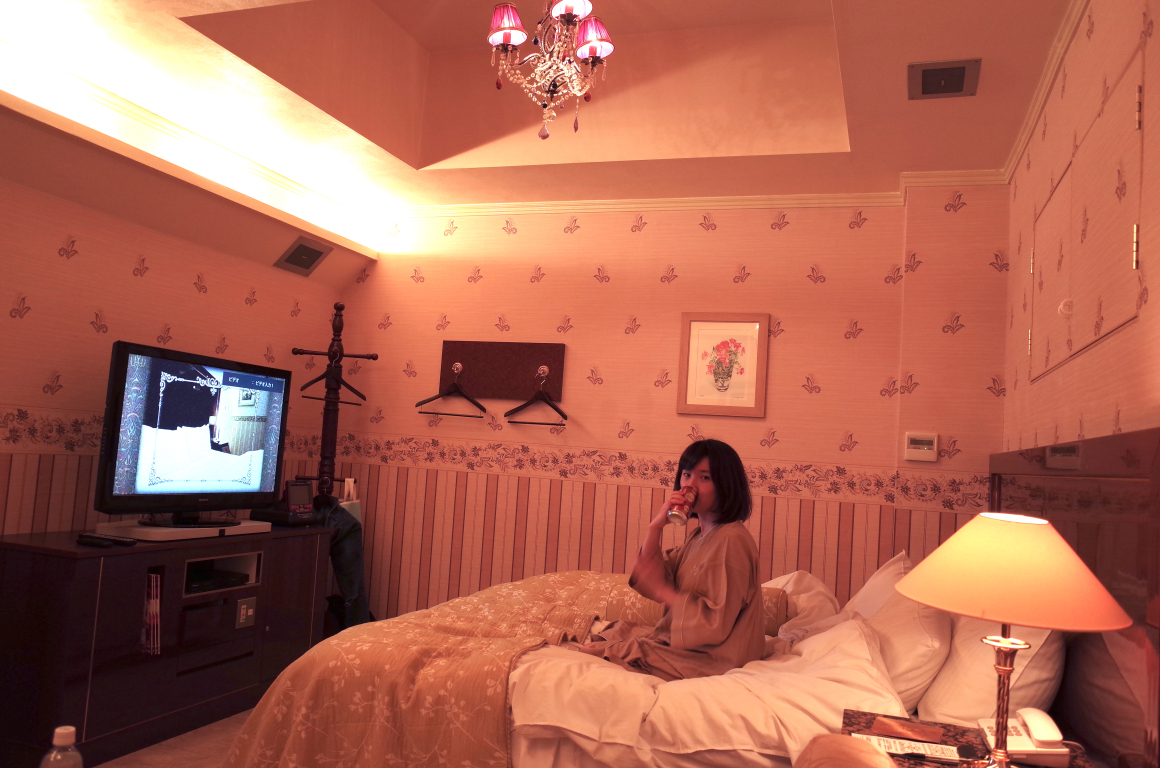
- High-End Bathrooms: Expect massive Jacuzzis, rainfall showers, and “bubbly” bath salts. Many rooms also feature televisions embedded in the bathroom walls.
- Entertainment Systems: Massive flat-screen TVs with extensive Video On Demand (VOD) libraries, high-quality sound systems, and even karaoke machines are standard.
- Cosmetics and Toiletries: The vanity areas are often stocked with premium skin care products, hair straighteners, and a variety of grooming kits.
- Room Service: Many love hotels have extensive menus featuring everything from Japanese comfort food like ramen and tonkatsu to elaborate desserts, all delivered through a double-doored cubby to maintain privacy.
Top Districts to Explore Love Hotel Culture
If you are looking to witness the density and variety of these establishments, certain districts in Japan’s major cities are world-renowned for their “hotel towns.”
Shibuya’s Dogenzaka and Love Hotel Hill
In Tokyo, the most famous concentration is found in Shibuya, specifically in an area known as Dogenzaka, often referred to by tourists as Love Hotel Hill. Here, hundreds of hotels are packed into winding alleys just minutes away from the famous Shibuya Crossing. The variety here is immense, ranging from budget-friendly older buildings to ultra-modern, architecturally stunning towers.
Exploring Kabukicho and Shinjuku Nightlife
Another major hub is Kabukicho, located in the Shinjuku ward. As Japan’s largest red-light district, Kabukicho is home to a vast array of love hotels that cater to the nightlife crowd. While the area can be boisterous, the hotels themselves are often remarkably quiet sanctuaries once you step inside.
Outside of Tokyo, the Umeda and Shinsaibashi districts in Osaka offer a similar density of options, often with a slightly more playful or “colorful” Kansai-region flair. Even in the traditional city of Kyoto, love hotels can be found on the outskirts, often designed with more subtle, elegant aesthetics to match the city’s character.
Essential Tips for Navigating Love Hotels as a Foreigner
For those visiting from abroad, there are a few practical considerations to keep in mind to ensure a smooth experience.
Understanding Age Restrictions and Identification
Love hotels are strictly for adults. In Japan, the legal age of adulthood is 18 (though it was 20 for a long time). You must be at least 18 years old to enter. While the check-in process is designed for anonymity, Japanese law technically requires hotels to keep a record of guests. Some modern love hotels may ask you to scan your passport at the kiosk or via a camera at the front desk. Additionally, most love hotels are designed for parties of two. Groups of three or more, or even solo travelers in some specific locations, may occasionally find themselves turned away, though this is becoming less common as the industry adapts to international tourism.
Recognizing Common Symbols and Signage
Spotting a love hotel is an art in itself. Look for the following signs:
- Hourly Rates: If you see prices for “2H” or “3H” prominently displayed, it is almost certainly a love hotel.
- The Heart Symbol: While not universal, many older establishments use heart motifs in their logos.
- No Windows: Most love hotel rooms do not have windows, or the windows are opaque, to ensure total privacy from the outside world.
- Parking Screens: In more suburban areas, love hotel parking lots often have plastic “fringes” or hanging screens at the entrance to hide the license plates of the cars parked inside.
While they may seem intimidating at first, love hotels are a safe, clean, and incredibly unique part of the Japanese travel landscape. For the adventurous tourist, they offer more than just a place to sleep; they offer a story to tell and a deep dive into the fascinating contradictions of Japanese society—where the ultra-modern meets the traditional need for a private sanctuary. Whether you find yourself in the bustling streets of Roppongi or the neon corridors of Shibuya, the love hotel remains one of the most iconic experiences the country has to offer.
LifeOutOfTheBox is a participant in the Amazon Services LLC Associates Program, an affiliate advertising program designed to provide a means for sites to earn advertising fees by advertising and linking to Amazon.com. Amazon, the Amazon logo, AmazonSupply, and the AmazonSupply logo are trademarks of Amazon.com, Inc. or its affiliates. As an Amazon Associate we earn affiliate commissions from qualifying purchases.