
Understanding time zones is a fundamental aspect of planning any journey, especially when traversing vast and geographically diverse regions like the United States. For travelers, business professionals, or even those simply curious about the temporal rhythm of different states, knowing the time zone of a destination like Montana is crucial for seamless coordination and to avoid any chronological confusion. Montana, a state renowned for its breathtaking natural landscapes and rugged beauty, spans a significant geographical area. This expanse naturally raises the question: what time zone governs this western gem?
Navigating Time in the Big Sky Country
The Big Sky Country, as Montana is affectionately known, operates primarily under one standard time zone, which simplifies matters considerably for most visitors and residents. This uniformity is a key element in the state’s operational flow, from scheduling flights into airports like Billings Logan International Airport to coordinating activities in cities like Helena or Bozeman. However, understanding the nuances of this time zone, including its relationship with daylight saving time, is essential for anyone planning to spend time in Montana.
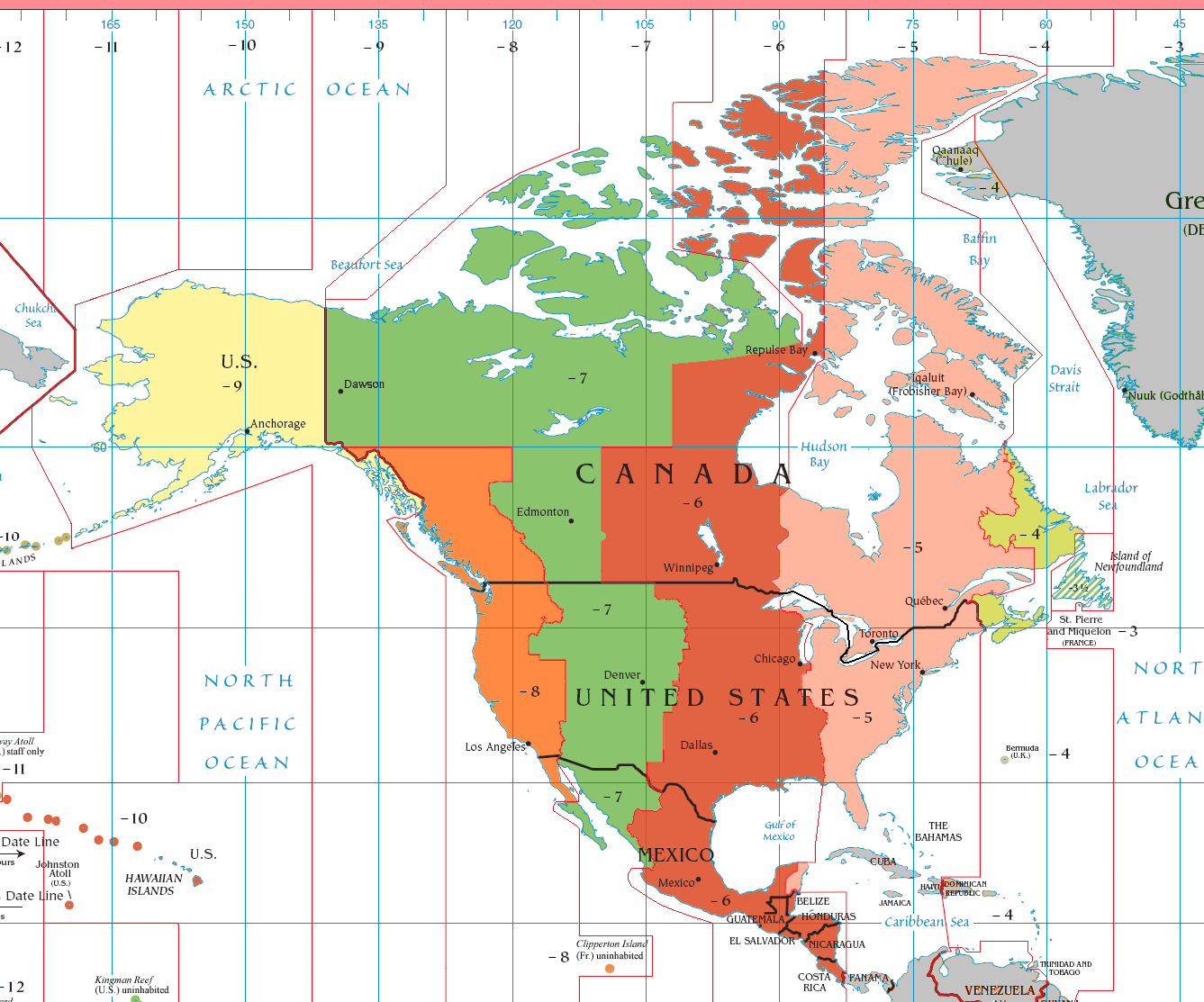
The Dominant Time Zone: Mountain Time
The vast majority of Montana observes Mountain Time. This time zone is characterized by its position relative to Coordinated Universal Time (UTC). During standard time, Montana is in the Mountain Standard Time (MST) zone, which is UTC-7. This means it is seven hours behind Coordinated Universal Time. When daylight saving time is in effect, Montana transitions to Mountain Daylight Time (MDT), which is UTC-6. This shift, typically occurring in the spring and fall, is a common practice across much of North America to maximize daylight during warmer months.
The adoption of Mountain Time places Montana alongside many other western states, fostering a degree of temporal synchronicity across a significant portion of the American West. This is particularly relevant for businesses and individuals who need to communicate and collaborate across state lines. For instance, a business call scheduled between Montana and Colorado will be synchronized within the same time zone, making coordination straightforward. Similarly, travelers moving between Montana and states like Wyoming, Utah, or Idaho will not need to adjust their clocks.
The Importance of Daylight Saving Time
The implementation of Daylight Saving Time (DST) in Montana means that clocks are set forward by one hour during the warmer months. This typically begins on the second Sunday in March and ends on the first Sunday in November. Understanding these dates is vital for travelers, as it can affect flight schedules, appointment times, and even the perceived duration of daylight for outdoor activities.
For example, if you are planning a hiking trip in Glacier National Park and your itinerary is based on sunrise and sunset times, knowing when DST shifts occur is important. In the spring, as MDT begins, you will experience an extra hour of daylight in the evening, which can extend your opportunities for exploration. Conversely, in the fall, as the clocks revert to MST, daylight hours will begin to shorten earlier in the afternoon. This awareness ensures that your plans align with the actual available daylight, enhancing your overall experience in the stunning landscapes of Montana.
Historical Context and Temporal Boundaries
While the Mountain Time zone is the predominant temporal framework for Montana, it is worth noting that the concept of time zones itself has a history that reflects the development of transportation and communication. Initially, local solar time was the norm, leading to considerable variations even between neighboring towns. The establishment of standardized time zones in the late 19th century was a revolutionary step, enabling more efficient railway operations and, subsequently, broader economic and social integration.
The Rationale Behind Time Zones
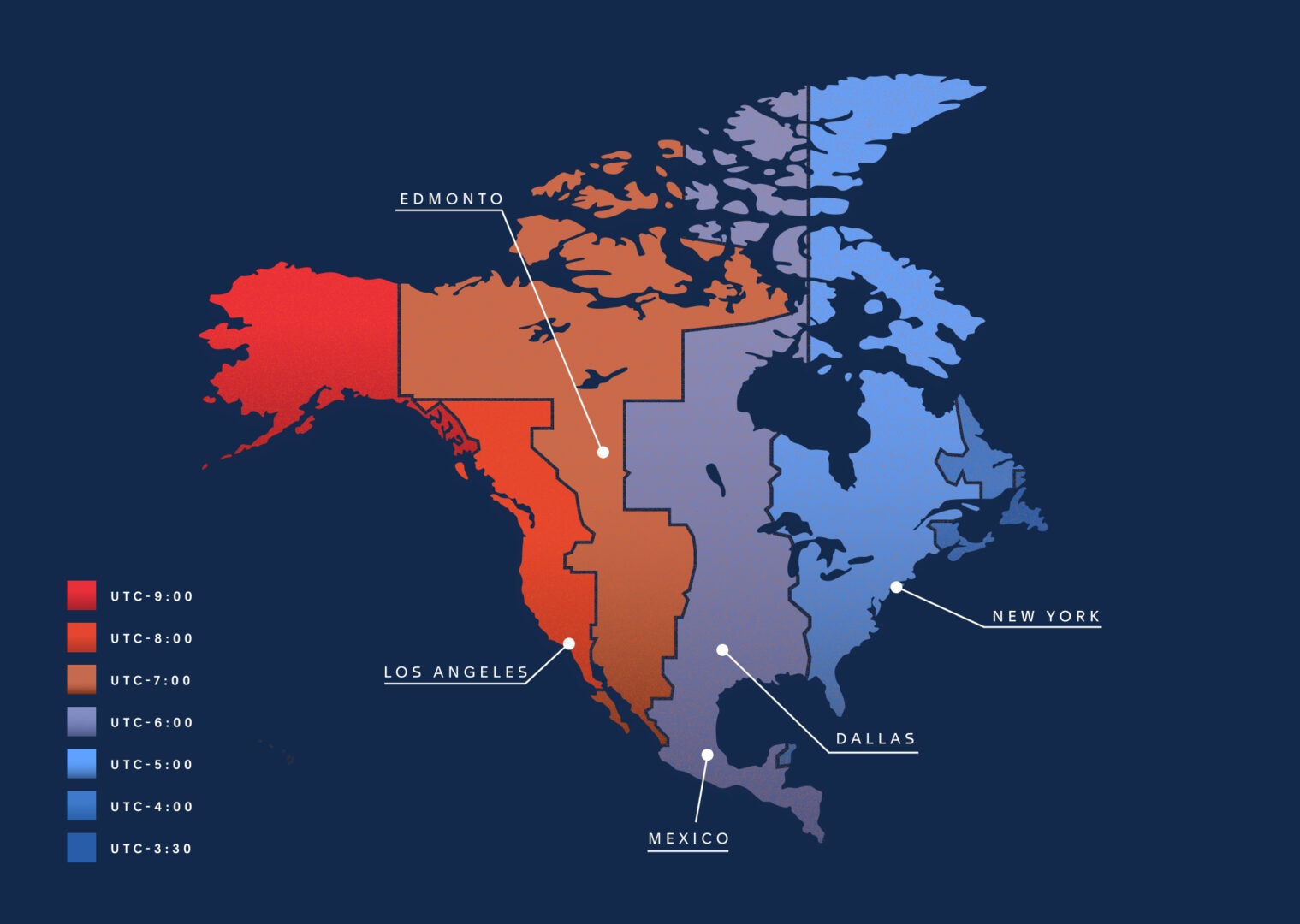
The creation of time zones was primarily driven by the need for a standardized system that would facilitate travel and commerce. Before standardized time, each town or city kept its own time based on the sun’s position, leading to chaos for railway schedules, telegraph operations, and any form of coordinated activity across distances. The introduction of the four continental time zones in the United States—Eastern, Central, Mountain, and Pacific—was a monumental achievement in unifying the nation’s temporal operations.
Montana’s Position Within the Mountain Time Zone
Montana’s geographical location in the western United States naturally places it within the Mountain Time Zone. This zone is designed to align with the sun’s position as it moves across the continent. The Mountain Time Zone encompasses a broad swathe of the western and central parts of the country, stretching from the Canadian border down to the Mexican border. Its adoption by Montana is a logical and practical choice, reflecting the state’s longitude and its connectivity with neighboring states that also observe Mountain Time. This shared temporal framework simplifies planning for any travel or business interactions within this expansive region.
Practical Implications for Travelers and Residents
For anyone visiting or residing in Montana, understanding the time zone has several practical implications. From booking accommodations to scheduling activities and communicating with others, temporal alignment is key. Even within a single state, nuances can arise, though in Montana’s case, the uniformity of Mountain Time minimizes these complexities.
Coordinating Travel Plans
When booking flights into airports like Missoula Montana Airport or Great Falls International Airport, it is essential to be aware of Montana’s time zone. If you are traveling from a different time zone, such as the Eastern Time Zone, you will need to account for the difference. For instance, departing from New York City at 10:00 AM Eastern Time would mean arriving in Montana at approximately 10:00 AM Mountain Time (factoring in flight duration and the three-hour difference). Being mindful of this can prevent missed connections or early arrivals, ensuring a smoother travel experience.
Scheduling Business and Social Engagements
In the professional realm, adhering to the correct time zone is paramount. Business meetings, conference calls, and project deadlines all rely on precise temporal coordination. If you are conducting business with partners or clients in Montana, always confirm the time zone. Similarly, for social engagements, whether it’s meeting friends in Billings or attending an event in Missoula, knowing the local time ensures you are punctual and avoid any misunderstandings. The simplicity of Montana operating on a single time zone simplifies these arrangements.

Embracing the Local Rhythm
Beyond the practicalities of scheduling, understanding the time zone can also offer a subtle insight into the local rhythm of life in Montana. The longer daylight hours during Mountain Daylight Time often encourage outdoor activities and a lifestyle that embraces the natural environment. Whether it’s enjoying the extended evenings for fishing on the Missouri River or taking advantage of the extra light for stargazing in the clear night skies, the temporal framework of Montana subtly influences how its residents and visitors experience the state. This temporal awareness enhances the appreciation of the natural beauty and the distinct way of life that Montana offers.
LifeOutOfTheBox is a participant in the Amazon Services LLC Associates Program, an affiliate advertising program designed to provide a means for sites to earn advertising fees by advertising and linking to Amazon.com. Amazon, the Amazon logo, AmazonSupply, and the AmazonSupply logo are trademarks of Amazon.com, Inc. or its affiliates. As an Amazon Associate we earn affiliate commissions from qualifying purchases.