
The concept of a five-star hotel represents the pinnacle of the hospitality industry. It is a designation that signifies more than just luxury; it is a promise of impeccable service, world-class amenities, and an environment where every detail has been meticulously curated to ensure guest satisfaction. While many travelers use the term “five-star” colloquially to describe any high-quality stay, the actual attainment of this rating involves meeting a stringent set of criteria established by prestigious global organizations. In the competitive world of Hotels, achieving and maintaining this status is a monumental task that requires constant evolution and an unwavering commitment to excellence.
Decoding the Universal Standards of Luxury
To understand what makes a hotel five-star, one must first look at the bodies that govern these ratings. Unlike other industries with a single global standard, the hospitality sector relies on several key organizations, each with its own rigorous set of protocols. These ratings serve as a roadmap for properties aiming to join the elite tier of global accommodations.
The Forbes Travel Guide and AAA Diamond Ratings
In the United States and much of North America, the Forbes Travel Guide and the AAA Diamond Program are the primary arbiters of luxury. Forbes Travel Guide is particularly well-known for its anonymous professional inspectors who evaluate hotels against up to 900 objective standards. To earn five stars from Forbes, a property must not only possess high-end physical attributes but also deliver a service experience that is virtually flawless.
Similarly, the AAA Diamond Program uses a scale of one to five diamonds. A five-diamond rating is reserved for properties like The Broadmoor in Colorado Springs, which offers ultimate luxury and sophistication. These organizations emphasize that the difference between four and five stars is often found in the “soft skills”—the way a staff member anticipates a guest’s needs before they are even voiced.
Regional Differences in Rating Systems
While North America relies on Forbes, other regions have their own systems. In the United Kingdom, the AA (Automobile Association) provides star ratings based on cleanliness, service, and hospitality. In France, the “Palace” distinction is a tier above five stars, awarded to hotels that possess exceptional characteristics such as historical significance or unique locations. Iconic properties like Hotel de Crillon in Paris hold this prestigious title.
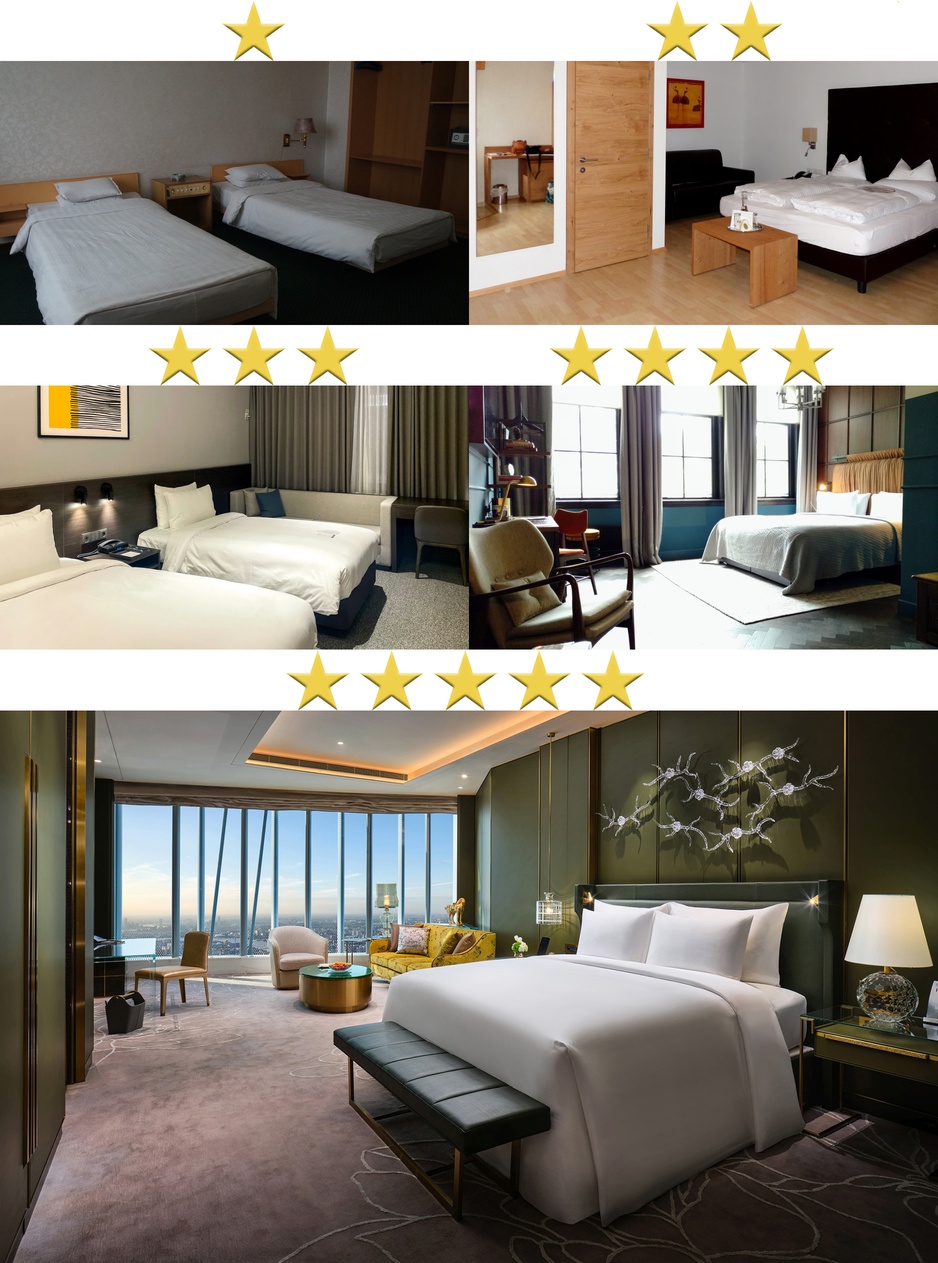
In Germany and other parts of Europe, the Hotelstars Union provides a harmonized system across several countries, ensuring that a five-star hotel in Berlin meets similar structural requirements as one in Vienna. Regardless of the specific body, the core requirement remains the same: a relentless pursuit of perfection in both form and function.
Architectural Grandeur and Room Design
The physical environment of a five-star hotel is the first thing a guest notices. It must convey a sense of place, elegance, and exclusivity. From the moment a guest approaches the entrance, the architecture and interior design must reflect a high level of investment and artistic vision.
The Lobby as a Statement of Intent
The lobby is the heart of a luxury hotel. In a five-star establishment, the lobby is never just a transit point; it is a grand social space. Whether it is the classic opulence of The Savoy in London or the ultra-modern aesthetic of Aman Tokyo in Japan, the lobby sets the tone.
High ceilings, original artwork, premium materials like Carrara Marble, and custom-scented air are common features. Lighting is also crucial; five-star hotels often employ specialist lighting designers to ensure the ambiance shifts seamlessly from a bright, welcoming morning to a moody, sophisticated evening. This attention to detail ensures that guests feel they have entered a world apart from the mundane.
The Anatomy of a Five-Star Suite
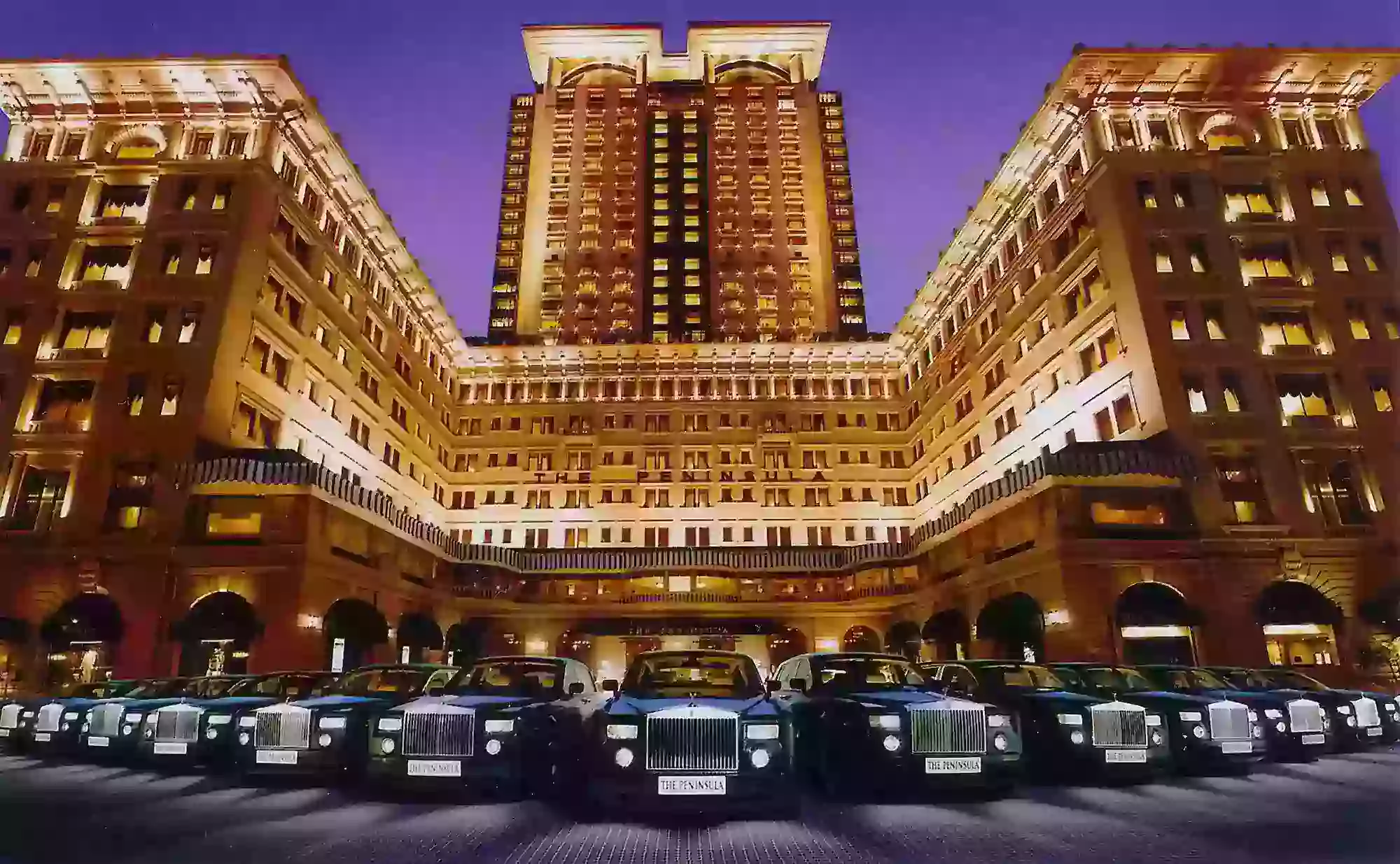
When it comes to guest rooms, a five-star rating demands spaciousness and high-quality finishes. A standard room in a five-star hotel is often larger than a suite in a mid-range property. For example, at The Peninsula Hong Kong in Hong Kong, rooms are equipped with state-of-the-art bedside technology that allows guests to control everything from the lighting to the temperature and curtains with a single touch.
Bedding must be of the highest caliber, typically featuring high-thread-count Egyptian cotton linens and a “pillow menu” that offers various levels of firmness. Bathrooms are expected to be sanctuaries of their own, often finished in marble or granite, featuring deep soaking tubs, separate rain showers, and premium toiletries from brands like Le Labo or Hermes. Soundproofing is another non-negotiable element; a true five-star experience must offer total tranquility, even in the center of a bustling city like New York City.
Unrivaled Service and the Art of Hospitality
While luxury materials are important, service is what truly defines a five-star hotel. This is the most difficult element to master because it relies on human interaction rather than hardware. The gold standard for service is “anticipatory service”—providing what the guest wants before they even realize they need it.
Anticipatory Service and Personalized Attention
In a five-star hotel, the staff-to-guest ratio is significantly higher than in lower-rated properties. This ensures that every request is handled promptly. At Four Seasons Hotels and Resorts properties worldwide, such as the Four Seasons Resort Maui at Wailea in Hawaii, the staff is trained to remember guest names and preferences.
If a guest prefers a specific type of sparkling water or requires a particular newspaper every morning, these details are noted in a guest profile and implemented throughout their stay. The goal is to make the guest feel as though the entire hotel is operating solely for their comfort. This level of personalization extends to 24-hour room service, where meals are delivered with the same finesse and presentation as they would be in a fine-dining restaurant.
The Role of the Professional Concierge
A hallmark of the five-star experience is the presence of a dedicated concierge team, often members of the prestigious Les Clefs d’Or. These professionals are the “keys” to the city, capable of securing a table at a fully booked Michelin restaurant or arranging private tours of landmarks like the Louvre Museum.
Their role is to solve the impossible. Whether it is finding a last-minute gift or organizing a private jet, the concierge at a property like The Ritz Paris is expected to handle every request with discretion and efficiency. This level of service transforms a simple stay into a curated experience.
World-Class Amenities and Culinary Mastery
A five-star hotel must be a self-contained destination. It should offer everything a guest might need or desire, from top-tier fitness facilities to world-renowned dining options. These amenities must not only exist but must also be leaders in their respective fields.
Gastronomy as a Core Pillar
Culinary excellence is a requirement for any five-star rating. This typically involves multiple on-site dining options, including at least one fine-dining restaurant that may hold its own accolades. The Dorchester in London, for instance, houses Alain Ducasse at The Dorchester, which has earned three Michelin stars.
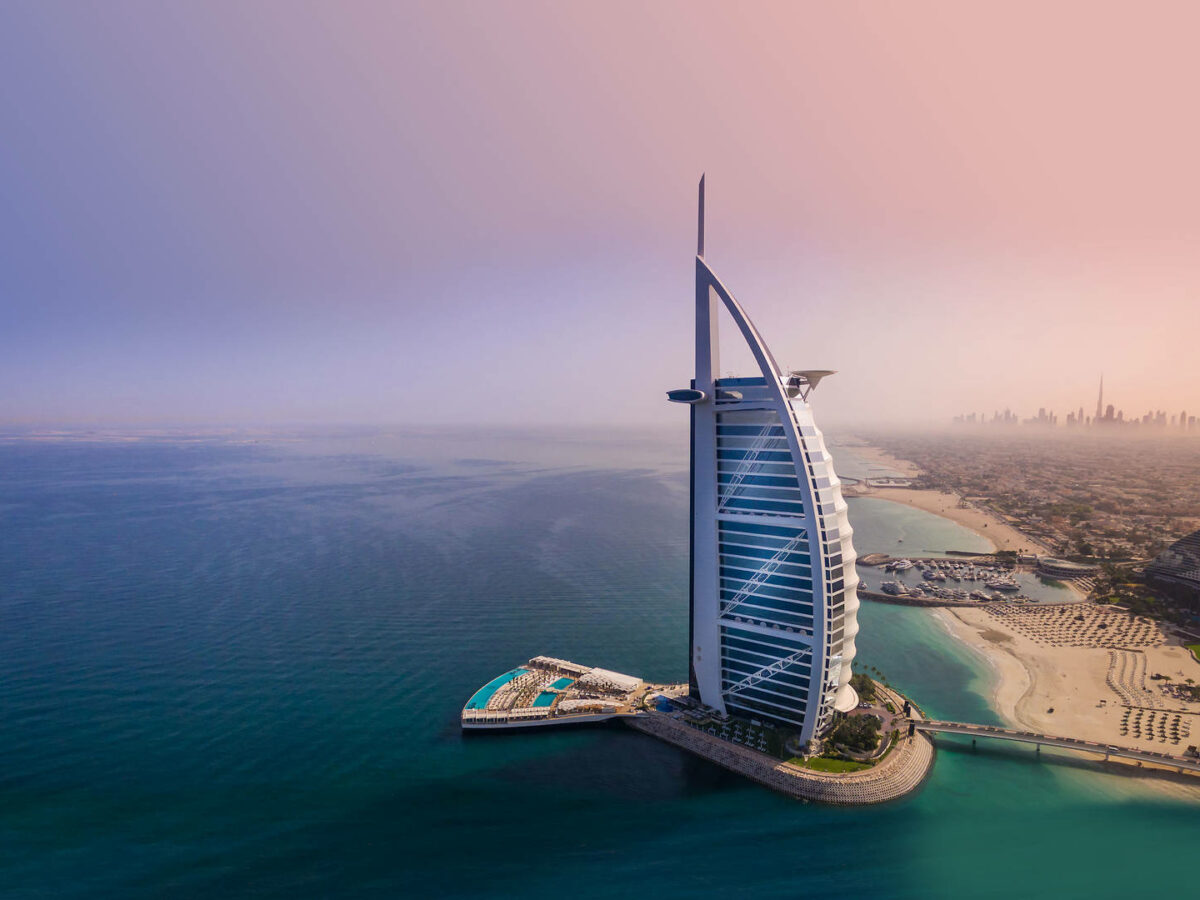
The breakfast service is equally important. A five-star breakfast goes beyond a standard buffet; it offers a wide array of high-quality, fresh ingredients, made-to-order dishes, and specialty coffees. Presentation is paramount, and the service must be attentive without being intrusive. In cities like Dubai, hotels like the Burj Al Arab take this a step further by offering underwater dining experiences that combine luxury with theater.
Wellness, Spas, and Recreational Facilities
The modern luxury traveler places a high value on wellness. Consequently, a five-star hotel must provide a comprehensive spa and fitness center. These are not merely gyms with a few treadmills but state-of-the-art facilities with personal trainers, specialized classes, and hydrotherapy circuits.
Spas at properties like the Mandarin Oriental Bangkok in Thailand offer traditional treatments and modern therapies in a serene environment. The presence of a temperature-controlled swimming pool—often an infinity pool with a view, such as the one at Marina Bay Sands in Singapore—is also a standard expectation for five-star resorts and city hotels alike.
Maintaining the Standard: Audits and Consistency
The journey does not end once a five-star rating is achieved. Maintenance is perhaps the most challenging aspect of the luxury hotel business. Ratings are reviewed annually, and a single slip in service or a decline in the physical condition of the property can result in a downgrade.
The Mystery Guest Experience
To ensure standards are met, rating organizations and hotel management companies use mystery shoppers. These are trained professionals who check in as regular guests and document every interaction. They look for specific “standards of excellence,” such as whether the phone was answered within three rings, if the staff used the guest’s name at least twice during an interaction, and if the turndown service included all the required elements (like slippers by the bed and a fresh bottle of water).
Consistency is key. Whether a guest visits the Rosewood Hong Kong or the Rosewood London, they expect the same level of brand-specific excellence. This requires rigorous training programs and a culture where every employee, from the general manager to the housekeeping staff, understands the importance of their role in maintaining the five-star legacy. In the end, what makes a hotel five-star is the successful fusion of physical beauty, technical perfection, and a genuine heart for hospitality.
LifeOutOfTheBox is a participant in the Amazon Services LLC Associates Program, an affiliate advertising program designed to provide a means for sites to earn advertising fees by advertising and linking to Amazon.com. Amazon, the Amazon logo, AmazonSupply, and the AmazonSupply logo are trademarks of Amazon.com, Inc. or its affiliates. As an Amazon Associate we earn affiliate commissions from qualifying purchases.