
Understanding the tax landscape of any state is a fundamental aspect of financial planning, whether you’re considering a move, establishing a business, or simply budgeting for a vacation. Colorado, with its stunning natural beauty, vibrant cities, and thriving economy, attracts countless individuals and families. For those embracing the Colorado lifestyle, from urban dwellers in Denver to mountain enthusiasts in Aspen, deciphering the state’s tax system is crucial. This article delves into the various state taxes in Colorado, offering insights into how they impact residents and visitors alike, helping you navigate the financial considerations of this picturesque state.
Understanding Colorado’s Income Tax Structure
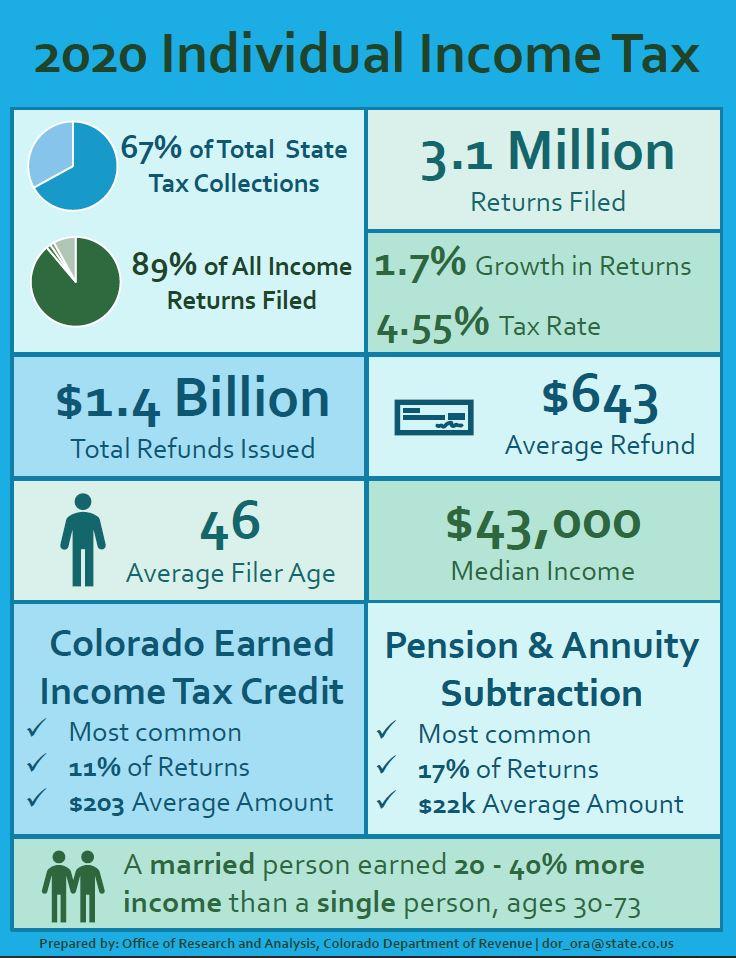
One of the most distinctive features of Colorado’s tax system is its approach to individual income tax. Unlike many states that employ a progressive tax structure with multiple brackets, Colorado simplifies this aspect considerably, impacting personal budgeting and financial forecasts for everyone from recent graduates to retirees.
Flat Tax Rate Advantage
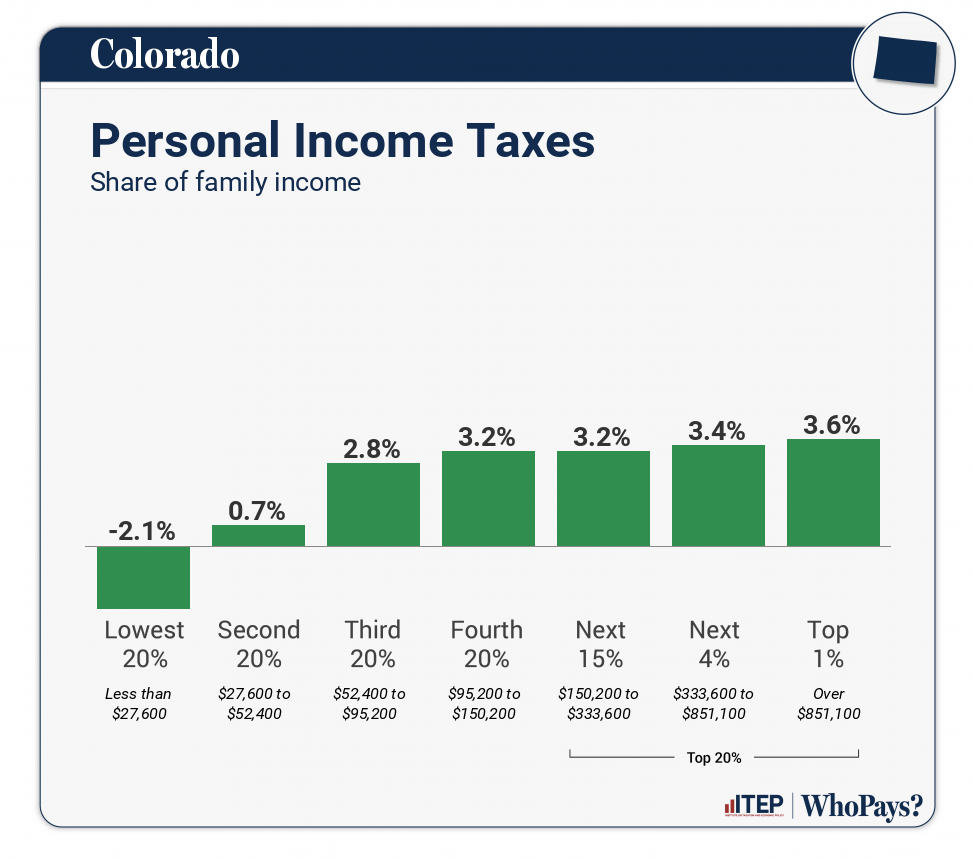
Colorado operates under a single, flat income tax rate. This means that regardless of your income level, the same percentage is applied to your taxable income. For many, this flat rate provides a degree of predictability and simplicity that is often absent in states with complex multi-tiered systems. From a lifestyle perspective, this can simplify financial planning significantly, as individuals know precisely the percentage of their income that will be allocated to state taxes. This approach can be particularly appealing to high-income earners who might face substantially higher marginal rates in progressive tax states, potentially influencing relocation decisions or the appeal of pursuing higher-earning opportunities within Colorado. Conversely, lower-income earners pay the same rate, though mechanisms like deductions and credits often provide relief.
Deductions and Exemptions
While Colorado employs a flat tax rate, it also allows for various deductions and exemptions that can reduce an individual’s taxable income. These provisions are vital for mitigating the overall tax burden and supporting specific financial goals or needs. Common deductions include those for contributions to certain retirement accounts, health savings accounts, and sometimes even a percentage of federal itemized deductions. The state also offers specific exemptions, such as those for military retirement benefits, which can be a significant draw for veterans considering Colorado as their home. Understanding these available deductions and exemptions is paramount for effective tax planning, allowing residents to legally reduce their taxable income and, consequently, their overall state tax liability. Consulting the Colorado Department of Revenue’s guidelines or a qualified tax professional is always recommended to maximize these benefits.
Sales and Use Taxes: Impact on Consumers and Travelers
Sales and use taxes in Colorado are an everyday consideration for residents and a crucial budgeting component for tourists. These taxes apply to a vast array of goods and services, affecting everything from a cup of coffee in Boulder to ski equipment purchased in Vail.
State Sales Tax Base
Colorado levies a statewide sales tax on most retail sales of tangible personal property and certain services. This baseline rate forms the foundation of what consumers pay at the register. For a state known for its outdoor recreation and consumer-friendly atmosphere, this state sales tax is a consistent factor in the cost of living and visiting. Items typically subject to sales tax include clothing, electronics, prepared food, and various general merchandise. However, it’s important to note that certain necessities, like most groceries (unprepared food), are often exempt from the state sales tax, which provides some relief for household budgets.
Local Sales Tax Variations
What significantly complicates the sales tax picture in Colorado are the additional sales taxes imposed by local jurisdictions. Cities, counties, and various special districts (such as those funding transit, cultural facilities, or open space initiatives) can layer their own sales taxes on top of the state rate. This means that the total sales tax paid can vary dramatically depending on your exact location within Colorado. For instance, a purchase made in downtown Denver will likely incur a different combined sales tax rate than the same purchase made in Colorado Springs or a resort town like Breckenridge. This variability is particularly important for budget travelers, who might find that their spending power changes depending on where they choose to shop or dine. Residents, too, must account for these local variations in their everyday budgeting, especially for larger purchases.
Use Tax Implications
Beyond sales tax, Colorado also has a use tax. This tax is essentially a sales tax on purchases made outside Colorado for use within the state, where sales tax was not collected by the seller. The most common scenario for use tax is online purchases from out-of-state retailers who don’t collect Colorado sales tax. Residents are legally obligated to report and pay this use tax, typically at the state and applicable local sales tax rates, to the Colorado Department of Revenue. While often overlooked by individual consumers for small purchases, the use tax becomes a significant consideration for larger items like vehicles or furniture, and businesses are particularly diligent in complying with these regulations. For individuals, understanding use tax is another layer of financial responsibility that contributes to the overall cost of living.
Property Taxes: A Look at Homeownership Costs
For anyone considering homeownership in Colorado, understanding property taxes is paramount. These taxes constitute a significant ongoing expense and play a substantial role in the long-term affordability of living in popular areas like Fort Collins or Grand Junction.
How Property Taxes are Assessed

In Colorado, property taxes are locally assessed and collected, primarily by county governments. The process begins with the county assessor’s office, which determines the actual value of real property. This value is then multiplied by an assessment rate, which is set by the state legislature. Residential properties generally have a lower assessment rate compared to commercial properties, reflecting a state policy aimed at keeping housing more affordable for residents. The assessed value is then subjected to the local mill levy (or tax rate), which is determined by various local taxing authorities such as school districts, fire departments, municipal governments, and other special service districts. The mill levy is expressed in “mills,” where one mill equals $1 of tax for every $1,000 of assessed value. This multi-layered approach means that even for properties of similar market value, the actual tax bill can vary significantly depending on the specific county and district boundaries.
Factors Influencing Property Tax Bills
Several factors coalesce to determine an individual’s property tax bill in Colorado. The most obvious is the actual market value of the property, which is periodically re-evaluated by county assessors. Rapid appreciation in real estate values, as seen in many Colorado markets, can lead to substantial increases in property tax assessments. Beyond value, the specific mill levies set by local taxing entities are critical. These levies can change based on the budgetary needs of schools, libraries, public safety, and other local services. Consequently, homeowners not only contend with property value fluctuations but also with the spending decisions of their local governments. Additionally, new construction or improvements to a property can increase its assessed value, directly impacting the tax burden. Understanding these dynamics is essential for homeowners to anticipate costs and budget effectively within the Colorado lifestyle.
Property Tax Relief Programs
To help alleviate the burden of property taxes for certain groups, Colorado offers a few relief programs. The most prominent is the Senior Homestead Exemption, which can provide a reduction in assessed value for qualifying seniors who have lived in their home for a specific number of years. Similarly, there is also a Disabled Veteran Homestead Exemption for those who meet the criteria. These programs are vital for allowing long-term residents and vulnerable populations to maintain their homes amidst rising property values. However, these exemptions are subject to legislative changes and specific eligibility requirements, making it crucial for qualifying individuals to stay informed and apply accordingly. For many, these exemptions are a key factor in making homeownership a sustainable part of their [Colorado](https://lifeoutofthebox.com/colorado] lifestyle.
Other Notable Colorado Taxes Affecting Lifestyle and Business
Beyond income, sales, and property taxes, Colorado levies several other taxes that can significantly impact both the daily lives of its residents and the experiences of its visitors. These taxes often reflect specific state policies, revenue generation strategies, or local initiatives.
Specific Excise Taxes
Colorado imposes excise taxes on particular goods and services, which are largely embedded in their retail price. The gasoline tax, for instance, directly influences transportation costs for commuters and travelers exploring the state’s vast landscapes, from driving through the scenic byways near Telluride to navigating urban streets. Taxes on tobacco and alcohol are also significant, intended partly to discourage consumption and partly to generate revenue for public services. Perhaps most uniquely, Colorado levies excise taxes on recreational marijuana sales, a policy that emerged following its legalization. Revenue from these taxes often goes towards education, public health initiatives, and regulatory oversight, creating a direct link between specific consumption choices and public funding. For businesses in these sectors, these taxes are a key operational consideration, while for consumers, they represent an additional cost integrated into their lifestyle choices.
Lodging and Tourism Taxes
For a state renowned as a tourist destination, lodging and tourism taxes play a crucial role. These taxes are applied to hotel stays, short-term rentals, and other temporary accommodations. Like sales taxes, lodging taxes often comprise a state component layered with local municipal and county taxes, as well as special district fees. Popular tourist hubs such as Aspen, Vail, and Breckenridge frequently have higher combined lodging tax rates to fund local infrastructure, marketing, and tourism-related services. For visitors, these taxes add a notable percentage to the cost of their stay, requiring careful budgeting when planning trips. For property owners engaged in short-term rentals, understanding and correctly remitting these taxes is a critical compliance aspect of their business operations.
Estate and Inheritance Taxes
A significant point for long-term financial and estate planning in Colorado is the absence of state-level estate or inheritance taxes. Unlike some other states that impose taxes on the transfer of wealth after death, [Colorado](https://lifeoutofthebox.com/colorado] does not. This can be an attractive feature for individuals with substantial assets who are considering where to establish their permanent residence, as it can simplify estate planning and potentially preserve more wealth for heirs. While federal estate taxes may still apply, the lack of a state death tax is a distinct advantage for many Colorado residents focused on intergenerational wealth transfer as part of their broader lifestyle and financial strategy.
Navigating Colorado’s Tax Landscape for Budgeting and Planning
Effectively managing finances in Colorado requires a proactive approach to understanding and navigating its diverse tax landscape. Whether you are a lifelong resident, a new transplant, or a temporary visitor, informed decision-making can significantly impact your financial well-being.
Resources for Tax Information
The primary official source for detailed tax information in Colorado is the Colorado Department of Revenue. Their website provides comprehensive guides, forms, and FAQs covering all state-level taxes, including income, sales, and use taxes. For local property tax details, consulting the specific county assessor’s and treasurer’s websites is essential. These official resources are invaluable for obtaining accurate, up-to-date information regarding rates, deadlines, and compliance requirements. Additionally, numerous reputable non-profit organizations and financial planning firms offer resources and seminars tailored to Colorado’s tax environment. For complex situations, particularly regarding business taxes, property transactions, or estate planning, seeking advice from a qualified tax professional or financial advisor specializing in Colorado tax law is highly recommended. These experts can provide personalized guidance tailored to your unique financial circumstances, ensuring compliance and optimizing your tax position.
Tax Planning Tips for Residents and Visitors
For residents, budgeting for local sales tax variations is critical. Before making significant purchases, check the specific combined sales tax rate for your area, as it can vary widely even within a few miles. Understanding property tax cycles and potential assessment changes is also key for homeowners to avoid unexpected increases in their housing costs. Proactive planning for income tax, utilizing available deductions and credits, can significantly reduce your annual tax liability. For visitors, being aware of lodging taxes and the local sales tax rates in tourist hotspots like Aspen or Telluride will help you accurately budget for your trip expenses, avoiding surprises. Considering the overall tax burden when making relocation decisions – weighing the flat income tax against local property and sales tax variations – is crucial for a complete financial picture that supports your desired Colorado lifestyle.
In conclusion, Colorado’s tax system, characterized by a flat income tax, varying local sales taxes, and locally assessed property taxes, is a multifaceted structure that touches nearly every aspect of life and commerce within the state. While navigating these taxes requires diligence, understanding their nuances empowers individuals to make informed financial decisions, whether they’re settling down, running a business, or simply enjoying the unparalleled experiences Colorado has to offer. By staying informed and planning ahead, residents and visitors alike can effectively manage their financial responsibilities and fully embrace the vibrant Colorado lifestyle.
LifeOutOfTheBox is a participant in the Amazon Services LLC Associates Program, an affiliate advertising program designed to provide a means for sites to earn advertising fees by advertising and linking to Amazon.com. Amazon, the Amazon logo, AmazonSupply, and the AmazonSupply logo are trademarks of Amazon.com, Inc. or its affiliates. As an Amazon Associate we earn affiliate commissions from qualifying purchases.