
The experience of sinking into a plush, perfectly supportive bed after a long day of travel is one of the hallmarks of a stay at a luxury establishment. Whether you are checking into a high-rise in New York City or a boutique villa in Paris, the quality of sleep often hinges on a single, critical amenity: the pillow. Travelers frequently find themselves wondering why hotel pillows feel significantly better than the ones they have at home. The secret lies in a combination of high-grade materials, specialized construction techniques, and a rigorous maintenance schedule tailored to the demanding standards of the hospitality industry.
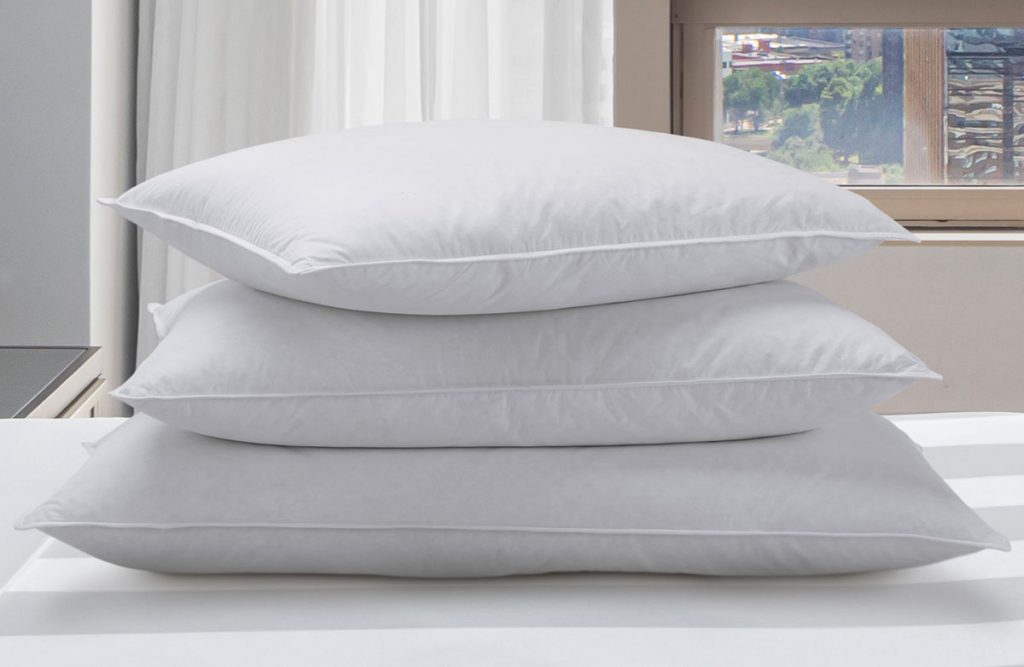
In the world of Hotels, bedding is not just a utility but a carefully engineered component of the guest experience. Leading brands like Marriott International and Hilton Worldwide invest millions of dollars into research and development to ensure their guests achieve the perfect night’s rest. To understand what types of pillows hotels use, one must look beyond the pillowcase and into the science of loft, fill power, and chambered design.
The Core Components of Luxury Hotel Pillows
The primary reason hotel pillows feel so inviting is the quality of the fill. Unlike standard retail pillows, which often prioritize cost-efficiency, hotel-grade pillows are designed for durability and consistent comfort. Most luxury properties in Europe and the United States utilize a specific set of materials to cater to a wide range of sleepers.
Filling Materials: Down vs. Synthetic
The most common type of pillow found in high-end suites is the down and feather blend. Down, the soft undercoating of geese or ducks, provides the “cloud-like” feel that many travelers associate with luxury. Feathers are often mixed in to provide structural integrity and “snap-back” support. Companies like the Pacific Coast Feather Company are frequent suppliers for major chains, providing pillows that balance softness with longevity.
However, as travel becomes more inclusive, many hotels have shifted toward down-alternative options. These are typically made from polyester microfibers or “gel” fibers that mimic the feel of down without the allergen risk. Properties under the InterContinental Hotels Group umbrella often offer both types to ensure that guests with sensitivities can still enjoy a premium experience.
The Innovation of Chambered Design
One of the best-kept secrets of the hotel industry is the “chamber pillow.” Rather than having a uniform fill throughout, these pillows feature an inner core of feathers for firm support, surrounded by an outer layer of soft down. This design ensures the pillow doesn’t go flat during the night while still feeling incredibly soft against the face. This dual-action construction is a favorite for The Ritz-Carlton, allowing them to provide a pillow that suits side, back, and stomach sleepers simultaneously.
Iconic Hotel Brands and Their Signature Bedding
Many travelers are so impressed by their sleep quality that they seek to purchase the exact bedding used during their stay. This has led many hospitality giants to launch their own retail lines, making it easier to identify the specific models used in their rooms.
The Westin Heavenly Pillow
Perhaps the most famous example is the Heavenly Bed concept introduced by Westin Hotels and Resorts. Their signature pillow is often a dual-chamber design that has become a benchmark for the industry. By focusing on a high thread-count casing and a specific ratio of down to feathers, they created a sleep environment that redefined expectations for mid-to-high-tier accommodations in North America and Asia.
Marriott’s Standard of Excellence
Marriott International typically uses a variety of pillows across its diverse portfolio, but their “Down Surround” pillow is a staple. These pillows are engineered to withstand the industrial laundering processes required in large cities like London or Tokyo. They often source their materials from Sobel Westex or Downlite, two of the largest textile suppliers in the hospitality sector.
The Ultimate Luxury at Four Seasons
For those staying at Four Seasons Hotels and Resorts, the pillow experience is highly customizable. They often use pillows with a slightly higher loft to complement their bespoke mattresses. Their focus is on “fill power”—a measure of the fluffiness of a down product. The higher the fill power, the more air the down can trap, leading to a more insulating and resilient pillow. Guests at their Dubai properties often remark on the weightlessness of the bedding, which is achieved through these high-fill-power specifications.
Understanding Pillow Construction and Design
Beyond the filling, the physical architecture of the pillow plays a significant role in how it performs. Hotels look for specific design features that ensure the pillow looks as good as it feels when the housekeeping staff finishes a room.
Gusseted Edges and Structural Support
A “gusset” is an extra strip of fabric sewn into the sides of a pillow to give it a boxier shape. This is common in pillows used by St. Regis Hotels and Resorts and other ultra-luxury brands. The gusset creates more space for the fill to expand, providing a consistent height from edge to edge. This is particularly beneficial for side sleepers who need more support for their neck and shoulders.
High-Thread Count Cotton Covers
The “shell” of the pillow is just as important as what is inside. Most hotels use 100% cotton covers with a thread count of 230 or higher. A higher thread count prevents the feathers from poking through and keeps dust mites at bay. At properties like Fairmont Hotels and Resorts, the cotton used is often long-staple variety, which provides a smoother, cooler surface that stays crisp throughout the night.
The Role of Pillow Menus in Global Hospitality
In recent years, the “one-size-fits-all” approach has been replaced by the “pillow menu.” This service allows guests to choose their preferred support level, material, and even scent. This level of customization is a hallmark of luxury stays in destinations like Hong Kong or Singapore.
Customization in Luxury Properties
At Conrad Hotels and Resorts, guests can often choose from an extensive list that includes:
- Memory Foam: For those who need orthopedic support.
- Buckwheat Pillows: Popular in many Asia properties for their cooling properties and firm contouring.
- Body Pillows: Frequently requested by families and expectant mothers staying at Waldorf Astoria Hotels and Resorts.
- Lavender-Scented Pillows: Designed to promote relaxation and deep sleep in high-stress business hubs.
By offering these choices, hotels ensure that whether a guest is staying at a Sheraton Hotels and Resorts in the United States or a boutique resort in Bali, their specific physiological needs are met.
How to Replicate the Hotel Sleep Experience at Home
If you are looking to bring the comfort of the Burj Al Arab or a chic W Hotels suite to your own bedroom, there are several steps you can take. First, identify the brand of pillow used during your favorite stay. Most hotels have a small tag on the pillow indicating the manufacturer, such as Standard Textile.
Maintenance and Longevity
Hotels maintain their pillows through frequent “fluffing” and professional cleaning. To replicate this, you should tumble dry your pillows on low heat with a few tennis balls once a month. This redistributes the fill and removes moisture that can lead to flattening. Furthermore, using a pillow protector—a staple in Hotels worldwide—will extend the life of your pillow by years.

The Layering Technique
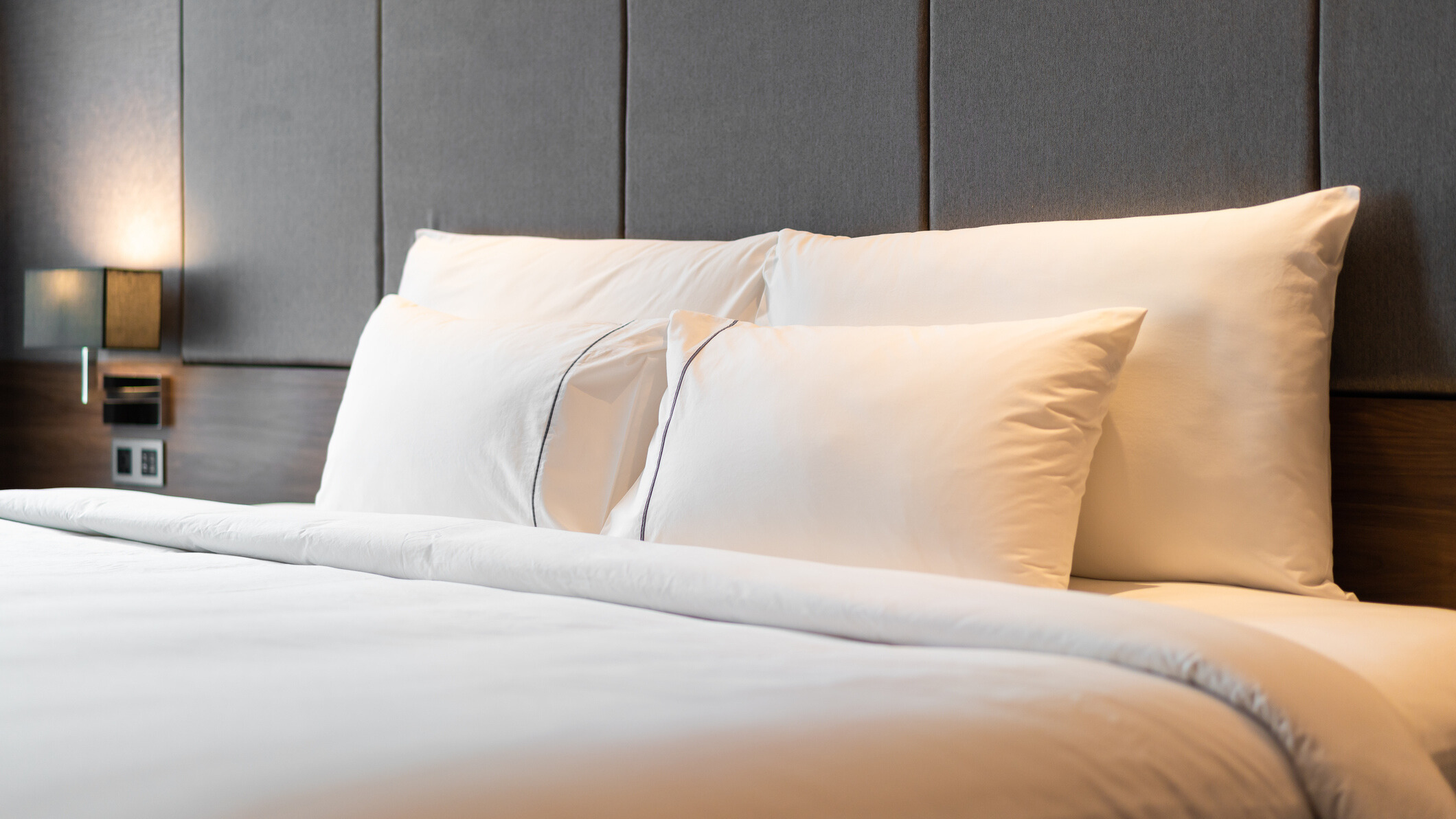
Another secret to the hotel look is the layering of pillows. Most luxury rooms feature four pillows on a king or queen bed: two firm pillows at the back for support (often synthetic or feather-heavy) and two softer, down-filled pillows in the front for comfort. This creates a visual depth that makes the bed look inviting and allows the sleeper to mix and match support levels throughout the night.
In conclusion, the pillows used by hotels are a sophisticated blend of high-quality materials, intentional engineering, and guest-focused customization. From the classic down-filled options at The Ritz-Carlton to the innovative synthetic fibers used by Hilton Worldwide, every choice is made to ensure that guests wake up feeling refreshed. By understanding these materials and construction methods, travelers can better appreciate the art of hospitality and even recreate that five-star feeling in their own homes.
LifeOutOfTheBox is a participant in the Amazon Services LLC Associates Program, an affiliate advertising program designed to provide a means for sites to earn advertising fees by advertising and linking to Amazon.com. Amazon, the Amazon logo, AmazonSupply, and the AmazonSupply logo are trademarks of Amazon.com, Inc. or its affiliates. As an Amazon Associate we earn affiliate commissions from qualifying purchases.