
Embarking on a journey across the United States, especially within the vibrant Midwest, often involves traversing significant distances between iconic cities. Two such urban beacons, Cleveland, Ohio and Chicago, frequently feature on travelers’ itineraries, whether for business, leisure, or simply exploring the region’s diverse offerings. Understanding the precise distance and the various modalities of travel between these two metropolises is paramount for efficient and enjoyable trip planning. This comprehensive guide aims to demystify the journey, offering insights into travel options, scenic routes, and what awaits you in each destination.
The Geographic Span: Unpacking the Distance Between Two Great Lakes Cities
At first glance, the distance between Cleveland on the shores of Lake Erie and Chicago near Lake Michigan might seem substantial, yet it is a well-trodden path for millions annually. The exact mileage and travel time depend heavily on the mode of transportation and the specific route chosen.
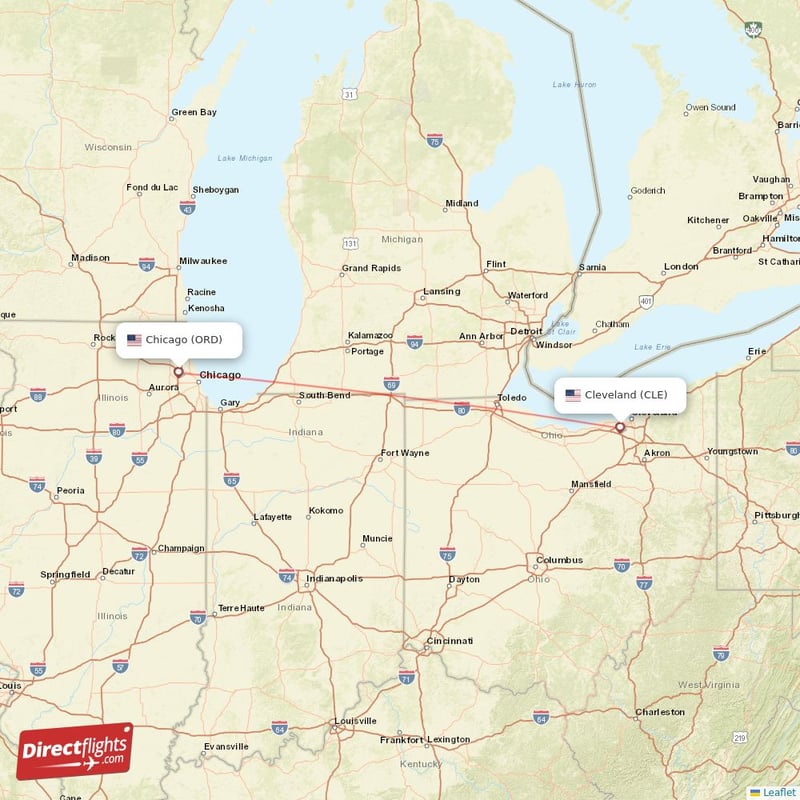
Straight-Line vs. Driving Distance
The straight-line or “as the crow flies” distance between the city centers of Cleveland and Chicago is approximately 300 miles (483 kilometers). While a useful metric for conceptual understanding and air travel, it doesn’t reflect the reality of ground transportation, which must navigate roads, rivers, and state borders.
For road travelers, the actual driving distance is considerably longer. The most common and direct routes typically cover between 340 to 355 miles (547 to 571 kilometers). This variation accounts for slight differences in highway choices and construction detours.
Key Interstate Routes and Travel Time Estimates
The primary artery connecting Cleveland and Chicago is the expansive Interstate 80 / Interstate 90 (I-80/90) corridor. This major east-west freeway system spans several states, facilitating efficient travel across the Midwest.
- The Ohio Turnpike and Indiana Toll Road: A significant portion of the journey follows these well-maintained toll roads, which offer generally higher speed limits and fewer local traffic interruptions. From Cleveland, you’ll typically take I-90 West, which merges with I-80 West shortly after passing Toledo. This route then carries you through Indiana and into Illinois, directly towards Chicago.
- Estimated Driving Time: Under ideal conditions, with minimal traffic and adherence to speed limits, the drive can take anywhere from 5.5 to 6.5 hours. However, it’s crucial to factor in potential delays due to construction, rush hour traffic, and necessary stops for fuel, food, and rest. During peak travel times or adverse weather, this duration can easily extend by an hour or more.
Navigating the Journey: Your Transportation Options
While driving is a popular choice, several other transportation methods connect Cleveland and Chicago, each offering distinct advantages in terms of cost, convenience, and travel experience.
Driving: The Quintessential American Road Trip
Driving provides unparalleled flexibility, allowing travelers to set their own pace, make spontaneous stops, and carry more luggage. It’s often the most cost-effective option for groups or families. However, it also demands attention to road conditions, vehicle maintenance, and driver fatigue.
- Costs: Beyond fuel, drivers should account for tolls on the Ohio Turnpike and Indiana Toll Road, which can add a significant amount to the overall trip cost. Parking fees in both cities, particularly Chicago, can also be substantial.
- Convenience: Having your own vehicle allows for easy exploration of both cities and any points of interest along the way. For those needing to transport specific equipment or traveling with pets, driving is often the preferred method.
Air Travel: Speed and Convenience
For travelers prioritizing speed, flying is undoubtedly the fastest way to bridge the distance. Non-stop flights between Cleveland Hopkins International Airport (CLE) and Chicago O’Hare International Airport (ORD) or Chicago Midway International Airport (MDW) are frequent.
- Flight Duration: The actual flight time is typically around 1 hour to 1 hour 15 minutes.
- Total Travel Time: When considering airport transfers, security checks, and boarding procedures, the total door-to-door travel time for air travel can often amount to 3-5 hours, comparable to driving in some cases, especially when flying into or out of smaller, less congested airports.
- Costs: Airfare can vary widely depending on the airline, booking in advance, and time of year. While sometimes more expensive than driving, competitive pricing or travel deals can make it an attractive option.
Rail and Bus: Economical and Scenic Alternatives
For those seeking a more relaxed journey or looking for budget-friendly options, intercity rail and bus services offer viable alternatives.
- Train (Amtrak): Amtrak operates routes connecting Cleveland and Chicago, typically taking around 5 to 6 hours. While not significantly faster than driving, it offers a comfortable experience with amenities like Wi-Fi, dining cars, and ample legroom, allowing passengers to work or relax without the stress of driving. The views can also offer a different perspective of the passing landscapes.
- Bus (Greyhound, Megabus, etc.): Various bus companies like Greyhound and Megabus provide regular service between the two cities. Bus journeys are generally the most economical option, with travel times ranging from 7 to 9 hours, depending on the route, stops, and traffic. This option is ideal for budget travelers or those who prefer to avoid driving and flying.
Enhancing Your Trip: Scenic Routes and Stopover Opportunities
Regardless of your chosen mode of transport, the journey between Cleveland and Chicago doesn’t have to be merely a means to an end. It can be an integral part of your travel experience, especially for road trippers.
Exploring Along I-80/90: Gateway Cities and Natural Wonders
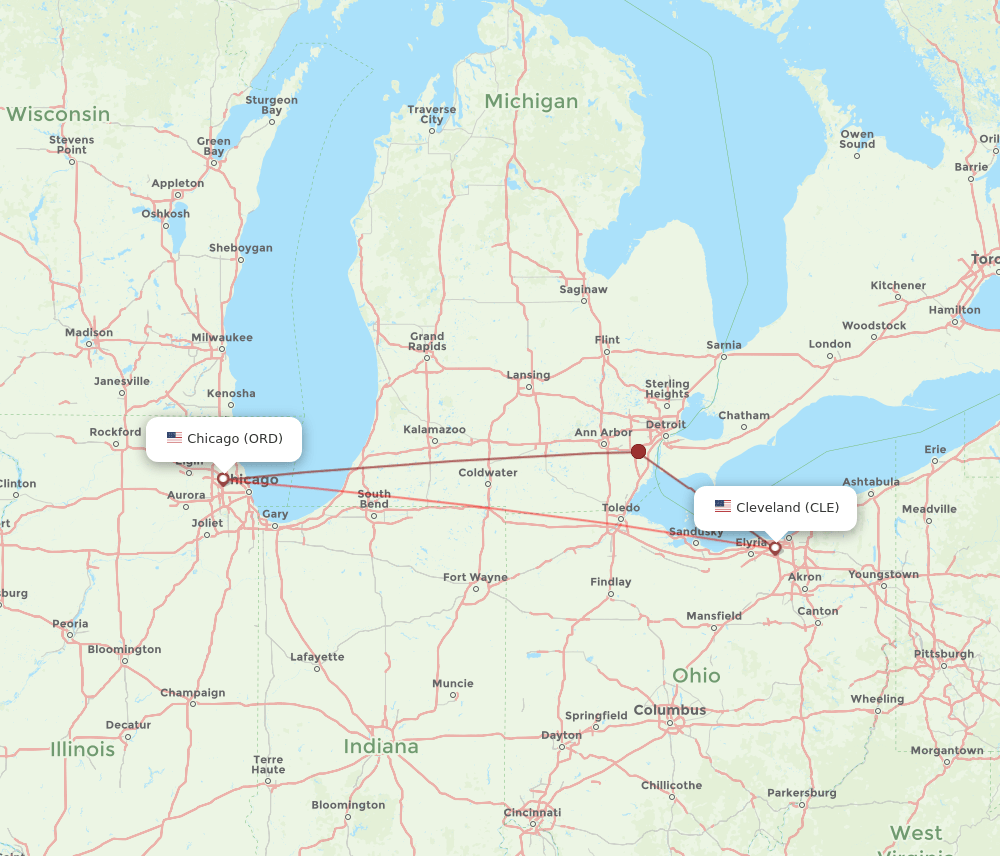
The I-80/90 corridor passes through several interesting areas worth considering for a brief stop.
- Toledo, Ohio: Roughly an hour west of Cleveland, Toledo offers attractions like the Toledo Museum of Art and its stunning glass pavilion. It’s an excellent spot for a lunch break or a leg stretch.
- South Bend, Indiana: Home to the renowned University of Notre Dame, South Bend provides a dose of collegiate atmosphere and beautiful architecture. It’s approximately halfway between the two main cities.
- Indiana Dunes National Park: Located along the southern tip of Lake Michigan, this national park offers unique sandy beaches, towering dunes, and hiking trails. It’s a fantastic natural escape just before arriving in the urban expanse of Chicago.
Beyond the Main Route: Detours for the Adventurous
For those with more time, a slight deviation from the interstate can reveal hidden gems.
- Detroit, Michigan: A two-hour detour north from Toledo would lead you to Detroit, a city rich in automotive history, music heritage (Motown), and a vibrant arts scene.
- Kalamazoo, Michigan: If you’re willing to venture further north into Michigan, Kalamazoo is known for its craft breweries and charming downtown, offering a different flavor of the Midwest.
Planning Pit Stops: Fuel, Food, and Rest
Road trips thrive on well-timed breaks. The Ohio Turnpike and Indiana Toll Road feature numerous service plazas offering fuel, restrooms, and dining options, making stops convenient and safe. Planning stops approximately every 2-3 hours of driving is advisable to combat fatigue and ensure a pleasant journey.
What Awaits You: A Tale of Two Cities
Knowing the distance and how to cover it is only half the adventure; understanding what each destination offers is the other, equally exciting, half. Both Cleveland and Chicago boast distinct personalities and a wealth of attractions.
Discovering the Charms of Cleveland
Cleveland, often hailed as an underrated gem, offers a rich tapestry of culture, music, and culinary delights.
- The Rock & Roll Hall of Fame: An absolute must-visit for music lovers, celebrating the legends and legacy of rock and roll.
- West Side Market: Cleveland’s oldest continuously operating public market, brimming with diverse vendors and global flavors.
- Cleveland Museum of Art: Home to an impressive collection spanning various cultures and periods, with free general admission.
- University Circle: A vibrant district boasting world-class museums, educational institutions, and healthcare facilities.
The Allure of Chicago: A World-Class Metropolis
Chicago, the “Windy City,” is a bustling urban center renowned for its stunning architecture, vibrant arts scene, and deep-dish pizza.
- Millennium Park and “The Bean”: An iconic public park featuring the famous “Cloud Gate” sculpture, interactive fountains, and beautiful gardens.
- Art Institute of Chicago: One of the oldest and largest art museums in the United States, housing an extraordinary collection of impressionist and post-impressionist art.
- Navy Pier: A family-friendly destination on Lake Michigan with rides, restaurants, and entertainment.
- Willis Tower (Skydeck): Ascend to the Skydeck for breathtaking panoramic views of the city and four surrounding states from its glass ledges.
- Architectural Boat Tours: Explore Chicago’s legendary skyline and learn about its history from the perspective of the Chicago River.
Practical Planning for Your Intercity Travel
A well-planned trip enhances the overall experience and minimizes unforeseen challenges.
Best Time to Travel
- Spring and Fall: These seasons offer pleasant weather, fewer crowds, and vibrant natural scenery, making them ideal for both driving and exploring the cities.
- Summer: While popular for festivals and outdoor activities, summer can bring higher temperatures, increased tourist traffic, and potentially higher costs for accommodation and flights.
- Winter: Travel during winter can be challenging due to snow and ice, especially on the roads. However, both cities offer unique winter attractions and fewer crowds for indoor activities.
Cost Considerations and Budgeting
When planning your budget, factor in not just the primary transportation cost but also:
- Accommodation: Prices vary significantly between Cleveland and Chicago, with Chicago generally being more expensive.
- Food: Both cities offer a spectrum of dining options, from budget-friendly eateries to high-end restaurants.
- Activities: Many museums and attractions charge admission fees, so research these in advance.
- Local Transportation: Consider public transport passes or ride-sharing costs within each city.

Essential Packing and Preparation
- Navigation: Ensure your GPS is updated, or have physical maps as a backup.
- Vehicle Maintenance: If driving, have your car serviced before departure.
- Comfort: Pack layers of clothing to adapt to varying temperatures and weather conditions. Comfortable walking shoes are a must for exploring both cities.
- Connectivity: Portable chargers for electronic devices are invaluable, especially on long journeys.
The journey between Cleveland, Ohio and Chicago is a manageable and rewarding experience, whether you choose the open road, the speed of air travel, or the comfort of rail. By understanding the distances, exploring transportation options, and planning for potential stops and activities, travelers can transform a simple transit into an enriching part of their Midwest adventure, revealing the unique charm and vibrant energy that defines these two remarkable cities.
LifeOutOfTheBox is a participant in the Amazon Services LLC Associates Program, an affiliate advertising program designed to provide a means for sites to earn advertising fees by advertising and linking to Amazon.com. Amazon, the Amazon logo, AmazonSupply, and the AmazonSupply logo are trademarks of Amazon.com, Inc. or its affiliates. As an Amazon Associate we earn affiliate commissions from qualifying purchases.