
In the contemporary landscape of global hospitality, few brands have managed to bridge the gap between European sophistication and international scalability as effectively as AC Hotels. Often recognized by their sleek, minimalist design and urban-centric locations, these hotels have become a favorite for business travelers and design enthusiasts alike. However, behind the polished glass facades and the curated AC Lounge experiences lies a complex history of ownership, strategic partnerships, and a visionary founder. Understanding who owns AC Hotels requires a look back at the brand’s origins in Spain and its eventual integration into the largest hotel company in the world.
The Visionary Behind the Brand: Antonio Catalán
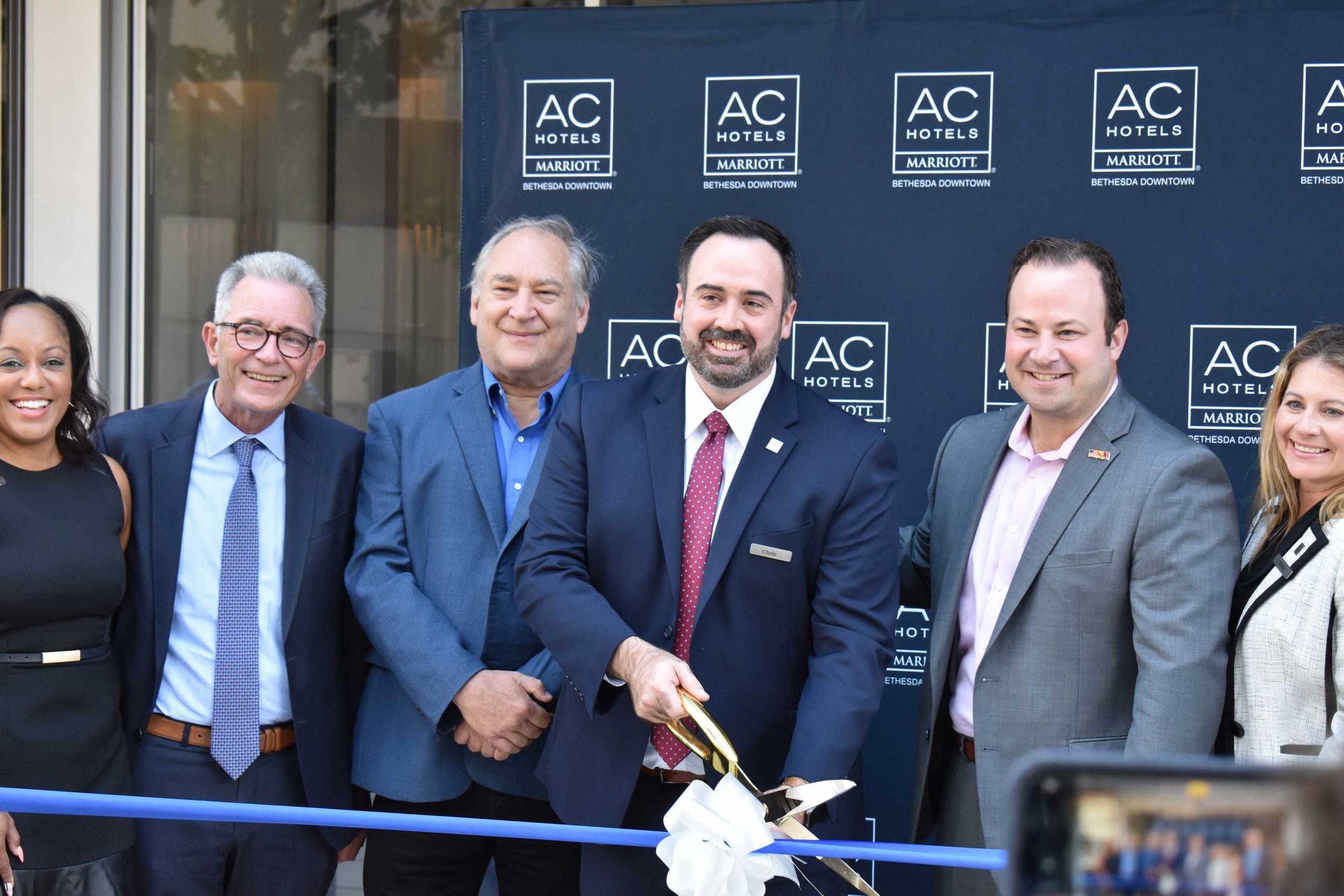
To understand the ownership of AC Hotels, one must first look at the man whose initials grace the building: Antonio Catalán. A titan of the Spanish hospitality industry, Antonio Catalán was no stranger to the world of hotel management and development. Before launching this specific brand, he had already achieved significant success by founding NH Hotels, another major European player.
The Birth of AC Hotels in Spain
In the late 1990s, Antonio Catalán envisioned a brand that departed from the traditional, often ornate style of Spanish luxury. He sought to create a hotel experience that was functional yet stylish, catering specifically to the modern traveler who valued efficiency and aesthetic clarity. In 1998, the first AC Hotels began to appear across Spain.
The brand quickly established itself in key urban centers like Madrid and Barcelona. The focus was on “everything you need and nothing you don’t,” a philosophy that resonated deeply with the burgeoning class of European professionals. Under Antonio Catalán’s leadership, the company grew into a dominant domestic force, eventually expanding its footprint into Italy and Portugal.
A New Chapter: The Move Toward Global Partnership
By the end of the first decade of the 2000s, AC Hotels was a respected name within Europe, but it faced the challenges of a competitive global market. To transition from a successful regional player to a global household name, the brand needed the infrastructure, distribution network, and loyalty program of a larger entity. This realization set the stage for one of the most significant joint ventures in the modern hotel industry.
The Marriott International Partnership
In 2011, the ownership structure of the brand underwent a fundamental shift. Marriott International, a powerhouse based in the United States, was looking to bolster its presence in Europe and attract a younger, design-conscious demographic. The two entities found common ground, leading to the creation of a joint venture originally known as “AC Hotels by Marriott.”
The Terms of the Joint Venture
The partnership was designed to combine the “European soul” and design sensibility of Antonio Catalán with the operational excellence and global reach of Marriott International. Under this agreement, Marriott International took a majority stake in the brand, while Antonio Catalán remained involved as a partner and a key influence on the brand’s creative direction.
This move was mutually beneficial. For Marriott International, it provided an immediate portfolio of over 70 hotels in Spain, Italy, and Portugal. For the original owners of AC Hotels, it opened the door to the North America market and the lucrative Marriott Bonvoy loyalty program.
Expansion into the Americas and Beyond
Following the joint venture, the brand underwent a rapid transformation. The first AC Hotels in the United States opened in New Orleans in 2014, followed quickly by locations in Miami, Chicago, and Kansas City. The brand was no longer just a Spanish secret; it had become a global lifestyle brand. Today, Marriott International oversees the management and franchising of the brand across multiple continents, including South America and Asia.
Current Ownership: Who Holds the Reins Today?
As of the current market standing, AC Hotels is a fully integrated brand within the Marriott International portfolio. While Antonio Catalán remains a highly influential figure and maintains a role within the Spanish operations, the global brand is owned and managed by Marriott International.
Integration into the Marriott Portfolio
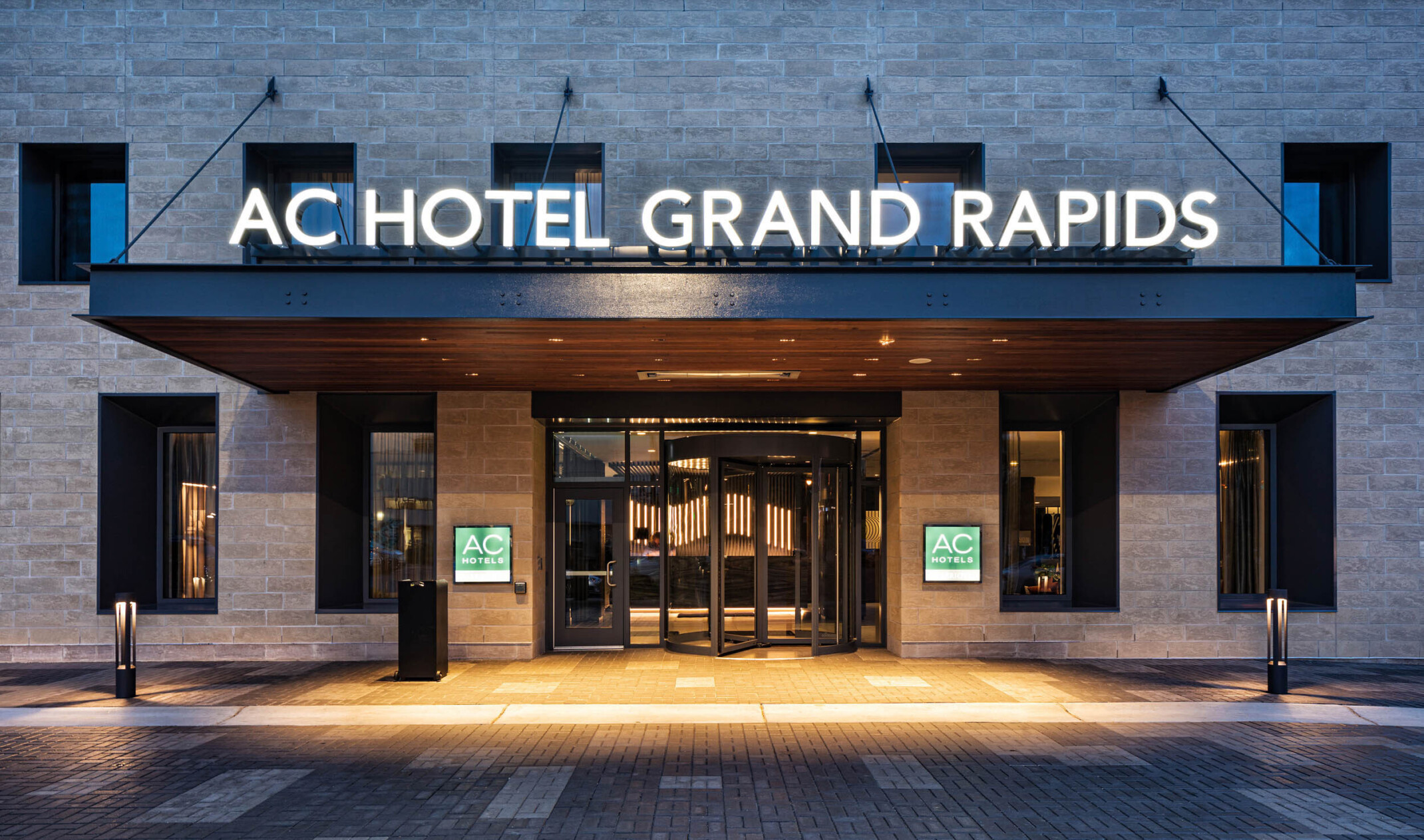
Marriott International classifies AC Hotels as part of its “Lifestyle” category, sitting alongside other notable brands such as Aloft Hotels, Moxy Hotels, and W Hotels. This positioning allows the brand to compete for travelers who find traditional hotels like Sheraton or Westin too conventional, but still want the reliability of a major corporate parent.
The ownership by Marriott International means that the brand benefits from centralized booking systems, massive marketing budgets, and the ability to scale into new markets like Tokyo, London, and Paris with relative ease.
The Role of Real Estate Investment Trusts (REITs)
While Marriott International owns the brand and the intellectual property, it is important to note that they do not necessarily own the physical buildings for every AC Hotels location. Like many major hotel corporations, Marriott International often operates under a “light-asset” model. This means that individual hotel properties are frequently owned by third-party investors, developers, or Real Estate Investment Trusts (REITs), such as Host Hotels & Resorts. These entities own the land and the structure, while Marriott International provides the branding and management expertise.
The Brand Philosophy Under Global Ownership
Even as ownership moved to a corporate giant like Marriott International, the brand has maintained a surprisingly consistent identity. This is a testament to the strength of the original vision of Antonio Catalán. The brand’s philosophy remains rooted in the idea of “The Edited Hotel.”
Design and Aesthetics
The ownership transition ensured that the “European soul” of the brand was not lost. Every AC Hotels property emphasizes clean lines, a neutral color palette, and high-quality materials like wood and stone. This minimalist approach is not just an aesthetic choice; it is a business strategy that reduces clutter and operational overhead while appealing to modern sensibilities. Whether you are in a room in New York City or Rio de Janeiro, the design language remains cohesive.
Signature Amenities and Experiences
Under the stewardship of Marriott International, certain brand signatures have been institutionalized. The AC Kitchen offers a European-inspired breakfast featuring sliced prosciutto, artisan cheeses, and freshly baked croissants, a nod to its Spanish heritage. The AC Lounge serves as a co-working space by day and a sophisticated cocktail bar by night, specializing in gin and tonics—a favorite in Spain.
By maintaining these specific cultural touchpoints, the ownership group ensures that AC Hotels stands out from other mid-to-upscale brands like Courtyard by Marriott or Hilton Garden Inn.
The Future of AC Hotels Under the Marriott Umbrella
Looking forward, the ownership of AC Hotels seems more secure than ever within the Marriott International ecosystem. The brand has become a primary vehicle for Marriott International to enter urban markets where space is at a premium and travelers are looking for a more “boutique” feel.
Continued Global Growth
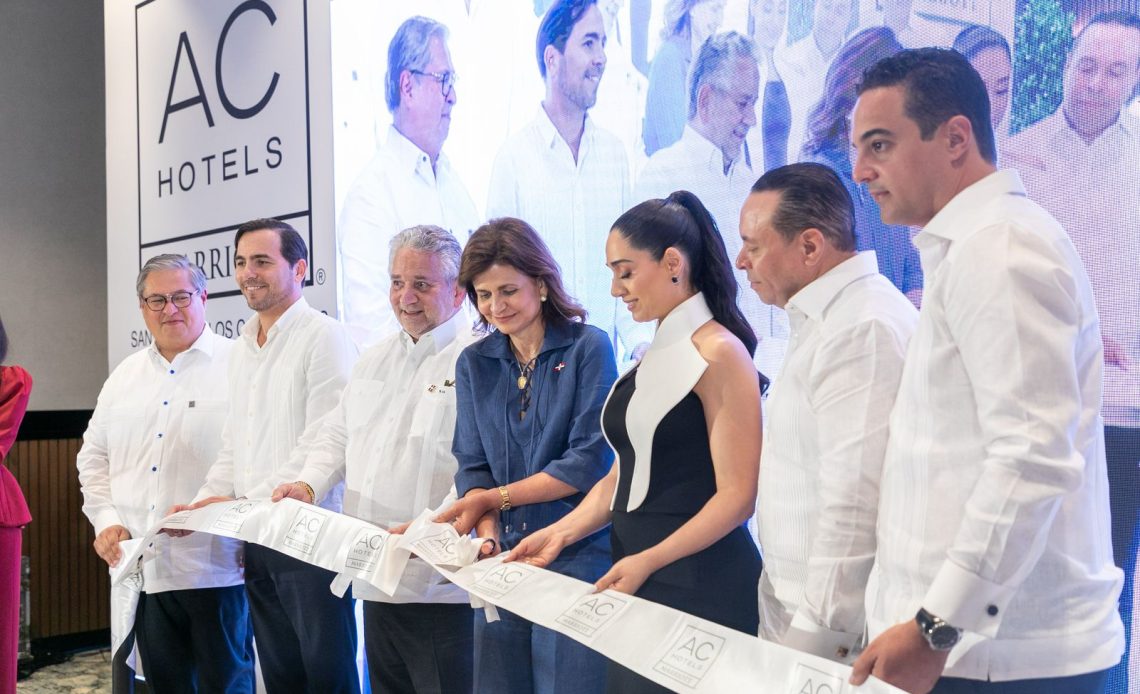
The expansion plans for the brand are aggressive. New properties are slated for development across the Middle East and further expansion into China. The ability of Marriott International to leverage its global sales teams and corporate accounts ensures that AC Hotels will continue to be a top choice for business travel programs worldwide.
Evolution of the Brand Experience
As guest preferences evolve, the ownership is likely to invest more in technology and sustainability. Marriott International has already begun implementing mobile key entry and eco-friendly initiatives across the AC Hotels portfolio. The goal is to remain relevant in a world where travelers are increasingly concerned with the environmental impact of their stay and the seamlessness of their digital experience.
In conclusion, while the brand began as the brainchild of Antonio Catalán in Spain, it is now a cornerstone of the Marriott International global empire. This unique ownership history—a blend of Spanish entrepreneurial spirit and American corporate power—is exactly what has allowed AC Hotels to become the modern, sophisticated, and ubiquitous presence it is today in the world of luxury and lifestyle hospitality. Whether you are staying at an AC Hotels in Los Angeles or Berlin, you are experiencing the legacy of a visionary founder supported by the most powerful name in the hotel industry.
LifeOutOfTheBox is a participant in the Amazon Services LLC Associates Program, an affiliate advertising program designed to provide a means for sites to earn advertising fees by advertising and linking to Amazon.com. Amazon, the Amazon logo, AmazonSupply, and the AmazonSupply logo are trademarks of Amazon.com, Inc. or its affiliates. As an Amazon Associate we earn affiliate commissions from qualifying purchases.