
For anyone embarking on a new chapter in California, whether establishing a permanent residence, expanding a business, or simply making significant purchases, understanding the state’s intricate tax landscape is a crucial aspect of responsible financial lifestyle management. Beyond the familiar sales tax, a less discussed but equally important levy often comes into play: the California Use Tax. While it might sound obscure, this tax can significantly impact your budget and purchasing decisions, making it vital for anyone living, working, or even just heavily shopping within the Golden State to grasp its nuances. This comprehensive guide delves into what the California Use Tax is, its lifestyle implications, and how to navigate it seamlessly, ensuring your financial planning remains robust and compliant.
Understanding the California Use Tax: More Than Just a Sales Tax
At its core, the California Use Tax is a companion to the sales tax, designed to level the playing field and ensure fairness in taxation, regardless of where or how certain purchases are made. It’s a consumption tax on tangible personal property that is purchased without sales tax and subsequently used, stored, or consumed in California. For individuals and businesses managing their lifestyle in California, understanding this distinction is paramount to avoid unexpected liabilities.
The Fundamental Difference: Sales Tax vs. Use Tax
The primary distinction between sales tax and use tax lies in where the tax is collected. Sales tax is imposed on retailers for the privilege of selling tangible personal property at retail. The retailer collects the tax from the consumer and remits it to the state. This is the common transaction most people are familiar with when shopping at brick-and-mortar stores or from in-state online retailers.
Use tax, conversely, is imposed directly on the consumer. It generally applies when you purchase tangible personal property from an out-of-state vendor (including online retailers) who does not collect California sales tax, but you then bring that property into California for use, storage, or consumption. The intent is to ensure that all goods consumed in California are subject to the same tax rate, preventing consumers from circumventing sales tax by purchasing from out-of-state or online sellers who do not have a physical presence (nexus) in California and therefore do not collect the state’s sales tax. This mechanism is crucial for the state’s revenue and for supporting local businesses against unfair competition from untaxed out-of-state sales.
Who Pays the Use Tax?
The responsibility for paying the use tax falls squarely on the purchaser. This includes:
- California Residents: If you buy goods from an out-of-state retailer—whether online, via mail order, or during travel—and that retailer does not charge California sales tax, you are generally responsible for reporting and paying the use tax to the California Department of Tax and Fee Administration (CDTFA). This applies to everything from clothing and electronics to furniture and vehicles.
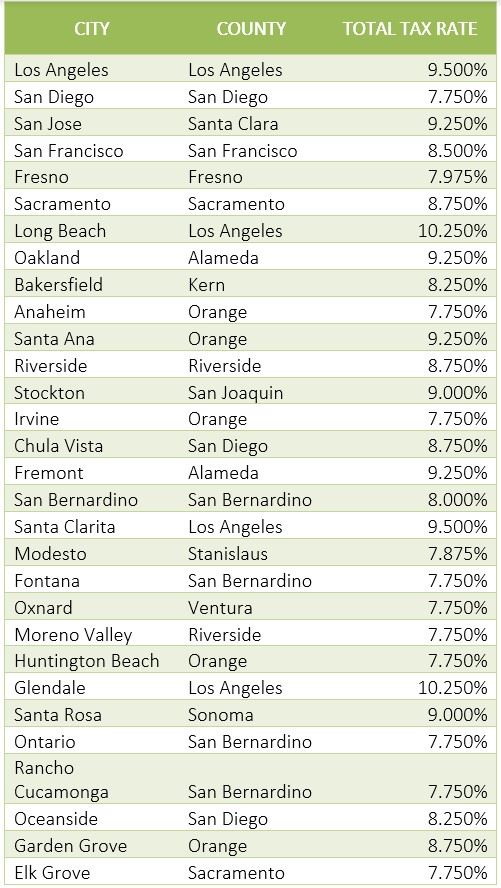
- Businesses Operating in California: Companies that acquire equipment, office supplies, or other tangible personal property from out-of-state vendors without paying sales tax are also liable for use tax. This is particularly relevant for businesses setting up new operations in bustling cities like Los Angeles or San Francisco that might source specialized equipment from across state lines.
- Even Travelers Bringing Goods In: While less common for casual tourists, if a California resident travels out of state, makes a substantial purchase (e.g., a piece of art, high-value jewelry), and brings it back into California without paying sales tax at the point of purchase, use tax may apply. This extends to individuals moving into California with significant assets acquired out-of-state.
Lifestyle Impact: Navigating Use Tax for Residents and Newcomers
The California Use Tax isn’t just a concern for large corporations; it profoundly impacts the everyday lifestyle choices of individuals. From furnishing a new home to the convenience of online shopping, understanding this tax can help you manage your budget and ensure compliance without surprises.
Setting Up Your California Home: Big Purchases and Your Tax Bill
Relocating to California is a significant life event, often accompanied by the excitement of furnishing a new home. Whether you’re moving to the vibrant urban landscape of San Diego or the serene suburbs of Orange County, large purchases like furniture, appliances, and electronics are common. If you acquire these items from out-of-state retailers who do not charge California sales tax, you become liable for use tax.
For example, if you order a custom sofa from a furniture maker in North Carolina that ships directly to your California address and does not collect California sales tax, you are obligated to report and pay the use tax. This can add a significant percentage to the overall cost of expensive items, making it crucial to factor this into your budget planning when making major lifestyle investments for your California residence.
Online Shopping and the Use Tax Trap
The digital age has revolutionized our shopping habits, making online purchases an integral part of modern lifestyle. The convenience of e-commerce often means buying from vendors located all over the world. While many major online retailers now collect sales tax for California due to economic nexus laws, smaller or specialized out-of-state sellers may not.
If you regularly purchase items online without sales tax being charged, you are accumulating a use tax liability. This could be for anything from specialized hobby equipment, rare collectibles, to unique fashion items. Many individuals are unaware of this obligation, but the state expects you to self-report and pay. For a responsible financial lifestyle, it’s advisable to keep records of such purchases and periodically remit the use tax. Failing to do so can lead to penalties and interest if discovered during an audit.
For the Business-Minded: Use Tax and California Ventures
For entrepreneurs and businesses operating or expanding within California, understanding use tax is not just a matter of compliance but also a strategic financial consideration. From equipping new offices to sourcing specialized machinery, the use tax impacts the bottom line and requires careful accounting. This ties into the “Business Stays” aspect of our lifestyle category, as seamless business operations are a key part of an entrepreneurial lifestyle.
Equipping Your California Business: Out-of-State Acquisitions
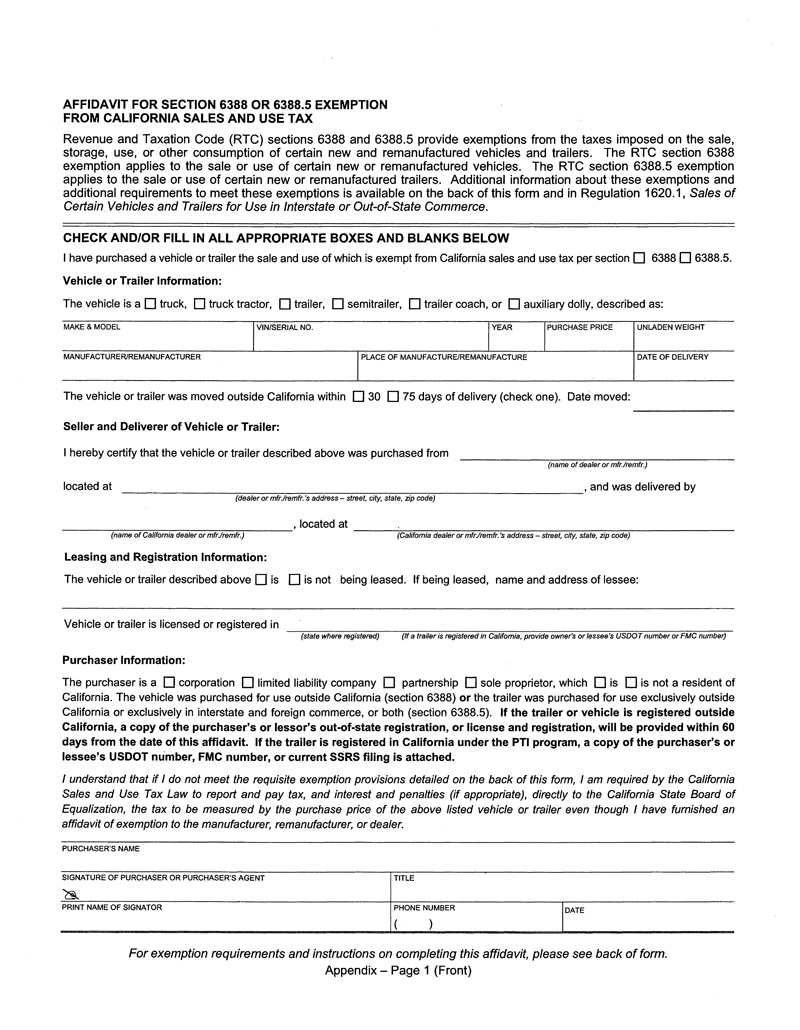
Businesses often make substantial investments in tangible personal property, such as office furniture, computer systems, manufacturing equipment, or vehicles. If a business with a physical presence in California purchases these items from an out-of-state vendor who does not collect California sales tax, the use tax applies.
Consider a tech startup in Silicon Valley ordering specialized servers from a supplier in Texas who only charges Texas sales tax, or no sales tax if the supplier isn’t registered to collect in California. Once those servers are shipped to and used in California, the California use tax becomes due. This extends to virtually any asset a business might acquire for its operations. Diligent record-keeping and proactive reporting are essential for maintaining financial health and avoiding legal complications for businesses striving for a robust and compliant lifestyle.
Professional Services and Tangible Personal Property
While professional services themselves are generally exempt from sales and use tax, the line can blur when a service includes the transfer of tangible personal property. For instance, if a design firm in San Francisco contracts with an out-of-state printing company to produce brochures, and the printing company doesn’t collect California sales tax on the final printed materials, the San Francisco firm would be liable for use tax on the value of those materials. Similarly, if an architect commissions an out-of-state model maker to create a physical model for a California project, use tax could apply to the model itself. Businesses must scrutinize their contracts and invoices to identify potential use tax liabilities embedded in service agreements that involve tangible outputs.
Practical Guide to California Use Tax Compliance
Navigating the intricacies of the California Use Tax can seem daunting, but adhering to best practices for compliance is a cornerstone of responsible financial management for any lifestyle in the state. Proactive measures can save you from future headaches and unexpected costs.
How to Report and Pay the Use Tax
For individuals, the most common method to report and pay use tax is through your annual California income tax return. The state tax form (Form 540) typically includes a line where you can declare your total use tax liability for the year. The CDTFA also provides a dedicated “Use Tax Return” form for those who prefer to remit payments more frequently or who do not file a California income tax return.
Businesses, especially those registered with the CDTFA for sales tax purposes, generally report and pay use tax on their regular sales and use tax returns. This integration simplifies the process, allowing businesses to account for both sales collected and use tax owed in a single filing. Accurate record-keeping of all out-of-state purchases not taxed at the point of sale is crucial. This includes invoices, receipts, and shipping documents that clearly show what was purchased, from whom, and whether sales tax was collected.
Exemptions and Common Misconceptions
While the use tax is broad, certain exemptions exist. These can sometimes lead to misconceptions about its applicability. Common exemptions include:
- Property brought into California by new residents: Personal effects and household furnishings acquired outside California and brought into the state by new residents for their own use are generally exempt if they were purchased more than 90 days before the resident moved to California. This is a critical exemption for those undertaking a significant lifestyle change by relocating.
- Property subject to sales tax in another state: If you paid sales tax in another state on an item that you later bring to California, you generally receive a credit for the tax paid against your California use tax liability. If the other state’s sales tax rate was equal to or higher than California’s, you likely owe no additional use tax. However, if the other state’s rate was lower, you might owe the difference.
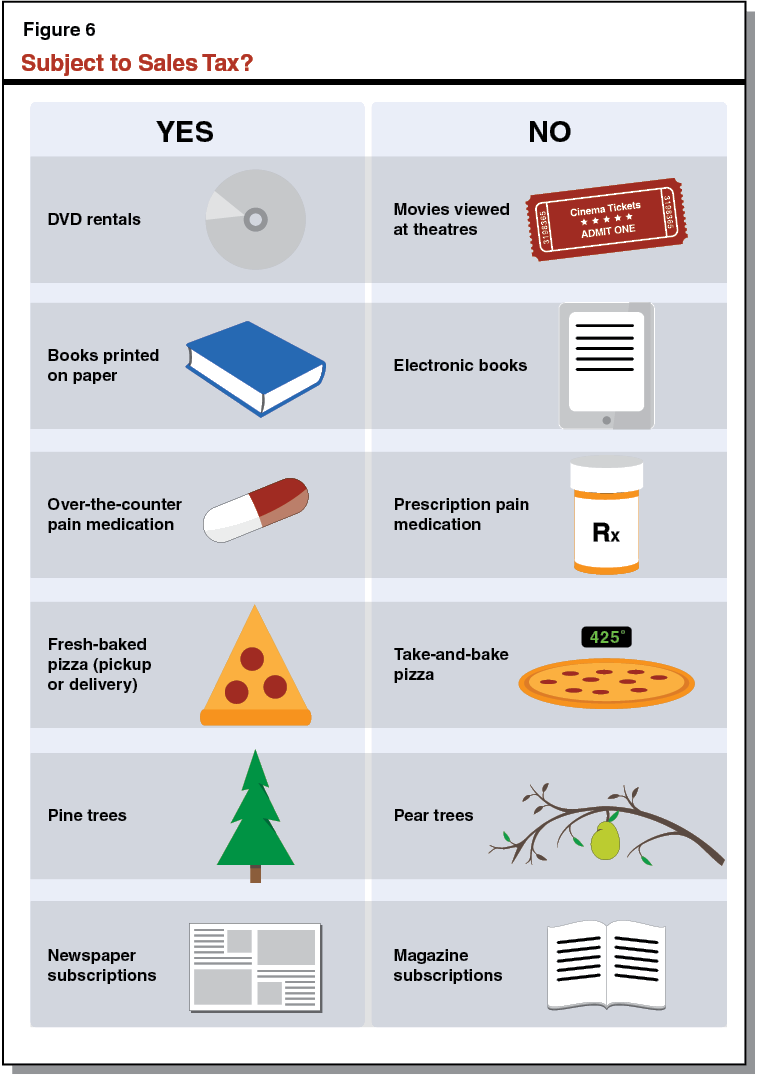
- Certain food products, prescription medicines, and periodicals: Similar to sales tax exemptions, these items are often exempt from use tax as well.
A common misconception is that if an online retailer doesn’t charge sales tax, the purchase is tax-free. This is almost never the case for items used in California. The responsibility merely shifts from the retailer to the consumer. Another misconception is that small purchases don’t count; while de minimis amounts might not be actively pursued, legally, all purchases are subject to the tax unless specifically exempted.
The Broader Economic Picture: Why Use Tax Matters for California’s Lifestyle
The California Use Tax isn’t just a regulatory burden; it plays a vital role in maintaining the state’s economic health and supporting its vibrant lifestyle. The revenue generated from sales and use taxes helps fund essential public services, including education, healthcare, public safety, and infrastructure projects—all of which contribute to the quality of life enjoyed by residents and visitors.
By ensuring a level playing field for taxation on goods consumed within the state, the use tax helps protect [California](https://lifeoutofthebox.com/california]’s brick-and-mortar businesses, which are crucial employers and community pillars. Without it, local businesses would face an unfair disadvantage against out-of-state competitors who could offer goods at a seemingly lower price by avoiding sales tax collection. This protection fosters a diverse and competitive retail landscape, enriching consumer choices and supporting local economies across California, from the boutiques in Beverly Hills to the farmers’ markets in smaller towns.
Ultimately, understanding and complying with the California Use Tax is an integral part of responsible citizenship and prudent financial management for anyone whose lifestyle intersects with the Golden State. It’s a testament to the fact that effective fiscal policy underpins the very fabric of the vibrant and dynamic lifestyle California offers.
LifeOutOfTheBox is a participant in the Amazon Services LLC Associates Program, an affiliate advertising program designed to provide a means for sites to earn advertising fees by advertising and linking to Amazon.com. Amazon, the Amazon logo, AmazonSupply, and the AmazonSupply logo are trademarks of Amazon.com, Inc. or its affiliates. As an Amazon Associate we earn affiliate commissions from qualifying purchases.