
The hospitality industry is a complex web of corporate giants, franchise owners, and real estate investment trusts. Among the most recognizable names in the mid-scale lodging sector is Hampton Inn. Whether you are driving across the United States or visiting a bustling capital in Europe, the familiar logo is a symbol of consistency and reliability. However, many travelers often wonder about the machinery behind the brand. Who truly owns Hampton Inn hotels? The answer involves a multi-layered structure of corporate ownership by Hilton Worldwide and an expansive network of independent franchisees.
The Corporate Umbrella: Hilton Worldwide Holdings Inc.
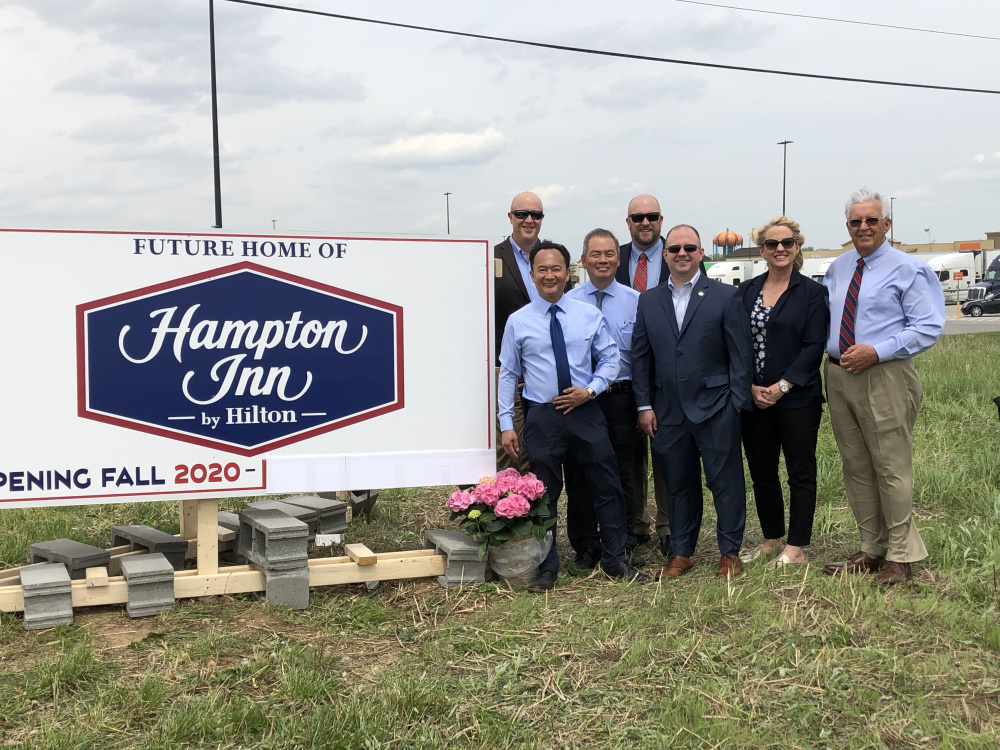
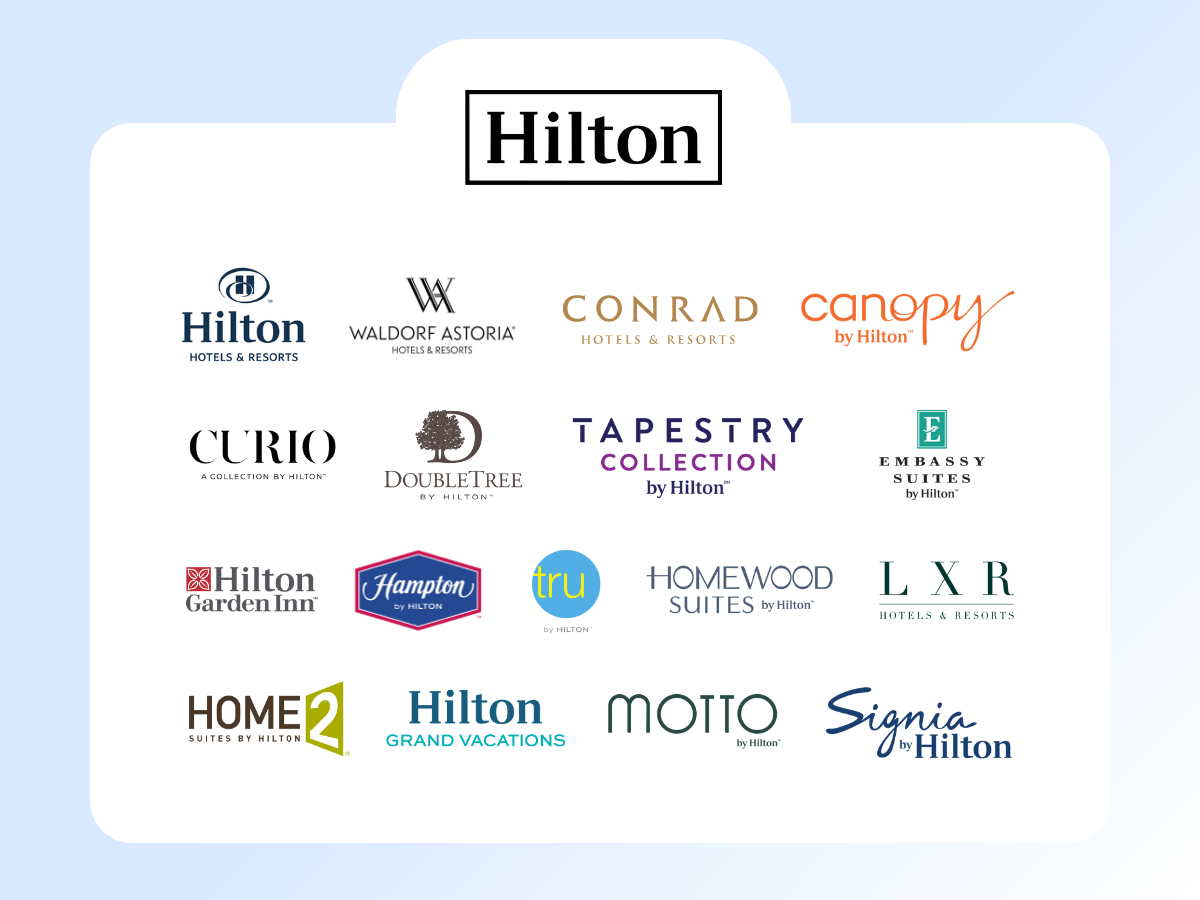
At the highest level, the Hampton Inn brand—now officially known in many regions as Hampton by Hilton—is owned by Hilton Worldwide Holdings Inc.. Based in McLean, Virginia, Hilton is one of the largest hospitality companies in the world, managing a massive portfolio of brands that range from luxury resorts to extended-stay suites.
The History of Acquisition
The journey of Hampton Inn into the Hilton family is a fascinating tale of corporate evolution. The brand was originally launched in 1984 by the Holiday Corporation in Memphis, Tennessee. It was designed to be a budget-friendly alternative to the flagship Holiday Inn. Over time, the brand was spun off into the Promus Hotel Corporation, which also included brands like Embassy Suites and DoubleTree.
In 1999, Hilton Hotels Corporation acquired Promus Hotel Corporation for approximately $3.7 billion. This pivotal merger brought Hampton Inn under the same umbrella as legendary properties like the Waldorf Astoria and the Conrad Hilton legacy. Since then, Hilton has meticulously nurtured the brand, expanding its reach from a primarily North American presence to a global powerhouse.
Brand Integration and Hilton Honors
Under the ownership of Hilton Worldwide, Hampton Inn was fully integrated into the Hilton Honors loyalty program. This strategic move allowed the brand to tap into a massive database of frequent travelers who could earn and redeem points at Hampton locations. This integration is a key reason why the brand dominates the mid-scale market; it offers the value of a limited-service hotel with the perks of a world-class rewards system.
The Franchise Model: Who Owns the Buildings?
While Hilton Worldwide owns the brand name, the trademarks, and the intellectual property, they do not own the majority of the physical Hampton Inn buildings. Most Hampton properties are owned by third-party investors, real estate developers, or Real Estate Investment Trusts (REITs).
The Role of Individual Franchisees
The vast majority of Hampton Inn locations operate under franchise agreements. This means a local business owner or a hospitality management group pays Hilton a fee to use the brand name, marketing resources, and reservation systems. In exchange, the franchisee must adhere to strict brand standards regarding everything from the thread count of the sheets to the specific items served at the “Free Hot Breakfast.”
Large management companies often own dozens of Hampton Inn properties across different states. For example, groups like Park Hotels & Resorts or Host Hotels & Resorts may include various Hilton branded properties in their portfolios. This decentralized ownership model allows Hilton to grow the brand rapidly without the massive capital expenditure required to buy land and build hotels in every city.
Maintaining Brand Consistency
The challenge of having thousands of different owners for one brand is maintaining consistency. To solve this, Hilton Worldwide employs a rigorous quality assurance program. Whether you are staying at a Hampton Inn in Chicago or London, you expect a similar experience. This “Hamptonality” culture is a set of service standards that all owners and their staff must follow, ensuring that the brand’s reputation for friendly service and clean rooms remains intact regardless of who holds the deed to the property.
Global Expansion and International Ownership

In recent years, Hampton by Hilton has aggressive expanded outside of North America. This international growth often involves unique ownership structures and strategic partnerships that differ from the traditional American franchise model.
Strategic Partnerships in Asia
One of the most significant moves in the brand’s history was the partnership with Plateno Group (and subsequently Jin Jiang International) to expand Hampton by Hilton across China. In this scenario, Hilton partnered with a local expert to navigate the complex regulatory and cultural landscape of the East.
As a result, hundreds of Hampton hotels have opened in cities like Beijing, Shanghai, and Guangzhou. While Hilton maintains brand control, the physical ownership and day-to-day operations are often handled by these massive Chinese conglomerates. This model has proven incredibly successful, making Hampton one of the fastest-growing international hotel brands in the region.
Presence in Europe and Latin America
In Europe, the brand is commonly found in major hubs like Berlin, Paris, and Madrid. Here, ownership is often split between institutional investors and private equity firms that see the Hampton by Hilton brand as a “safe bet” for high occupancy rates. Similarly, in Latin America, specifically in countries like Mexico and Colombia, the brand serves as a bridge for business travelers who want the reliability of an American brand with local hospitality.
Brand Standards: What Every Owner Must Provide
Regardless of whether the owner is a billionaire investor or a regional hospitality group, every Hampton Inn must offer a specific set of amenities that define the brand. These standards are what keep guests coming back, and they are non-negotiable for anyone who wants to fly the Hilton flag.
Signature Amenities
The “On the House” hot breakfast is perhaps the most famous brand standard. Every owner is required to provide this service, which has become a staple for families and business travelers alike. Furthermore, the “Clean and Fresh Hampton Bed” is a standardized sleep experience that includes a premium mattress and duvet cover that is laundered after every stay—a practice Hampton Inn pioneered in the mid-scale sector.
Other required amenities include:
- High-speed internet access (free for Hilton Honors members).
- Fitness centers and business centers at most locations.
- The 100% Hampton Guarantee, which empowers staff to refund a guest’s stay if they are not completely satisfied.
Architectural Consistency
Hilton provides owners with specific architectural prototypes. While some Hampton Inn locations are “adaptive reuses” (historic buildings like an old bank in New Orleans converted into a hotel), the majority of new builds follow a sleek, modern design. These prototypes are designed to be cost-effective for the owner to build while maximizing space and comfort for the guest.
The Future of Hampton Inn Ownership
As the hospitality landscape shifts toward digital transformation and boutique experiences, the ownership of Hampton Inn continues to evolve. Hilton Worldwide is increasingly focusing on an “asset-light” strategy. This means the company is moving further away from owning real estate and focusing more on the high-margin business of franchising and management.
Sustainability and Modernization
Current and future owners of Hampton Inn properties are now being tasked with implementing Hilton’s “Travel with Purpose” ESG (Environmental, Social, and Governance) goals. This includes reducing carbon footprints, eliminating single-use plastics, and ensuring diversity in hiring practices. Ownership now comes with a responsibility to the environment and the local community, as modern travelers from Canada to the United Kingdom increasingly choose hotels based on their ethical footprints.
Technology and the Guest Experience
Ownership also involves investing in the latest technology. Hilton Worldwide requires franchisees to implement Digital Key technology, allowing guests to check in and unlock their doors via the Hilton Honors app. For the owners, this reduces the need for large front-desk staffs; for the guests, it provides a seamless, “contactless” experience that has become particularly popular in the post-pandemic era.
In summary, while the name on the building is Hampton Inn, the entity “owning” it is often a complex partnership. Hilton Worldwide Holdings Inc. owns the brand’s soul—its standards, its marketing, and its reputation—while thousands of independent franchisees and investment groups own the physical walls and land. This symbiotic relationship between a global corporate giant and local entrepreneurs is what has allowed Hampton Inn to become a fixture of the global travel landscape, from the smallest towns in Germany to the busiest corners of New York City. Understanding this ownership structure reveals how the brand maintains its high standards while continuing to expand into every corner of the globe.
LifeOutOfTheBox is a participant in the Amazon Services LLC Associates Program, an affiliate advertising program designed to provide a means for sites to earn advertising fees by advertising and linking to Amazon.com. Amazon, the Amazon logo, AmazonSupply, and the AmazonSupply logo are trademarks of Amazon.com, Inc. or its affiliates. As an Amazon Associate we earn affiliate commissions from qualifying purchases.