
The world of luxury hospitality is often defined by its exclusivity, its history, and its ability to provide a sanctuary from the outside world. Within the realm of cinematic animation, no establishment embodies this more than Hotel Transylvania. While the hotel itself is a marvel of gothic architecture and specialized monster-centric amenities, the narrative heart of the franchise often centers on its first-ever human guest: Jonathan Loughran, better known as Johnny. To understand the success of this fictional resort and the films that showcase it, one must look at the voice behind the character and how his presence transformed the most secluded retreat in Romania into a bustling hub of modern tourism.
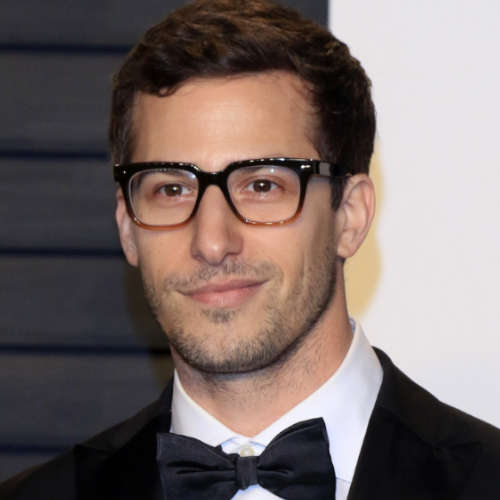
The Management and Voice Behind the Guest: Who Voices Johnny?
When discussing the personnel and “guests” that make Hotel Transylvania a legendary destination, the performance of the voice cast is as crucial as a general manager’s oversight in a five-star resort. The character of Johnny, the free-spirited backpacker who stumbles upon the castle, required a voice that could convey boundless energy, optimism, and a hint of chaotic charm.
Andy Samberg: The Original Voice of Adventure
For the first three films in the franchise—Hotel Transylvania, Hotel Transylvania 2, and Hotel Transylvania 3: Summer Vacation—Johnny was voiced by the prolific comedian and actor Andy Samberg. Known for his work on Saturday Night Live and Brooklyn Nine-Nine, Samberg brought a “surfer-dude” sensibility to the role that perfectly contrasted with the stiff, traditionalist management style of Count Dracula.
Samberg’s portrayal was instrumental in establishing Johnny not just as a comedic foil, but as a catalyst for change within the hotel’s walls. In the world of hospitality, Johnny represents the “disruptive guest”—the traveler who ignores the rules of the establishment and, in doing so, forces the hotel to innovate. Whether he was introducing the monsters to contact lenses or modern music, Samberg’s voice provided the upbeat tempo required for a character who refuses to be intimidated by a castle full of legendary creatures.
Brian Hull: Stepping into the Role for the Finale
In the final installment of the main film series, Hotel Transylvania: Transformania, there was a significant shift in the voice cast. While the character of Johnny remained central to the plot, he was voiced by Brian Hull. Hull is a renowned voice actor and YouTube personality who gained fame for his incredible ability to mimic various animated characters.
Taking over from a high-profile actor like Samberg is a challenge akin to a new management firm taking over a historic property like the Ritz Paris. However, Hull’s performance was seamless, capturing the frantic and lovable essence of Johnny while navigating a plot that saw the character transform into a literal monster. This transition highlighted the enduring appeal of the character’s personality over the celebrity of the voice, ensuring that the guest experience at Hotel Transylvania remained consistent for the audience.
The Architectural Marvel of Hotel Transylvania
To appreciate why Johnny’s arrival was so momentous, one must understand the hotel itself. Situated in the dark forests of Transylvania, the hotel was designed to be a “human-free” zone. From a hospitality perspective, this is the ultimate niche market.
A Sanctuary for the Supernatural
The property was founded by Count Dracula following the tragic loss of his wife, Martha. His vision was to create a fortress-like resort where monsters could be themselves without fear of torches and pitchforks. Architecturally, the hotel draws heavy inspiration from Bran Castle, the legendary fortress often associated with the Dracula mythos.
The hotel features soaring buttresses, sprawling dungeons repurposed into spas, and guest rooms that cater to specific biological needs. For example, the “Screaming Suites” provide the perfect level of dampness for a creature from the Black Lagoon, while the upper towers provide perches for gargoyles and giant bats. The sheer scale of the property rivals the most ambitious resorts in Dubai or Las Vegas, though with a significantly more somber color palette.
Modernizing a Medieval Property
Before Johnny’s arrival, the hotel’s amenities were stuck in the 19th century. There was no Wi-Fi, the “entertainment” consisted of bingo and charades, and the culinary offerings were strictly catered to the undead. Johnny’s presence acted as a “consultant” of sorts. By the time of the sequels, the hotel had integrated modern technologies and a more inclusive “All-Monster-and-Human” policy.
This mirrors real-world trends in the hospitality industry, where historic landmarks in cities like London or Vienna must balance their heritage with the technological demands of the 21st-century traveler. Johnny’s influence turned a stagnant castle into a vibrant, multi-generational resort.

The Impact of Johnny on the Guest Experience
Johnny isn’t just a guest; he is the bridge between the hotel’s traditional past and its inclusive future. His character arc provides a fascinating look at how a single individual can change the brand identity of a major resort.
From Uninvited Guest to Brand Ambassador
Initially, Johnny enters the hotel by accident while backpacking through Europe. His arrival causes a crisis for Count Dracula, who attempts to hide Johnny’s humanity by disguising him as “Johnnystein,” a distant cousin of Frankenstein.
However, Johnny’s genuine enthusiasm for the hotel’s unique features—like the “Living Dead” staff and the moving floor tiles—wins over the permanent residents. In any luxury hotel, the “vibe” is often set by the guests. Johnny’s infectious positivity transformed the atmosphere from one of fearful seclusion to one of celebratory community. This change eventually led to the hotel opening its doors to humans, a massive expansion of its target demographic.
Redefining Luxury Amenities
Under Johnny’s influence, the hotel began to offer experiences that appealed to a younger, more adventurous “Gen Z” monster. We see the introduction of “Monster-sized” pool parties, modernized buffet options, and even a “cruise” extension of the brand in the third film, which sets sail from the Bermuda Triangle.
By bringing a backpacker’s perspective to a high-end castle, Johnny reminds the management that luxury isn’t just about silence and service; it’s about the joy of discovery. This is a lesson that many boutique hotels in Berlin and Tokyo have embraced, blending high-end service with a communal, hostel-like social energy.
Transylvania as a Global Tourism Destination
The success of the Hotel Transylvania films, driven largely by the chemistry between the characters and the energetic voice work of Andy Samberg, has had a measurable impact on real-world tourism in Romania.
The Rise of “Dracula Tourism”
While the movie is a work of fiction, it draws heavily on the lore of Sighisoara and the surrounding Carpathian Mountains. Real-world travelers now flock to Brasov and the Peles Castle seeking a taste of the gothic aesthetic popularized by the films.
The hospitality industry in the region has responded by creating “monster-themed” stays and guided tours that lean into the whimsical side of the Dracula legend. Travelers can now find boutique accommodations in Cluj-Napoca that offer “vampire breakfasts” and guided night hikes, blending local folklore with the fun-loving spirit of Johnny’s adventures.
Comparing Fictional and Real Luxury
If Hotel Transylvania existed in the real world, it would likely be a member of the Leading Hotels of the World. Its commitment to guest safety (originally from humans, now for everyone) and its bespoke room configurations make it a pinnacle of service design.
In comparison, luxury hotels in New York City or Paris often struggle to provide the same level of “escape” that a secluded castle in the mountains offers. The films teach us that the best hotels are not just places to sleep, but environments that allow you to “zing”—a monster term for falling in love, but also a metaphor for that moment of perfect connection between a traveler and their destination.
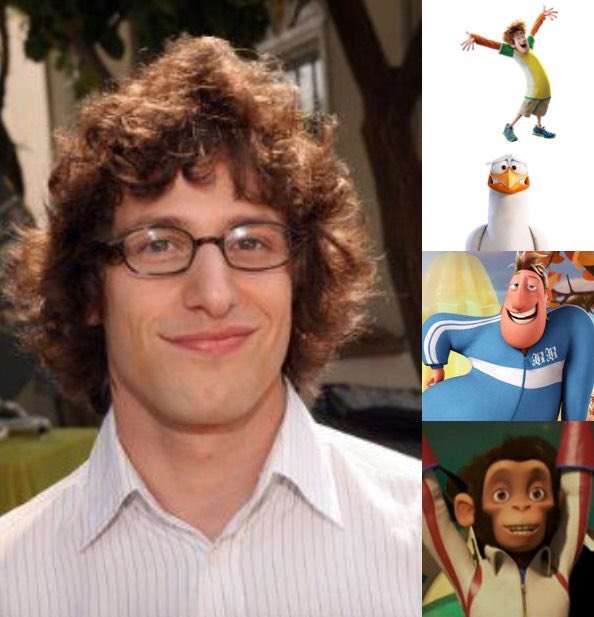
Conclusion: The Legacy of Johnny and the Hotel
The question of “Who voices Johnny in Hotel Transylvania?” leads down a path that explores the intersection of pop culture and the hospitality industry. Whether it is the frantic energy of Andy Samberg or the skilled mimicry of Brian Hull, the voice of Johnny represents the spirit of the modern traveler: curious, adaptable, and unafraid of the unknown.
Hotel Transylvania remains a shining example of how a property can evolve. Through Johnny’s eyes, we see that even the most ancient and rigid institutions can benefit from a little “human” touch. As a hotel, it offers the ultimate lesson in guest relations: when you truly cater to the needs of your guests—even if those guests happen to be werewolves, mummies, or backpackers from California—you create a destination that stands the test of time. Whether you are visiting the fictional castle or the real-life wonders of Romania, the legacy of Johnny reminds us that every great stay starts with an open mind and a sense of adventure.
LifeOutOfTheBox is a participant in the Amazon Services LLC Associates Program, an affiliate advertising program designed to provide a means for sites to earn advertising fees by advertising and linking to Amazon.com. Amazon, the Amazon logo, AmazonSupply, and the AmazonSupply logo are trademarks of Amazon.com, Inc. or its affiliates. As an Amazon Associate we earn affiliate commissions from qualifying purchases.