
In an era defined by unparalleled connectivity and a growing emphasis on flexibility, the traditional boundaries of work, living, and even civic participation are rapidly blurring. For many embracing a modern lifestyle – whether as a digital nomad, a remote worker, or simply an individual who values mobility – the question of how to fulfill civic duties from afar becomes increasingly pertinent. Among these duties, voting stands paramount, representing a fundamental right and responsibility. This leads to a critical inquiry for those based in or affiliated with the Golden State: “Can you vote online California?” Understanding the nuances of California’s election laws through the lens of a dynamic lifestyle is crucial for active citizens who refuse to let geographical constraints dictate their engagement.
The Evolving Landscape of Lifestyle and Civic Duty
The past decade has witnessed a dramatic shift in how people choose to live and work. The rise of remote employment, the appeal of digital nomadism, and a general desire for greater personal freedom have reshaped what a “typical” lifestyle looks like. This evolution naturally brings new questions about how traditional societal structures and responsibilities adapt.
The Digital Nomad and the Ballot Box: How Modern Lifestyles Intersect with Traditional Civic Responsibilities
For the digital nomad, whose “home” might change with the seasons or the latest work assignment, maintaining a connection to civic processes can be complex. While the allure of exploring new destinations and experiencing diverse cultures is undeniable, the practicalities of residency, tax obligations, and crucially, voting, often present unforeseen challenges. The very essence of a nomadic lifestyle – fluidity and lack of a fixed abode – can clash with the static requirements of voter registration. This often necessitates a deeper understanding of absentee voting rules, residency definitions, and the technological avenues available for participation. The ideal scenario for many would be the ability to cast a ballot securely and conveniently from anywhere in the world, embodying the freedom that defines their lifestyle choice.
Remote Work and Residency: Implications for Voting in States like California
Remote work, while offering geographical flexibility, often implies a more permanent, albeit distant, connection to a specific state or employer. For individuals working remotely for a California-based company, or those who have relocated from California but maintain residency, voting remains a critical tie to their home state. The question then becomes: how does California facilitate participation for its dispersed residents? The distinction between being physically present in the state and maintaining legal residency is key. This demographic, while perhaps less transient than a digital nomad, still benefits immensely from accessible and streamlined voting processes that acknowledge their non-traditional presence. The ability to vote without needing to return to a specific precinct or even the state itself significantly enhances their quality of life and civic engagement.
California’s Approach to Online Voting: A Lifestyle Perspective
When examining the possibility of “online voting” in California, it’s important to clarify what this term generally entails in the current electoral landscape. Full-fledged internet voting, where voters cast their ballots directly through a web portal, is not currently implemented in California due to significant security and logistical concerns shared by many states. However, the state has made considerable strides in leveraging technology to enhance voter access and convenience, particularly for those leading flexible lifestyles.
Understanding Current Regulations: What “Online Voting” Truly Means in California for Its Residents
While direct internet voting isn’t available, California does offer several online tools that streamline the voting process, making it significantly more accessible for residents. These include:
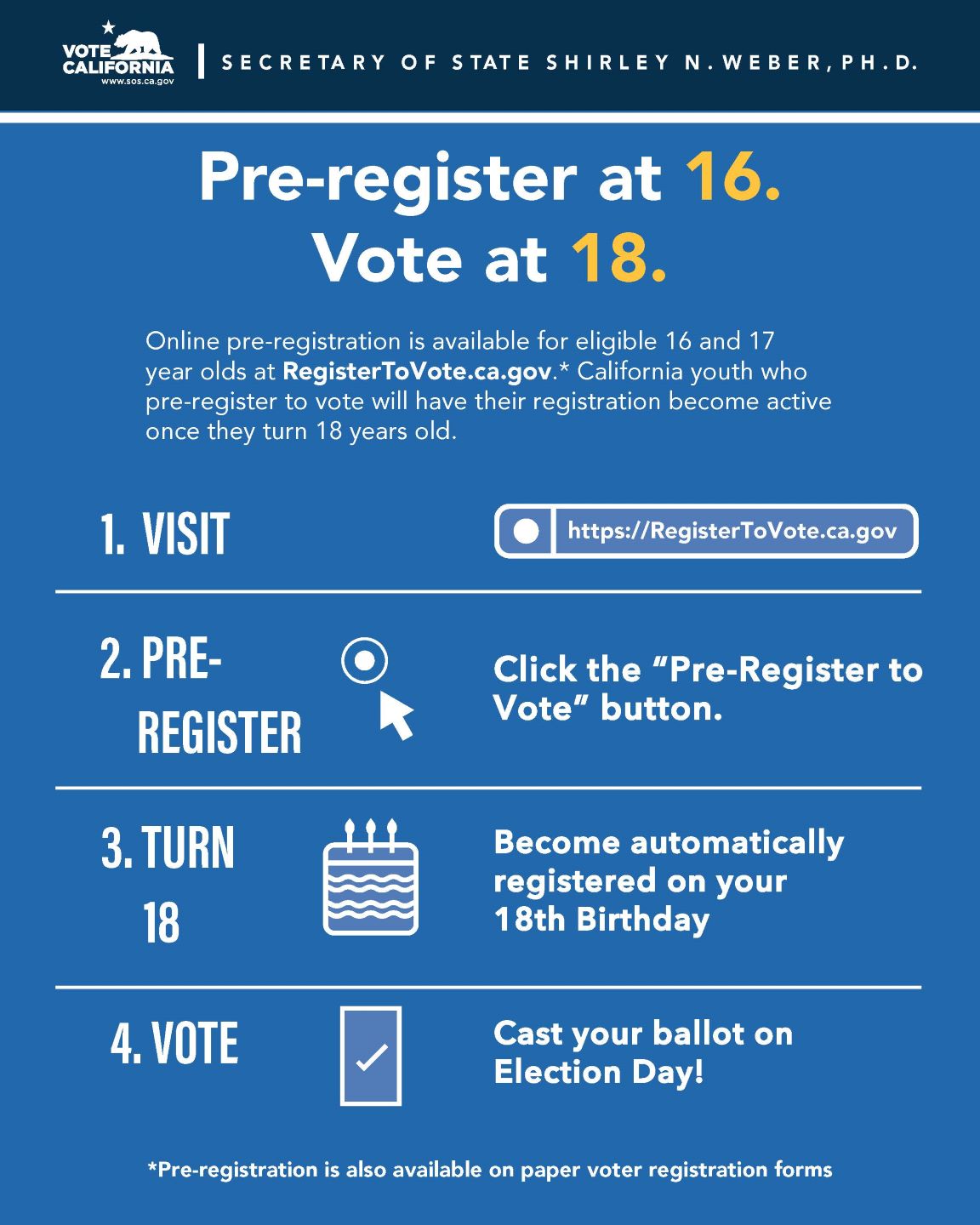
- Online Voter Registration: Residents can register to vote or update their existing registration information securely through the California Secretary of State’s website. This is a crucial first step for any voter, and its online availability means it can be done from virtually anywhere with internet access, aligning perfectly with a mobile lifestyle.
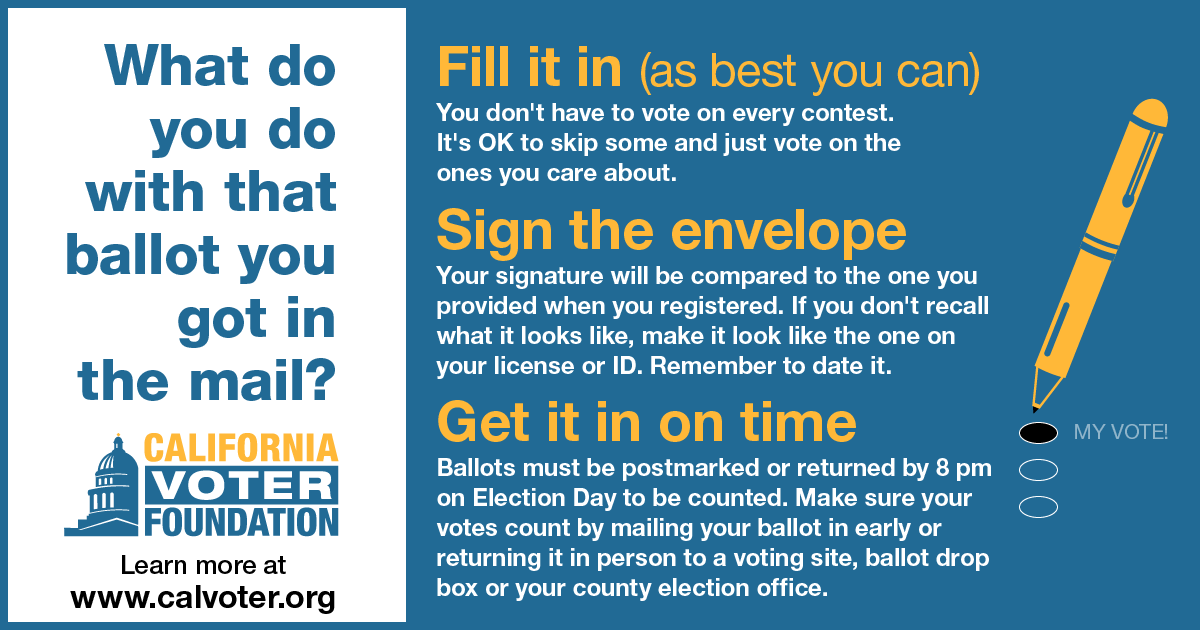
- Online Vote-by-Mail Application: In California, every registered voter receives a vote-by-mail ballot automatically. However, for those who might need to track their ballot or request a replacement, online portals are available. This system effectively allows for a form of “remote voting,” albeit through the postal service rather than direct internet submission.
- Voter Information and Education: The state provides extensive online resources for voters to research candidates, measures, and polling locations. This digital access to information empowers informed decision-making, a cornerstone of responsible civic engagement, regardless of one’s physical location.
So, while you cannot click a button to submit your ballot online in California, the state’s robust online infrastructure for registration and information management significantly reduces barriers to participation, supporting a more flexible lifestyle.
Accessibility for the Mobile Californian: Considerations for Residents Frequently Traveling or Living Abroad
For California residents who frequently travel, live abroad, or have temporary residences outside the state, the vote-by-mail system is particularly advantageous. These individuals can update their mailing address online to ensure their ballot reaches them wherever they are. Furthermore, specific provisions exist for military and overseas voters under the Uniformed and Overseas Citizens Absentee Voting Act (UOCAVA). These voters often have options to receive their ballots electronically (e.g., via email or download from a secure portal), and in some cases, may be able to return them by fax or email, though the ballot itself still originates from a physical form or scanned document rather than being cast directly online.
This tiered approach ensures that even those with the most fluid lifestyles can maintain their connection to California’s democratic process. It underscores a commitment to voter access that recognizes and adapts to the realities of modern mobility.
Integrating Voting into a Flexible Lifestyle
Successfully participating in elections while maintaining a flexible or mobile lifestyle requires proactivity and an understanding of the available tools. It’s not just about what the state offers, but how individuals leverage these resources.
Planning Ahead: Key Dates and Registration for Active Citizens with Dynamic Lives
For the active citizen embracing a dynamic life, careful planning is paramount. Missing a registration deadline or an election date can mean missing the opportunity to vote.
- Set Reminders: Utilize digital calendars and reminder apps to track voter registration deadlines, primary election dates, and general election dates in California. Many online services can send automated alerts.
- Confirm Residency and Mailing Address: Regularly verify that your voter registration reflects your current mailing address, especially if you’re frequently changing locations. The online voter registration portal makes this update process straightforward.
- Understand Your Ballot: Once your vote-by-mail ballot arrives, take the time to research candidates and propositions. California provides online voter guides and impartial analyses to help you make informed decisions.
- Timely Return: Account for international mailing times if you are overseas. Consider using expedited shipping if necessary to ensure your ballot is received by the deadline. For military and overseas voters, understanding the specific electronic return options is vital.
By integrating these steps into their lifestyle management, mobile Californian voters can ensure their voice is heard without disrupting their flexible living arrangements.
Technology’s Role Beyond “Online Voting”: Tools for Staying Informed and Engaged
Even without direct online ballot submission, technology plays a pivotal role in enabling civic engagement for those with flexible lifestyles.
- Voter Registration Apps and Websites: Beyond the official state portal, numerous non-partisan organizations offer apps and websites that simplify voter registration and provide election reminders.
- News Aggregators and Podcasts: Staying informed about local and state politics in California is easier than ever through personalized news feeds, political podcasts, and online journalism, accessible from anywhere.
- Social Media and Community Forums: While requiring discernment, social media platforms and online community forums can be valuable for discussing local issues and understanding diverse perspectives within California, fostering a sense of civic connection even when physically distant.
- Ballot Tracking Tools: California counties offer online tools to track your vote-by-mail ballot, providing peace of mind that your vote has been received and counted. This transparency is crucial for remote voters.
These technological advancements empower individuals to remain active and informed participants in California’s democracy, seamlessly integrating civic responsibility into their digitally-driven lifestyles.
The Future of Civic Participation for a Globalized Lifestyle
The dialogue around “online voting” in California is part of a larger, global conversation about how democracies can best serve citizens in an increasingly interconnected and mobile world. While the complete digitalization of the voting process faces significant hurdles, the demand for greater accessibility for those with flexible lifestyles continues to grow.
The Push for Greater Digital Access: Advocacy for Absentee and Remote Voting Solutions
There is an ongoing advocacy push for enhanced digital access in elections. This includes exploring more secure and user-friendly electronic ballot delivery and return methods for specific populations, such as military personnel and overseas citizens. As technology evolves, so does the potential for innovative solutions that could bridge the gap between security concerns and the convenience desired by modern voters. The goal is to ensure that a nomadic or remote lifestyle does not inadvertently disenfranchise a citizen. Advocates argue that robust digital solutions are not just about convenience, but about upholding the fundamental right to vote for all eligible citizens, regardless of their physical location on Election Day.

Balancing Security and Convenience: The Ongoing Debate and Its Impact on Voter Accessibility
The central challenge in implementing broader online voting remains the delicate balance between security and convenience. Concerns about cybersecurity threats, voter impersonation, data integrity, and election transparency are significant. Experts grapple with how to create a system that is impervious to hacking, verifiable, and inspires public trust, while also being easy to use for a diverse electorate.
However, the continued evolution of secure digital identity verification, blockchain technology, and advanced encryption methods offers promising avenues for future exploration. As these technologies mature, they may provide the frameworks necessary to expand secure online voting options, thereby further enhancing voter accessibility for all, including those living a flexible, geographically unbound lifestyle.
In conclusion, while direct “online voting” in the sense of submitting a ballot via a web portal is not yet a reality in California, the state has embraced technology to facilitate various aspects of the voting process. For individuals embracing a modern, flexible lifestyle, this means that civic engagement is not only possible but increasingly convenient. By leveraging online registration, vote-by-mail options, and digital information resources, Californian citizens can confidently navigate their civic responsibilities, proving that a dynamic lifestyle and active participation in democracy are not mutually exclusive. The journey towards fully secure and accessible online voting continues, driven by the needs of an evolving electorate and the promise of technological innovation.
LifeOutOfTheBox is a participant in the Amazon Services LLC Associates Program, an affiliate advertising program designed to provide a means for sites to earn advertising fees by advertising and linking to Amazon.com. Amazon, the Amazon logo, AmazonSupply, and the AmazonSupply logo are trademarks of Amazon.com, Inc. or its affiliates. As an Amazon Associate we earn affiliate commissions from qualifying purchases.