
When planning a trip to the United States, travelers often look for destinations that offer a perfect blend of urban excitement and natural beauty. Boise, the capital city of Idaho, has rapidly climbed the ranks of must-visit destinations in the Pacific Northwest. However, as with any growing metropolitan area, the question of security is paramount for tourists. Whether you are wandering through the historic streets or hiking the rugged foothills, understanding the safety profile of the “City of Trees” is essential for a worry-free experience.
Navigating the City of Trees: An Overview of Safety in Boise
Boise is frequently cited in national rankings as one of the safest mid-sized cities in the country. This reputation is a significant draw for families, solo travelers, and outdoor enthusiasts who want to explore without the heightened anxiety often associated with larger coastal hubs like Seattle or Portland. The city maintains a community-centric atmosphere where neighbors look out for one another, and this spirit extends to the treatment of visitors.

Understanding the Crime Rates in the Treasure Valley
The Treasure Valley, which encompasses Boise and its surrounding suburbs, consistently reports lower-than-average violent crime rates. While property crimes, such as bicycle theft or car break-ins, do occur—primarily in high-traffic commercial zones—they remain significantly lower than in many other regional capitals. The local police force is known for its community engagement programs, which have helped maintain a sense of order even as the population has surged over the last decade. Travelers should exercise standard precautions, such as locking rental vehicles and not leaving valuables in plain sight, but the likelihood of encountering serious crime during a visit is statistically very low.
How Boise Compares to Other Mid-Sized American Cities
When comparing Boise to other cities of similar scale, such as Salt Lake City or Spokane, Idaho’s capital often emerges as the safer alternative. The city’s growth has been managed with a strong focus on public infrastructure and well-lit public spaces. Visitors often remark on the cleanliness of the streets and the approachability of the locals. This environment makes it an ideal destination for those who may be nervous about navigating unfamiliar urban landscapes. The presence of Boise State University also adds a youthful, energetic, yet generally safe vibe to the central districts.
Safe Neighborhoods and Popular Areas for Travelers
Selecting the right home base is a vital part of travel planning. Most of the tourist-heavy areas in Boise are exceptionally safe, even after dark. However, knowing the specific characteristics of each neighborhood can help you tailor your trip to your comfort level.
Exploring the Vibrant Downtown Boise District
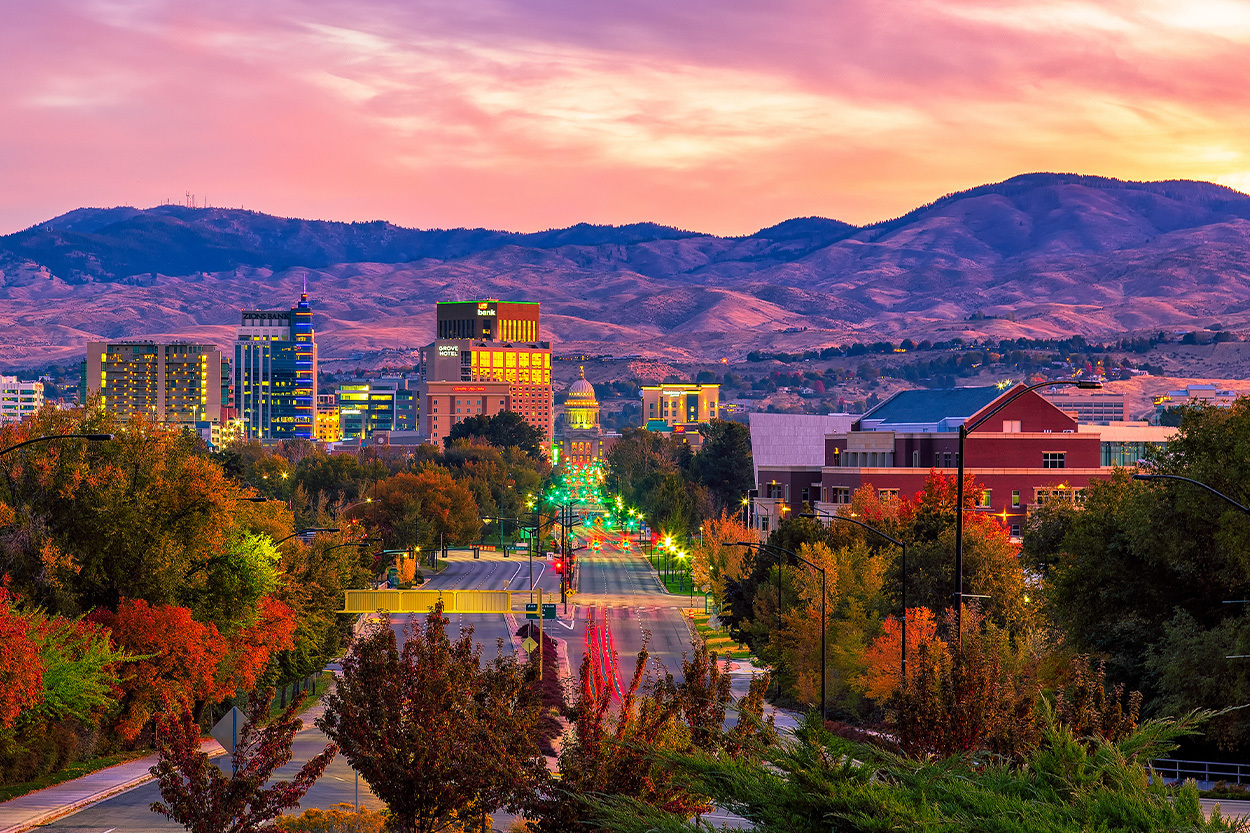
Downtown Boise is the heart of the city’s culinary and cultural scene. It is a highly walkable area characterized by wide sidewalks, modern plazas, and a heavy presence of hospitality staff and security in the evenings. Staying at reputable hotels like The Grove Hotel or the Inn at 500 Capitol places you within walking distance of the Idaho State Capitol. The area is well-patrolled, and even the nightlife zones, which center around the “Basque Block,” are generally orderly and welcoming. Solo travelers can feel comfortable walking between restaurants and theaters, provided they stick to the main thoroughfares.
The Tranquility of the North End and Hyde Park
For those seeking a more residential feel, the North End is often considered the most desirable neighborhood in the city. Known for its historic architecture and tree-lined streets, it is home to Hyde Park, a small retail strip filled with coffee shops and boutiques. This area is incredibly safe and family-friendly. It is not uncommon to see children playing in the parks or residents walking their dogs late into the evening. Visiting Camel’s Back Park at the edge of this neighborhood provides a safe gateway to the trail system, though hikers should always return before sunset.
Safety Along the Boise River Greenbelt
The Boise River Greenbelt is a 25-mile scenic pathway that winds through the heart of the city. It is one of the most popular attractions for tourists looking to bike or walk. Generally, the Greenbelt is safe, especially the stretches passing through Julia Davis Park and Ann Morrison Park. These areas are well-used by commuters and recreationalists. However, like any urban trail system, it is recommended to use the Greenbelt during daylight hours. Some secluded sections near Garden City may feel more isolated, so traveling with a companion is a good practice if you are venturing far from the city center.
Seasonal Safety and Outdoor Exploration
In Idaho, safety isn’t just about crime; it’s also about respecting the natural environment. Boise experiences four distinct seasons, each bringing its own set of considerations for the adventurous traveler.
Weather Considerations: From Hot Summers to Snowy Winters
During the summer months, temperatures in Boise can frequently exceed 100 degrees Fahrenheit. Dehydration and heat exhaustion are real risks for tourists who underestimate the dry high-desert climate. If you are visiting landmarks like Table Rock, it is imperative to carry ample water and start your trek early in the morning. Conversely, winter can bring ice and snow. While the city is efficient at clearing main roads, walkways can remain slick. If you are driving a rental car to nearby Meridian or Eagle during a winter storm, ensure the vehicle is equipped for wintry conditions.
Staying Safe While Enjoying Bogus Basin and the Foothills
Many visitors come to Boise specifically to visit Bogus Basin, the local mountain recreation area. Whether you are skiing in the winter or mountain biking in the summer, safety on the slopes and trails is paramount. The road up to the resort is winding and can be precarious in inclement weather; visitors should use the shuttle services if they are not experienced in mountain driving. Additionally, when exploring the foothills, be mindful of local wildlife. While encounters with predatory animals are rare near the city, rattlesnakes are common in the tall grasses during the warmer months. Staying on marked trails and keeping a watchful eye on the ground will ensure a safe outing.
Practical Tips for a Secure Visit to Idaho
To maximize your safety while enjoying the treasures of Boise, a few practical strategies can go a long way. The city is welcoming, but being a prepared traveler is always the best approach.
Transportation and Personal Security
Public transportation in Boise is primarily managed through the bus system, which is clean and safe but has limited hours. Most tourists rely on rideshare services or rental cars. If you are driving, be aware that parking near popular spots like Albertsons Stadium during a Boise State University football game can be chaotic. Regarding personal security, Boise is a city where common sense prevails. Keep your phone charged, share your itinerary with someone back home, and be cautious when using ATMs in less-populated areas at night.
Essential Contacts and Local Resources
Before heading out to explore the Old Idaho Penitentiary or the Morrison-Knudsen Nature Center, familiarize yourself with local resources. The city has several high-quality medical facilities, and emergency services are highly responsive. If you plan on heading further afield to places like Lucky Peak State Park, let your hotel concierge know your expected return time. Idaho is a state that rewards the prepared, and Boise is the perfect gateway for those looking to experience the rugged beauty of the United States without sacrificing the comforts and security of a modern city.
In conclusion, Boise remains one of the safest and most inviting cities for travelers. By understanding the layout of the neighborhoods, respecting the local climate, and practicing standard travel vigilance, your visit to the capital of Idaho will likely be defined by its stunning landscapes and friendly culture rather than any safety concerns. Whether you are coming from Oregon, Washington, or further abroad, the “City of Trees” stands ready to offer a secure and memorable adventure.
LifeOutOfTheBox is a participant in the Amazon Services LLC Associates Program, an affiliate advertising program designed to provide a means for sites to earn advertising fees by advertising and linking to Amazon.com. Amazon, the Amazon logo, AmazonSupply, and the AmazonSupply logo are trademarks of Amazon.com, Inc. or its affiliates. As an Amazon Associate we earn affiliate commissions from qualifying purchases.