
Florida, renowned for its sun-drenched beaches, vibrant cities like Miami and Orlando, and world-class attractions, draws millions of visitors each year. Whether you’re here for a family vacation, a business conference in Tampa, or simply enjoying the tranquil beauty of its coastline, understanding local laws and social safety nets is a crucial aspect of responsible travel and residency. One such critical piece of legislation, particularly important for mental health, is the Baker Act. While not a typical “tourism tip” like where to find the best Cuban sandwich or the fastest route to a theme park, knowing about the Baker Act is vital for anyone spending time in the state, offering insights into local emergency procedures and the state’s commitment to public and individual well-being. It is a provision designed to provide temporary, involuntary detention and mental health services for individuals who pose a threat to themselves or others. This comprehensive guide aims to demystify the Baker Act, explaining its purpose, process, and implications within the unique context of the Sunshine State.
Understanding the Baker Act: A Crucial Local Insight for Visitors and Residents Alike
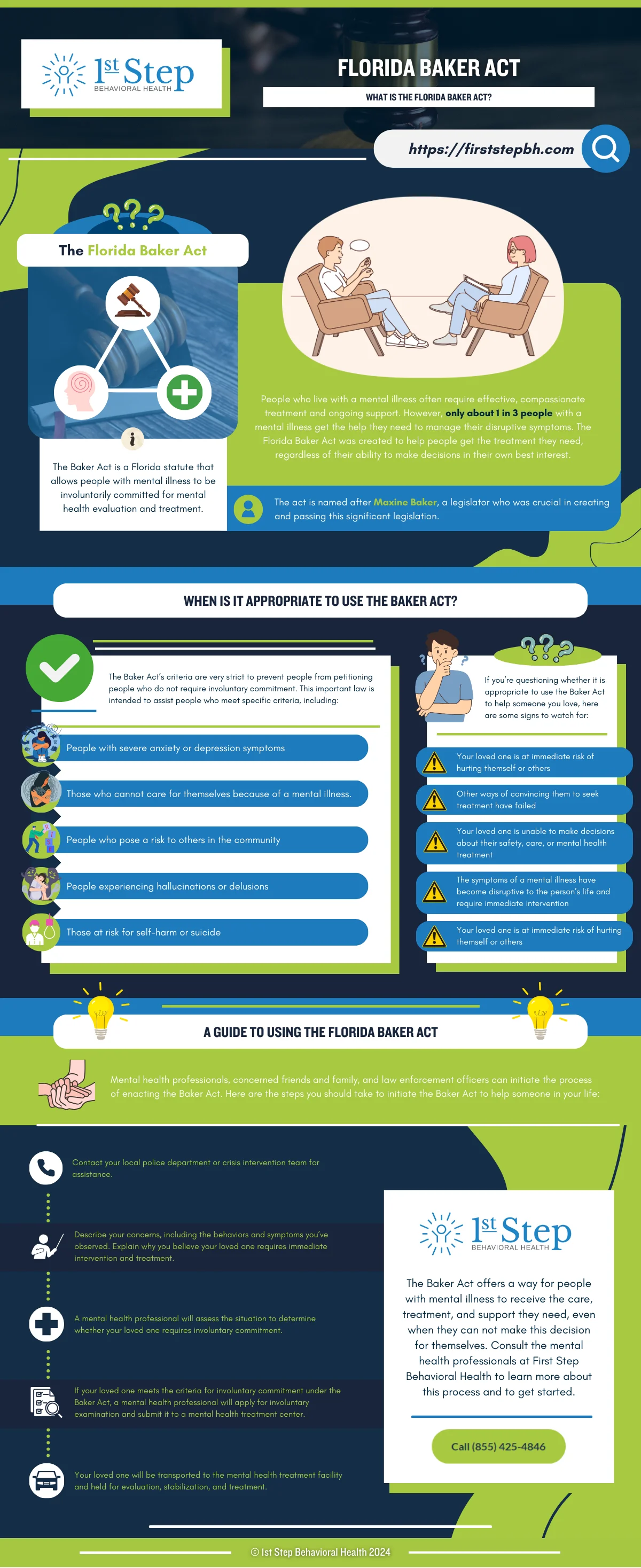
The Baker Act, officially known as the Florida Mental Health Act of 1971, is a law that allows for the involuntary examination of an individual who is believed to be a danger to themselves or others due to a mental illness. Named after former State Representative Maxine Baker, who championed the bill, it provides a legal framework for emergency mental health intervention. For both residents and those visiting Florida, understanding this act is not just about legal compliance; it’s about being aware of the community’s safety protocols and how mental health crises are addressed. While the vast majority of visitors will never encounter it, knowing its existence is a valuable piece of local knowledge, much like understanding hurricane preparedness during certain seasons.
The Legal Framework and Its Purpose
The primary purpose of the Baker Act is to provide immediate, short-term stabilization and assessment for individuals experiencing acute mental health crises. It is not intended for long-term treatment, but rather as an emergency measure to prevent harm. The Act acknowledges that certain mental health conditions can impair an individual’s judgment to the point where they cannot make rational decisions about their own safety or the safety of others. The law strikes a delicate balance between protecting individual liberties and ensuring public safety and well-being. It recognizes the urgency required when someone is experiencing a severe mental health episode and ensures that they can be quickly assessed by professionals in a safe environment. This framework is a cornerstone of Florida’s public health infrastructure, serving communities from Jacksonville to Key West.
Who Can Initiate a Baker Act?
Crucially, the power to initiate a Baker Act involuntary examination is limited to specific individuals and entities to prevent misuse. This ensures that the process is only invoked when genuinely necessary and by authorized personnel. In Florida, a Baker Act can be initiated by:
- Law Enforcement Officers: Police officers, sheriffs, and other law enforcement personnel who have reasonable cause to believe an individual meets the criteria.
- Physicians, Clinical Psychologists, or Psychiatric Nurses: Licensed mental health professionals who, in their professional capacity, determine that the criteria are met.
- Judges: Through a court order, typically after a petition is filed by a concerned individual who presents sworn testimony and evidence.
- Authorized Mental Health Professionals: At designated Baker Act receiving facilities, usually after an initial voluntary presentation turns into an involuntary need for examination.
This multi-faceted approach ensures that multiple avenues exist for initiating care when an individual is in crisis, highlighting the state’s commitment to immediate intervention.
Criteria for Involuntary Examination
The Baker Act is not applied lightly. Strict criteria must be met before an involuntary examination can occur, safeguarding individuals from arbitrary detention. These criteria are critical to understanding the law’s application:
- Reason to Believe Mental Illness Exists: There must be evidence or observation suggesting the person has a mental illness.
- Refusal or Inability to Seek Voluntary Help: The person must be unable to determine for themselves that an examination is necessary, or they must have refused voluntary examination after being offered it. This is a critical distinction, emphasizing that voluntary care is always preferred.
- Threat of Harm: This is the most significant criterion. The individual must, due to their mental illness, be:
- A danger to themselves: This includes suicidal ideation, self-harm, or severe neglect that threatens their physical safety.
- A danger to others: This includes expressing violent threats, engaging in aggressive behavior, or showing intent to harm another person.
- Severely Neglectful/Incapacitated: In some cases, if the individual’s mental illness causes them to be so severely impaired that they cannot care for themselves, and there is no suitable guardian willing or able to assist, a Baker Act may be initiated. This condition must pose a substantial threat of harm to their well-being.
The presence of all three of these conditions is required for a lawful involuntary examination under the Baker Act.
The Baker Act Process: From Initial Assessment to Resolution
Once the criteria for a Baker Act are met, the individual is transported to a designated Baker Act receiving facility, typically a hospital emergency room or a specialized mental health crisis unit. The process is designed to be swift and focused on stabilization and assessment. For anyone in Florida, whether a tourist or a long-term resident, understanding these steps can help demystify a potentially confusing and stressful situation, offering clarity on what to expect if they or someone they know becomes involved.
The Examination Phase
Upon arrival at a Baker Act receiving facility, the individual undergoes a comprehensive mental health evaluation by qualified professionals. This examination period can last up to 72 hours (excluding weekends and legal holidays). During this time, medical staff assess the individual’s mental state, determine if a mental illness is present, and evaluate whether the person continues to meet the criteria for involuntary detention. The goal is to stabilize the individual and determine the most appropriate next steps. This is a crucial phase where treatment plans begin to form, and the necessity of continued involuntary care is carefully weighed.
Rights of the Individual Under a Baker Act
Despite the involuntary nature of the examination, individuals under a Baker Act retain several important rights, ensuring their dignity and legal protections are upheld. These rights include:
- Right to Notification: The individual must be informed of the reasons for their detention and their rights.
- Right to Counsel: They have the right to legal representation.
- Right to Communicate: They can communicate with family, friends, or an attorney, unless such communication poses a danger to themselves or others, or interferes with their treatment.
- Right to a Hearing: If continued involuntary placement is recommended after the initial 72-hour period, the individual has the right to a court hearing within five days to determine the necessity of such placement.
- Right to Refuse Treatment (with exceptions): While the examination itself is involuntary, the right to refuse certain treatments, particularly psychotropic medications, generally remains unless a court order or emergency circumstances dictate otherwise.
These rights underscore the act’s intent: to provide necessary care while respecting individual liberties as much as possible within an emergency context.
Potential Outcomes and Paths Forward
After the 72-hour examination period, one of several outcomes will occur:
- Voluntary Admission: The individual may agree to voluntary admission for continued treatment if the professionals determine it’s needed, and they are capable of making that decision.
- Release: If the individual no longer meets the criteria for involuntary detention, they are released from the facility. This is the goal when safe and appropriate.
- Petition for Involuntary Placement: If the professionals determine that the individual still meets the criteria for involuntary detention and requires further treatment, and the individual refuses voluntary admission, the facility may petition a court for involuntary inpatient or outpatient placement. This triggers a legal process involving a judge, potentially attorneys, and further evaluations to determine the best course of action.
The system aims to move individuals toward voluntary care or release as quickly as possible once the immediate crisis has subsided, emphasizing the temporary nature of the involuntary hold.
When and Where It Might Impact You in Florida

While the Baker Act primarily addresses severe mental health crises, understanding its scope can be relevant in various situations, especially in a state with a high volume of tourism and a diverse population. Whether you are enjoying the nightlife in Miami, exploring the natural beauty near Tallahassee, or working in any of Florida’s bustling cities, an awareness of this law is part of being an informed individual in the United States.
Scenarios Leading to a Baker Act
A Baker Act can be initiated in a multitude of public and private settings. Common scenarios include:
- Public Incidents: An individual exhibiting extreme erratic or self-harming behavior in a public space, such as a park, airport, or hotel.
- Family/Friend Concerns: Loved ones witnessing a severe mental health decline in an individual who then refuses help and expresses suicidal or homicidal ideations.
- Healthcare Settings: A patient in an emergency room, initially seeking help for a physical ailment, subsequently displaying acute psychiatric symptoms meeting the Baker Act criteria.
- Workplace Incidents: An employee displaying behavior that is overtly threatening to themselves or co-workers due to suspected mental illness.
It’s important to remember that the focus is always on preventing immediate harm due to a mental health crisis.
Mental Health Resources in Florida
Florida has a network of mental health resources available, both for emergencies and ongoing support. Designated Baker Act receiving facilities are scattered across the state, ensuring that help is geographically accessible. Beyond emergency services, there are numerous outpatient clinics, support groups, and community mental health centers. For tourists, hotel staff or local law enforcement can often direct individuals to the nearest emergency services. For residents, understanding the local county mental health system is crucial. The Florida Department of Children and Families (DCF) oversees many aspects of the state’s mental health system and can be a resource for information.
Baker Act and Public Safety/Tourism
From a tourism perspective, the Baker Act reinforces Florida’s commitment to public safety and well-being. While it’s unlikely to directly affect the average tourist, it serves as a mechanism to address serious mental health incidents that could, in rare cases, occur in public spaces or impact individuals visiting the state. Knowing that such a system exists provides a layer of reassurance regarding how the state manages acute public health and safety concerns, contributing to a more secure environment for everyone. It underscores the importance of being observant and knowing how to seek help for others if you witness someone in distress.
Navigating a Mental Health Crisis: Prevention and Support
Understanding the Baker Act is not just about its legal framework; it’s also about fostering an environment of support and proactive engagement with mental health challenges. For both residents and visitors, knowing how to navigate or support someone through a mental health crisis, or even prevent one, is incredibly valuable.
Seeking Voluntary Help
The Baker Act is a last resort. The state of Florida, and indeed the broader mental health community, strongly advocates for voluntary engagement with mental health services. If you or someone you know is struggling, resources are available. Crisis hotlines, such as the National Suicide Prevention Lifeline (988 in the United States), offer immediate, confidential support. Local community mental health centers and private therapists provide ongoing care. Many healthcare providers in Florida can offer referrals. Proactive engagement with therapy, medication management, and support groups can often prevent a crisis from escalating to the point where involuntary intervention becomes necessary.
Supporting Someone in Crisis
If you believe a friend, family member, or even a stranger is experiencing a mental health crisis, your actions can make a significant difference. Here’s how you can help:
- Listen Empathically: Offer a non-judgmental ear.
- Encourage Professional Help: Suggest they seek help from a doctor or mental health professional.
- Offer Practical Assistance: Help them make appointments or accompany them if they are willing.
- Call for Help When Necessary: If you believe they meet the Baker Act criteria and are an imminent danger, do not hesitate to call 911 (emergency services) or your local law enforcement. Explain the situation clearly, focusing on specific behaviors that indicate danger to self or others.
- Stay Calm: Your calm demeanor can help de-escalate the situation.
Remember, intervening is not about judgment, but about ensuring safety and access to care.
Legal and Medical Assistance
In situations involving a Baker Act, both legal and medical assistance are paramount. For the individual undergoing the examination, understanding their rights and potentially engaging legal counsel can be crucial, especially if there’s a petition for involuntary placement. Family members may also seek legal advice to understand their role and advocate for their loved one’s best interests. Medically, receiving facilities are staffed with doctors, nurses, and mental health professionals equipped to provide both immediate stabilization and initial treatment plans. It’s essential to cooperate with medical staff while ensuring the individual’s rights are respected.
Dispelling Myths and Fostering Understanding
The Baker Act, like many laws involving involuntary actions, is often misunderstood. Dispelling common myths is essential for fostering a more accurate and compassionate understanding of its role in Florida’s healthcare system.
Common Misconceptions
One common myth is that a Baker Act is a permanent record or a punishment. In reality, it is a temporary, emergency intervention. Another misconception is that it can be used maliciously to “get rid” of someone; however, the strict criteria and oversight by professionals and the courts are designed to prevent such misuse. It’s also not solely for individuals exhibiting violent behavior; self-harm and severe self-neglect are equally critical triggers. Understanding these nuances helps reduce stigma and clarifies the act’s true benevolent intent.
The Act’s Intent: Compassion and Safety
At its core, the Baker Act is an act of compassion, aimed at protecting individuals who are too ill to protect themselves, as well as safeguarding the community. It provides a pathway for intervention when all other voluntary means have failed or are not possible. Its intent is to bridge the gap between a severe mental health crisis and the ability to engage in voluntary treatment, ensuring that individuals receive immediate attention during their most vulnerable moments.

Long-Term Implications and Support Systems
While the Baker Act itself is a short-term intervention, its initiation often signals the need for long-term mental health support. Post-Baker Act, individuals are typically connected with resources for ongoing therapy, medication management, and social support. For residents of Florida, this integration into the wider mental healthcare system is vital for recovery and sustained well-being. Even for visitors, the experience can highlight the importance of addressing mental health proactively upon returning home. The Baker Act is a crucial component of Florida’s commitment to mental health, embodying a framework for urgent care while striving to respect individual rights and promote recovery. Knowing about it is a critical “tip” for anyone navigating the vibrant and diverse landscape of the Sunshine State.
LifeOutOfTheBox is a participant in the Amazon Services LLC Associates Program, an affiliate advertising program designed to provide a means for sites to earn advertising fees by advertising and linking to Amazon.com. Amazon, the Amazon logo, AmazonSupply, and the AmazonSupply logo are trademarks of Amazon.com, Inc. or its affiliates. As an Amazon Associate we earn affiliate commissions from qualifying purchases.