
When planning a journey through the rugged landscapes of the Pacific Northwest, savvy travelers often look beyond the scenic vistas and local cuisine to understand the legal environment of their destination. One of the most common questions for those visiting Idaho involves the rights of individuals during encounters with law enforcement. Specifically, many want to know: Is Idaho a “Stop and ID” state? Understanding these nuances is essential for any tourist hoping to enjoy a seamless experience while exploring the Gem State.
Understanding Idaho Law for Visitors
For many tourists, the legal framework of a new destination can feel opaque. In the United States, laws regarding identification vary significantly from one jurisdiction to another. To navigate Idaho safely and confidently, one must first understand what “Stop and ID” actually means in a practical sense.

Defining Stop and ID Laws
In legal terms, a “Stop and ID” law refers to a statute that permits police officers to demand that a person identify themselves if the officer has a “reasonable suspicion” that the person has committed, is committing, or is about to commit a crime. If a state has such a law, failing to provide identification under those specific circumstances can lead to an arrest or a charge of obstructing an officer. These laws are often debated in the context of the Fourth Amendment, which protects citizens against unreasonable searches and seizures.
The Supreme Court has ruled that states may enact these laws, provided they meet certain constitutional thresholds. However, not every state has chosen to do so. For a traveler visiting from a state like California or Oregon, the expectations in the mountain west can feel slightly different.
The Legal Reality in the Gem State
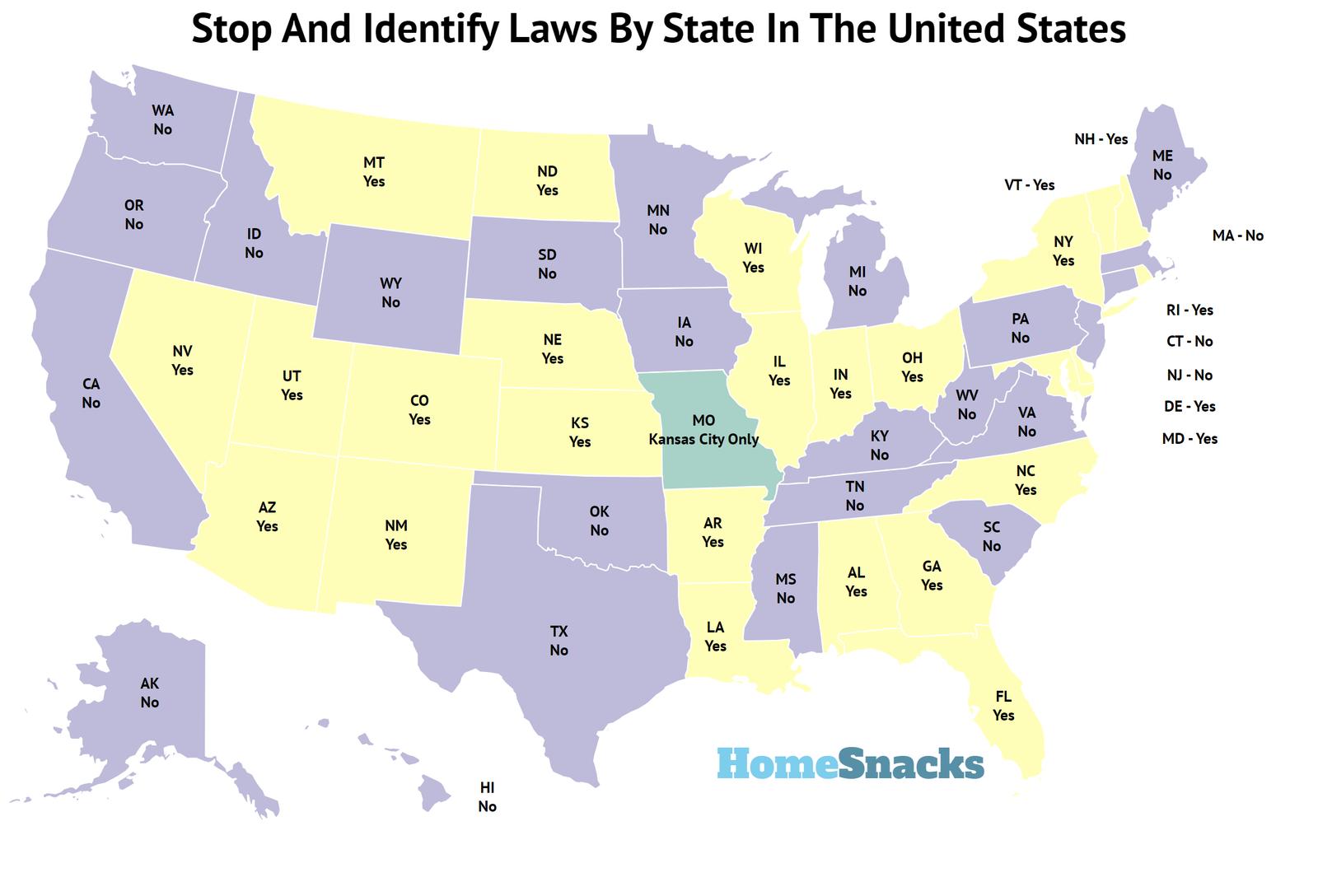
Technically, Idaho is not a “Stop and ID” state in the strictest sense. There is no specific Idaho statute that explicitly requires a pedestrian to provide a physical ID card or even state their name simply because an officer asks. If you are walking down a street in Boise or hiking a trail in the Sawtooth Mountains, you generally have the right to remain silent and decline to identify yourself unless you are being lawfully detained.
However, there is a significant caveat that every tourist should be aware of: Idaho Code 18-705. This law deals with resisting and obstructing officers. While it does not explicitly mandate identification, some courts and law enforcement agencies have interpreted “obstruction” broadly. If an officer has a valid reason to detain you and your refusal to identify yourself prevents them from carrying out their lawful duties, you could potentially face legal complications. For the average visitor, the best approach is to remain polite and understand that while you aren’t required to carry a passport while walking to a cafe in Sandpoint, clarity and cooperation often lead to shorter interactions.
Essential Travel Tips for Navigating Idaho
Beyond the abstract legal definitions, most travelers interact with local authorities during traffic stops or at major transit hubs like the Boise Airport. Knowing how to handle these situations is a core part of responsible tourism.
Driving Through Boise and Beyond
The rules for identification change dramatically the moment you get behind the wheel of a vehicle. If you are driving a car—perhaps a rental picked up at Idaho Falls to head toward Yellowstone National Park—you are legally required to provide your driver’s license, vehicle registration, and proof of insurance upon the request of a law enforcement officer during a traffic stop.
In this context, the “Stop and ID” debate is moot. Driving is considered a privileged activity, and by operating a vehicle on Idaho roads, you implicitly consent to show your documentation when pulled over for a suspected traffic violation. This applies whether you are in the heart of Meridian or on a remote stretch of highway near the Snake River.
Interacting with Law Enforcement as a Tourist
For those visiting from outside the United States, the sight of local police can sometimes be intimidating. Idaho law enforcement, from the local police in Twin Falls to the county sheriffs near Coeur d’Alene, is generally focused on public safety and community assistance.

If you find yourself in a situation where an officer is asking for your name, it is often related to a welfare check or a request for information about something that happened in the area. While you may have the legal right to withhold your identity if you aren’t suspected of a crime, consider the context. In a tourism-heavy area like Sun Valley, officers are accustomed to helping visitors find their way or providing safety warnings about local wildlife or weather conditions.
Exploring the Culture and Safety of Idaho
The culture of Idaho is deeply rooted in a sense of independence and respect for privacy, which is why “Stop and ID” laws are not as aggressive here as in some other regions. This cultural backdrop makes the state a fantastic destination for those who value personal freedom and the great outdoors.
Outdoor Adventures and Remote Safety
When you are exploring the vast wilderness of the Craters of the Moon National Monument and Preserve, the likelihood of needing to show ID is virtually zero. However, safety should always be your priority. Even though you aren’t legally required to carry ID in the backcountry, it is highly recommended for safety reasons.
If an emergency occurs while you are admiring the Shoshone Falls, having some form of identification on your person allows first responders to help you more effectively. From a tourism perspective, the “right” to not show ID is less important than the “responsibility” of being prepared. Many local guides in Ketchum suggest carrying a waterproof pouch with a photocopy of your ID and emergency contact information.
Urban Etiquette and Local Norms
In urban centers like Nampa or the North End of Boise, the vibe is laid-back and friendly. People generally mind their own business, and the police follow suit. You will find that Idaho residents are fiercely protective of their constitutional rights, which is part of the reason the state legislature hasn’t moved toward a mandatory identification law for pedestrians.
When attending major events, such as a festival on the Fourth of July, you might see a more visible police presence. In these crowded environments, officers are primarily there for crowd control and to ensure that everyone has a safe experience. Understanding that you aren’t in a “Stop and ID” state can provide a sense of peace, but it should never be used as a reason to be confrontational. The spirit of Idaho tourism is built on mutual respect.
Practical Advice for a Stress-Free Idaho Trip
To ensure your trip to the Gem State is memorable for all the right reasons, a little preparation goes a long way. Balancing your legal rights with practical travel needs will help you stay focused on the beauty of the region.
Documentation to Carry
While we have established that Idaho doesn’t require pedestrians to show ID without cause, there are many practical reasons why you should have it handy. Most businesses, especially those serving alcohol in Downtown Boise, will strictly enforce ID checks. If you plan on enjoying the local craft beer scene or visiting a distillery in Hayden, you will need a valid government-issued photo ID.
Furthermore, if you are an international traveler, carrying a passport or a clear copy of it is essential for checking into accommodations like the Grove Hotel or for various age-restricted activities. While the police might not demand it on a street corner, the hospitality industry certainly will.
Staying Informed on Local Ordinances
Local laws can sometimes differ from state-level expectations. For instance, some city parks in Moscow or Pocatello might have specific closing times or regulations regarding certain activities. Being aware of these ensures that you never find yourself in a position where an officer has “reasonable suspicion” to detain you.
For the modern tourist, a trip to Idaho is an opportunity to disconnect from the frantic pace of life and reconnect with nature. Whether you are gazing at the reflections in Lake Coeur d’Alene or exploring the historic sites of the Oregon Trail, knowing the legal landscape helps you travel with confidence.
In summary, while Idaho is not a “Stop and ID” state for pedestrians, the practicalities of modern travel—from driving a car to entering a bar—mean you should always have your identification accessible. Respect the local laws, enjoy the legendary Idaho hospitality, and immerse yourself in the incredible diversity of this corner of the United States. With the right information and a respectful attitude, your journey through the Gem State will be nothing short of spectacular.
LifeOutOfTheBox is a participant in the Amazon Services LLC Associates Program, an affiliate advertising program designed to provide a means for sites to earn advertising fees by advertising and linking to Amazon.com. Amazon, the Amazon logo, AmazonSupply, and the AmazonSupply logo are trademarks of Amazon.com, Inc. or its affiliates. As an Amazon Associate we earn affiliate commissions from qualifying purchases.