
When people think of Idaho, the first thing that often comes to mind is the humble potato. While it is true that this United States gem produces nearly a third of the country’s potatoes, the state’s identity is far more complex and vibrant than its agricultural exports suggest. Known officially as the Gem State, Idaho is a land of rugged wilderness, deep-seated cultural traditions, and a culinary scene that balances rustic comfort with surprising sophistication. For the traveler looking to go beyond the surface, tourism in Idaho offers an immersion into a lifestyle defined by the great outdoors and a unique heritage that blends Native American history with European immigrant influences.

Culinary Delights: Beyond the Humble Potato
The food culture of Idaho is deeply tied to its geography. The volcanic soil that makes the region famous for agriculture also nurtures a variety of unique ingredients that define the local palate. Understanding what makes Idaho famous requires a deep dive into its kitchens and its harvest festivals.
The Idaho Potato Legacy
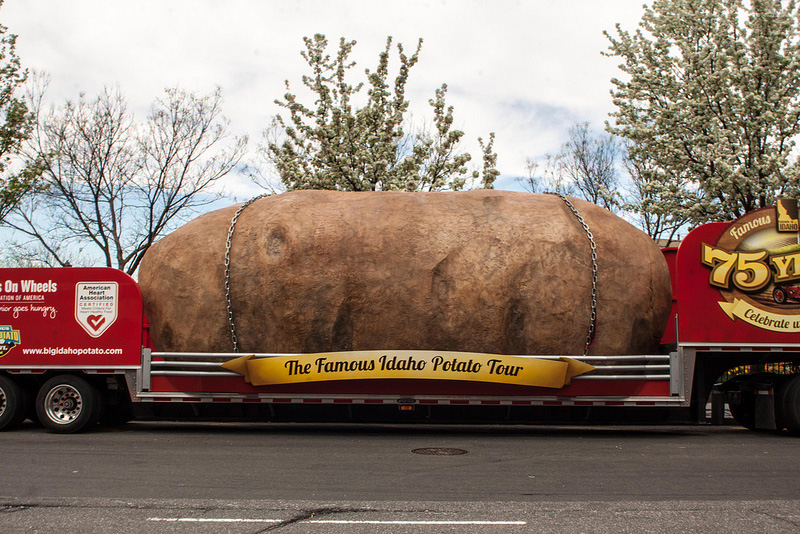
It is impossible to discuss the tourism of this state without acknowledging the Idaho Potato. The Russet Burbank variety became the gold standard here due to the state’s high altitude, volcanic soil, and clean water sources. Visitors interested in this history often flock to the Idaho Potato Museum in Blackfoot. Here, tourists can learn about the science of potato farming and view the world’s largest potato chip. However, the true “tourism” experience involves tasting the local innovation: the “Ice Cream Potato.” This famous dessert, found in diners in Boise, consists of vanilla ice cream molded into the shape of a potato, dusted with cocoa powder to look like skin, and topped with whipped cream “sour cream.”
Huckleberries: The State Fruit
While the potato is the workhorse of the economy, the huckleberry is the darling of the culinary scene. These wild berries are notoriously difficult to farm and must be foraged in the high-elevation forests of Northern Idaho. For tourists visiting during the late summer, huckleberry picking is a quintessential local activity. The berries find their way into everything from jams and syrups to more adventurous pairings like huckleberry-glazed elk or huckleberry-infused craft beers at local breweries in Sandpoint.
Finger Steaks and Local Flavors
If there is one dish that defines the local “comfort food” of Southwest Idaho, it is finger steaks. These are strips of steak, battered and deep-fried, typically served with a side of cocktail sauce or fry sauce. Legend has it they were invented in Boise in the mid-20th century at the Milo’s Torch Lounge. Today, they are a staple of local tourism guides for those wanting to eat like a true Idahoan.
Cultural Heritage and the Spirit of the West
The culture of Idaho is a tapestry of indigenous history, pioneer resilience, and unexpected immigrant enclaves. This blend creates a social atmosphere that is welcoming, fiercely independent, and rich in storytelling.
Native American Roots: The Nez Perce and Shoshone-Bannock
Long before it was a state, the land belonged to tribes like the Nez Perce, the Shoshone, and the Bannock. One of the most significant cultural sites for visitors is the Nez Perce National Historical Park, which spans several locations across the state. Tourism here focuses on education and respect, offering insights into the tribe’s relationship with the Appaloosa horse and their historical journey through the Bitterroot Wilderness. In the southeast, the Fort Hall Indian Reservation hosts annual festivals and powwows that allow visitors to experience traditional drumming, dance, and crafts.
The Basque Connection in Boise
Perhaps the most surprising cultural fact about Idaho is that it is home to one of the largest Basque populations outside of the Pyrenees. In the heart of Boise, the Basque Block preserves the heritage of sheep herders who emigrated from Spain and France. Tourists can visit the Basque Museum and Cultural Center, eat traditional “pintxos” (Basque tapas), and witness the Jaialdi festival, one of the largest Basque celebrations in the world, held every five years.
Small-Town Festivals and Western Traditions
Tourism in Idaho is often at its best in its small towns. From the Caldwell Night Rodeo, which is ranked among the top professional rodeos in the country, to the Trailing of the Sheep Festival in Ketchum, these events celebrate the state’s ranching and agricultural roots. These festivals offer a glimpse into a lifestyle that prizes community and hard work, providing a more authentic experience than any typical tourist trap.

Outdoor Adventures and Natural Wonders
Idaho is famous for its “Wild West” geography, containing more acres of designated wilderness than any other state in the lower 48. This makes it a premier destination for activities ranging from geological exploration to high-adrenaline sports.
The Gem State’s Geological Riches
The nickname “Gem State” isn’t just for show; Idaho is home to more than 72 different types of precious and semi-precious stones. The most famous of these is the Idaho Star Garnet, which is found in only two places in the world: Idaho and India. Tourists can actually go “gem hunting” at the Emerald Creek Garnet Area near St. Maries, where they can dig for their own stones under the guidance of the United States Forest Service.
Craters of the Moon and Volcanic Landscapes
For a landscape that looks truly extraterrestrial, Craters of the Moon National Monument and Preserve is an essential stop. This vast ocean of lava flows and cinder cones was formed by volcanic eruptions thousands of years ago. In fact, NASA astronauts once trained here to prepare for the lunar landing. Today, tourists explore the “lava tubes” (caves) and hike the Inferno Cone for a panoramic view of the desolate, beautiful terrain.
World-Class Whitewater Rafting and Skiing
Idaho is the “Whitewater Capital of the World,” boasting more miles of raftable river than any other state. The Salmon River, famously known as the “River of No Return,” offers legendary multi-day trips through deep canyons. Speaking of canyons, Hells Canyon, located on the border with Oregon, is the deepest river gorge in North America—deeper even than the Grand Canyon.
In the winter, the focus shifts to the mountains. Sun Valley was the site of the world’s first chairlift and remains a world-class ski resort frequented by celebrities and professional athletes. Meanwhile, the Sawtooth Mountains provide a backdrop for backcountry skiing and snowshoeing that is unrivaled in its solitude and beauty.
Practical Tips for Visiting the Gem State
Navigating a state as large and diverse as Idaho requires some insider knowledge. From the weather to transportation, being prepared will ensure your tourism experience is seamless.
Best Times to Visit
Because Idaho has four distinct seasons, the best time to visit depends entirely on your interests.
- Summer (July to September): This is the peak season for mountain hiking, lake activities in Coeur dAlene, and exploring Shoshone Falls. The “Niagara of the West” is best viewed in early summer when the snowmelt from the mountains makes the falls thunderous.
- Winter (December to March): Ideal for those heading to Sun Valley or Schweitzer Mountain Resort in the north.
- Fall (September to October): A perfect time for “agritourism,” with harvest festivals and stunning autumn foliage in the Wood River Valley.
Getting Around Idaho
Idaho is a massive state with limited public transportation between cities. To truly experience what Idaho is famous for, renting a car is almost mandatory. Most tourists fly into Boise Airport in the south or Spokane International Airport in Washington state to access Northern Idaho.
When driving, be aware of the “scenic byways.” Idaho has 31 designated scenic drives, such as the Sawtooth Scenic Byway and the Ponderosa Pine Scenic Byway. These routes are often as much of an attraction as the destinations themselves. Also, keep an eye out for wildlife; it is not uncommon to see elk, moose, or even bald eagles while driving through the Panhandle or near Island Park.
Hidden Gems and Relaxation
Finally, no trip is complete without a soak in a natural hot spring. Idaho has the most soakable hot springs in the United States. Places like Lava Hot Springs offer a developed, family-friendly resort experience, while spots like Goldbug Hot Springs near Salmon require a hike but reward visitors with stunning views of the surrounding mountains from a natural pool. This blend of adventure and relaxation is exactly why Idaho continues to grow as a major hub for domestic and international tourism.
LifeOutOfTheBox is a participant in the Amazon Services LLC Associates Program, an affiliate advertising program designed to provide a means for sites to earn advertising fees by advertising and linking to Amazon.com. Amazon, the Amazon logo, AmazonSupply, and the AmazonSupply logo are trademarks of Amazon.com, Inc. or its affiliates. As an Amazon Associate we earn affiliate commissions from qualifying purchases.