
While the allure of Houston, Texas, often conjures images of sprawling metropolises, a vibrant cultural tapestry, and world-class entertainment, a fundamental economic question underpins the daily lives of many who contribute to its dynamism: “What is the minimum wage in Houston, Texas?” For travelers exploring this energetic city, understanding this economic indicator can offer a deeper appreciation for the local workforce and the cost of living that shapes the experiences of residents. For those considering a longer stay, perhaps a vacation rental or even a more permanent relocation, grasping the minimum wage is a crucial piece of financial literacy. This article delves into the current minimum wage landscape in Houston, providing context and insights relevant to various aspects of your journey and potential lifestyle in this Texas hub.
The Federal Foundation and Texas’s Stance on Minimum Wage
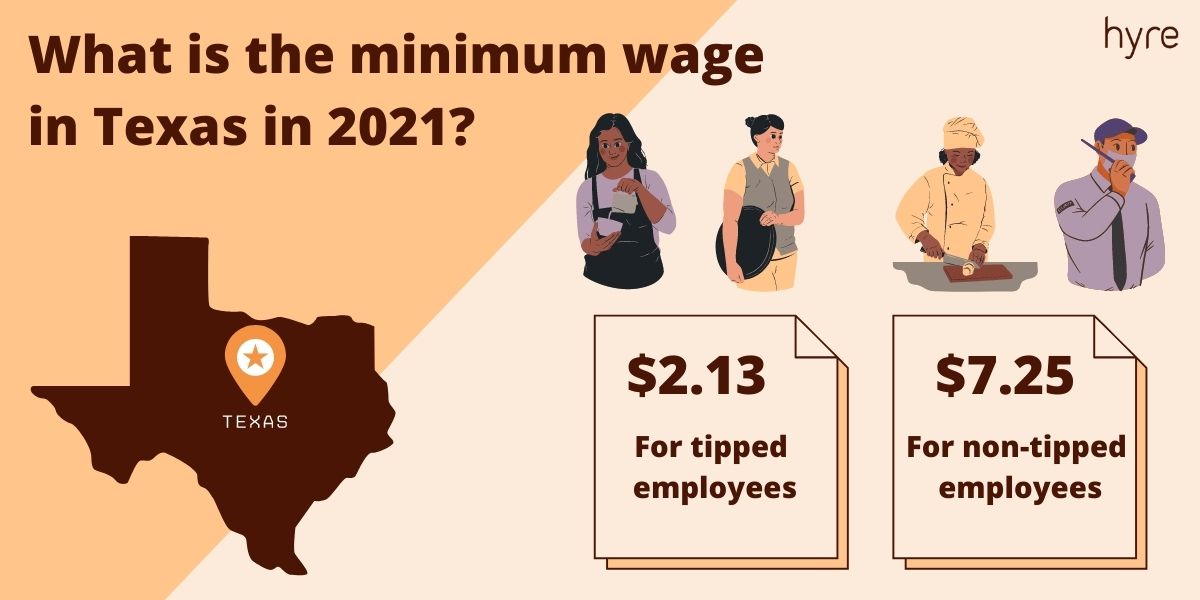
The cornerstone of minimum wage legislation in the United States is the Fair Labor Standards Act (FLSA), a federal law that establishes a national minimum wage. As of the latest federal update, this stands at $7.25 per hour. This figure has remained unchanged since 2009, a point of contention for many advocating for an increase to reflect the rising cost of living across the nation.
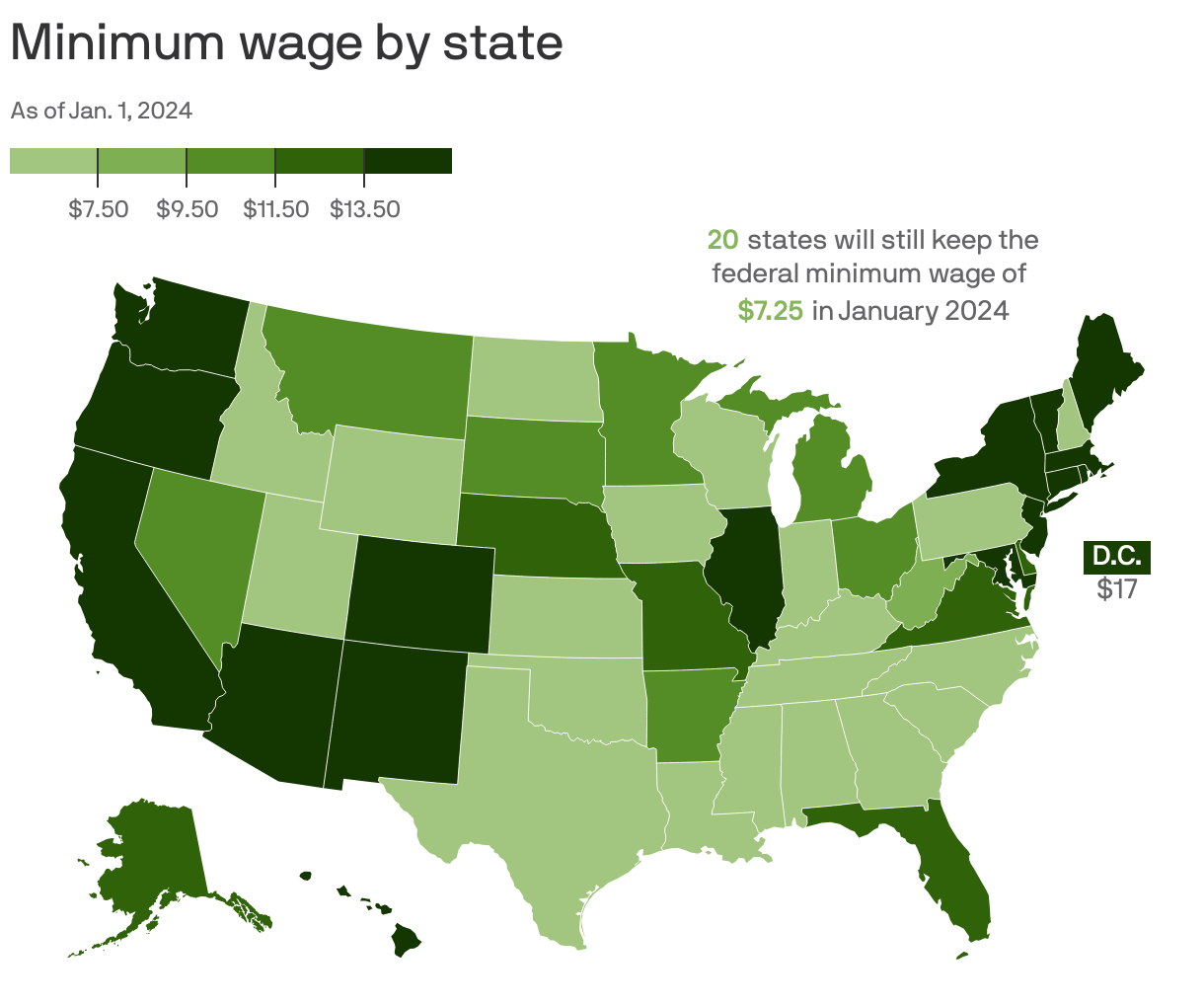
However, the FLSA does not prevent individual states or cities from establishing their own minimum wage rates that are higher than the federal level. In such cases, employers must pay the higher rate. This is where the landscape for minimum wage in Texas becomes a point of interest, particularly for a city as significant as Houston.
Texas, as a state, does not mandate a minimum wage higher than the federal FLSA rate. This means that the statutory minimum wage applicable to most employees in Texas, and by extension, in Houston, is the federal $7.25 per hour. This is a critical piece of information for anyone researching employment opportunities, understanding service industry costs, or budgeting for their stay in Houston.
This statewide adherence to the federal minimum wage can sometimes surprise visitors who are accustomed to different regional wage structures. While there might be private sector employers who voluntarily pay above the minimum wage, or specific local ordinances in other parts of the country that set higher rates, Texas currently operates under the federal floor. This has direct implications for various sectors, from the hospitality industry that caters to tourists to the retail establishments frequented by locals.
Understanding the Implications for Travelers and Tourists
For the traveler embarking on an adventure through Houston, the prevailing minimum wage, or rather the lack of a state-mandated higher rate, subtly influences the visitor experience. When you dine at a local restaurant, stay at a charming boutique hotel, or purchase souvenirs from a small shop, the wages of the individuals serving you are likely pegged to the federal minimum.
This economic reality can translate into certain observable aspects of the service industry. While Houston boasts a diverse culinary scene and a wide array of hospitality services, understanding the baseline wage can foster a greater appreciation for the labor that goes into providing these experiences. It underscores the importance of tipping, which often forms a significant portion of the income for many service workers in the United States, especially in industries where the hourly wage is at or near the minimum.
When you book a room at a hotel like the Four Seasons Hotel Houston or a more budget-friendly option like the Hyatt Regency Houston, the staff who ensure your comfort and facilitate your stay are operating within this wage framework. While upscale establishments often offer more competitive wages and benefits, the baseline for many in the broader tourism and hospitality sector in Houston remains at the federal minimum.
This understanding is also pertinent when exploring Houston’s vibrant cultural attractions, such as the Space Center Houston or the Museum District. The individuals who guide tours, manage admissions, or maintain these significant landmarks are also subject to the same minimum wage regulations.
The Impact on Accommodation and Lifestyle Choices
The minimum wage in Houston also has a direct bearing on accommodation and lifestyle choices, particularly for those considering longer stays, such as extended vacations or even relocation. For individuals seeking to rent an apartment or a villa for a longer period, understanding the economic environment of the city is paramount.
A lower minimum wage generally correlates with a lower cost of labor, which can, in some instances, influence the pricing of goods and services. However, it’s a complex interplay of factors. While labor costs might be lower, other economic drivers, such as demand for housing, the presence of major industries, and the overall cost of living in a large metropolitan area like Houston, also play significant roles in determining prices.
For those planning a budget-friendly trip to Houston, being aware of the minimum wage can help in setting realistic expectations for expenses. For instance, while you might find affordable dining options, it’s important to remember that many service workers are operating on a wage that necessitates careful budgeting on their part.
Conversely, for those considering moving to Houston for employment, understanding the minimum wage is a critical first step in assessing potential earnings and financial feasibility. It highlights the importance of seeking employment in sectors that offer wages above the minimum, or looking for roles that come with tips or commissions that can supplement the base hourly pay.
The lifestyle in Houston is incredibly diverse, ranging from luxury travel experiences at opulent resorts to more economical family trips. The minimum wage is a foundational element that impacts the economic landscape upon which these diverse lifestyles are built. It influences the affordability of everyday necessities for residents and, indirectly, the pricing of services that cater to visitors.
Minimum Wage vs. Living Wage: A Crucial Distinction
It is imperative to distinguish between the legal minimum wage and a “living wage.” The minimum wage is the legally mandated lowest hourly rate that employers can pay their workers. A living wage, on the other hand, is the theoretical amount of income necessary to afford a basic but decent standard of living in a particular location, covering essential needs like housing, food, healthcare, and transportation.
In Houston, as in much of Texas, the federal minimum wage of $7.25 per hour is widely acknowledged by many advocacy groups and economists to fall significantly short of a living wage. This disparity can lead to challenges for individuals and families working full-time jobs at minimum wage, making it difficult to meet their basic needs without additional support or multiple sources of income.
This gap between minimum wage and living wage is a recurring theme in discussions about economic fairness and social welfare. While the legal framework in Texas adheres to the federal minimum, the practical reality for many residents involves navigating an economy where the cost of living, especially in a major city like Houston, often outpaces the earnings potential at the lowest wage tier.
For visitors, this understanding adds a layer of social context to their experience. It might inform their interactions with service staff, their choices in supporting local businesses, and their general perception of the economic well-being of the city’s populace. It underscores that while Houston is a city of opportunity and growth, the economic realities for its lowest-paid workers are a subject of ongoing consideration and debate.
In conclusion, while the question “What is minimum wage in Houston, Texas?” might seem straightforward, its implications resonate far beyond a simple dollar amount. It’s a foundational element that influences the visitor experience, accommodation choices, and the broader economic lifestyle of this dynamic Texas metropolis. Understanding the federal minimum wage, Texas’s adherence to it, and the crucial distinction between minimum wage and living wage, provides a more comprehensive and empathetic perspective as you explore, stay, and engage with the city of Houston.
LifeOutOfTheBox is a participant in the Amazon Services LLC Associates Program, an affiliate advertising program designed to provide a means for sites to earn advertising fees by advertising and linking to Amazon.com. Amazon, the Amazon logo, AmazonSupply, and the AmazonSupply logo are trademarks of Amazon.com, Inc. or its affiliates. As an Amazon Associate we earn affiliate commissions from qualifying purchases.