
Navigating the legal landscape of any new destination is a crucial aspect of responsible travel, and for visitors heading to the sun-drenched shores of Florida, understanding local laws can enhance safety and prevent unforeseen complications. As a premier destination for tourism, boasting everything from pristine beaches to world-famous theme parks, the Sunshine State attracts millions annually. However, behind the allure of its vibrant cities and natural wonders lies a specific set of regulations regarding personal items, particularly those categorized as weapons. A common question among travelers considering self-defense or simply curious about local statutes is, “Are brass knuckles illegal in Florida?” The straightforward answer, as we will explore in detail, is a resounding yes, with significant implications for anyone visiting or residing in the state.
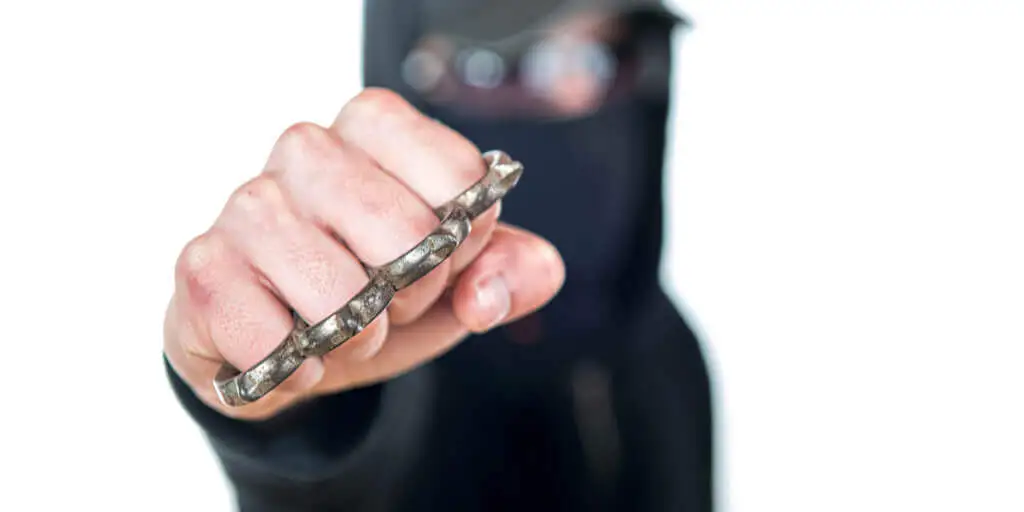
This article aims to provide a clear, comprehensive guide for travelers, focusing on the legal status of brass knuckles in Florida, the potential consequences of possession, and practical advice for ensuring a safe and lawful journey. Understanding these nuances is not just about avoiding legal trouble; it’s about fostering a respectful and informed approach to exploring one of the United States’ most beloved travel destinations. Whether you’re planning a thrilling adventure to Orlando’s theme parks, a relaxing retreat to Miami Beach, or an exploration of the unique ecosystem of Everglades National Park, being well-versed in Florida’s regulations is paramount for a worry-free experience.
The Legal Landscape: Florida’s Stance on Brass Knuckles
Florida’s approach to weapons possession is defined by specific statutes designed to maintain public safety. Unlike some states where the legality of items like brass knuckles might fall into a grey area, Florida’s laws are explicit and leave little room for misinterpretation. For travelers, this clarity is beneficial, as it allows for informed decision-making before and during their trip. Understanding the foundational legal framework is the first step in appreciating why these items are prohibited.
Understanding Florida Statutes on Prohibited Weapons
The legality of brass knuckles in Florida is primarily governed by Florida Statute 790.001 and 790.06. Florida Statute 790.001 provides definitions for various terms related to weapons, including “concealed weapon” and “dangerous weapon.” Crucially, Florida Statute 790.06 outlines what constitutes a “concealed weapon or firearm.” While brass knuckles are not firearms, they are unequivocally classified as “dangerous weapons” under state law. Specifically, Florida Statute 790.001(13) defines “weapon” to include devices such as “metallic knuckles,” which is the legal term encompassing brass knuckles.
Possession of such an item is generally illegal, particularly when carried concealed. The state’s intent is to prevent the use of objects that are designed for causing severe injury in an assault. This isn’t merely a minor infraction; it carries significant legal weight. For residents and visitors alike, this means that carrying brass knuckles, whether openly or concealed, can lead to serious legal ramifications. The law doesn’t differentiate between someone intending to use them for self-defense and someone carrying them with malicious intent; the act of possession itself can be enough to trigger legal action. The broad application of this statute means that ignorance of the law is not a valid defense, reinforcing the importance of being informed, especially for those venturing into unfamiliar legal territory.
Defining “Brass Knuckles” and Similar Items
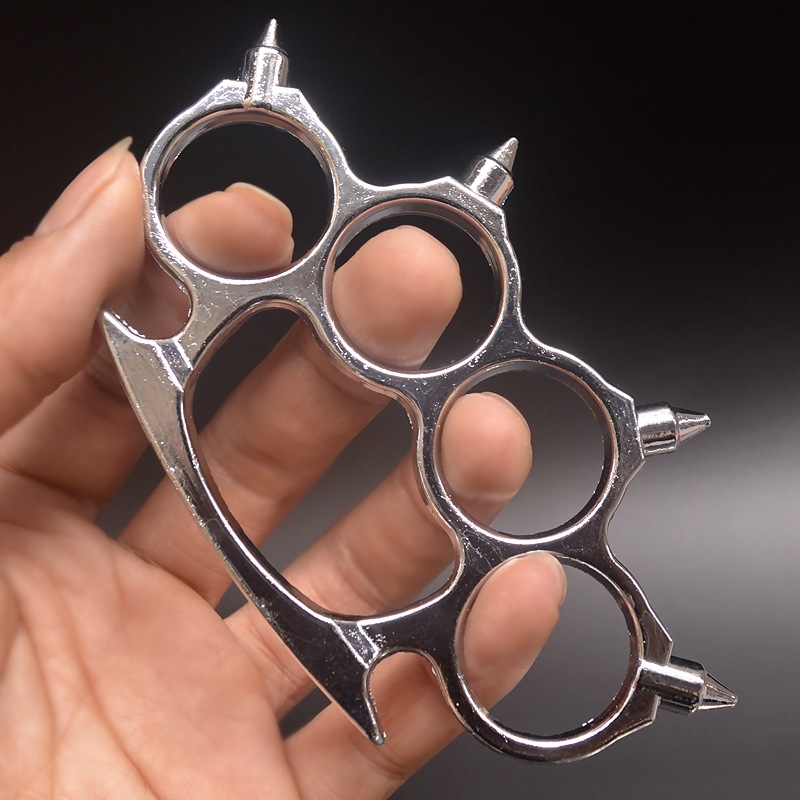
When discussing “brass knuckles,” it’s important to understand that Florida’s legal definition extends beyond just the traditional metal design. The term “metallic knuckles” is used to cover any similar device constructed from metal or other hard materials that are designed to be worn over the knuckles to increase the impact of a punch. This broad definition ensures that attempts to circumvent the law through material variations (e.g., plastic or carbon fiber knuckles) or design alterations (e.g., knuckle dusters, bladed knuckles, or even rings with protruding spikes) are still captured under the prohibition.
The key factor is the intent and design of the item: if it is shaped or constructed to be worn on the hand to deliver a more forceful or damaging blow, it is likely to be considered illegal metallic knuckles under Florida law. This expansive interpretation is critical for travelers who might encounter novelty items or seemingly innocuous trinkets that, upon closer inspection, could fall under this prohibited category. For instance, a decorative belt buckle or a unique piece of jewelry could inadvertently be classified as a prohibited weapon if its primary design or potential use aligns with the definition of metallic knuckles. Therefore, exercising caution and common sense is advisable when purchasing or carrying any items that could potentially be misconstrued, especially in tourist areas where unique souvenirs might be sold.
Penalties and Consequences for Possession
The legal consequences for possessing brass knuckles in Florida are substantial and can significantly disrupt a traveler’s itinerary and future. Under Florida law, carrying a concealed weapon (which includes metallic knuckles) without a valid concealed weapon license is a third-degree felony. This is a serious charge, not a minor misdemeanor. A third-degree felony in Florida can result in:
- Imprisonment: Up to five years in a state prison.
- Fines: Up to $5,000.
- Probation: A period of supervised probation, which could be particularly problematic for out-of-state or international visitors.
Beyond these immediate legal penalties, a felony conviction can have long-lasting effects. For travelers, it could lead to:
- Deportation: For non-U.S. citizens, a felony conviction can lead to deportation and future denial of entry into the United States.
- Travel Restrictions: Difficulty entering other countries in the future.
- Professional Impact: Damage to one’s reputation and potential career repercussions.
- Loss of Rights: Such as voting rights or the right to own firearms, even after serving time.
It is crucial to understand that even if you possess brass knuckles with no intent to use them, or if you genuinely believe they are for self-defense, the act of possession itself can trigger these severe penalties. Law enforcement in cities like Miami, Tampa, or Jacksonville is well-versed in these laws, and they enforce them diligently to ensure public safety in high-traffic tourist areas and beyond.
Implications for Travelers and Tourists in the Sunshine State
For those planning to visit Florida, the legal status of brass knuckles is more than just a legal technicality; it’s a practical consideration that can directly impact the quality and safety of their trip. Understanding these implications helps travelers make informed decisions and avoid unnecessary risks.
Why This Matters to Your Florida Vacation
The primary reason this law matters to travelers is to avoid legal trouble. A vacation, whether it’s a family trip to Walt Disney World Resort or a quiet escape to Key West, can quickly turn into a nightmare if you’re arrested for a felony. The stress, financial burden of legal fees, and potential incarceration are certainly not part of anyone’s travel plans. Furthermore, a criminal record, especially a felony, can have lasting impacts on your ability to travel internationally, secure employment, or even find accommodation in the future.
Beyond direct legal issues, there’s the broader aspect of personal safety and security. While some travelers might consider carrying brass knuckles for self-defense, Florida law deems them illegal and therefore offers no legal protection in their use. Instead, carrying such an item could escalate a situation or lead to unintended consequences. For instance, if you are involved in an altercation and found to be carrying an illegal weapon, even if you are the victim, your legal standing could be severely compromised. Responsible travel emphasizes preparedness and adherence to local laws rather than relying on prohibited items.

What to Do If You Encounter These Items
Given the clear legal prohibition, the best advice for travelers is straightforward: do not purchase, possess, or carry brass knuckles or similar items in Florida. This includes refraining from buying them as souvenirs, accepting them as gifts, or bringing them from another state or country where they might be legal.
If you somehow come into possession of such an item inadvertently, or if you realize you’ve brought one into the state, the safest course of action is to dispose of it immediately and responsibly. Do not attempt to travel with it, especially through airports or public transportation hubs. If you are unsure about the legality of an item you possess, it is always best to err on the side of caution and consult with local law enforcement or legal counsel rather than risk a felony charge. Awareness and proactive measures are your best defense against unintended legal complications during your Florida adventure.
Navigating Airports and Transportation Hubs
Airports, train stations, and bus terminals are critical checkpoints where security protocols are rigorously enforced. For travelers flying into or out of Florida via major hubs like Miami International Airport or Orlando International Airport, understanding regulations enforced by the TSA (Transportation Security Administration) is paramount. The TSA explicitly prohibits brass knuckles in both carry-on and checked baggage. This rule is consistent across all airports in the United States, irrespective of individual state laws.
Attempting to pass through security with brass knuckles will result in their confiscation, and depending on the circumstances, could lead to further legal action by airport police, especially given Florida’s strict laws. Even if state law permits an item, the TSA might not, and vice versa. In the case of brass knuckles, both the TSA and Florida law prohibit them, creating a double layer of enforcement. Travelers should always check the TSA’s “What Can I Bring?” list on their official website before packing. Beyond air travel, bus and train services also have policies against dangerous weapons, and passengers found with prohibited items can face removal from service and legal penalties. The safest approach is simply not to carry such items when traveling to or within Florida.
Responsible Travel and Personal Safety in Florida
Ensuring personal safety while traveling in Florida doesn’t require carrying illegal weapons. Instead, it involves adopting smart travel habits, being aware of your surroundings, and utilizing legal and effective self-protection strategies. Responsible travel encompasses not just adherence to laws but also a proactive approach to well-being.
General Safety Tips for Exploring Florida’s Attractions
Florida offers an incredible array of attractions, from the vibrant nightlife of South Beach to the natural beauty of Clearwater Beach and the educational experiences at Kennedy Space Center. To enjoy these experiences safely, consider these general tips:
- Stay Aware of Your Surroundings: Pay attention to people and situations around you, especially in crowded tourist areas or unfamiliar neighborhoods.
- Protect Your Valuables: Keep wallets, phones, and other valuables secure and out of sight. Use hotel safes for passports and excess cash.
- Travel in Groups if Possible: There is safety in numbers, particularly during evening hours.
- Inform Someone of Your Itinerary: Let family or friends know your plans, especially if you’re venturing out alone.
- Use Reputable Transportation: Opt for licensed taxis, ride-sharing services, or public transport recommended by your accommodation.
- Avoid Risky Situations: Steer clear of isolated areas at night, excessive alcohol consumption, and engaging with suspicious individuals.
- Trust Your Instincts: If a situation feels unsafe, remove yourself from it immediately.
By prioritizing awareness and cautious behavior, travelers can significantly reduce their risk without resorting to illegal self-defense tools.
Understanding Local Customs and Regulations
Part of being a responsible traveler is respecting local customs and laws, which extend beyond just weapons. Florida has various regulations that visitors should be mindful of, such as open container laws in public spaces, specific rules for interacting with wildlife (especially in areas like the Florida Keys or the Everglades), and even nuanced traffic laws that might differ from your home state or country. For example, some beach towns have strict rules about glass containers on the sand, or regulations concerning beach driving.
Familiarizing yourself with these local particularities, even minor ones, demonstrates respect for the destination and its residents. A quick search about “local laws for tourists in Tallahassee” or “Fort Lauderdale” can provide valuable insights. This holistic approach to understanding your destination fosters a more enjoyable and harmonious travel experience, far more effective than relying on prohibited items for perceived safety.
Alternative Self-Defense Options for Travelers
While brass knuckles are illegal, there are legal and effective ways for travelers to enhance their personal safety without breaking the law. These options prioritize de-escalation, deterrence, and non-lethal defense:
- Personal Safety Alarms: Small, portable devices that emit a loud siren to attract attention and deter attackers.
- Pepper Spray/Mace: Legal in Florida for self-defense, provided it is used appropriately and within legal limits (e.g., canister size restrictions). Always check specific local ordinances before carrying.
- Situational Awareness Training: Investing in a basic self-defense course that focuses on awareness, de-escalation techniques, and simple physical maneuvers can be invaluable.
- Mobile Phone Apps: Many safety apps allow you to quickly alert contacts or emergency services with your location.
- Whistles: A simple, yet effective tool to draw attention and signal for help.
The key is to choose legal tools and strategies that empower you to react safely and responsibly, rather than resorting to items that could lead to your arrest and jeopardizing your entire trip.
Beyond Brass Knuckles: Other Legal Considerations for Travelers
While the focus here is on brass knuckles, Florida’s weapon laws are broad. Travelers should be generally aware of other regulations that might affect them, ensuring a fully compliant and peaceful visit.
Concealed Carry Permits and Firearm Laws in Florida
Florida is a state with relatively permissive firearm laws compared to some others, and it recognizes concealed carry permits from many other states. However, the process for carrying a concealed firearm is highly regulated and requires a valid permit. For those without a Florida-issued Concealed Weapon or Firearm License, or a recognized out-of-state permit, carrying a concealed firearm is illegal. Even with a permit, there are numerous places where firearms are prohibited, such as schools, courthouses, and portions of airports.
Travelers who are licensed to carry firearms in their home state must research Florida’s reciprocity laws carefully and understand where firearms are permitted and prohibited. It is always advisable to transport firearms unloaded and secured in a locked case, separate from ammunition, especially when flying or crossing state lines. Misunderstanding these laws can lead to severe penalties, mirroring or even exceeding those for brass knuckles.
Laws on Knives and Other Edged Weapons
Florida also has laws governing the possession and carrying of knives and other edged weapons. Generally, a “common pocketknife” is legal to carry, including concealed. However, the definition of a “common pocketknife” is subjective and can depend on blade length, locking mechanism, and intent. Larger knives, daggers, or fixed-blade knives might be considered “dangerous weapons” if carried concealed, similar to brass knuckles, unless for a lawful purpose (e.g., fishing, hunting, or a specific trade).
Switchblades (automatic knives) are generally prohibited for concealed carry. While a specific knife might be legal to own, carrying it concealed without a valid reason or permit can still lead to charges. When traveling to destinations like Sarasota for fishing or Naples for camping, ensuring that any tools or knives carried are appropriate for the activity and transported safely is crucial. As with all weapon laws, when in doubt, it is always safer to err on the side of caution and leave potentially questionable items at home.
In conclusion, for anyone considering a trip to the vibrant and diverse state of Florida, the answer to “Are brass knuckles illegal in Florida?” is an unequivocal yes. Florida law strictly prohibits the possession of metallic knuckles, classifying them as dangerous weapons, and carrying them, especially concealed, is a felony offense with severe penalties. Instead of relying on illegal items for personal safety, travelers are encouraged to embrace responsible travel practices, enhance situational awareness, and utilize legal, non-lethal self-defense tools. By respecting Florida’s laws and adopting smart safety habits, visitors can ensure their journey through the Sunshine State is not only memorable and enjoyable but also entirely safe and lawful, whether they are enjoying the thrills of Universal Studios Florida, soaking up the sun at Daytona Beach, or exploring any of the countless other attractions this beautiful state has to offer.
LifeOutOfTheBox is a participant in the Amazon Services LLC Associates Program, an affiliate advertising program designed to provide a means for sites to earn advertising fees by advertising and linking to Amazon.com. Amazon, the Amazon logo, AmazonSupply, and the AmazonSupply logo are trademarks of Amazon.com, Inc. or its affiliates. As an Amazon Associate we earn affiliate commissions from qualifying purchases.