
The journey between Los Angeles and San Francisco is more than just a measurement of miles; it’s an iconic California adventure, a tapestry woven with stunning landscapes, vibrant cityscapes, and diverse cultural experiences. Whether you’re a seasoned traveler seeking efficiency or a leisure explorer yearning for scenic detours, understanding the distance and the myriad ways to traverse it is the first step in planning an unforgettable trip. This comprehensive guide will delve into everything you need to know about traveling between these two Golden State titans, from the practicalities of distance and travel times to the rich destinations, attractions, and accommodation options that await.
The Distance Between Two Golden State Icons
At its core, the question “How far is Los Angeles to San Francisco?” refers to the geographical span separating Southern California’s sprawling metropolis from Northern California’s charming, hilly city. However, the answer is rarely a single, definitive number, as it depends significantly on the chosen route and mode of travel.
Understanding the Geographical Divide
The most direct driving route between Los Angeles and San Francisco typically covers approximately 380 to 400 miles (610 to 640 kilometers). This primarily involves taking Interstate 5 (I-5), which carves a path through California’s vast Central Valley. While this route is the fastest, generally taking 6 to 8 hours without significant stops or heavy traffic, it offers fewer scenic vistas compared to coastal alternatives. The I-5 is a lifeline for commerce and rapid transit, connecting the two major economic hubs of California.
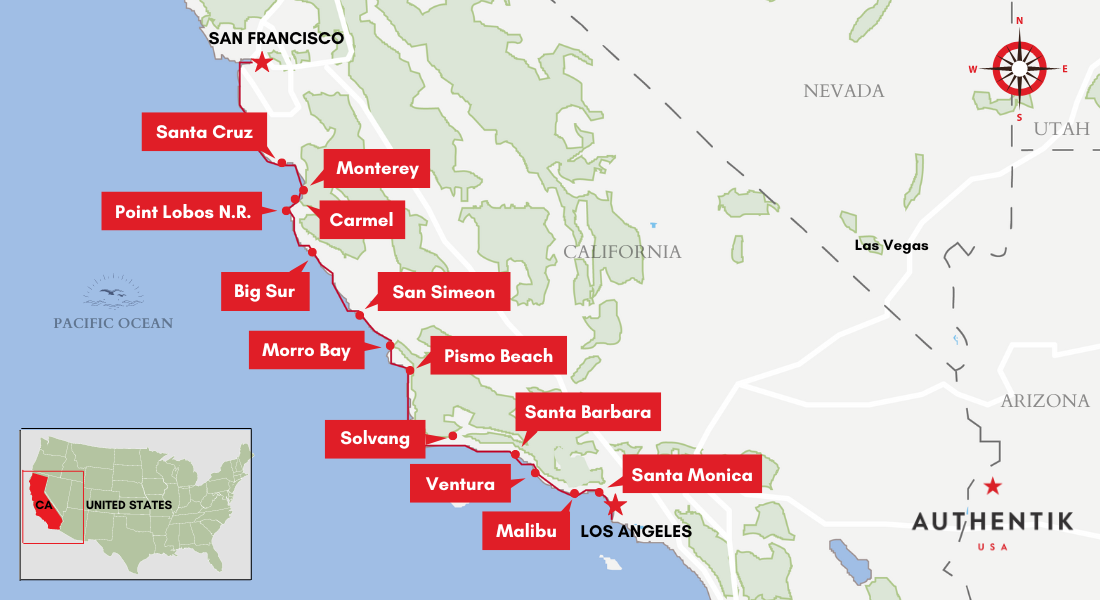
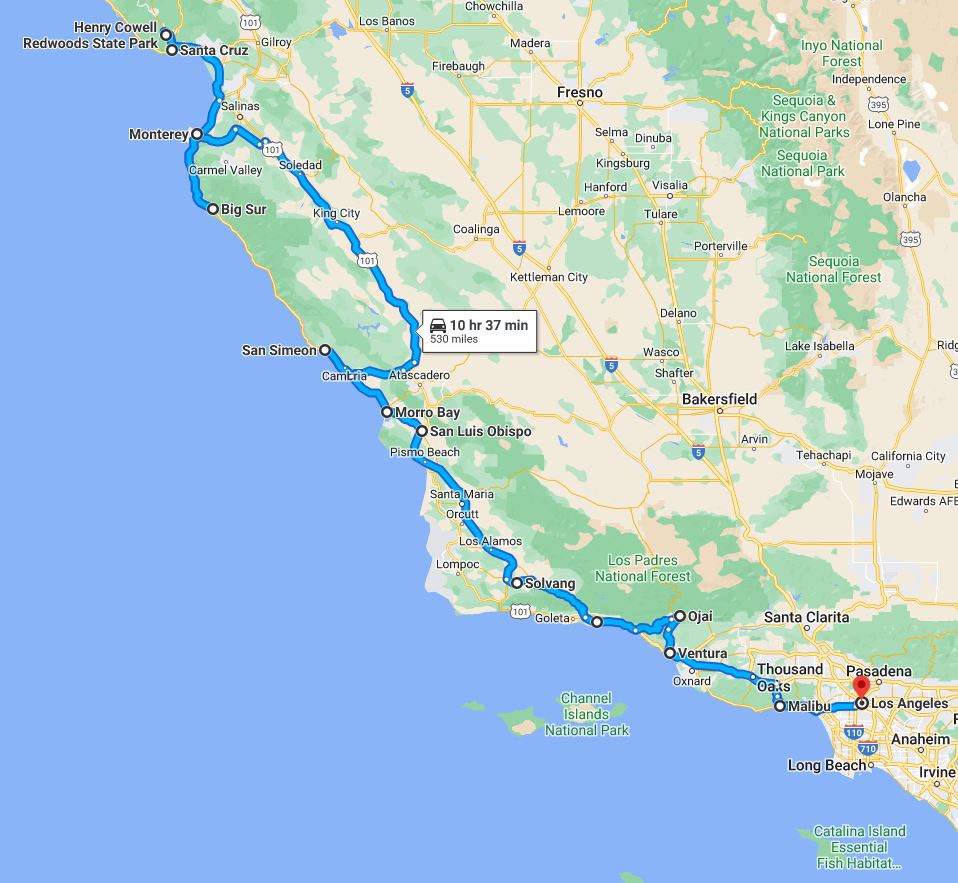
However, the allure of California often lies beyond the fastest path. Choosing the more scenic coastal route, primarily along U.S. Route 101 and sometimes incorporating portions of Highway 1 (the iconic Pacific Coast Highway), extends the distance to roughly 450 to 500 miles (720 to 800 kilometers). This journey is designed for those who appreciate the experience as much as the destination, often stretching into a multi-day adventure due to numerous captivating landmarks and picturesque towns along the way. The travel time for such a route can easily exceed 10-12 hours of driving time, not including the essential stops for sightseeing, dining, and accommodation.
More Than Just Miles: The Allure of the Journey
The distance between Los Angeles and San Francisco truly represents a diverse spectrum of California’s character. From the sun-drenched beaches and Hollywood glamor of LA to San Francisco’s fog-kissed Golden Gate Bridge and historic neighborhoods, the journey connects two distinct worlds. This makes the route a microcosm of American travel, offering a blend of fast-paced urban lifestyle and tranquil natural beauty. Whether you’re seeking luxury travel with stays in exquisite resorts or budget travel exploring local diners and campsites, the corridor between these cities provides ample opportunity for any type of voyager.
Navigating the Golden State: Travel Options
Deciding how to travel between Los Angeles and San Francisco is as crucial as knowing the distance. Each mode of transportation offers a unique perspective and caters to different priorities, from speed and convenience to scenic experiences and cost-effectiveness.
The Quintessential California Road Trip
For many, the ultimate way to bridge the gap between LA and SF is by car. The freedom of the open road allows for spontaneous stops, exploration of hidden gems, and tailoring the journey to personal interests.
The Coastal Scenic Route: Highway 1 and US-101
Embarking on the coastal route is an experience in itself, often ranked among the world’s most beautiful drives. Starting on U.S. Route 101 out of Los Angeles, travelers can choose to merge onto Highway 1 for more dramatic ocean views, particularly through the renowned Big Sur region. This route is ideal for those planning family trips or leisurely getaways.
- Santa Barbara: Approximately 95 miles north of LA, this picturesque city boasts Spanish colonial architecture, pristine beaches, and a vibrant food scene. It’s an excellent first stop, offering charming boutique hotels and sophisticated resorts like the Ritz-Carlton Bacara.
- San Luis Obispo: Known for its historic mission and playful Bubblegum Alley, SLO provides a relaxed atmosphere and serves as a good overnight stop.
- Hearst Castle: A majestic historic estate near San Simeon, offering a glimpse into opulent lifestyle and stunning architecture.
- Big Sur: The undisputed highlight for many, where redwood forests meet dramatic cliffs plunging into the Pacific Ocean. Plan for multiple stops at scenic overlooks. For an unparalleled luxury travel experience, the Post Ranch Inn offers breathtaking views and seclusion.
- Monterey & Carmel-by-the-Sea: The Monterey Bay Aquarium is a world-class attraction, while Carmel-by-the-Sea charms with its fairy-tale cottages, art galleries, and the famous 17-Mile Drive within Pebble Beach. Hotels like the Inn at Spanish Bay offer elegant accommodation here.
This route requires careful planning, especially regarding road conditions along Highway 1, which can be subject to closures due to landslides.
The Fastest Inland Route: I-5
For those prioritizing speed and efficiency, especially business travelers or those on a tight schedule, I-5 is the unequivocal choice. While less scenic, it offers direct access between the two cities. You’ll pass through vast agricultural lands, with fewer major attractions directly on the route. Pit stops are typically at roadside service areas with gas stations and fast-food options. An alternative, slightly less direct but also inland, is Highway 99, which runs through more towns in the Central Valley.
Taking to the Skies: Air Travel
For the quickest transit, flying is the top option. Flights between Los Angeles area airports and San Francisco Bay Area airports are frequent and relatively short.
- Airports: Major airports include Los Angeles International Airport (LAX), Hollywood Burbank Airport (BUR), and Long Beach Airport (LGB) in the LA region. In the Bay Area, San Francisco International Airport (SFO) is the primary hub, complemented by Oakland International Airport (OAK) and Norman Y. Mineta San Jose International Airport (SJC).
- Flight Duration: Actual flight time is typically 1 hour to 1 hour 30 minutes. However, factor in travel to and from airports, security checks, and boarding, which can easily add 3-4 hours to the total journey.
- Booking Tips: Flights are generally affordable, especially if booked in advance. Comparison websites are useful for finding the best deals. This mode of travel is often chosen for business stays where time is a premium.
Rail and Bus Journeys: Scenic and Sustainable Alternatives
For those seeking a more relaxed pace, environmental consciousness, or a budget-friendly travel option, trains and buses offer viable alternatives.
- Amtrak Coast Starlight: Considered one of North America’s most scenic train routes, the Coast Starlight offers a comfortable and picturesque journey. The train takes approximately 9.5 to 12 hours, winding through coastal mountains, lush forests, and fertile valleys. It’s a fantastic experience for those who enjoy slow travel and want to soak in the natural beauty of California. Amenities often include dining cars, observation cars, and various seating classes.
- Bus Services: Companies like Greyhound and FlixBus provide regular, economical bus services between the cities. The journey duration is similar to driving I-5, around 7 to 9 hours, depending on stops and traffic. This is a popular choice for budget travelers and students.
Immersive Experiences Along the Way: Destinations & Accommodation
The journey between LA and SF is rich with diverse experiences, from sun-kissed beaches to historic towns, each offering unique insights into California’s local culture and a range of accommodation options.
Coastal Charms and Central Coast Wonders
The stops along the Pacific Coast Highway are truly highlights for tourism.
- Santa Barbara: Beyond its beautiful architecture and beaches, Santa Barbara is also a gateway to the nearby Santa Ynez Valley wine region, offering excellent food and wine experiences. Its hotels range from charming inns to the opulent Ritz-Carlton Bacara, known for its sprawling resort amenities.
- Monterey Bay & Carmel-by-the-Sea: The Monterey Bay Aquarium is a must-visit for family trips, showcasing the vibrant marine life of the Pacific Ocean. In Carmel-by-the-Sea, you can explore art galleries, enjoy boutique shopping, and stroll along the white sands of Carmel Beach. Accommodation here leans towards boutique hotels and cozy inns, with the Inn at Spanish Bay offering golf course views and refined luxury.
- Big Sur: Known for its rugged, untamed nature and dramatic coastal vistas. This stretch is less about towns and more about natural landmarks like Bixby Bridge and McWay Falls. Accommodation is often upscale and secluded, with the Post Ranch Inn epitomizing luxury travel amidst breathtaking scenery.
Southern California Delights: Starting in Los Angeles
Before embarking north, take time to immerse yourself in the dynamic energy of Los Angeles. From the glitz and glamour of Hollywood, with its iconic Hollywood Walk of Fame and Universal Studios Hollywood, to the scientific wonders of the Griffith Observatory offering panoramic city views and stellar gazing, LA caters to every interest. Beach communities like Santa Monica and Venice Beach provide vibrant boardwalk experiences and a quintessential Southern California vibe. For accommodation, Los Angeles boasts an array of options from boutique hotels in Silver Lake to opulent resorts in Beverly Hills, such as the historic Beverly Wilshire, A Four Seasons Hotel, perfect for those seeking luxury travel.
Northern California’s Jewel: Arriving in San Francisco
Upon arrival in San Francisco, you’re greeted by an entirely different California charm. The city’s iconic landmarks include the majestic Golden Gate Bridge, the historic Alcatraz Island (requiring advance booking), and the bustling Fisherman’s Wharf. Don’t miss a ride on the famous cable cars, a quintessential San Francisco experience. Explore diverse neighborhoods like the vibrant Mission District, known for its colorful murals and incredible food scene, especially its burritos. Accommodation in San Francisco ranges from luxurious hotels like The Ritz-Carlton, San Francisco or the historic Fairmont San Francisco atop Nob Hill to charming boutique hotels and more budget-friendly apartments or hostels, catering to every lifestyle and preference.

Planning Your California Adventure: Tips for Every Traveler
Successfully navigating the journey between Los Angeles and San Francisco involves more than just picking a route; it requires thoughtful planning that aligns with your travel style, budget, and desired experiences.
Choosing Your Travel Style
California welcomes all types of travelers, and the LA to SF corridor is perfectly equipped to cater to diverse preferences.
- Luxury Travel: Opt for exclusive hotels and resorts with premium amenities like spa services, gourmet dining, and concierge guides. Consider a private car service for your road trip or first-class air/rail tickets. Indulge in fine dining in both cities and along the coast, perhaps a stop for wine tasting in Napa Valley or Sonoma (a slight detour from SF).
- Budget Travel: Utilize bus services like FlixBus or Greyhound, stay in hostels or budget-friendly apartments, and explore local eateries and food trucks. Camping in state parks along the coastal route is another excellent budget-friendly option for those who love nature.
- Family Trips: A road trip is often the most flexible choice. Plan stops at kid-friendly attractions like the Monterey Bay Aquarium or Disneyland (if extending your LA stay). Look for hotels or apartments with family-friendly amenities such as pools or kitchenettes.
- Business Stays: Efficiency is key. Opt for flying between LAX or BUR and SFO or SJC (especially if visiting Silicon Valley). Choose hotels that offer robust Wi-Fi, meeting facilities, and easy access to business districts.
Accommodation Considerations
Regardless of your travel style, thoughtful accommodation booking is paramount.
- Booking in Advance: Especially during peak season (summer, holidays), popular hotels, resorts, and even campsites along the coastal route can fill up quickly.
- Types of Accommodation: Beyond traditional hotels, consider suites, apartments, or villas for longer stays or family trips, offering more space and flexibility. Boutique hotels provide unique character and personalized service.
- Amenities: Prioritize amenities that enhance your trip, whether it’s a pool for the kids, a pet-friendly policy, or a fitness center for a business stay.
- Reviews and Comparison: Always check recent reviews and use comparison websites to ensure you’re getting the best value and quality for your accommodation choice.
Embracing Local Culture and Cuisine
Tourism in California is incomplete without savoring its diverse local culture and world-renowned food scene.
- Food Scenes: In Los Angeles, explore the vast array of international cuisine, from Korean BBQ in Koreatown to gourmet food trucks across the city. San Francisco is famous for its sourdough bread, fresh seafood at Fisherman’s Wharf, and the Mission-style burrito from the Mission District. Along the coast, enjoy fresh farm-to-table dining in wine regions or seafood shacks.
- Activities & Tips: Engage with local communities through farmers’ markets, art festivals, or street performances. Public transportation (MUNI in San Francisco, Metro in Los Angeles) is a great way to navigate cities and experience them like a local. Remember to dress in layers for San Francisco’s famously unpredictable weather!
In conclusion, the distance from Los Angeles to San Francisco is a journey that promises an abundance of experiences for every type of traveler. Whether you prioritize speed, scenery, luxury, or budget, California’s iconic corridor is ready to be explored. By understanding the various travel options, making informed choices about accommodation, and embracing the rich local culture and attractions along the way, your trip will be far more than just covering miles—it will be a truly unforgettable adventure.
LifeOutOfTheBox is a participant in the Amazon Services LLC Associates Program, an affiliate advertising program designed to provide a means for sites to earn advertising fees by advertising and linking to Amazon.com. Amazon, the Amazon logo, AmazonSupply, and the AmazonSupply logo are trademarks of Amazon.com, Inc. or its affiliates. As an Amazon Associate we earn affiliate commissions from qualifying purchases.