
When travelers think of the heart of the United States, their minds often drift to endless horizons, golden fields, and the spirit of the Great Plains. But to truly understand the soul of this region, one must look at the names it carries. While many states have official and unofficial titles, few are as evocative or as deeply rooted in local culture as the nicknames of Kansas. Known primarily as the Sunflower State, this land offers a rich tapestry of history, agriculture, and hospitality that defines the midwestern experience.
In the world of tourism, a nickname is more than just a label; it is a brand that invites visitors to explore specific themes—be it the vibrant flora, the pioneering history, or the culinary traditions of the area. By examining the various monikers of Kansas, we can unlock a deeper appreciation for the local culture and the diverse activities available to those who venture into this central American gem.
The Roots of the Sunflower State: A Cultural Identity
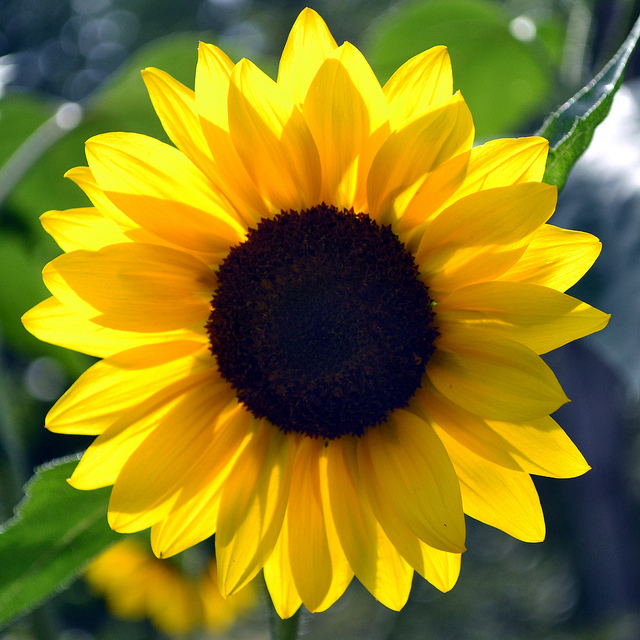
The most famous nickname for Kansas is undoubtedly the Sunflower State. This title was officially recognized when the wild native sunflower was designated as the state flower in 1903. For the locals, the sunflower is not merely a plant; it is a symbol of resilience, warmth, and the bright future of the plains.
The Symbolism of the Wild Native Sunflower
The native sunflower thrives in the soil of Kansas, standing tall against the wind and turning its face toward the sun. This botanical behavior is often used as a metaphor for the people of the state—steadfast, optimistic, and deeply connected to their environment. When visiting Topeka, the state capital, travelers can see this motif repeated in architecture, art, and even the state flag.
For those interested in the aesthetic side of tourism, the sunflower season is a major draw. In late summer and early autumn, vast fields across the state erupt in a sea of gold. Photographers and nature lovers flock to areas like Lawrence and Manhattan to witness these blooms. It is a cultural phenomenon that bridges the gap between the state’s wild past and its modern agricultural identity.
From Agricultural Roots to Modern Tourism
While the sunflower is a beautiful symbol, it also represents the state’s agricultural prowess. The transition from a wild prairie to a global food provider is a central theme in Kansas tourism. Visitors are encouraged to explore the many agritourism opportunities that allow them to see where their food comes from. From pumpkin patches in the fall to sunflower festivals in the summer, the “Sunflower State” nickname is a gateway to experiencing the rhythm of life on the plains.
Beyond the Sunflowers: Exploring the Wheat State and Jayhawker State
While “Sunflower State” is the most recognizable, Kansas is frequently referred to by other names that highlight different facets of its heritage. Each nickname provides a unique lens through which tourists can view the state’s contributions to the North America continent.
The Breadbasket of the World: The Wheat State
If you drive through the central part of the state during the early summer, you will see why Kansas is also known as the Wheat State. As one of the leading producers of wheat in the United States, this nickname reflects the state’s economic backbone.
For travelers, this aspect of Kansas culture is best experienced in the smaller rural communities. Towns like Hutchinson offer deep dives into the science and history of farming. A visit to the Kansas Cosmosphere and Space Center in Hutchinson might seem unrelated to wheat, but the ingenuity required to farm the plains is the same spirit that fueled the space race. Furthermore, the golden waves of grain provide a stunning backdrop for road trips along the Post Rock Scenic Byway.
The Jayhawker State: A Legacy of Freedom
One of the more historical and spirited nicknames is the Jayhawker State. This term dates back to the pre-Civil War era, specifically the “Bleeding Kansas” period. The term “Jayhawker” was used to describe those who fought to ensure that Kansas would enter the Union as a free state.
Today, the term is most famously associated with the University of Kansas in Lawrence. For sports fans and cultural historians, visiting Lawrence is a must. The city is a vibrant hub of education, music, and progressive thought, heavily influenced by its abolitionist roots. Attending a basketball game at Allen Fieldhouse is not just a sporting event; it is a cultural immersion into the “Jayhawk” spirit that defines much of the state’s identity.
Cultural Landmarks and Immersive Activities in Kansas
The nicknames of Kansas serve as a roadmap for the best activities the state has to offer. Whether you are seeking the grit of the Old West or the serenity of the prairie, there is a landmark that embodies the state’s diverse character.
Step Back in Time in Dodge City
Known as the “Wickedest Little City in the West,” Dodge City is the epitome of the frontier spirit. While not a nickname for the state itself, Dodge City contributes significantly to the Kansas identity as a land of pioneers and cowboys. Tourists can visit the Boot Hill Museum to experience a reconstructed Front Street and learn about legendary figures like Wyatt Earp and Doc Holliday. This historical tourism allows visitors to step into the boots of those who shaped the American West.
Nature’s Splendor in the Flint Hills
For those who want to see what Kansas looked like before the plows arrived, the Flint Hills are an essential destination. This region contains the largest remaining tract of tallgrass prairie in the world. The Tallgrass Prairie National Preserve offers hiking trails and bus tours where visitors can see bison roaming in their natural habitat. The Flint Hills represent the “Nature” side of Kansas tourism, providing a quiet, spiritual connection to the land that contrasts with the bustling energy of the cities.
Artistic Vibes in Wichita
Wichita, the state’s largest city, blends industrial history with a thriving modern arts scene. Known as the “Air Capital of the World” due to its history with aviation, Wichita offers landmarks like the Keeper of the Plains, a massive steel sculpture standing at the confluence of the Arkansas River and the Little Arkansas River. The sculpture, created by Native American artist Blackbear Bosin, is a tribute to the indigenous peoples who first inhabited the region and is a central point for local festivals and fire-lighting ceremonies.
The Culinary Landscape: A Taste of Local Tradition
No exploration of local culture is complete without a journey through its flavors. Kansas tourism is deeply tied to its food, which reflects the state’s agricultural heritage and the diverse groups of people who settled there.
Kansas City Style Barbecue
While Kansas City spans the border of both Missouri and Kansas, the Kansas side (often referred to as KCK) is home to some of the most legendary barbecue joints in the world. Kansas City Style Barbecue is characterized by its wide variety of meats—particularly burnt ends—and its thick, sweet, tomato-based sauce. Visiting iconic spots like Joe’s Kansas City Bar-B-Que, located inside a gas station, is a rite of passage for any food-loving tourist.
Farm-to-Table Dining in the Great Plains
The “Wheat State” nickname comes to life in the kitchens of Kansas. In recent years, a strong farm-to-table movement has taken root in cities like Topeka and Overland Park. Chefs prioritize locally sourced beef, seasonal vegetables, and, of course, artisanal breads made from locally milled flour. This culinary shift allows visitors to taste the landscape, connecting the vast fields they see from the highway directly to their plates.

Essential Tips for Travelers Visiting Kansas
To make the most of a trip to the Sunflower State, travelers should keep a few local tips in mind. The geography is vast, and the experiences are often found off the beaten path.
- Timing Your Visit: If you want to see the sunflowers in full bloom, aim for late August or early September. However, if you prefer cooler weather and the vibrant colors of the prairie grasses, autumn is a spectacular time to visit the Flint Hills.
- Driving is Essential: Kansas is a large state with limited public transportation between cities. Renting a car is the best way to explore landmarks like the Monument Rocks or the Strataca salt mine.
- Embrace the Small Towns: While Wichita and Kansas City offer many amenities, the true charm of Kansas culture often lies in small towns like Lindsborg, known as “Little Sweden USA,” or Council Grove, a historic stop on the Santa Fe Trail.
- Weather Awareness: The plains are known for dramatic weather. If you are visiting during the spring, keep an eye on the forecast for thunderstorms. The local news stations in Kansas are world experts in weather tracking, and staying informed is part of the local experience.
In conclusion, the nickname of Kansas—the Sunflower State—is a fitting tribute to a land that is as bright and enduring as the flower itself. From the historical echoes of the Jayhawker State to the industrial and agricultural strength of the Wheat State, Kansas offers a rich, multi-layered experience for any traveler. By engaging with its local culture, visiting its landmarks, and sampling its traditional foods, you will find that the heart of America is a place of unexpected beauty and profound history.
LifeOutOfTheBox is a participant in the Amazon Services LLC Associates Program, an affiliate advertising program designed to provide a means for sites to earn advertising fees by advertising and linking to Amazon.com. Amazon, the Amazon logo, AmazonSupply, and the AmazonSupply logo are trademarks of Amazon.com, Inc. or its affiliates. As an Amazon Associate we earn affiliate commissions from qualifying purchases.