
The Grand Canyon, a colossal chasm carved by eons of geological activity, stands as one of the most iconic natural landmarks on Earth. Its sheer scale, vibrant stratified rock, and breathtaking vistas have captivated explorers, scientists, and tourists for centuries. However, a common misconception often surfaces regarding its geographical placement: is the Grand Canyon in Colorado? The definitive answer is no. While the mighty Colorado River, responsible for much of its formation, flows through both states, the entirety of the Grand Canyon itself is situated within the state of Arizona. This distinction is crucial for understanding not only its precise location but also its unique environmental, historical, and geological context. Dispelling this geographical myth allows us to appreciate the Grand Canyon for what it truly is: an unparalleled geological masterpiece wholly belonging to the rugged landscape of Arizona.
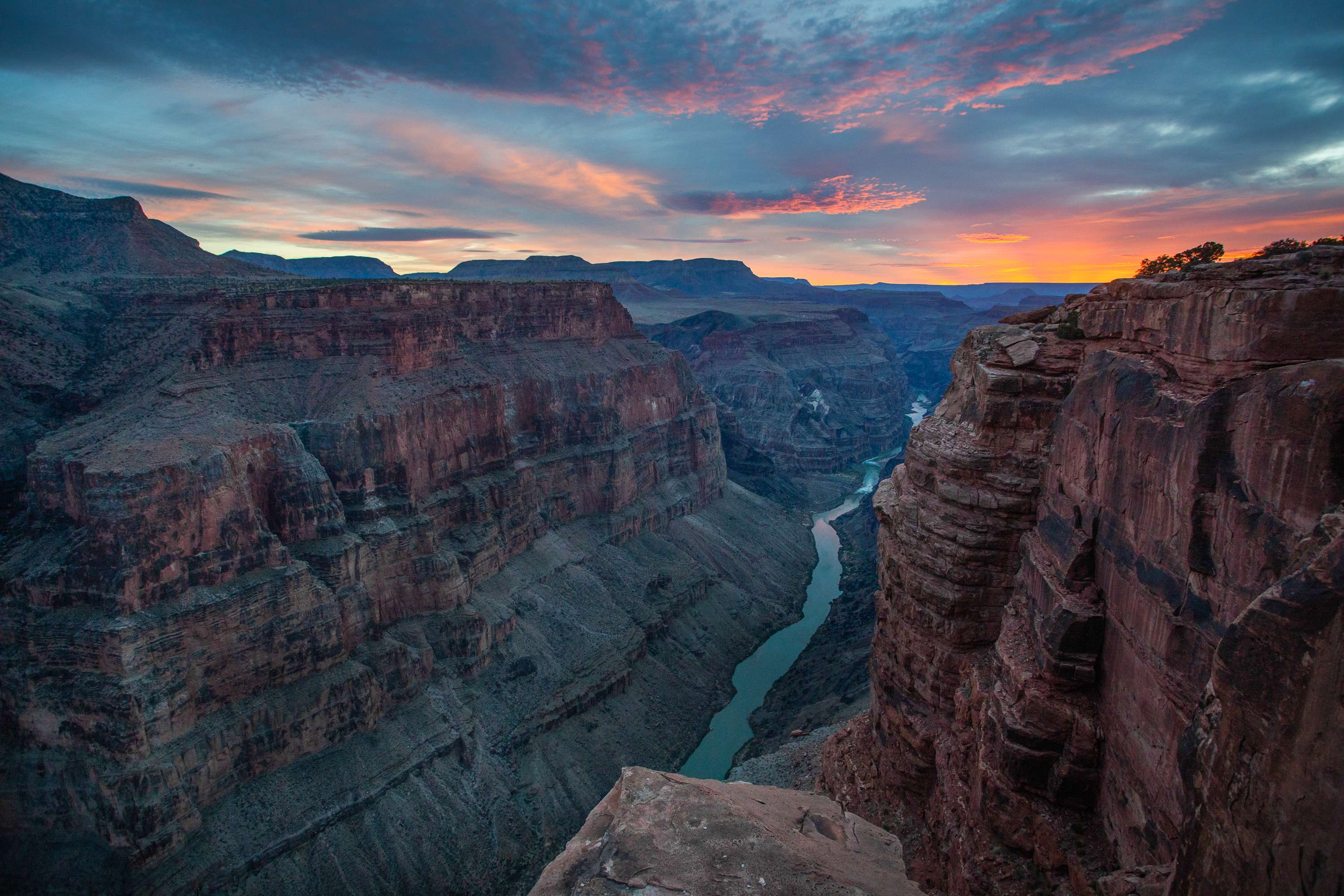
Setting the Record Straight: The Grand Canyon’s True Home
The persistent query about the Grand Canyon’s location often stems from its intimate association with the Colorado River. This magnificent river, which originates in the Rocky Mountains of Colorado and flows southwest across the Colorado Plateau, is indeed the primary sculptor of the canyon. The river’s journey through several states, including Colorado, Utah, Arizona, and Nevada, can lead to understandable confusion. However, the section of the river that has carved the mile-deep, 277-mile-long (446 km) and up to 18-mile-wide (29 km) Grand Canyon is exclusively within the borders of Arizona.
Not in Colorado, But Arizona
The Grand Canyon is unequivocally located in northwestern Arizona. This fact is fundamental to its identity as a landmark. The vast majority of the canyon, including its most famous and accessible viewpoints like the South Rim and North Rim, falls within the boundaries of Grand Canyon National Park. Established as a national park in 1919, this protected area spans an impressive 1,217,403 acres (4,926 km²), safeguarding the canyon’s geological wonders, unique ecosystems, and rich cultural history. The specific placement within Arizona also influences its climate, flora, and fauna, making it distinct from other river-carved canyons further upstream in Colorado or Utah. Understanding its Arizonan roots is the first step in truly appreciating this natural marvel.
Understanding the Colorado River Connection
The Colorado River is the lifeblood and primary architect of the Grand Canyon. Over millions of years, the relentless force of its waters, combined with the uplift of the Colorado Plateau, has sculpted the breathtaking topography we witness today. The river’s headwaters are indeed in Colorado, traversing significant stretches of that state and others before reaching the deep canyons of Arizona. This long, arduous journey is essential to the river’s power and sediment load, both crucial factors in the erosion process that formed the canyon. Therefore, while the river’s name and origins might suggest a connection to the state of Colorado for the canyon itself, it is only within Arizona that the river performs its grandest act of geological artistry, creating the renowned landmark that bears its carving mark. This relationship underscores the interconnectedness of geography and the powerful forces of nature that shape our planet’s most striking features.
A Monument to Geological Time
The Grand Canyon is far more than just a large hole in the ground; it is an open book of Earth’s history, showcasing nearly two billion years of geological record. Its immense depth and the exposed layers of rock provide an unparalleled opportunity to study geological processes, from sedimentary deposition to tectonic uplift and erosion. Each stratum tells a story of ancient seas, deserts, and mountain ranges, offering insights into the planet’s dynamic past. This geological significance is what elevates the Grand Canyon from a mere landscape to a pivotal natural landmark, attracting geologists and enthusiasts from around the globe eager to decipher its ancient messages.
Unveiling Earth’s History Through Strata
The rock layers visible within the Grand Canyon are a testament to the vast stretches of geological time. The oldest rocks, found at the very bottom of the canyon, are crystalline basement rocks of the Vishnu Basement Rocks, dating back nearly 1.84 billion years. Above these lie the tilted layers of the Grand Canyon Supergroup, followed by the largely horizontal layers of Paleozoic sedimentary rocks, including the Tapeats Sandstone, Bright Angel Shale, Muav Limestone, and the Kaibab Limestone at the rim. Each layer represents a different ancient environment—shallow seas, coastal plains, vast sand dunes—and contains fossils that chronicle the evolution of life on Earth. The unconformities, or gaps in the rock record, also tell significant stories of periods of erosion and non-deposition, adding layers of complexity to its geological narrative. This “layer cake” effect makes the Grand Canyon an incomparable outdoor classroom for understanding stratigraphy and deep time.
The Forces of Erosion: Water, Wind, and Time
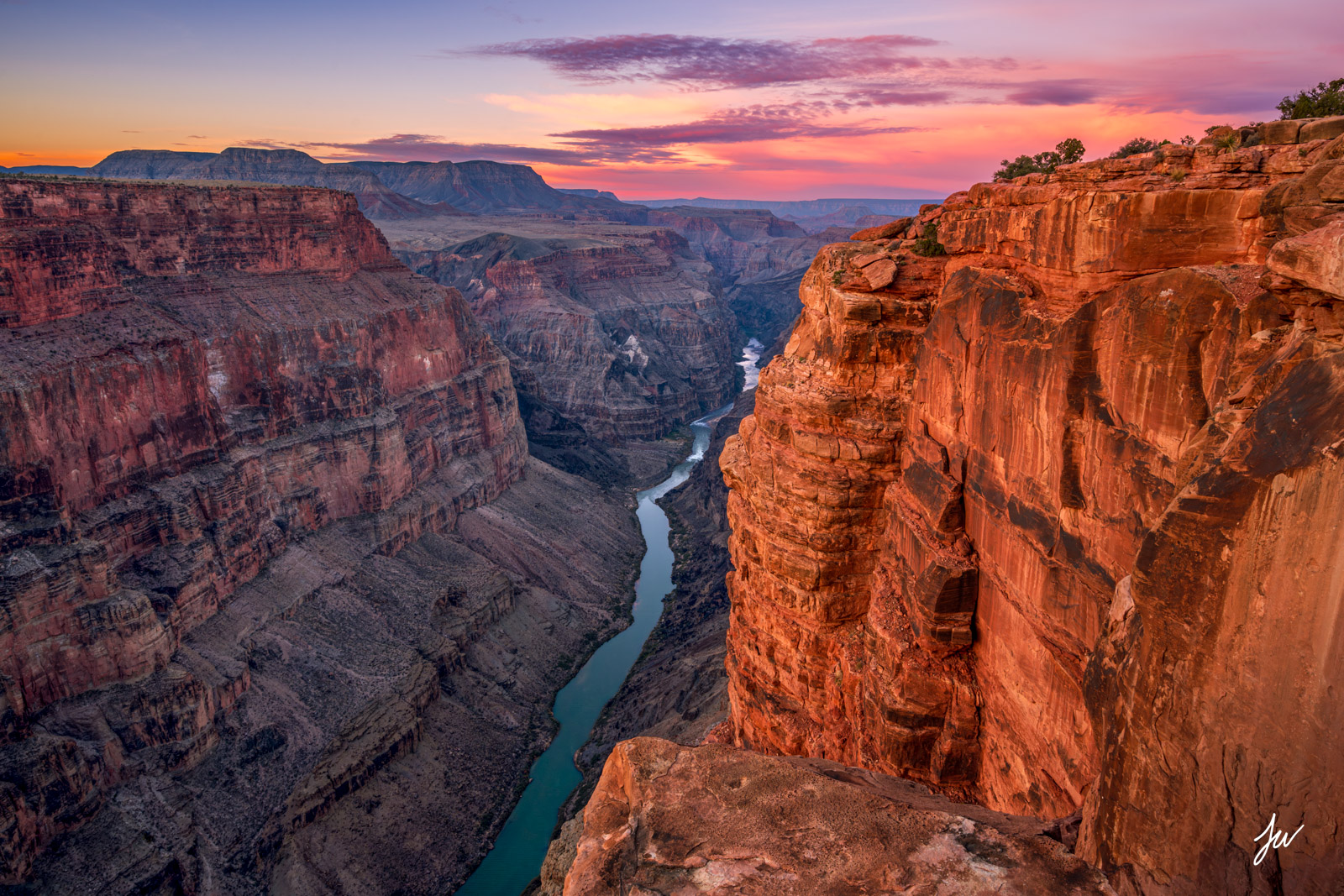
While the Colorado River is the primary sculptor, the formation of the Grand Canyon is a result of a complex interplay of various erosional forces over millions of years. The initial uplift of the Colorado Plateau about 70 million years ago set the stage, increasing the gradient of the Colorado River and enhancing its erosional power. The sheer volume and velocity of the river, especially during periods of heavy rainfall and snowmelt, allowed it to cut downward through the uplifted rock layers. Beyond the river itself, other forces have played crucial roles: tributary streams and flash floods have carved side canyons and contributed to the widening of the main chasm. Frost wedging, where water freezes and expands in rock cracks, and the abrasive action of wind carrying sand particles, further break down the canyon walls. Gravity also contributes, causing landslides and rockfalls that continually reshape the canyon’s immense slopes. It is this sustained, multi-faceted attack by the elements that has created the Grand Canyon’s iconic, intricate, and ever-evolving landscape, making it a dynamic landmark of natural forces at work.
The Grand Canyon as a Natural Wonder
Beyond its geological grandeur, the Grand Canyon is a natural wonder due to its extraordinary ecological diversity and the unparalleled beauty of its landscapes. Its vast scale creates a variety of microclimates and habitats, supporting a surprising array of plant and animal life. From the scorching desert floor to the cooler, forested rims, the canyon acts as an ecological crossroads, home to species adapted to vastly different conditions. This biodiversity, coupled with the awe-inspiring panoramic views, cements its status as a world-renowned natural landmark and a jewel of the global environment.
Biodiversity and Ecosystems Within the Canyon
The immense vertical relief and varying elevations of the Grand Canyon create a remarkable gradient of ecosystems, often compared to traveling from Mexico to Canada in terms of ecological zones. At the bottom, along the Colorado River, lies a riparian zone of desert scrub, supporting cottonwood trees, willows, and species like beaver and otter. As elevation increases, arid grasslands give way to pinyon-juniper woodlands on the canyon slopes, home to mule deer, bighorn sheep, and numerous bird species. The higher elevations of the South Rim and especially the North Rim (Kaibab Plateau), experience cooler, wetter conditions, supporting ponderosa pine and spruce-fir forests. Here, animals such as elk, mountain lions, and the unique Kaibab squirrel thrive. This ecological tapestry, from desert succulents to alpine conifers, within a single landmark, makes the Grand Canyon an exceptional site for biological study and conservation.
Iconic Vistas and Viewpoints
The sheer visual impact of the Grand Canyon is legendary, drawing millions of visitors annually to experience its iconic vistas. The South Rim is the most accessible and developed, offering numerous viewpoints such as Mather Point, Yavapai Point, and Grandview Point, each providing unique perspectives on the canyon’s vastness and intricate geology. Here, the panoramic views extend for miles, revealing layers of rock painted in hues of red, orange, purple, and gold, particularly striking at sunrise and sunset. The North Rim, while harder to access and open seasonally, offers a different, often more secluded, experience with higher elevations and dense forests, providing unique viewpoints like Bright Angel Point and Cape Royal. Beyond the main rims, the Grand Canyon also encompasses areas like the East Rim and West Rim, the latter featuring attractions like the Grand Canyon Skywalk on Hualapai tribal lands. Each viewpoint offers a different angle, light, and depth of field, ensuring that every visit reveals new facets of this endlessly fascinating natural landmark.
Cultural and Historical Significance
The Grand Canyon’s significance extends far beyond its geological and natural attributes. For millennia, it has been a sacred landscape and a vital resource for various Indigenous peoples. Their ancient stories, archaeological sites, and enduring presence tie them deeply to this land. Later, its “discovery” by European explorers and its eventual designation as a protected national park marked pivotal moments in its modern history, solidifying its role as a cherished American landmark and a global treasure.
Indigenous Heritage and Ancient Dwellings
For thousands of years, the Grand Canyon has been home to and revered by Native American tribes. Archaeological evidence indicates human presence in the canyon dating back nearly 12,000 years. Tribes such as the Hopi, Navajo, Havasupai, Hualapai, Paiute, and Zuni have deep cultural and spiritual connections to the canyon, viewing it not just as a geographical feature but as an ancestral homeland, a source of life, and a place of spiritual power. Many of their origin stories and traditions are intricately woven with the canyon’s formations and the Colorado River. Ancient dwellings, rock art, and cultural sites are preserved throughout the park, offering tangible links to these enduring legacies. The Havasupai Tribe, for instance, still lives within a side canyon near Havasu Falls, maintaining a connection to their ancestral lands that predates any modern borders or designations. Their continuous presence highlights the profound and unbroken human relationship with this majestic landmark.

From Discovery to National Park Status
The first European sighting of the Grand Canyon is generally attributed to García López de Cárdenas, a Spanish explorer, in 1540. However, it was not extensively explored or mapped until the 19th century, most notably by Major John Wesley Powell’s expeditions in 1869 and 1872. Powell and his team were the first to navigate the entire length of the Colorado River through the canyon, providing detailed scientific observations and descriptions that brought the natural wonder to wider public attention. Early efforts to protect the canyon began in the late 19th century, with President Benjamin Harrison designating it as a forest preserve in 1893. Later, President Theodore Roosevelt, a staunch conservationist and avid visitor, was instrumental in advocating for its preservation, declaring it a game preserve in 1906 and a national monument in 1908. Finally, thanks to these persistent efforts and growing public support, the Grand Canyon was designated as a national park by an act of Congress on February 26, 1919. This designation by the National Park Service permanently enshrined its protection and cemented its status as a vital natural and cultural landmark for generations to come, a designation further recognized by its inclusion as a UNESCO World Heritage Site in 1979.
In conclusion, the Grand Canyon is unequivocally located in Arizona, a fact that defines its unique character as a landmark. Its geological narrative, stretching back billions of years, reveals the intricate processes that shaped our planet, while its diverse ecosystems showcase nature’s adaptability across dramatic elevations. Moreover, its profound cultural heritage, preserved through the stories and sites of Indigenous peoples, adds layers of human history to its natural splendor. From its powerful geological formation by the Colorado River to its status as a protected national park and a UNESCO World Heritage Site, the Grand Canyon stands as a monumental testament to both the forces of nature and the enduring human connection to the land. It remains a singular, awe-inspiring landmark, urging us to explore, understand, and protect its timeless grandeur.
LifeOutOfTheBox is a participant in the Amazon Services LLC Associates Program, an affiliate advertising program designed to provide a means for sites to earn advertising fees by advertising and linking to Amazon.com. Amazon, the Amazon logo, AmazonSupply, and the AmazonSupply logo are trademarks of Amazon.com, Inc. or its affiliates. As an Amazon Associate we earn affiliate commissions from qualifying purchases.