
When travelers envision Florida, they often conjure images of the expansive, powdery white sands of Clearwater Beach or the high-energy shoreline of Miami. However, when planning a trip to the southernmost point of the United States, a common question arises: Does Key West have beaches?
The answer is both yes and no—or rather, it depends on your definition of a beach. Unlike the mainland of the Sunshine State, the Florida Keys are an archipelago of coral islands. Because they are protected by the third-largest barrier reef in the world, the Florida Reef, large waves rarely reach the shore to grind coral into sand. Consequently, natural sandy beaches are a rarity here. Most of the sand you will find on the island has been imported from the Bahamas or other parts of the Caribbean.
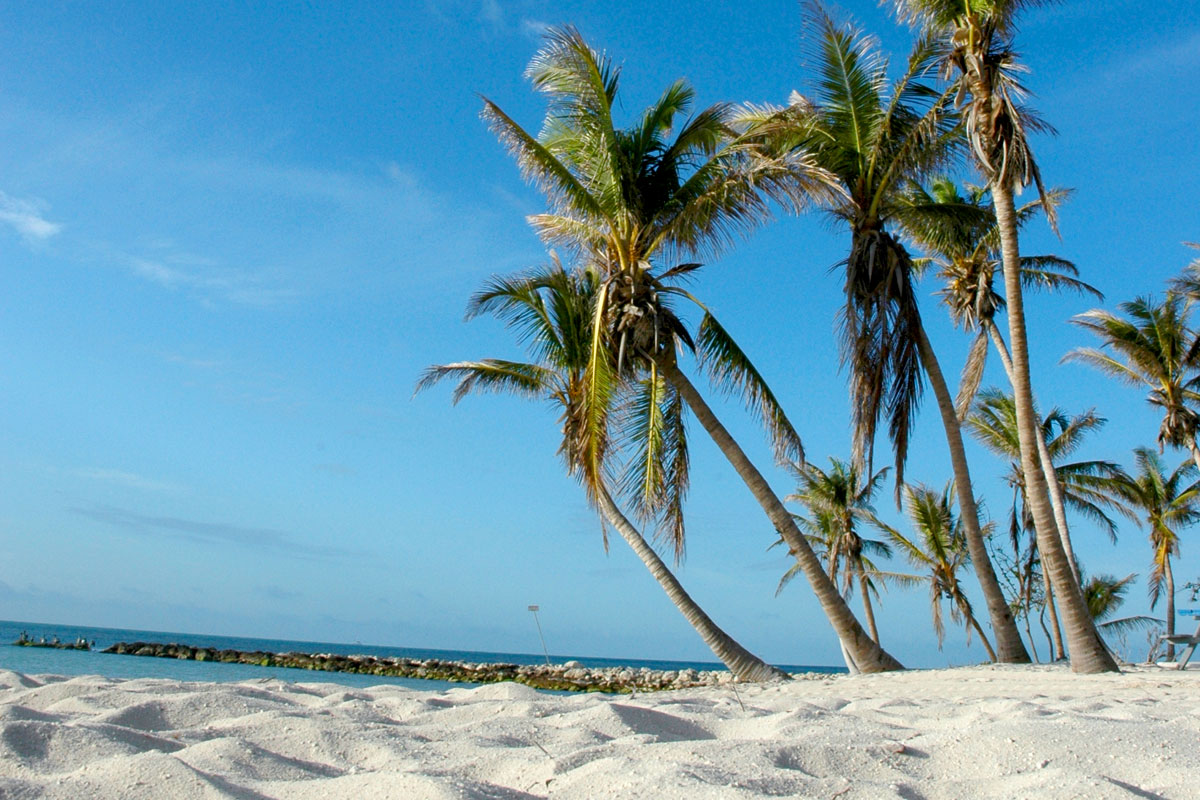
Despite this geological reality, Key West offers several stunning coastal gems that cater to sun-seekers, snorkelers, and history buffs alike. This guide explores the unique shoreline of this tropical paradise, detailing where to find the best sand and surf.
The Unique Geography of Key West Shorelines
To appreciate the beaches in Key West, one must first understand the island’s unique geography. Located at the confluence of the Gulf of Mexico and the Atlantic Ocean, the island is essentially a limestone plateau.
The Role of the Barrier Reef
The primary reason Key West lacks the rolling surf of California or the wide dunes of Georgia is the offshore reef system. This massive coral structure acts as a breakwater, neutralizing the energy of the ocean waves before they hit the land. While this makes for calm, shallow waters perfect for wading and snorkeling, it prevents the natural “sand machine” of the ocean from creating deep beach deposits.
Natural vs. Man-Made Sands
Most of the popular beach destinations on the island are curated spaces. For instance, the sand at Smathers Beach is meticulously maintained and frequently replenished to provide that classic tropical aesthetic. While the “natural” shorelines of the island tend to be rocky or covered in mangroves, these man-made interventions have created comfortable recreational areas that allow visitors to enjoy the turquoise waters of the Florida Keys without sacrificing comfort.
Seaweed and the Ecosystem
It is also important for travelers to note the presence of Sargassum, a type of floating seaweed. Because the waters are so calm, this seaweed often washes ashore. While some resorts and public parks work to clear it, it remains a vital part of the local ecosystem, providing nutrients for coastal plants and habitats for small marine life.
Top Public Beaches for Sun and Recreation
If you are looking for a day under the sun, Key West has several distinct public beaches, each offering a different atmosphere. From active recreational hubs to quiet, reflective corners, there is a shoreline for every type of traveler.
Smathers Beach: The Island’s Largest Stretch
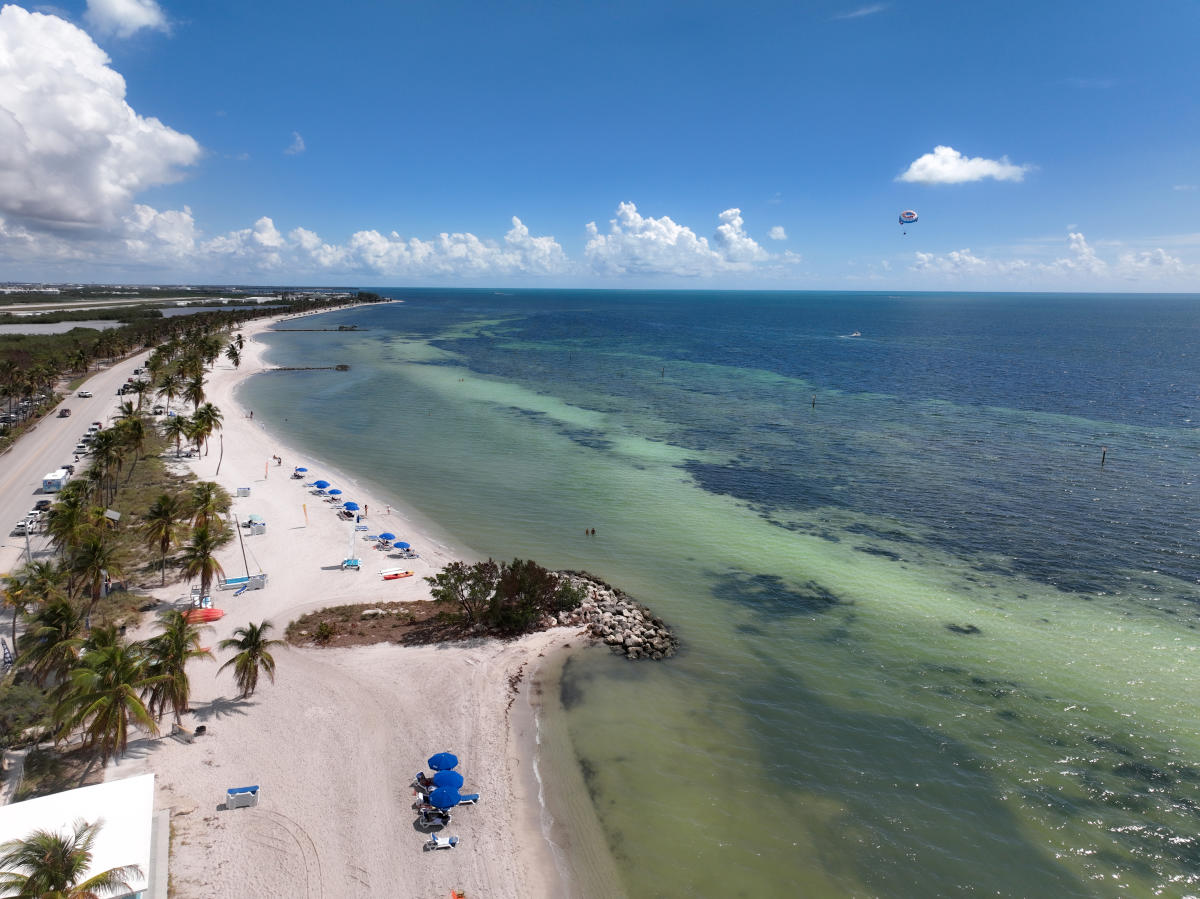
Smathers Beach is arguably the most famous beach on the island. Stretching for about half a mile along the southern coast, it is the go-to spot for those seeking a traditional beach day. Located along South Roosevelt Boulevard, this beach is conveniently close to the Key West International Airport.
Visitors here will find palm-lined paths, volleyball courts, and plenty of vendors offering jet ski rentals, parasailing, and paddleboarding. The water is exceptionally shallow, often staying waist-deep for several hundred yards out, making it an ideal choice for families with young children.
Fort Zachary Taylor Historic State Park: The Natural Choice
For those who prefer a more authentic and rugged experience, Fort Zachary Taylor Historic State Park is widely considered the best beach on the island. Unlike the soft sands of Smathers Beach, the shoreline here is composed of ground coral and small pebbles. Water shoes are highly recommended for anyone planning to swim.
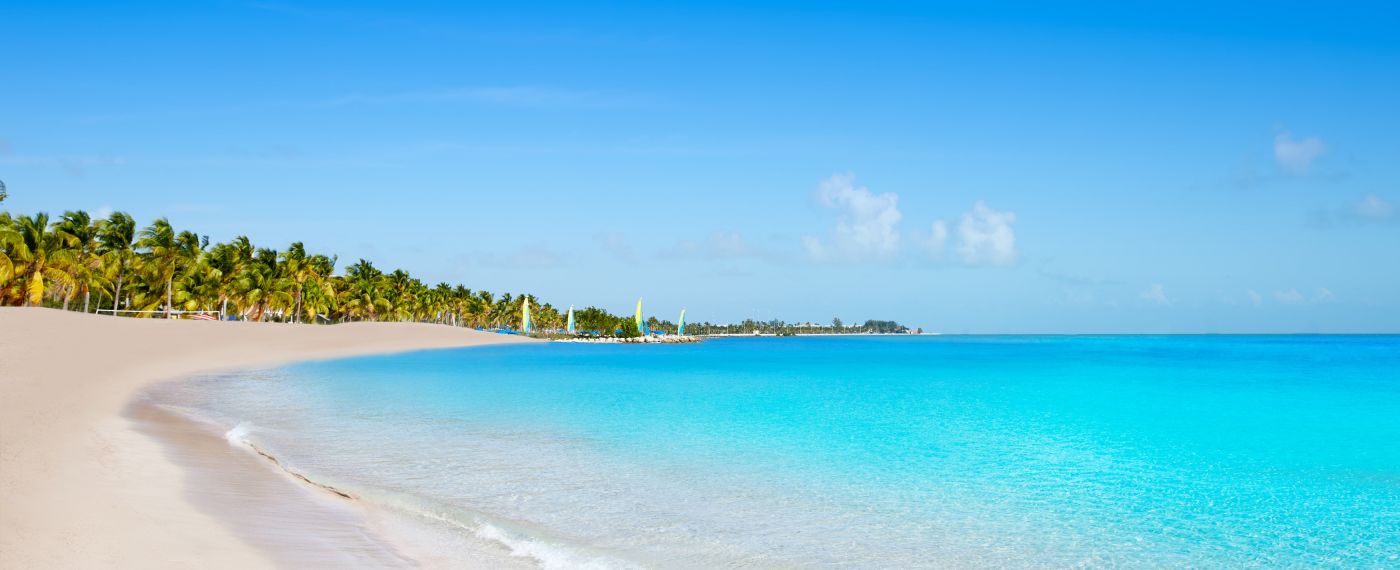
The trade-off for the rocky shore is the water clarity. Because there is less fine sand to be kicked up, the snorkeling at Fort Zachary Taylor is the best you can find from the shore on the main island. Divers can often spot parrotfish, yellowtail snapper, and the occasional sea turtle just a few yards from the water’s edge.
Higgs Beach and Rest Beach
Located adjacent to one another, Higgs Beach and Rest Beach offer a more local feel. Higgs Beach features the Edward B. Knight Pier, a popular spot for fishing and watching the sunrise. The park also includes a poignant African Cemetery and a dog park.
Rest Beach is smaller and narrower, but it is highly prized for its tranquility and its position as a prime location for yoga enthusiasts. The C.B. Harvey Rest Beach Park is especially beautiful during the golden hour, providing a peaceful alternative to the crowded sunset celebrations at Mallory Square.
Hidden Gems and Offshore Adventures
While the main island offers several accessible options, some of the most spectacular “beaches” associated with Key West require a bit more effort to reach. These destinations provide the postcard-perfect vistas that many travelers seek when visiting North America.
Dry Tortugas National Park
Located nearly 70 miles west of Key West, Dry Tortugas National Park is accessible only by boat or seaplane. This remote park is home to Fort Jefferson, a massive 19th-century coastal fortress. Surrounding the fort are some of the most pristine white-sand beaches and crystal-clear waters in the entire Gulf of Mexico.
A day trip to Garden Key within the park offers world-class snorkeling along the fort’s moat wall. The isolation of these beaches ensures a level of preservation and natural beauty that is unmatched on the mainland.
Sunset Key and Private Resort Beaches
For a more exclusive experience, Sunset Key is a private island located just a few hundred yards off the coast of Key West. Accessible via a short ferry ride from the Westin Key West Resort & Marina, the beaches here are perfectly manicured and offer a level of seclusion not found at public parks.
Many high-end resorts, such as the Reach Key West and the Casa Marina Key West, maintain their own private beach strips. These areas are often groomed daily and provide guests with luxury amenities like cabanas, cocktail service, and private docks.
Enhancing Your Key West Coastal Experience
To make the most of the beaches in Key West, visitors should look beyond just laying on a towel. The island’s relationship with the water is multifaceted, encompassing history, ecology, and adventure.
Snorkeling and Diving Excursions
Since the best “beach” features of Key West are actually underwater, many visitors opt for snorkeling tours. Boats depart from Historic Seaport daily, taking passengers out to the Florida Reef. Here, you can experience the vibrant biodiversity of the coral system, which is much more impressive than what you can see from the shoreline.
Cultural Landmarks Near the Shore
The beaches are often intertwined with the island’s history. At Fort Zachary Taylor Historic State Park, you can tour the Civil War-era fort before heading to the water. Near South Beach—a small, charming beach at the end of Duval Street—you can find the famous Southernmost Point Buoy, one of the most photographed landmarks in the United States.
Sunset Rituals
No discussion of the Key West waterfront is complete without mentioning the sunset. While Mallory Square is the epicenter of the nightly celebration, the western-facing beaches offer a more serene vantage point. Watching the sun dip below the horizon of the Gulf of Mexico from the sands of Fort Zachary Taylor is a quintessential island experience.
In summary, while Key West may not possess the endless stretches of natural sand found in other parts of Florida, its beaches are full of character, history, and unique ecological beauty. Whether you are looking for the vibrant energy of Smathers Beach or the pristine isolation of Dry Tortugas National Park, the island’s shoreline offers plenty of opportunities to connect with the sea. Understanding the nature of these beaches—formed by coral and shaped by history—is the key to enjoying everything this legendary Florida Keys destination has to offer.
LifeOutOfTheBox is a participant in the Amazon Services LLC Associates Program, an affiliate advertising program designed to provide a means for sites to earn advertising fees by advertising and linking to Amazon.com. Amazon, the Amazon logo, AmazonSupply, and the AmazonSupply logo are trademarks of Amazon.com, Inc. or its affiliates. As an Amazon Associate we earn affiliate commissions from qualifying purchases.