
California, a land of diverse landscapes stretching from sun-kissed beaches to towering mountain peaks and arid deserts, is renowned for its generally pleasant climate. However, for many, the quintessential question during the warmer months, especially from late spring through early autumn, is: “When will it finally start to cool down?” This query is more than just a matter of personal comfort; it’s a critical piece of information for anyone planning to visit, explore, or simply live within the Golden State’s vast and varied regions. Understanding California’s unique climatological shifts is paramount for optimizing travel plans, selecting appropriate activities, and experiencing the state at its finest. The transition from the intense heat of summer to the milder, more refreshing temperatures of autumn and winter doesn’t happen uniformly across the state. Instead, it’s a nuanced progression, dictated by geography, elevation, and proximity to the Pacific Ocean. For travelers seeking to escape the sweltering heat, or those simply preferring the crisp air and vibrant colors of fall, pinpointing this cooling trend is key to unlocking a different, often more intimate, side of California travel. This guide aims to demystify California’s seasonal cool-down, offering insights into regional variations and practical advice for planning your perfect trip.
Decoding California’s Diverse Climates
To truly understand when California begins its cooling trend, one must first appreciate the state’s incredible climatic diversity. It’s not a monolithic weather system; rather, it’s a patchwork of microclimates, each responding differently to seasonal changes. This geographic complexity means that while one region might be enjoying crisp autumn air, another could still be basking in summer-like warmth.
Coastal vs. Inland Dynamics
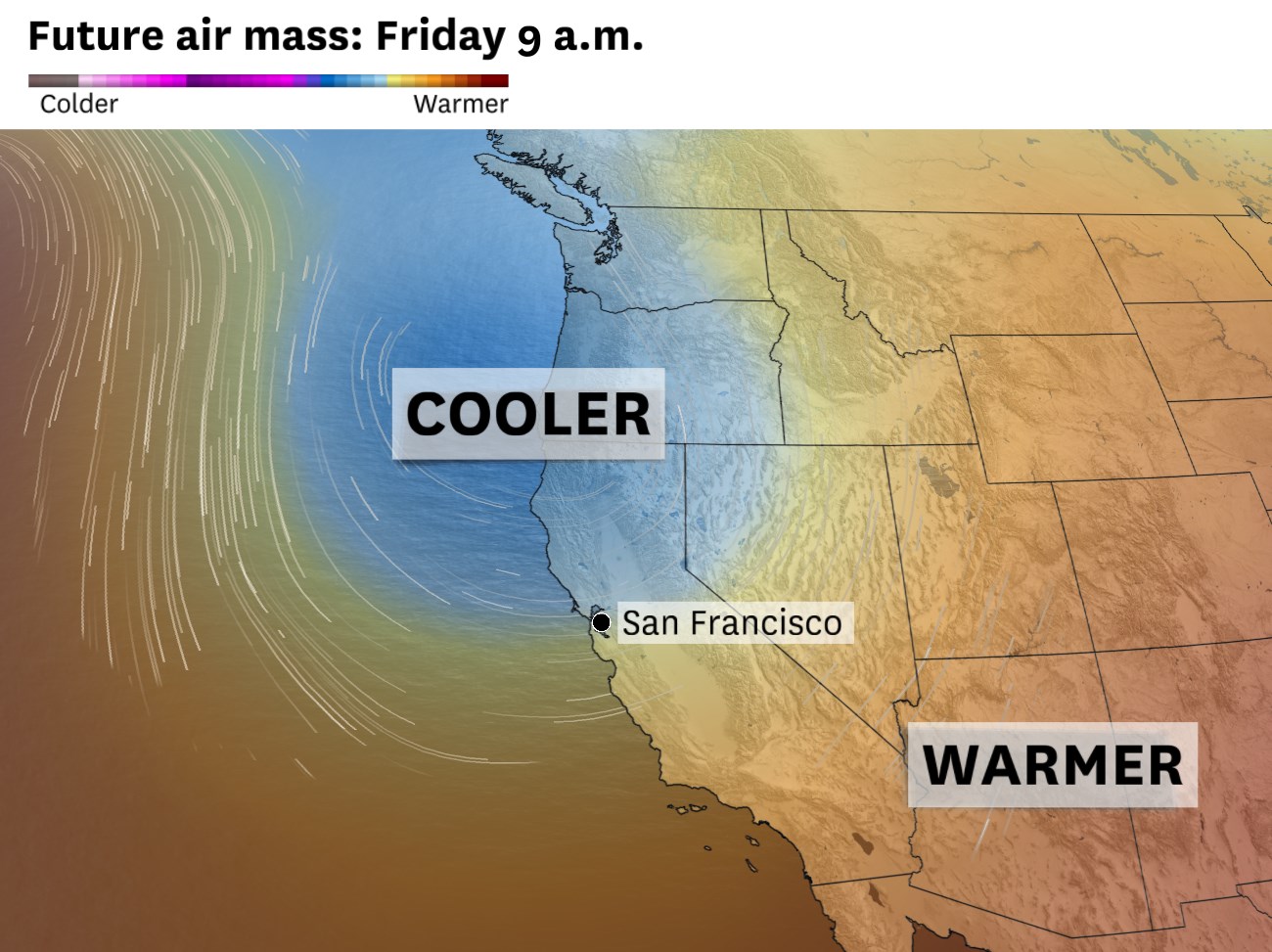
The most significant factor influencing California’s cooling pattern is the presence of the Pacific Ocean. Coastal areas, from San Diego in the south to Eureka in the north, benefit from the moderating influence of the ocean, experiencing milder summers and warmer winters compared to their inland counterparts. This maritime effect means that coastal cities like San Francisco and Los Angeles often see a more gradual and earlier cooling trend. The famous “marine layer” or “fog” common along the Pacific Coast helps keep temperatures relatively low even in summer, and as autumn approaches, this effect becomes more pronounced. While inland areas might still be struggling with 90-degree Fahrenheit (32°C) days in September, the coast could already be feeling the first hints of autumn’s chill, often by late August or early September with cooler evenings and mornings.
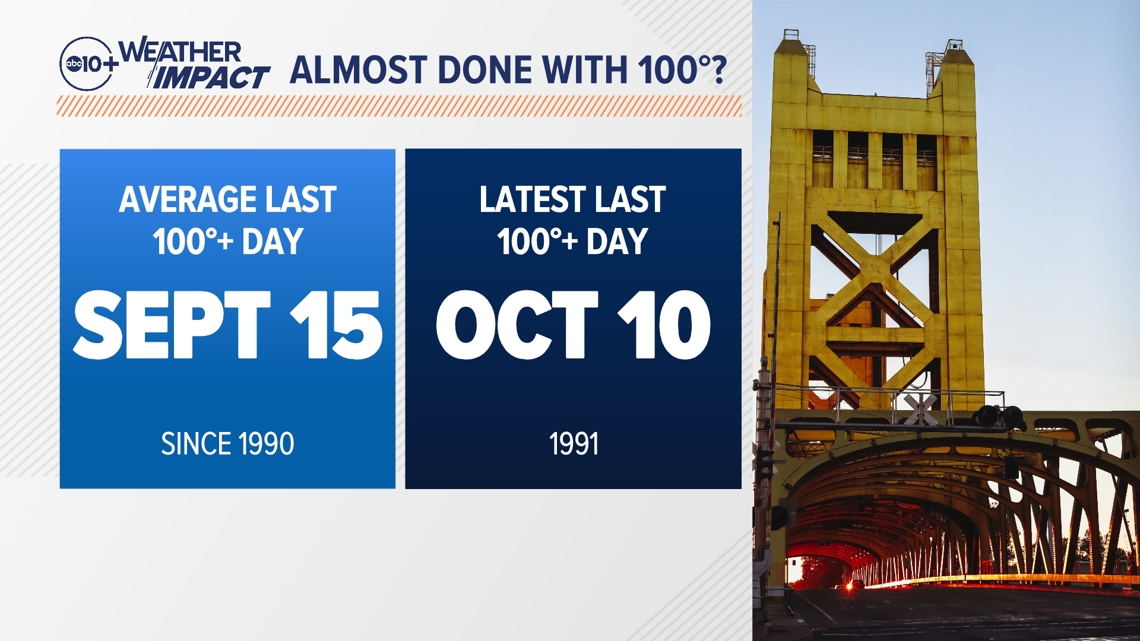
Conversely, inland regions, particularly the vast Central Valley and the desert communities like Palm Springs and Death Valley, experience a much more extreme temperature range. Here, summers are intensely hot, with triple-digit temperatures being commonplace. The cooling process in these areas is often more abrupt and comes later in the season. While coastal dwellers might be reaching for a light jacket, inland residents could still be running their air conditioners well into October. However, once the high-pressure systems that define summer break down, these areas experience dramatic temperature drops, often seeing significant cooling from day to night.
Mountain & Desert Influences
California’s diverse topography also includes majestic mountain ranges and expansive deserts, each with distinct cooling patterns. The Sierra Nevada and other mountain regions, such as the Cascades in the north and the Transverse Ranges in the south, naturally experience cooler temperatures much earlier due to elevation. By late September or early October, these areas are already feeling distinctly autumnal, with vibrant fall foliage and the first dustings of snow on higher peaks. Travelers heading to destinations like Lake Tahoe or Yosemite National Park during these months will need to pack for chilly mornings and evenings, even if daytime temperatures are pleasant.
The desert regions, including the Mojave Desert, Anza-Borrego Desert State Park, and Joshua Tree National Park, present another unique scenario. After scorching summers where temperatures can exceed 120°F (49°C), the cooling trend in these areas is highly anticipated. While the days remain warm well into October, the significant drop in humidity and the expansive clear skies lead to dramatic temperature plunges once the sun sets. True relief from the intense heat typically arrives in November, making late fall and winter the prime seasons for desert exploration.
The Autumnal Shift: A General Timeline for Cooling
While regional variations are pronounced, there’s a general timeline for when California begins its widespread cool-down, making certain months ideal for specific travel experiences.
September’s Subtle Signals
For much of California, September marks a transitional period rather than a definitive cool-down. Along the coast, the “September Summer” is a well-known phenomenon, where the marine layer often recedes, allowing for warmer, sunnier days than in July or August. However, evenings and mornings typically become noticeably cooler, especially in northern coastal cities like San Francisco and Monterey. In inland areas, particularly the Central Valley and Southern California’s interior, September can still bring significant heatwaves, sometimes even hotter than those in August. Mountain regions, however, begin to show clear signs of autumn, with changing leaf colors and cooler temperatures, especially at night. It’s a month of subtle shifts, where the promise of cooler weather is often more apparent in the early mornings and late evenings.
October’s Crisp Embrace
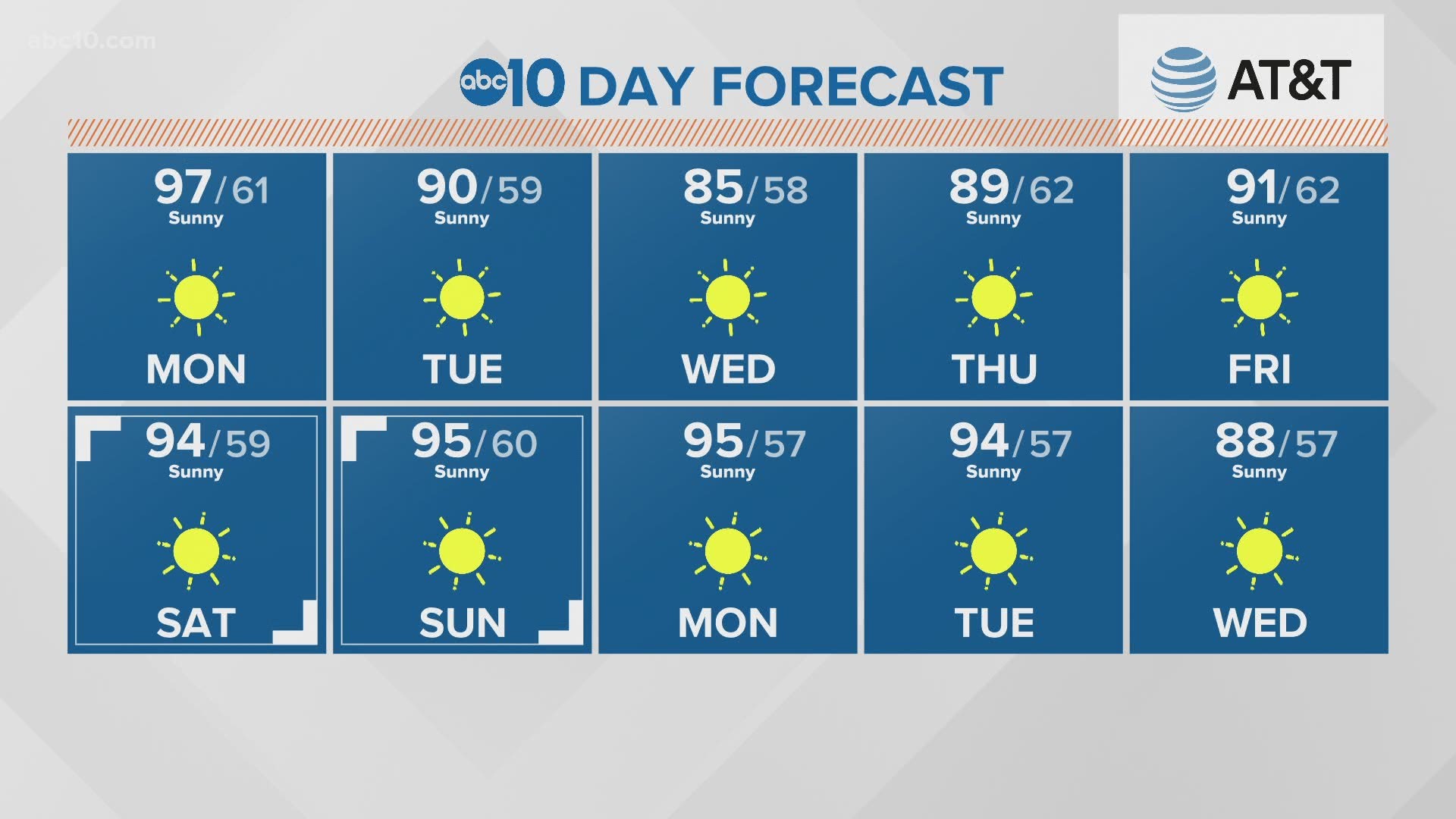
October is widely considered the month when California truly begins to feel the crisp embrace of autumn. Across most of the state, temperatures become significantly more comfortable. The fierce inland heat starts to consistently subside, making outdoor activities much more enjoyable. Coastal areas maintain their pleasant mildness, often with fewer crowds than in peak summer. This is an ideal time for exploring, with clear skies and comfortable daytime temperatures in many popular destinations. The first significant rains of the season might begin to fall, particularly in Northern California, signaling the end of the dry summer. Mountain passes may see early snow, and the vibrant fall foliage reaches its peak in many higher elevation areas, drawing visitors to scenic drives and hikes.
November’s Winter Preview
By November, California is firmly in its cooler season. Temperatures drop considerably statewide, and the likelihood of rain increases significantly, especially in the northern and central parts of the state. Inland areas and deserts finally offer a true respite from the summer heat, with pleasant daytime temperatures perfect for hiking and exploring, though nights can become quite chilly. In the mountains, snow becomes a regular occurrence, with ski resorts often beginning to open their slopes by late November. The transition is complete; summer is a distant memory, replaced by the distinct chill and often dramatic beauty of late autumn and early winter. This month is a preview of the state’s winter climate, characterized by cooler, often wetter weather, and the start of the snow season in the high country.
Seasonal Travel Implications: Planning Your California Escape
The cooling trend in California opens up a wealth of travel opportunities, transforming popular destinations and making previously inaccessible areas enjoyable.
Coastal Charms in Cooler Months
Visiting California’s coast during the cooler months, from October through November and into winter, offers a unique experience. The summer crowds dissipate, making attractions like Pier 39 in San Francisco or the beaches of Santa Monica more peaceful. Scenic drives along Highway 1 through Big Sur become breathtaking with clearer air and dramatic skies, and the milder temperatures are perfect for exploring charming coastal towns like Carmel-by-the-Sea or the historic mission in San Juan Capistrano. Wildlife viewing, such as whale watching, often peaks in these cooler months as gray whales migrate along the coast.
Inland Adventures Beyond Summer Heat
As the scorching summer heat subsides, California’s vast inland regions become incredibly inviting. National parks like Yosemite, Sequoia, and Kings Canyon offer stunning autumnal beauty, with fewer visitors, easier access, and magnificent displays of fall foliage in certain areas, particularly in the lower elevations. The comfortable temperatures are ideal for hiking, rock climbing, and photography. Wine country regions, such as Napa Valley and Sonoma County, are in full harvest swing during September and October, offering picturesque vineyard tours and wine tastings without the oppressive heat. The Central Valley itself becomes a pleasant destination for exploring agricultural towns and local markets.
Desert & Mountain Retreats
The cooling temperatures unlock the California deserts as prime destinations. Death Valley, Joshua Tree National Park, and Anza-Borrego Desert State Park become accessible and enjoyable from October through spring, offering spectacular stargazing, unique desert flora, and challenging hikes in comfortable conditions. Similarly, the mountain regions, particularly the Eastern Sierra around Mammoth Lakes, transform into winter wonderland playgrounds. Once the snow arrives, opportunities for skiing, snowboarding, snowshoeing, and ice skating abound. Even before the full snow season, the vibrant fall colors of aspens and cottonwoods in the high country make for unforgettable scenic drives and photography trips.
Maximizing Your Cooler Weather Experience
To fully embrace California’s cooler months, a little preparation goes a long way in enhancing your travel experience.
Packing Smart for California’s Fall/Winter
Given the state’s diverse microclimates, layering is always the golden rule for packing. Even on days with pleasant daytime temperatures, evenings can turn surprisingly cool, especially near the coast or in the mountains. Include versatile items such as light jackets, sweaters, long-sleeleeved shirts, and waterproof outer layers if visiting in late fall or winter, as rain is more likely. Comfortable, water-resistant footwear is also essential, particularly if you plan on hiking or exploring cities on foot. Don’t forget sunscreen and sunglasses, even in cooler weather, as California can still be quite sunny. A warm hat and gloves will be invaluable for mountain trips or chilly desert nights.
Embracing Local Fall & Winter Events
The cooling temperatures often coincide with a vibrant calendar of events across California. Harvest festivals in wine country, pumpkin patches, and Halloween events pepper October. As November and December approach, cities and towns light up with holiday decorations, tree lighting ceremonies, and festive markets. Ski season kicks off in the mountains, drawing enthusiasts to fresh powder. These seasonal events provide an authentic glimpse into local culture and offer unique experiences that differ significantly from summer travel. Checking local tourism boards for event listings relevant to your chosen destination can greatly enrich your trip.
In conclusion, the question of when California will start to cool down isn’t a simple one, but rather a journey through the state’s remarkable geographic and climatic diversity. While coastal areas begin to feel the shift in early autumn, inland regions and deserts hold onto summer’s warmth longer, before embracing a dramatic cool-down later in the season. The mountains, ever the harbingers of cold, welcome autumn and winter earliest. For the discerning traveler, this intricate dance of temperatures offers a myriad of opportunities to experience California without the peak summer crowds, with comfortable temperatures ideal for exploration, and with a unique beauty that only the cooler months can unveil. Planning your visit with these seasonal shifts in mind will ensure a truly unforgettable California adventure.
LifeOutOfTheBox is a participant in the Amazon Services LLC Associates Program, an affiliate advertising program designed to provide a means for sites to earn advertising fees by advertising and linking to Amazon.com. Amazon, the Amazon logo, AmazonSupply, and the AmazonSupply logo are trademarks of Amazon.com, Inc. or its affiliates. As an Amazon Associate we earn affiliate commissions from qualifying purchases.