
For decades, the short expanse of water separating the southernmost tip of the United States from the vibrant shores of Cuba has been a source of fascination, intrigue, and wanderlust. To many travelers standing on the edge of Florida, the neighboring island feels close enough to touch, yet it remains a world away in terms of culture, politics, and accessibility. Understanding the logistics of this journey is essential for anyone looking to bridge the gap between these two iconic Caribbean Sea destinations.
Understanding the Geographic Proximity
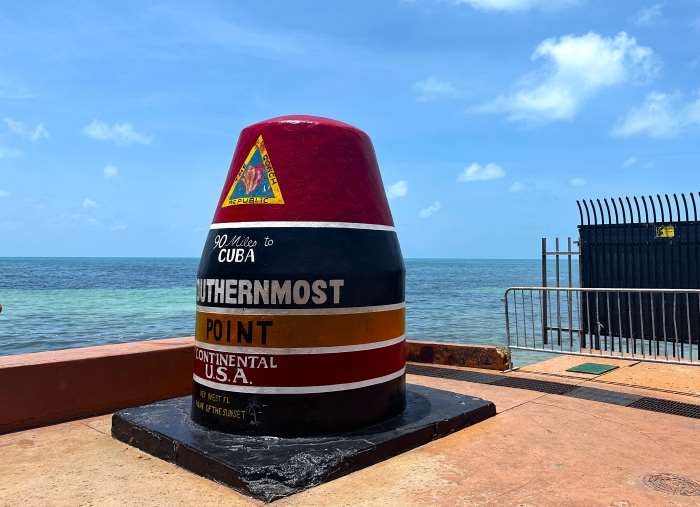
When visitors arrive in Key West, one of the first landmarks they seek out is the Southernmost Point Buoy. This concrete, painted monument is arguably the most photographed spot in the Florida Keys. Emblazoned on its side are the famous words: “90 Miles to Cuba.” While this serves as a powerful symbol of the narrow divide, the technical geography is slightly more nuanced.
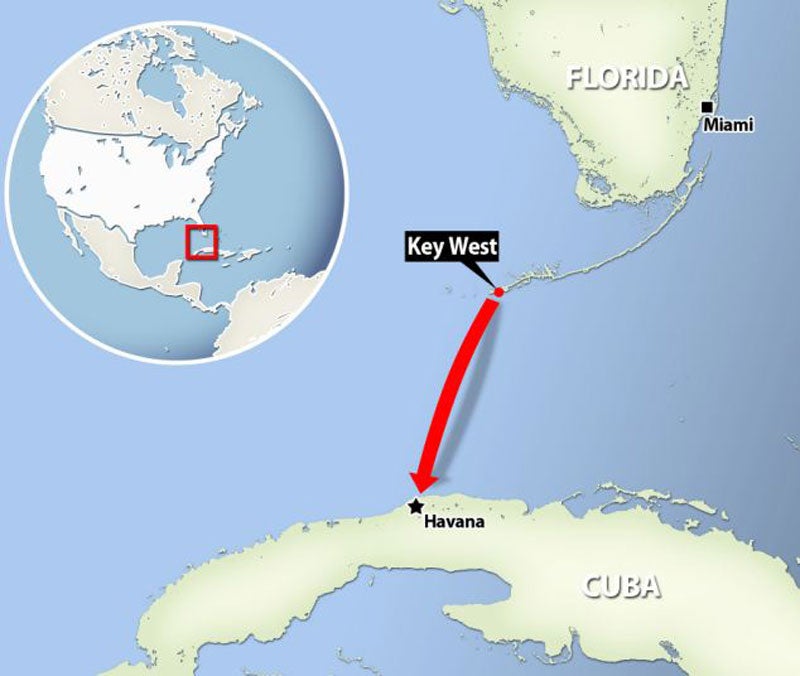
The 90-Mile Myth vs. Reality
The distance of 90 miles is a rounded figure that has entered the public consciousness as an absolute. In reality, the distance from the Southernmost Point Buoy to the closest point of the Cuban coastline is approximately 94 miles. If you are measuring the distance from the center of Key West to the capital city of Havana, the journey spans roughly 103 to 105 miles.
This narrow stretch of water is known as the Straits of Florida. It is the passage where the Gulf of Mexico meets the Atlantic Ocean, creating a powerful and often unpredictable current known as the Florida Current. Despite the short distance, these waters can be treacherous for small vessels, which is why the crossing has historically been a significant maritime challenge.
Visibility Across the Straits
A common question among travelers is whether you can see the lights of Havana from Key West on a clear night. Due to the curvature of the Earth, it is physically impossible to see the Cuban coastline from sea level in Florida. However, under extremely rare atmospheric conditions—such as a temperature inversion—light can occasionally refract over the horizon, though this is a meteorological anomaly rather than a daily occurrence. Most “sightings” reported by tourists are actually distant ships or offshore oil platforms.
Crossing the Water: Travel Options from Key West to Cuba
While the two locations are geographically close, traveling between them is not as simple as hopping on a local ferry. The geopolitical relationship between the United States and Cuba dictates how, when, and if travelers can make the crossing.
Aviation: The Fastest Route
For those looking to traverse the 100-odd miles as quickly as possible, air travel is the primary option. Historically, there have been direct charter flights from Key West International Airport to Jose Marti International Airport in Havana. These flights are incredibly short, often lasting less than 45 minutes from takeoff to touchdown.
However, commercial flight availability fluctuates based on current government regulations. Many travelers find it more reliable to fly from larger hubs like Miami or Fort Lauderdale. If you are flying privately, you must ensure that both the departure airport and the arrival airport are authorized ports of entry and that all customs and border protection protocols are strictly followed.
Maritime Realities: Ferries and Private Vessels
Despite the obvious demand for a ferry service connecting Key West and Havana, no such commercial service currently exists. While several companies have obtained licenses to operate ferries in the past, various regulatory and infrastructure hurdles in both the United States and Cuba have prevented these services from launching.
For private boaters, the journey is possible but requires extensive preparation. Navigating the Straits of Florida requires a vessel capable of handling the Gulf Stream, which flows northward at speeds of up to five knots. Boaters must also obtain a specific permit from the U.S. Coast Guard to enter Cuban waters and must adhere to strict guidelines regarding what they can bring to the island.
Legal Requirements for Travelers
It is crucial for United States citizens to understand that “tourism” as a category of travel to Cuba is technically prohibited by law. Instead, travelers must fall into one of 12 authorized categories, the most common being “Support for the Cuban People.” This requires a full-time schedule of activities that result in meaningful interaction with the Cuban people and support civil society. Additionally, travelers must possess a Cuban Tourist Card (often referred to as a visa), which can usually be purchased through the airline or a travel agency.
Comparing the Two Coastal Destinations
Though separated by only a narrow channel, Key West and Cuba offer vastly different experiences. One is a quirky, laid-back island city at the end of the Overseas Highway, while the other is a massive archipelago with a complex history and a vibrant, time-capsule aesthetic.
Key West: The End of the Road
Key West is a blend of Bahamas charm and American eccentricity. Life here revolves around Duval Street, the famous sunset celebrations at Mallory Square, and the lush gardens of historic homes. The island is compact, making it easy to explore by bicycle or electric golf cart.
The architecture in Key West is heavily influenced by the “Conch” style—wooden homes with large porches designed to catch the sea breeze. Landmarks like the Ernest Hemingway Home and Museum highlight the deep cultural connection between the two regions, as Ernest Hemingway himself spent much of his life traveling between his homes in Key West and Finca Vigia near Havana.
Cuba: The Pearl of the Antilles
In contrast, Cuba is the largest island in the Caribbean Sea. While Key West can be seen in a weekend, Cuba requires weeks to truly appreciate. Old Havana is a UNESCO World Heritage site, filled with Baroque and Neoclassical architecture, vintage American cars, and the rhythmic sounds of Son Cubano echoing from every corner.
Beyond the city, Cuba offers diverse landscapes, from the limestone mogotes of the Vinales Valley to the pristine white sands of Varadero. The experience is defined by its lack of commercialism; you won’t find a Starbucks or a McDonald’s here. Instead, you’ll find “paladares” (private restaurants) and “casas particulares” (private homestays) that offer an authentic glimpse into Cuban life.
Planning Your Caribbean Itinerary
For the adventurous traveler, the proximity of these two locations offers a unique opportunity to witness the shared history of the Florida Straits. Many choose to spend a few days soaking up the sun in Key West before heading to Miami for a flight to Cuba.
Cultural Overlap and Shared History
The history of Key West is inextricably linked to Cuba. In the 19th century, Key West was a major center for the cigar industry, with many Cuban immigrants moving to the island to work in factories. This influence is still visible today in the local cuisine—dishes like the Cuban sandwich and conch fritters are staples of the Florida Keys diet.
Even the bars share a lineage. In Key West, Sloppy Joes Bar was a favorite haunt of Ernest Hemingway. When he was in Havana, he was known to frequent El Floridita for daiquiris and La Bodeguita del Medio for mojitos. Following in the footsteps of this literary giant is a popular travel theme for those visiting both destinations.
Best Time to Visit the Region
Both Key West and Cuba share a similar tropical climate. The best time to visit is during the winter and spring months, from December to May, when the weather is warm and the humidity is relatively low. This is also the dry season, which is ideal for maritime travel and outdoor exploration.
Travelers should be mindful of the Atlantic hurricane season, which runs from June through November. During this time, the Straits of Florida can experience significant storm surges and high winds, which can disrupt flight schedules and boat crossings.
Exploring the Surrounding Waters
If you are not ready to make the full crossing to Cuba, there are several other destinations near Key West that offer a similar sense of isolation and natural beauty.
Dry Tortugas National Park
Located about 70 miles west of Key West, Dry Tortugas National Park is even closer to Cuba than Key West is. This remote park is home to Fort Jefferson, a massive 19th-century coastal fortress. Accessible only by boat or seaplane, the park offers some of the best snorkeling and birdwatching in the United States.

Stock Island and the Lower Keys
For a more local experience within the United States, Stock Island provides a glimpse into the working-class maritime heritage of the keys. Just across the bridge from Key West, it retains a rugged charm with its shipyards and local seafood markets, serving as a reminder of the region’s connection to the sea.
In conclusion, while the physical distance from Key West to Cuba is a mere 90 to 100 miles, the journey represents a transition between two distinct worlds. Whether you are gazing out from the Southernmost Point Buoy or navigating the historic streets of Old Havana, the proximity of these two icons remains one of the most compelling narratives in Caribbean travel. Understanding the logistics, the history, and the culture of the Straits of Florida is the first step in planning an unforgettable journey through this unique corner of the globe.
LifeOutOfTheBox is a participant in the Amazon Services LLC Associates Program, an affiliate advertising program designed to provide a means for sites to earn advertising fees by advertising and linking to Amazon.com. Amazon, the Amazon logo, AmazonSupply, and the AmazonSupply logo are trademarks of Amazon.com, Inc. or its affiliates. As an Amazon Associate we earn affiliate commissions from qualifying purchases.