
For many, the image of surfing conjures visions of the powerful Pacific swells of Hawaii or California. But what about the sun-drenched shores of the Sunshine State? The question “Can you surf in Florida?” often meets with skepticism, conjuring images of placid turquoise waters more suited for swimming or paddleboarding. Yet, beneath the calm surface of misconception lies a vibrant, albeit unique, surfing culture thriving along Florida’s extensive coastline. Yes, you absolutely can surf in Florida, and for those who know where and when to look, it offers a distinct and often thrilling wave-riding experience that blends accessibility with unexpected quality. This guide will navigate the nuances of surfing in Florida, revealing its best spots, optimal times, and what to expect from a surf trip to this often-underestimated destination.
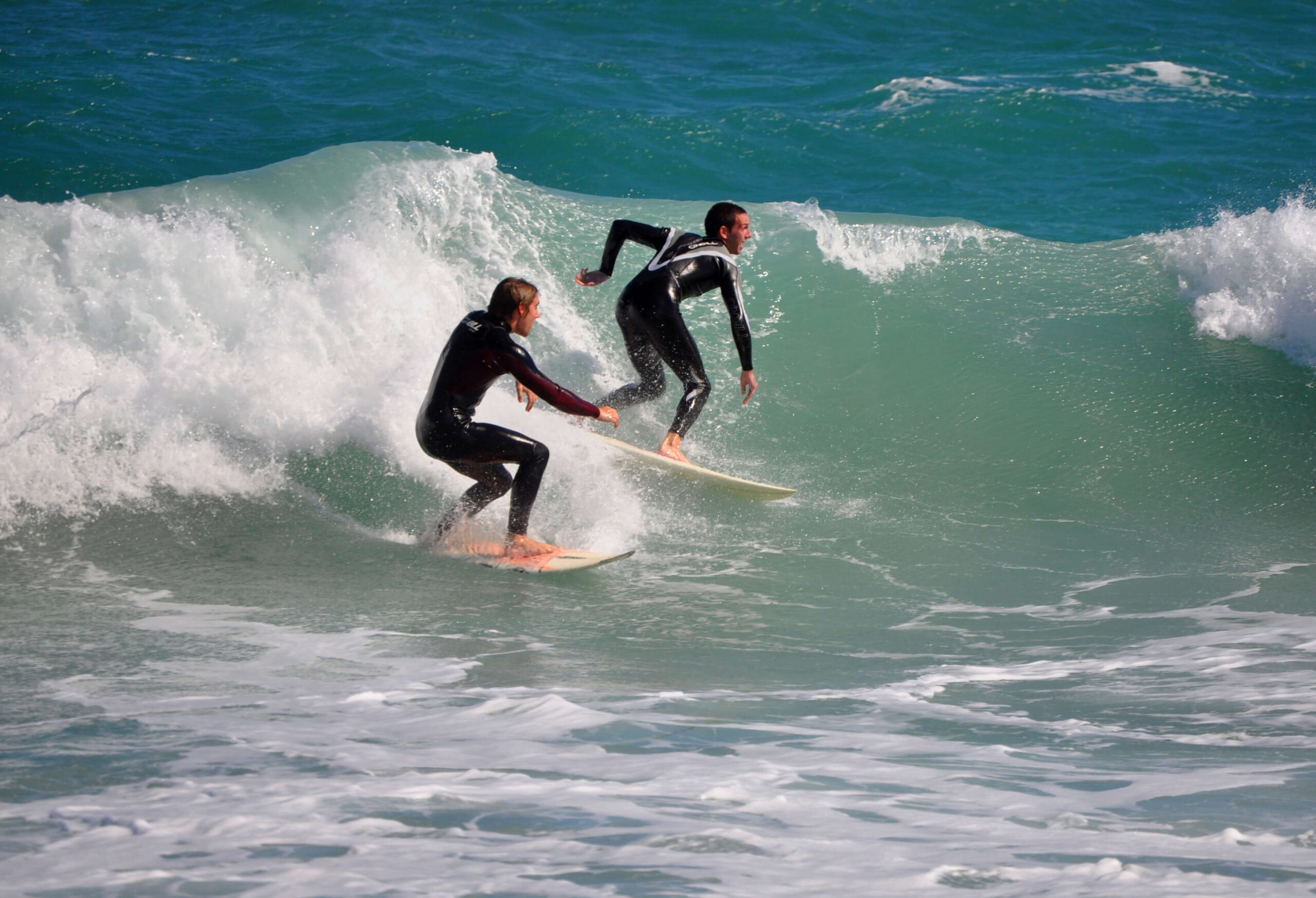
The Sunshine State’s Surprising Swell: Florida’s Surfing Landscape
Florida’s reputation for flat, calm waters is largely influenced by its stunning beaches and the prevalent sunny, low-wind days. However, beneath this tranquil facade, a dynamic interaction of weather systems creates conditions ripe for surfing, particularly along its eastern seaboard. Understanding these dynamics is key to unlocking the state’s surf potential.
Dispelling the Myth: Is Florida Really Flat?
The notion that Florida is “flat” for surfing is a persistent myth, largely true for its Gulf Coast for much of the year, but decidedly false for its Atlantic side. Florida’s Atlantic coast faces directly into the open ocean, making it susceptible to various wave-generating phenomena. The primary drivers of surfable waves here are distant offshore storm systems, often remnants of nor’easters or cold fronts that track across the Atlantic. These systems, even when far away, can generate long-period groundswell that travels thousands of miles to break on Florida’s shores.
Perhaps the most significant contributors to Florida’s surf are hurricanes and tropical storms. While requiring careful monitoring for safety, these powerful weather events in the Atlantic basin can churn up massive swells that provide some of the biggest and most challenging waves the state sees. Even local wind swell, generated by persistent onshore breezes, can create fun, albeit smaller, waves, especially for beginners and longboarders. The key differentiator is the exposure: the Atlantic coast is open to these systems, while the Gulf of Mexico is largely sheltered, resulting in far less consistent surf.
Understanding Florida’s Wave Dynamics
Florida surfing isn’t about consistent, pumping barrels every day, but rather about patience and timing. The waves tend to be less powerful and typically smaller than those found in world-renowned surf destinations. However, what Florida lacks in sheer power, it often makes up for in length and a user-friendly nature, particularly on smaller days. This makes it an excellent destination for learning or refining skills, as well as for longboarding enthusiasts.
Consistency is highest during the fall and winter months, when the Atlantic hurricane season and subsequent cold fronts are most active. This period offers the best chance of encountering chest-high to overhead waves. Summer typically brings smaller, wind-generated chop, though tropical disturbances can always surprise with unexpected swells. Surfing here requires a good understanding of local surf reports, as conditions can change rapidly. Managing expectations is crucial: come ready for fun, accessible waves, and be pleasantly surprised when a significant swell rolls in. It’s a different kind of surf experience, one characterized by its unique blend of accessibility, community, and the occasional, exhilarating surprise.
Top Surf Spots in Florida: Where to Catch a Wave
Florida’s long coastline hides numerous surf breaks, each with its own character and ideal conditions. While the Atlantic coast is undeniably the heart of the state’s surf scene, the Gulf Coast offers niche opportunities under specific circumstances.
The East Coast Powerhouses
The eastern shores of Florida are where the action is, dotted with iconic surf towns and legendary breaks.
- Cocoa Beach: Widely regarded as the surfing capital of the East Coast, Cocoa Beach is perhaps Florida’s most famous surf destination, thanks in part to being the hometown of Kelly Slater. Its long, sandy beaches produce mellow, rolling waves that are perfect for beginners and longboarders. The presence of Ron Jon Surf Shop, a massive, iconic surf retail destination, underscores its status as a hub for surf culture. Numerous surf schools operate here, making it an ideal spot to catch your first wave.
- New Smyrna Beach: Just south of Daytona Beach, New Smyrna Beach is renowned for its consistent, punchy beach breaks. While it holds the unfortunate distinction of being the “shark capital of the world” due to frequent (though often minor) shark bites, it remains a favorite for experienced surfers seeking more challenging waves. The surf here often breaks closer to shore, offering fast, fun rides.
- Sebastian Inlet: Located within a state park, Sebastian Inlet is home to the legendary “First Peak” and “Second Peak,” widely considered the best waves in Florida. These jetty breaks can hold significant size and offer fast, hollow barrels under the right conditions, attracting professional surfers and highly skilled locals. It’s not a spot for beginners, but it’s incredible to watch.
- Jacksonville Beach / St. Augustine: Further north, these areas offer a different vibe. Jacksonville Beach boasts numerous pier breaks and a strong local community. The waves can be surprisingly good during strong nor’easters, with water temperatures noticeably cooler than central and south Florida. St. Augustine, with its historic charm, also has several reliable beach breaks, particularly around the pier and south toward Butler Beach. Both areas capture a more traditional East Coast surf town feel.
Gulf Coast: Niche Surf Opportunities
The Gulf of Mexico is generally calmer due to its enclosed nature, but it’s not entirely flat. Surfing here is a rare and opportunistic affair, primarily occurring during intense tropical storms, hurricanes, or strong cold fronts that produce west or northwest winds. These conditions can push significant swells into the Gulf, creating surfable waves for a brief window.
Spots like St. Pete Beach, Clearwater Beach, or even areas around Sarasota can light up during these events. While not a consistent surf destination, catching a wave on the Gulf Coast is a unique and memorable experience, often shared with an excited, smaller crowd of local surfers who wait patiently for the “perfect storm.” It requires vigilance and flexibility to capitalize on these fleeting opportunities, but the reward is a truly distinct Florida surf story.
Essential Travel Guide for Florida Surfers
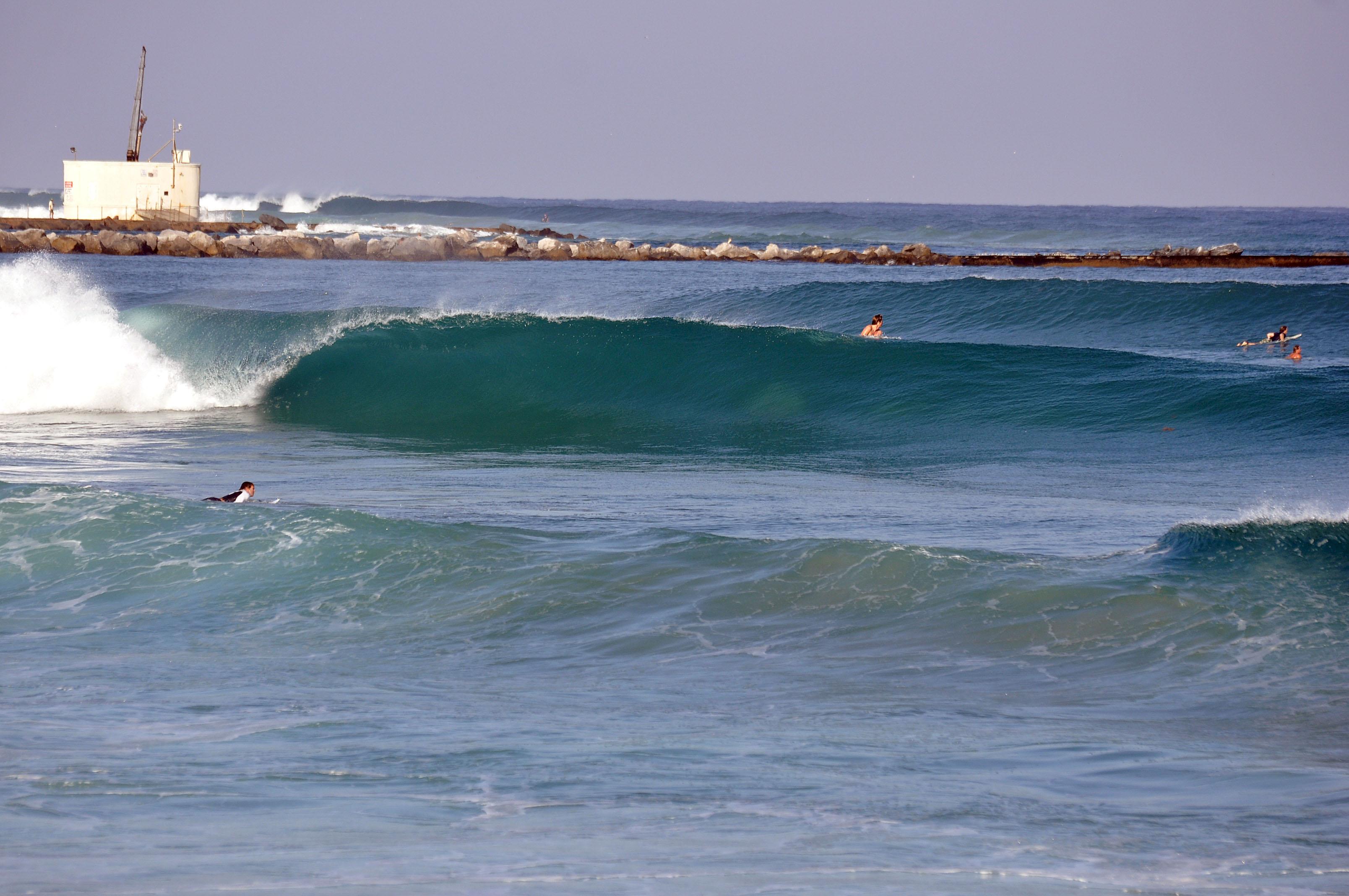
Planning a surf trip to Florida requires a bit more strategic thinking than heading to a world-renowned surf Mecca. Knowing when to go, what to bring, and how to stay safe will significantly enhance your experience.
Best Time to Go
The prime surfing season in Florida aligns with the cooler months, generally fall and winter (September to April). This period sees the highest frequency of groundswell-generating systems, particularly nor’easters and cold fronts that track across the Atlantic. Hurricane season, from June to November, also falls within this window, and while offering the potential for significant swells, it requires close monitoring of weather advisories for safety. During these months, you have the best chance of encountering chest-high to overhead waves.
Spring and summer (May to August) tend to offer smaller, wind-generated waves. These conditions are often ideal for beginners, longboarders, and those looking for a more relaxed surf experience without intense crowds. The water is also at its warmest, making wetsuits often unnecessary.
Gear and Rentals
Water temperatures in Florida vary considerably from north to south and season to season. In winter, northern Florida (around Jacksonville and St. Augustine) can require a 3/2mm fullsuit, while central and south Florida might be comfortable with a shorty or a 2mm fullsuit on colder days. By spring and fall, a shorty is usually sufficient, and summer almost universally calls for boardshorts or a swimsuit.
If you’re flying, bringing your own board might incur significant airline fees. Fortunately, surf shops are abundant in popular surf towns like Cocoa Beach and New Smyrna Beach, offering rentals for all skill levels, from foam boards for beginners to performance shortboards. Many shops also provide lessons.
Safety and Etiquette
Florida’s warm waters are home to a diverse marine ecosystem. Be aware of rip currents, especially during larger swells; always swim and surf near lifeguard stations if possible. While sensationalized, sharks are present, particularly in certain areas like New Smyrna Beach. Practicing caution (avoiding dawn/dusk, murky water, and areas with lots of baitfish) is wise. Jellyfish can also be an occasional nuisance.
In the lineup, localism can exist, especially at premier spots like Sebastian Inlet. Always be respectful, wait your turn, don’t drop in on others, and communicate. A friendly attitude goes a long way. Before paddling out, always check a reliable surf report (many apps and websites provide real-time conditions) and observe the waves and other surfers to get a feel for the break.
Beyond the Waves: Exploring Florida’s Coastal Charm
A surf trip to Florida isn’t just about catching waves; it’s also an opportunity to immerse yourself in the unique coastal lifestyle and diverse attractions the Sunshine State has to offer. Flat days, which are an inevitable part of Florida surfing, provide the perfect excuse to explore beyond the lineup.
Activities for Flat Days
When the ocean is calm, Florida’s natural beauty and attractions beckon.
- Paddling and Kayaking: Many of the same coastal areas that offer surfing also boast serene intercoastal waterways, rivers, and springs ideal for paddleboarding or kayaking. Explore mangrove tunnels, spot manatees and dolphins, or venture into the clear waters of natural springs.
- Fishing: Florida is a world-class fishing destination, whether you prefer pier fishing, chartering a boat for offshore adventures, or fly fishing in the flats.
- Exploring State Parks and Wildlife Refuges: Many surf spots are close to stunning natural areas. Near Cocoa Beach, for example, the Merritt Island National Wildlife Refuge offers incredible birdwatching, hiking, and opportunities to see alligators and other wildlife.
- Attractions and Theme Parks: Depending on your location, world-famous attractions are often a short drive away. From Cocoa Beach or Cape Canaveral, the Kennedy Space Center Visitor Complex offers an awe-inspiring look into space exploration. Further inland, Orlando‘s theme parks provide a different kind of thrill.
Coastal Culture and Cuisine
Florida’s surf towns each possess a distinct character. From the laid-back, family-friendly atmosphere of Cocoa Beach to the historic charm of St. Augustine, and the edgier, more local vibe of New Smyrna Beach, there’s a unique culture to explore.
The culinary scene is also a highlight, with fresh seafood taking center stage. Indulge in local catches like mahi-mahi, snapper, and shrimp at beachside shacks or upscale restaurants. Don’t forget to sample authentic Floridian flavors, perhaps some Key Lime Pie or citrus-infused dishes. Many surf towns also feature vibrant art scenes, live music, and unique boutique shops, providing ample opportunities to unwind and soak in the local ambiance after a day in the water or exploring.

Your Florida Surf Adventure Awaits
So, “Can you surf in Florida?” The answer is a resounding yes! While it may not offer the consistent, powerful swells of more celebrated surf destinations, Florida presents a unique and rewarding surf experience. It’s a place where patience, local knowledge, and an adventurous spirit are key. From the beginner-friendly waves of Cocoa Beach to the challenging peaks of Sebastian Inlet, and the rare, thrilling moments on the Gulf Coast, the Sunshine State offers something for every surfer willing to seek it out. Plan your trip for the optimal season, pack your boardshorts (and maybe a light wetsuit), and prepare to discover a vibrant surf scene brimming with warm water, friendly locals, and unexpected waves. Your Florida surf adventure promises not just waves, but a rich tapestry of coastal charm, natural beauty, and unforgettable experiences.
LifeOutOfTheBox is a participant in the Amazon Services LLC Associates Program, an affiliate advertising program designed to provide a means for sites to earn advertising fees by advertising and linking to Amazon.com. Amazon, the Amazon logo, AmazonSupply, and the AmazonSupply logo are trademarks of Amazon.com, Inc. or its affiliates. As an Amazon Associate we earn affiliate commissions from qualifying purchases.