
When most travelers envision Las Vegas, they picture shimmering heat waves rising from the asphalt of the Las Vegas Strip and palm trees swaying under a relentless Nevada sun. While the city is famous for its triple-digit summer temperatures, seasoned explorers know that the Mojave Desert is a land of extremes. As the sun dips behind the Spring Mountains, the glitter of the neon lights is often accompanied by a crisp, biting chill that catches many tourists off guard. Understanding how cold it gets in the “Entertainment Capital of the World” is essential for planning a comfortable and successful journey to this iconic destination in the United States.
Understanding the High Desert Climate
The climate of Las Vegas is officially classified as a subtropical hot desert climate. However, its geographical location at an elevation of roughly 2,000 feet above sea level means it behaves differently than coastal Mediterranean or tropical regions. The desert air is incredibly dry, lacking the humidity that acts as a thermal blanket in other parts of the North America.
The Phenomenon of Diurnal Temperature Variation
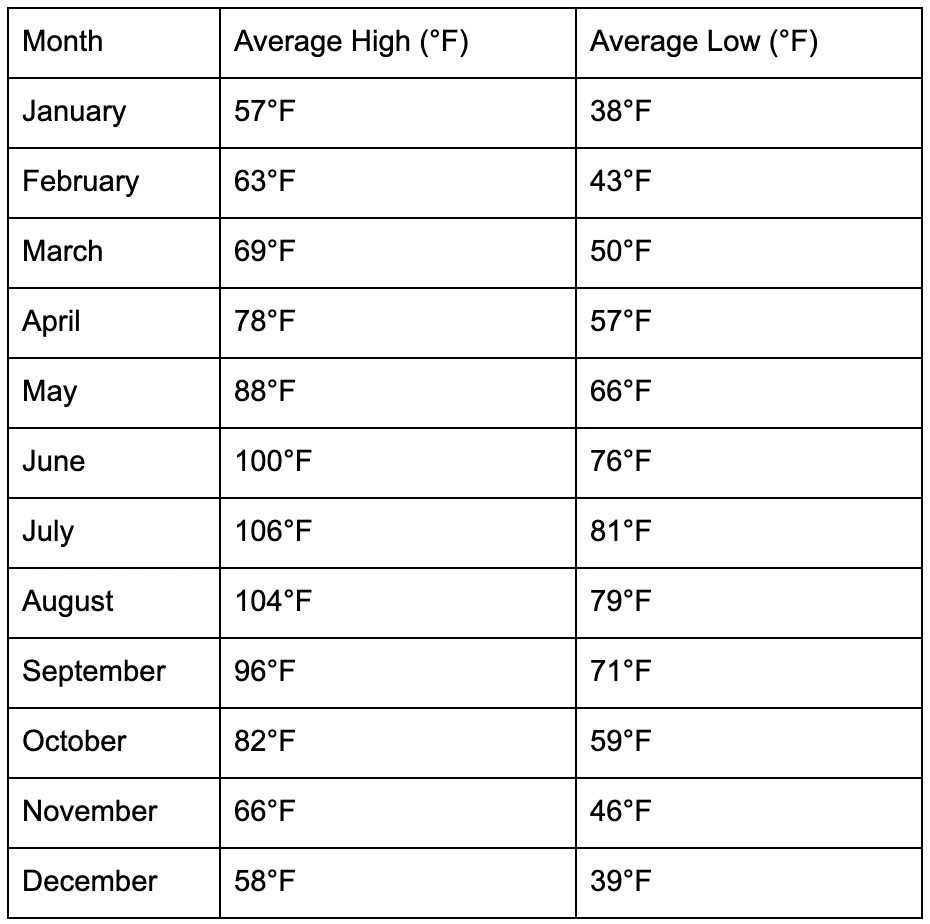
One of the most striking aspects of the Nevada climate is the significant swing between daytime highs and nighttime lows, known as diurnal temperature variation. In the winter months, it is not uncommon for the temperature to drop by 20 or even 30 degrees Fahrenheit as soon as the sun sets. A pleasant afternoon of 60°F (15°C) can rapidly transform into a shivering 35°F (1°C) evening. For travelers, this means that a day spent exploring the Fremont Street Experience requires a strategic wardrobe that can adapt to rapid shifts in the environment.
The Role of Wind Chill
While the thermometer might read a manageable 45°F (7°C), the “Vegas wind” can make it feel significantly colder. The city is situated in a basin surrounded by mountains, and during the winter, cold fronts moving through the Great Basin can funnel brisk winds through the valley. These gusts can turn a casual stroll past Caesars Palace into a bracing challenge. Travelers should pay close attention to wind forecasts, as the “feels like” temperature is often the more accurate metric for planning outdoor excursions.
A Seasonal Breakdown: When the Chill Sets In
To truly answer how cold it gets in Las Vegas, one must look at the specific months where the desert winter takes hold. While the “cold” season is relatively short compared to cities like Chicago or New York City, it is a distinct phase of the year that requires specific preparation.
November and December: The Descent into Winter
November marks the official end of the autumn warmth. Early in the month, temperatures are often mild, but by the time Thanksgiving arrives, the chill is palpable. December is frequently the darkest and one of the coldest months. Average daytime highs hover around 54°F to 58°F (12°C to 14°C), but the nighttime lows are the real story, often dipping into the upper 30s. This is the peak of the holiday season, where the Bellagio Las Vegas transforms its conservatory into a winter wonderland, a fitting backdrop for the cooling air.
January: The Peak of the Cold
January is historically the coldest month in Las Vegas. During this time, the city experiences its most frequent freezing temperatures. While it rarely stays below freezing during the day, the early morning hours can see frost on the windshields of rental cars. If you are staying at The Venetian Las Vegas and plan to walk to a morning convention, you will likely need a heavy coat. Record lows have been known to drop into the teens, though such extremes are rare.
February and March: The Gradual Thaw
February begins to see a slight uptick in temperature, with highs reaching the low 60s, but it remains a “coat and scarf” month for evening activities. By March, the city enters a transitional phase. This is often considered one of the best times for travel, as the extreme cold of January has faded, yet the blistering heat of the Mojave Desert summer has yet to arrive. However, even in March, a visit to Red Rock Canyon National Conservation Area will still require layers, as the higher elevation of the park ensures it stays several degrees cooler than the city center.
Essential Packing and Preparation for a Winter Visit
Navigating the cold in Las Vegas is about versatility. Because much of the city’s tourism involves moving between climate-controlled interiors—like the massive gaming floors of Wynn Las Vegas—and the outdoor walkways, your attire must be adaptable.
The Art of Layering
The golden rule for winter travel in Nevada is layering. A light base layer, followed by a sweater or fleece, and topped with a wind-resistant jacket is the ideal combination. This allows you to shed layers when you enter a warm resort like Encore at Wynn Las Vegas and quickly bundle up when heading out to see the Fountains of Bellagio.
Footwear and Accessories
While you might see locals in heavy boots, comfortable walking shoes are still the priority for any Las Vegas trip. However, ensure your shoes are paired with warm socks. Accessories like scarves and gloves are highly recommended if you plan on being outdoors for more than twenty minutes after dark. If you are heading out to the Seven Magic Mountains for a photo op, the open desert exposure makes these accessories essential.
Exploring Beyond the Strip: Winter Destinations
For the adventurous traveler, the cold weather actually opens up new possibilities for exploration that would be dangerous during the 110°F summer days. The winter months are prime time for visiting the natural wonders surrounding Las Vegas.
Hiking in Red Rock Canyon and Valley of Fire
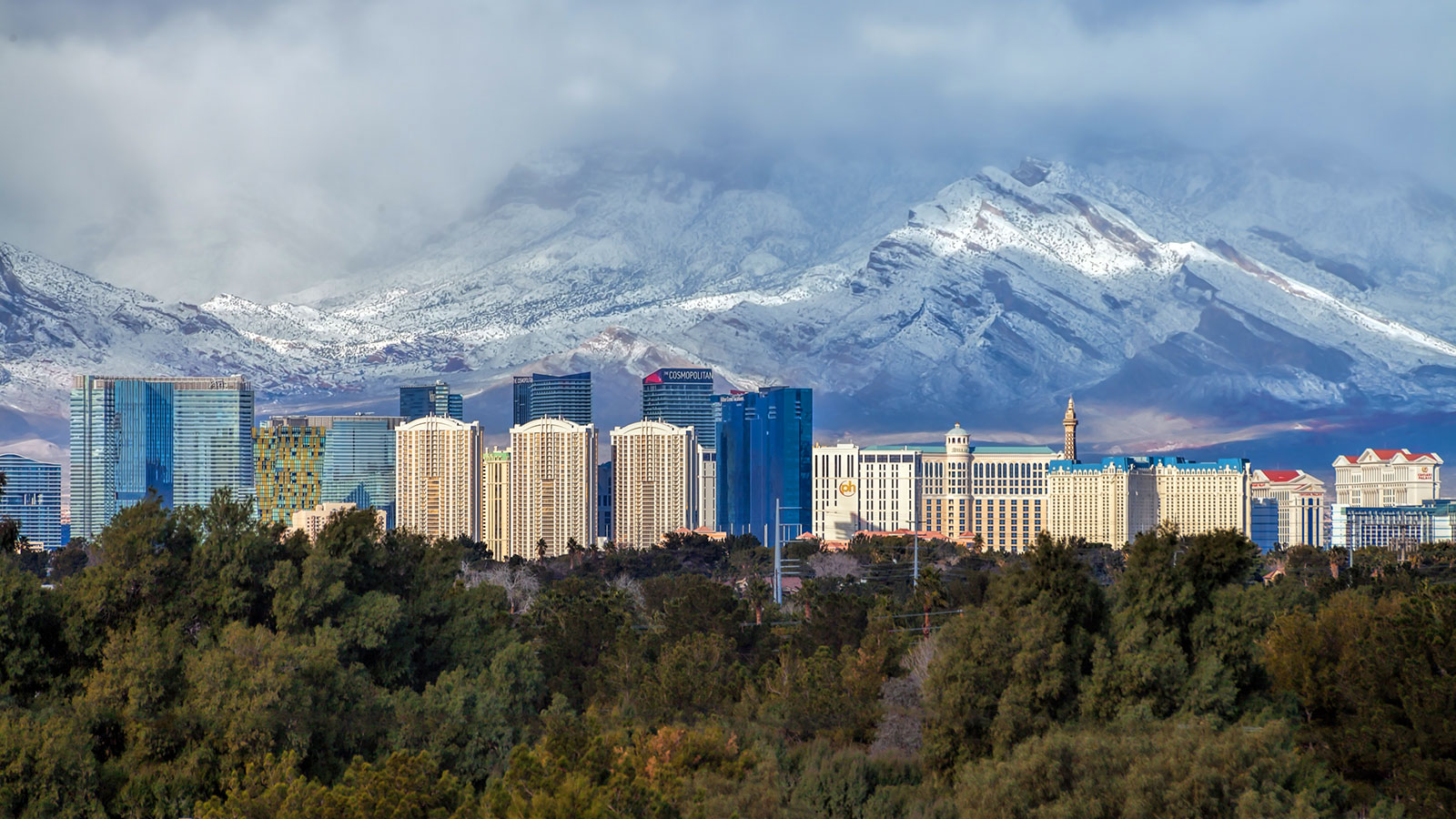
Red Rock Canyon National Conservation Area and Valley of Fire State Park are world-class hiking destinations. In the summer, these parks are often restricted due to heat, but in the winter, the 50-degree weather is perfect for strenuous climbs and long treks. The crisp air provides incredible visibility, allowing you to see for miles across the Mojave Desert. Just be aware that these areas can be 5 to 10 degrees cooler than the city, and snow occasionally dusts the higher peaks, creating a stunning contrast against the red sandstone.
The Snowy Peaks of Mount Charleston
If the city chill isn’t enough for you, a short 45-minute drive will take you to Mount Charleston. Here, the elevation exceeds 10,000 feet, and the temperature is significantly lower than in the valley. Lee Canyon offers skiing and snowboarding, providing a true winter sports experience just a stone’s throw from the desert floor. It is a surreal experience to see snow-covered pines in the morning and be back on the Las Vegas Strip by dinner time.
Historic Sites: Hoover Dam and Lake Mead
Visiting the Hoover Dam and Lake Mead in the winter is a much more pleasant experience than during the peak of summer. The concrete of the dam absorbs heat, making summer visits grueling, but the winter air makes the outdoor walking tours quite enjoyable. The water of the Colorado River remains cold year-round, but the surrounding landscape takes on a serene, quiet beauty during the colder months.
Unique Winter Activities and City Attractions
Las Vegas adapts brilliantly to the cold, offering seasonal attractions that you won’t find during the hotter months. The city leans into the winter theme, creating a festive atmosphere that rivals major cities in the United States.
Ice Skating Above the City
One of the most unique winter experiences is the ice rink at The Cosmopolitan of Las Vegas. Every year, the resort transforms its Boulevard Pool into a 4,200-square-foot ice rink. Travelers can skate while overlooking the neon lights of the Las Vegas Strip, roasting s’mores by fire pits in the crisp evening air. It perfectly encapsulates how Las Vegas embraces the cold to offer something luxurious and unexpected.
The Holiday Spirit at the Gardens
The Bellagio Conservatory & Botanical Gardens is a must-see. Their winter display is world-renowned, featuring thousands of poinsettias, massive Christmas trees, and intricate polar bear sculptures made of carnations. Similarly, the Linq Promenade often features holiday decorations and “snow” falls (artificial) that create a magical atmosphere for shoppers and diners.

Day Trips to Death Valley
The winter is arguably the only time of year when it is truly comfortable to visit Death Valley National Park. Located about two hours from Las Vegas, this park is famous for holding the record for the highest temperature on Earth. In the winter, however, daytime temperatures are a delightful 65°F to 70°F, making it the perfect time to explore Badwater Basin or Zabriskie Point without the life-threatening heat.
In conclusion, while Las Vegas may be located in a desert, the winter months bring a genuine chill that requires respect and preparation. By understanding the climate patterns, packing the right layers, and leaning into the unique seasonal activities, you can enjoy a side of this Nevada gem that most summer tourists never get to see. Whether you are shivering at a football game at Allegiant Stadium or enjoying the serenity of a frost-covered desert, the cold in Vegas is just another part of its multifaceted charm.
LifeOutOfTheBox is a participant in the Amazon Services LLC Associates Program, an affiliate advertising program designed to provide a means for sites to earn advertising fees by advertising and linking to Amazon.com. Amazon, the Amazon logo, AmazonSupply, and the AmazonSupply logo are trademarks of Amazon.com, Inc. or its affiliates. As an Amazon Associate we earn affiliate commissions from qualifying purchases.