
Navigating the distances between major urban centers is a fundamental aspect of planning any significant journey. For those looking to traverse the significant expanse between two of the United States’ most vibrant metropolises, New York and Atlanta, understanding the geographical separation is key. This exploration delves into the various ways to measure and experience this distance, considering both the tangible mileage and the time it takes to bridge the gap. Whether you’re considering a cross-country road trip, a swift flight, or a scenic train journey, the query “How far is New York from Atlanta?” opens up a world of travel considerations.
The Great American Divide: Understanding the Distance
The literal mileage between New York City and Atlanta, Georgia, is a crucial starting point for any travel planning. This distance dictates not only the time commitment but also the mode of transportation that might be most suitable. Understanding this fundamental geographical fact allows travelers to make informed decisions about their journey, from packing essentials to booking accommodations and anticipating travel expenses.
Driving Distance and Time
The most common way to conceptualize the distance between these two cities is by road. The driving distance between New York and Atlanta typically falls in the range of approximately 850 to 900 miles, depending on the specific routes taken and starting/ending points within each metropolitan area. This vast stretch of highway traverses several states, offering a diverse landscape that changes as you head south.
The journey by car is not merely about the mileage but also the time it will consume. Under ideal conditions, with minimal traffic and a steady pace, the drive can be completed in around 13 to 15 hours. However, this is a realistic estimate for continuous driving, which is often impractical and unsafe for a single driver. Most travelers opt to break this journey into two days, necessitating an overnight stop along the way. Popular routes often involve heading southwest through states like Pennsylvania, Maryland, West Virginia, Virginia, and North Carolina before reaching Georgia. The choice of interstate highways, such as the I-81 South and I-77 South, or combinations thereof, will influence the exact mileage and the potential for scenic detours. Factors like road construction, weather conditions, and the need for rest stops will invariably add to the overall travel time, making it essential to budget for a longer duration, especially if traveling with family or encountering unexpected delays. The freedom of a road trip allows for spontaneous stops at roadside attractions or to experience the unique character of towns and cities encountered en route, turning the journey itself into an integral part of the travel experience.
Flying: The Fastest Route
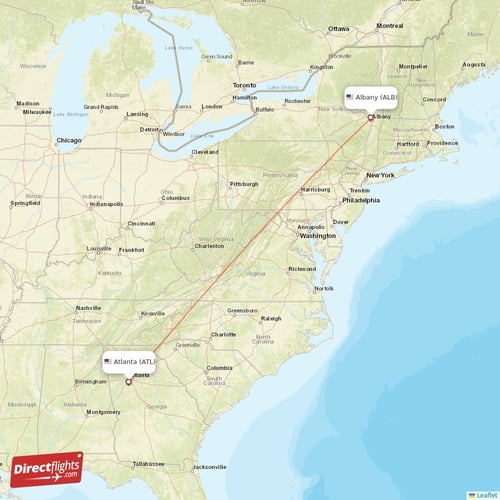
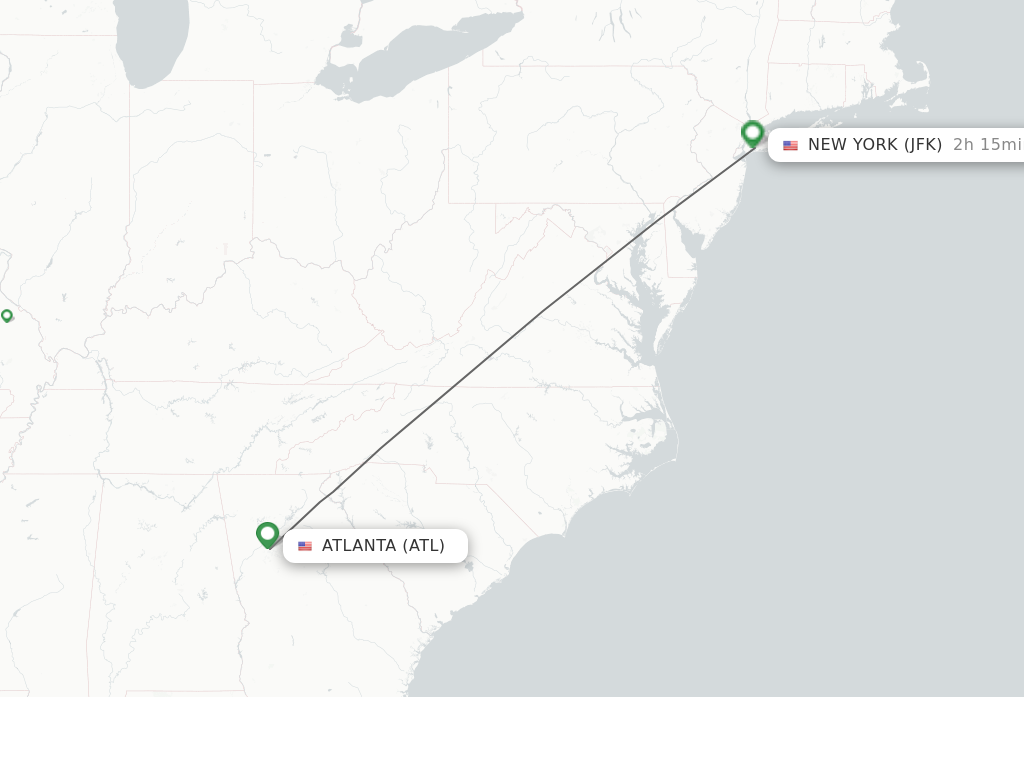
For those prioritizing speed and efficiency, air travel offers the most direct and time-effective method to bridge the gap between New York and Atlanta. The flight distance, as the crow flies, is considerably less than the driving distance, approximately 750 miles. However, the actual time spent in the air is only a fraction of the total travel time when considering flights.
Direct flights between major airports in the New York metropolitan area, such as John F. Kennedy International Airport (JFK), LaGuardia Airport (LGA), or Newark Liberty International Airport (EWR), and Hartsfield-Jackson Atlanta International Airport (ATL) are frequent and numerous. The flight duration for these direct routes typically ranges from 2 to 2.5 hours. This makes air travel the undisputed champion for covering the distance between New York and Atlanta in the shortest possible timeframe. However, it is crucial to factor in the time spent getting to and from the airports, going through security, boarding, and baggage claim. When all these ancillary activities are accounted for, the total door-to-door travel time for a flight can easily extend to 5-7 hours, a stark contrast to the air time itself. Despite this, for business travelers, weekend getaways, or those with limited vacation time, flying remains the preferred choice for its unparalleled speed. The extensive flight schedules mean that travelers often have flexibility in choosing departure and arrival times that best suit their needs, further enhancing the convenience of this mode of transportation.
Rail Travel: A Scenic Alternative
For travelers who appreciate a more relaxed pace and the opportunity to witness the changing American landscape, train travel presents an intriguing, albeit less common, option for journeying between New York and Atlanta. While not as swift as flying, and requiring a more significant time investment than driving, rail travel offers a unique perspective and a more comfortable experience for some.
The Amtrak network connects these two major cities, though typically not via a single direct route. Passengers will often find themselves on routes that involve transfers, most commonly in hubs like Washington, D.C. or other connecting stations. The total journey time by train can be substantial, often ranging from 18 to over 24 hours, depending on the specific route and layover times. This extended duration makes train travel a choice for those who view the journey as part of the destination, allowing for leisurely observation of the countryside, reading, working, or simply unwinding without the stresses of airport security or the demands of driving. Sleeper car accommodations are available on many Amtrak routes, providing a comfortable way to rest during overnight travel, further enhancing the appeal for those who prefer a more traditional travel experience. While often more expensive than a bus ticket and taking significantly longer than a flight, the appeal of train travel lies in its nostalgic charm, environmental benefits compared to flying, and the opportunity to avoid traffic congestion.
Planning Your Cross-Country Journey
Understanding the distance is just the first step. Effective planning involves considering various aspects of the journey, from the best time to travel to how to make the most of the travel time itself, regardless of the chosen mode of transportation.
Best Times to Travel
The “best” time to travel between New York and Atlanta is subjective and depends heavily on individual preferences and priorities. However, certain seasons offer distinct advantages and disadvantages.
Spring (April to June) and Fall (September to November) are often considered ideal for driving and train travel. During these periods, the weather across the intervening states is generally pleasant, with mild temperatures and fewer instances of extreme weather events that could disrupt travel. Spring brings blooming landscapes and a fresh vibrancy to the East Coast, while autumn offers spectacular foliage, particularly in the mountainous regions of Virginia and North Carolina. For air travel, these shoulder seasons often mean fewer crowds and potentially lower fares compared to peak summer months, though prices can fluctuate significantly.
Summer (June to August) is a popular time for travel due to school holidays and warmer weather, but it also brings the highest travel volumes, leading to crowded airports and potentially higher ticket prices. Driving during the summer can be hot, especially as you move further south into Georgia. Winter (December to February) presents its own set of challenges. While Atlanta generally experiences milder winters than New York, snow and ice can still impact travel, particularly in the northern states along the driving route or potentially disrupting flights. However, winter can also offer a unique charm, with holiday decorations in cities and a quiet beauty in the landscapes, and airfares might be lower outside of holiday peaks.
Making the Most of Your Travel Time
Regardless of whether you choose to drive, fly, or take the train, there are ways to enhance your travel experience. For drivers, the journey itself is an opportunity for exploration. Planning stops at notable attractions along the route, such as the historic sites in Philadelphia or the natural beauty of the Great Smoky Mountains National Park, can transform a long drive into a memorable adventure. Utilizing navigation apps that provide real-time traffic updates and suggest alternative routes can help mitigate delays.
For air travelers, maximizing travel time often involves efficient airport navigation and productive use of time in the air or at the airport lounge. Booking flights with convenient departure and arrival times, utilizing mobile check-in, and pre-arranging airport transportation can streamline the process. In-flight, many travelers use the time to catch up on work, read, or enjoy entertainment.
Train passengers often find the journey itself to be a relaxing respite. Bringing along books, downloading movies, or simply enjoying the panoramic views can make the extended travel time feel less burdensome. The ability to move around the train and visit the dining or lounge cars adds to the comfort and experience. For all modes of transport, ensuring you have necessary comfort items, snacks, and entertainment readily available can significantly improve the overall journey, making the distance between New York and Atlanta a manageable and even enjoyable undertaking.
Navigating the Geography
The distance between New York and Atlanta is more than just a number; it represents a significant geographical transition across the Eastern United States. This transition is marked by changing landscapes, climate variations, and distinct regional characteristics.
East Coast to Deep South Transition
As one travels south from New York, they move from the densely populated, historically rich Northeast corridor towards the warmer climate and distinct cultural identity of the Deep South. The landscape shifts from the urban sprawl and coastal plains to rolling hills and eventually the more humid, subtropical environment of Georgia. This geographical shift is mirrored in the architecture, local cuisine, and the pace of life encountered along the way. Driving the route offers a tangible experience of this transition, with subtle changes in vegetation, the dialect of people encountered, and the overall atmosphere of the towns and cities.
Climate Considerations
The climate differences between New York and Atlanta are significant and play a role in travel planning, particularly for those driving or undertaking outdoor activities upon arrival. New York experiences four distinct seasons with cold, snowy winters and warm, humid summers. Atlanta, situated further south, enjoys a milder winter, though it can still experience occasional freezing temperatures and ice. Summers in Atlanta are notably hotter and more humid than in New York, with frequent afternoon thunderstorms being a characteristic feature. Understanding these climatic variations is essential for packing appropriately and for planning activities, whether it’s enjoying the vibrant nightlife of New York or exploring the historical sites and burgeoning culinary scene of Atlanta. Travelers should always check the weather forecast for both their departure and arrival cities, as well as for any significant stops along their route, to ensure a smooth and comfortable journey.

Conclusion: Bridging the Gap
The distance between New York and Atlanta is a substantial one, offering multiple avenues for exploration and travel. Whether you are drawn to the efficiency of air travel, the freedom of a road trip, or the contemplative pace of a train journey, the approximately 850 miles that separate these two iconic American cities can be conquered in various ways. Each method of travel presents its own unique set of considerations, from time and cost to the experience of the journey itself. By understanding the mileage, the travel times, and the transitional geography, travelers can confidently plan their expedition from the bustling streets of New York to the heart of the Deep South in Atlanta, transforming the simple question of “How far is it?” into an invitation for discovery.
LifeOutOfTheBox is a participant in the Amazon Services LLC Associates Program, an affiliate advertising program designed to provide a means for sites to earn advertising fees by advertising and linking to Amazon.com. Amazon, the Amazon logo, AmazonSupply, and the AmazonSupply logo are trademarks of Amazon.com, Inc. or its affiliates. As an Amazon Associate we earn affiliate commissions from qualifying purchases.