
The journey from the vibrant, neon-soaked streets of Las Vegas to the serene, red-rock vistas of St. George is one of the most popular short-haul road trips in the southwestern United States. Spanning across three states—Nevada, Arizona, and Utah—this route offers a dramatic transition from the high-energy entertainment capital of the world to a gateway of natural wonders. Whether you are a local looking for a weekend getaway or an international traveler exploring the “Grand Circle” of national parks, understanding the logistics, distance, and highlights of this drive is essential for an optimal experience.
Understanding the Distance and Drive Time
When calculating how far it is from Las Vegas to St. George, the answer is relatively straightforward in terms of mileage, but variables like traffic and weather can influence the total duration of the trip. On average, the distance is approximately 120 miles (193 kilometers). For most travelers, this translates to a driving time of about 1 hour and 45 minutes to 2 hours, making it an incredibly accessible destination for those starting in Nevada.
The Standard Route via Interstate 15
The primary artery connecting these two cities is Interstate 15. This major highway is well-maintained and provides a direct path through the desert landscape. Starting from the Las Vegas Strip, you will head north, leaving the sprawling suburbs of North Las Vegas behind as the skyline vanishes in your rearview mirror. The road is characterized by long stretches of open desert, framed by distant mountain ranges and unique geological formations.
The drive is largely a steady climb in elevation. Las Vegas sits at about 2,000 feet above sea level, while St. George is situated at approximately 2,700 feet. This subtle change in altitude contributes to the shifting scenery and the slightly cooler temperatures you might encounter as you cross into Utah.
Traffic Considerations and Peak Times
While the drive is generally smooth, traffic leaving Las Vegas can be a significant factor, particularly on Friday afternoons when residents and tourists alike head north toward Zion National Park or Salt Lake City. Conversely, Sunday afternoons often see heavy traffic heading south toward Las Vegas.
Construction projects on Interstate 15, especially in the narrow sections of the Virgin River Gorge, can occasionally cause delays. It is always advisable to check real-time traffic updates via navigation apps before departing. Despite these potential hurdles, the efficiency of the highway system makes the trip one of the most reliable routes in the region.
Iconic Stops and Scenic Detours Along the Way
The drive between Las Vegas and St. George is far more than just a means to an end. The corridor is home to some of the most striking landscapes in the Mojave Desert. If you have a few extra hours, several stops can turn a standard commute into a memorable travel experience.
Valley of Fire State Park
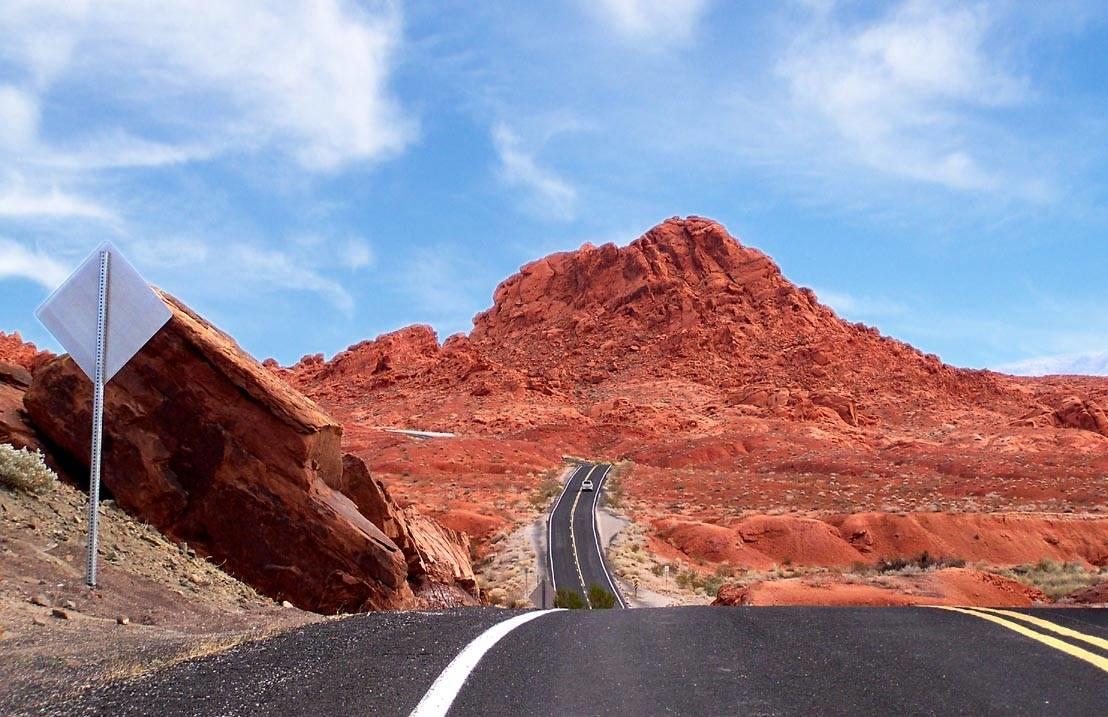
Located about 50 miles northeast of Las Vegas, Valley of Fire State Park is Nevada’s oldest and largest state park. Known for its brilliant red Aztec sandstone outcrops, the park looks as though the earth itself is ablaze. A quick detour here allows travelers to see ancient petroglyphs, the famous Elephant Rock, and the stunning Fire Wave. Even a short drive through the park’s main road offers world-class photographic opportunities that are well worth the slight addition to your travel time.
Mesquite and the Arizona Strip
As you continue north, you will pass through Mesquite, a popular resort town on the border of Nevada and Arizona. Mesquite is an excellent place to stop for a meal or to stretch your legs at one of its many golf courses.
After leaving Mesquite, you enter the Arizona Strip, a remote northwestern corner of Arizona. This segment of the journey is home to the breathtaking Virgin River Gorge. The highway winds alongside the Virgin River, carved deep into towering limestone cliffs. This section is often cited as one of the most expensive and beautiful stretches of the Interstate Highway System ever built. The sheer verticality of the canyon walls provides a dramatic prelude to the red rocks of Utah.
Transportation Options for Every Traveler

While most people choose to drive themselves, there are several ways to navigate the distance between Las Vegas and St. George. Each method offers different benefits depending on your budget, schedule, and comfort preferences.
Renting a Car in Las Vegas
For maximum flexibility, renting a car is the preferred option. Most travelers arrive at Harry Reid International Airport, which hosts a massive Rent-A-Car Center. Having your own vehicle allows you to explore St. George and its surrounding attractions, such as Snow Canyon State Park or the Red Cliffs National Conservation Area, at your own pace. If you are planning to visit the national parks, consider renting an SUV for extra comfort, although a standard sedan is perfectly fine for the paved highways.
Shuttle Services and Public Transit
If you prefer not to drive, several professional shuttle services operate multiple times daily between the two cities. The St. George Shuttle and Salt Lake Express are the most prominent providers. These shuttles typically pick up passengers directly from Harry Reid International Airport or designated locations on the Las Vegas Strip and drop them off at various hubs in St. George. This is an excellent choice for solo travelers or those looking to avoid the hassle of desert driving and parking.
Flying into St. George Regional Airport
While there are no direct commercial flights between Las Vegas and St. George due to the short distance, some travelers choose to fly into St. George Regional Airport via connecting flights from hubs like Phoenix, Denver, or Salt Lake City. However, given the ease of the drive, flying is generally less efficient than a road trip. The airport in St. George is modern and convenient for those arriving from further distances who wish to bypass Las Vegas entirely.
Essential Tips for a Seamless Road Trip
Traveling through the desert requires a bit of preparation to ensure safety and comfort. The stretch of Interstate 15 between Nevada and Utah can be unforgiving if you are unprepared for the environment.
Preparing for Desert Conditions
The heat in the Mojave Desert can be extreme, particularly between June and September. Temperatures regularly exceed 100 degrees Fahrenheit (38 degrees Celsius). Ensure your vehicle’s cooling system is in top shape and that your tires are properly inflated. It is vital to carry plenty of water—more than you think you will need—in case of a breakdown. While cell phone reception is generally good along the highway, there are small “dead zones” within the Virgin River Gorge.
The Time Zone Change
One of the most important logistical details to remember when traveling from Las Vegas to St. George is the change in time zones. Nevada operates on Pacific Time, whereas Utah is in the Mountain Time Zone.
When you cross the state line into Utah, you will “lose” one hour. This is particularly crucial if you have scheduled tours at Zion National Park or dinner reservations at popular St. George restaurants like Cliffside Restaurant. Interestingly, Arizona does not observe Daylight Saving Time, which can add another layer of confusion during certain months, though the highway through Arizona is so short that most travelers simply focus on the Nevada-to-Utah transition.
Why St. George is Worth the Drive
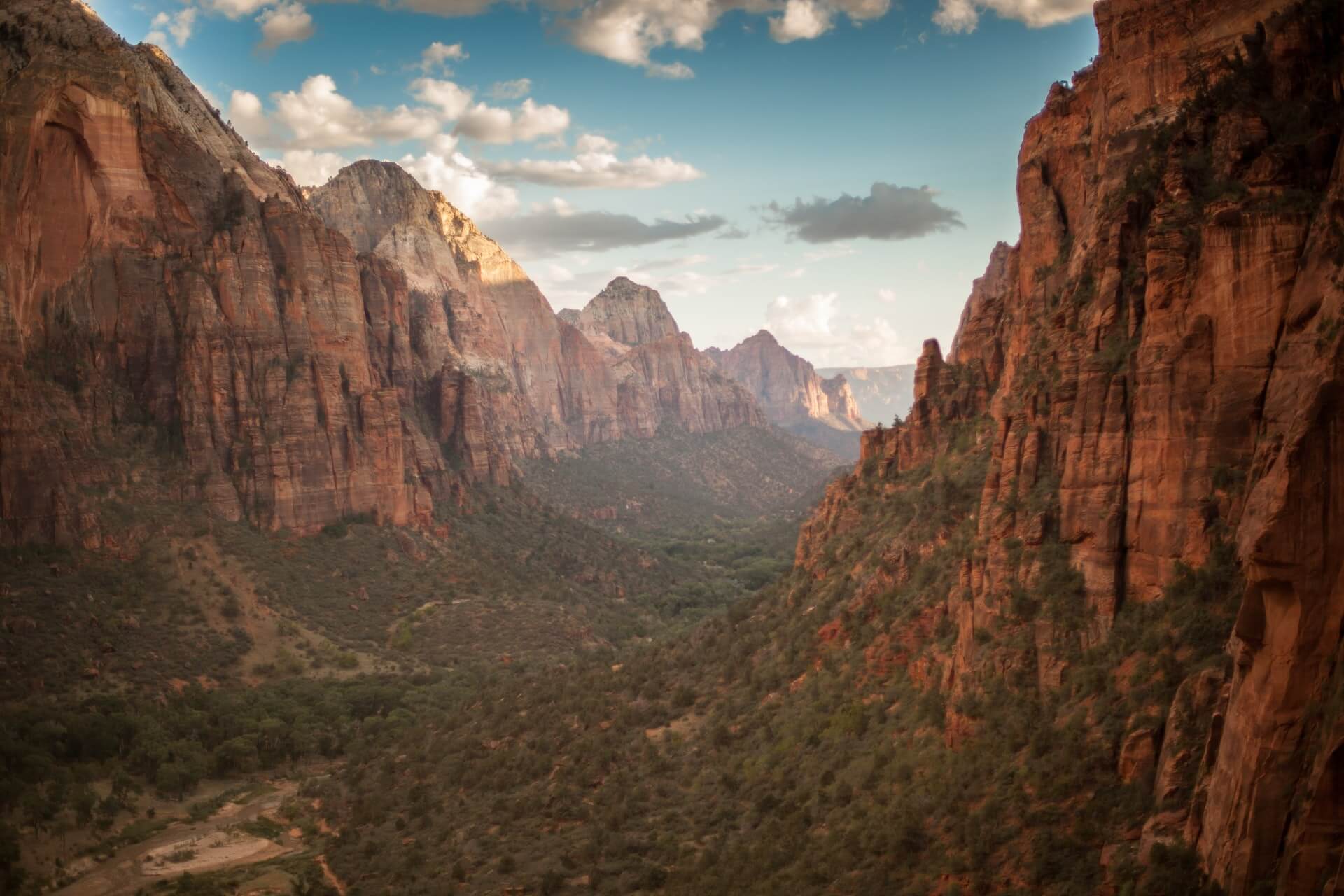
Once you arrive, you will quickly see why so many people make the trek from Las Vegas. St. George serves as a sophisticated basecamp for outdoor adventure. Unlike the high-octane energy of Nevada, St. George offers a blend of historic charm and rugged beauty.
Visitors can explore the St. George Utah Temple, admire the architecture of Utah Tech University, or catch a world-class musical at the Tuacahn Center for the Arts, an outdoor amphitheater set against towering red cliffs. For the more adventurous, the proximity to Sand Hollow State Park provides opportunities for boating and riding ATVs on sand dunes.
The distance from Las Vegas to St. George may be short, but the change in atmosphere is profound. By planning ahead and taking the time to enjoy the scenic wonders along Interstate 15, you turn a simple drive into an integral part of your Southwest adventure. Whether you are chasing the thrill of the Virgin River Gorge or the tranquility of Snow Canyon State Park, this route delivers some of the best travel experiences the United States has to offer.
LifeOutOfTheBox is a participant in the Amazon Services LLC Associates Program, an affiliate advertising program designed to provide a means for sites to earn advertising fees by advertising and linking to Amazon.com. Amazon, the Amazon logo, AmazonSupply, and the AmazonSupply logo are trademarks of Amazon.com, Inc. or its affiliates. As an Amazon Associate we earn affiliate commissions from qualifying purchases.