
Navigating the complexities of tax identification in any state can feel like traversing an uncharted territory, and for those looking to conduct business in the Lone Star State, understanding the process of obtaining a tax ID in Texas is crucial. While the original title might seem straightforward, the underlying necessity of such an ID often stems from a variety of business and personal endeavors that intersect with Texas‘s vibrant economy and rich tourism landscape. Whether you’re a burgeoning entrepreneur planning to open a charming boutique hotel in Austin, a freelance tour guide ready to showcase the historical wonders of San Antonio, or an artist looking to sell your creations at a Texas craft fair, having the correct tax identification is often a prerequisite for legal and smooth operations.

This guide aims to demystify the process, focusing not just on the bureaucratic steps but also on the underlying reasons why various individuals and businesses find themselves needing a tax ID in Texas. We’ll explore the different types of tax IDs, the entities they apply to, and how they relate to the diverse economic activities that make Texas such a dynamic place to live, work, and explore. From managing your bookings at a sprawling Texas resort to collecting sales tax on handcrafted souvenirs inspired by the Texas Hill Country, a tax ID is often the silent partner in your success.
Understanding the Need for a Tax ID in Texas
The need for a tax ID in Texas is rarely a standalone bureaucratic hurdle. Instead, it’s intrinsically linked to legitimate business operations, financial transactions, and compliance with state and federal regulations. For many who engage with the Texas tourism and hospitality sector, a tax ID becomes essential for several key reasons:
- Operating a Business: This is perhaps the most common reason. If you are establishing a business entity, whether it’s a sole proprietorship, partnership, LLC, or corporation, you will likely need a tax ID. This includes businesses operating within the travel and tourism sphere. For instance, if you plan to manage a boutique hotel in Galveston, offer guided tours of the Alamo, or rent out vacation properties near Big Bend National Park, you’ll need the appropriate identification.
- Hiring Employees: If your Texas venture requires hiring staff, you’ll need a tax ID to report employment taxes to the federal government and the Texas Workforce Commission. This applies to everything from hiring staff for a bustling resort in Dallas to employing guides for cultural tours in Houston.
- Opening a Business Bank Account: Most banks require a tax ID to open a business bank account. This is a fundamental step for maintaining financial separation between your personal and business finances, which is critical for accurate accounting and tax preparation.
- Filing Taxes: Ultimately, a tax ID is your key to interacting with tax authorities. You’ll use it to file federal, state, and potentially local tax returns, reporting income, expenses, and any taxes collected.
- Obtaining Licenses and Permits: Many business licenses and permits, especially those related to operating a business within the hospitality or service industry, require a Texas tax ID as part of the application process. This could range from a food service permit for a restaurant in Austin to a permit for operating a tour bus service in Fort Worth.
- Collecting and Remitting Sales Tax: If your business sells goods or taxable services in Texas, you are generally required to obtain a resale certificate and collect sales tax from your customers. This is a significant aspect for many tourism-related businesses, such as shops selling souvenirs at Six Flags Fiesta Texas, hotels collecting occupancy tax, or even online platforms facilitating the booking of experiences in Texas.
Federal vs. State Tax IDs: A Crucial Distinction
It’s vital to understand that there isn’t a single “tax ID in Texas” that covers all situations. The type of tax ID you need depends on whether you are dealing with federal tax obligations or state tax obligations.
The Federal Employer Identification Number (EIN)
The most common federal tax identification number is the Employer Identification Number (EIN), also known as the Federal Tax Identification Number. This is issued by the Internal Revenue Service (IRS). You will need an EIN if:
- You operate a business as a corporation or partnership.
- You employ individuals.
- You operate a sole proprietorship or LLC and have employees, file excise taxes, or operate a Keogh plan.
- You are involved with certain types of trusts, estates, or non-profit organizations.
For many business owners in Texas, especially those who plan to hire staff for their hotel, restaurant, or tour operations, obtaining an EIN is a primary step. It’s a free service provided by the IRS, and you can apply online through their official website. The application is generally straightforward and can often result in receiving your EIN on the same day.
State Taxpayer Identification Numbers in Texas
Texas does not have a state income tax for individuals or corporations. This means you won’t typically need a state income tax identification number for your business in Texas like you might in other states. However, Texas does have other important state-level tax identification needs, primarily for:
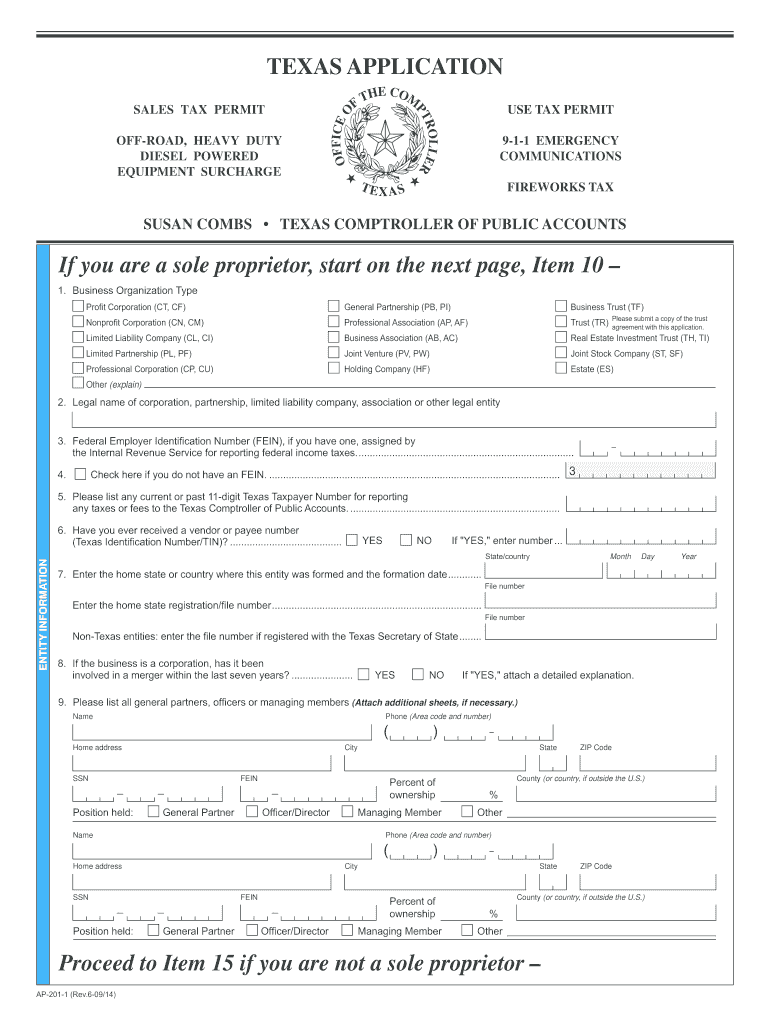
- Sales and Use Tax: If your business sells tangible personal property or provides taxable services in Texas, you must register with the Texas Comptroller of Public Accounts to obtain a Texas Sales and Use Tax Permit. This permit allows you to collect sales tax from your customers and remit it to the state. This is highly relevant for hotels, souvenir shops, tour operators selling packages, and businesses offering entertainment.
- Franchise Tax: While not an income tax, Texas does levy a franchise tax on businesses that are qualified to do business in Texas. This tax is based on the business’s “margin” rather than its net taxable income. Businesses must file a franchise tax report annually, even if no tax is due. This applies to a broad range of business entities, including corporations, LLCs, and partnerships. Registration is also handled through the Texas Comptroller of Public Accounts.
- Unemployment Tax: If you employ individuals in Texas, you are also required to register with the Texas Workforce Commission (TWC) for unemployment taxes. This is a separate registration process from the Comptroller’s office.
Navigating the Application Process for Your Texas Tax ID
The process for obtaining the necessary tax identification in Texas varies depending on the type of ID you require. Whether you’re setting up a new vacation rental business in the Texas coast or planning to host culinary tours in San Antonio, understanding these distinct pathways is key.
Obtaining a Federal EIN
Applying for an EIN is a relatively simple process managed entirely by the IRS.
- Determine Eligibility: First, confirm that your business structure or operational needs require an EIN. As mentioned, hiring employees or operating as a corporation/partnership are common triggers.
- Gather Information: You’ll need your business name, address, the name and Social Security Number (SSN) or Individual Taxpayer Identification Number (ITIN) of the responsible party (usually the owner or principal officer), and the type of entity.
- Apply Online: The fastest and most recommended method is to apply directly on the IRS website. The online application typically provides an instant EIN upon completion.
- Other Application Methods: If you cannot apply online, you can also apply by fax or mail. However, these methods take significantly longer.
Registering for Texas State Tax Permits

For state-level tax identification, primarily for sales tax and franchise tax, you will interact with the Texas Comptroller of Public Accounts.
Texas Sales and Use Tax Permit
This permit is essential for any business selling taxable goods or services in Texas.
- Determine Taxability: Understand which of your goods or services are subject to Texas sales tax. The Comptroller’s office provides extensive resources on this.
- Register with the Comptroller: You can register online through the Texas Comptroller’s website. You’ll need to provide information about your business, including its legal structure, ownership, and business activities. This registration typically requires your federal EIN if you have one.
- Receive Your Permit: Once approved, you will receive a Texas Sales and Use Tax Permit. This permit number should be displayed where appropriate and used in all your tax filings.
Texas Franchise Tax Registration
All businesses that are qualified to do business in Texas are generally subject to franchise tax.
- Understand Reporting Requirements: The Texas franchise tax is a complex subject, and understanding your specific reporting obligations is important. Businesses generally have two options for calculating their franchise tax: the “margin” tax rate or the “EZ” computation for smaller businesses.
- Register: Registration for franchise tax typically occurs when you first register your business with the state, often as part of setting up your legal entity. If you haven’t done so, you’ll need to register with the Texas Comptroller’s office.
- File Annually: Even if no tax is due, an annual report must be filed. The filing deadline is typically May 15th.
Registering for Texas Unemployment Tax
If you hire employees in Texas, you must register with the Texas Workforce Commission (TWC).
- Determine Employer Status: Understand the TWC’s criteria for determining employer status.
- Register with TWC: You can register online through the TWC’s employer portal. You will need your federal EIN and information about your business.
- Understand Obligations: Once registered, you’ll be responsible for quarterly reporting and payment of unemployment taxes.
Tax IDs and the Texas Lifestyle: From Business Stays to Luxury Travel
The need for tax IDs in Texas extends beyond large corporations. It touches every corner of the state’s dynamic lifestyle, from the seasoned business traveler to the entrepreneur curating unique travel experiences.
Accommodation Providers and Tax IDs
For those in the hospitality sector, a tax ID is not just a formality; it’s the backbone of their operation.
- Hotels and Resorts: Owners and operators of hotels, from a luxurious resort in the Texas Hill Country to a budget-friendly motel in a small town, will need a Texas Sales and Use Tax Permit to collect occupancy taxes and sales tax on goods sold within the establishment. If they employ staff, a federal EIN and TWC registration are also necessary. Understanding the nuances of lodging taxes in different Texas cities, like Houston or Dallas, is also critical.
- Vacation Rentals and Short-Term Stays: Individuals or companies managing vacation rentals, such as cabins near Lake Travis or apartments in downtown Austin, are also subject to Texas sales and occupancy taxes. They will need to register for a Texas Sales and Use Tax Permit. The rise of platforms like Airbnb has brought more attention to this area, and compliance is key.
- Apartments and Long-Term Stays: While long-term apartment rentals might not always be subject to the same occupancy taxes as short-term stays, businesses providing these accommodations still need to operate legally. This often involves a federal EIN for the business entity and adherence to employment laws if they have staff.
Tourism Businesses and Tax Compliance
The vibrant tourism industry in Texas relies heavily on businesses operating with the proper tax identification.
- Tour Operators and Guides: Whether you’re leading historical tours in San Antonio, nature walks in Big Bend National Park, or culinary excursions through East Texas, if you are operating as a business, you will likely need a Texas Sales and Use Tax Permit. This is especially true if you are selling tour packages or merchandise. A federal EIN would be required if you hire other guides.
- Attractions and Entertainment Venues: Theme parks like Six Flags Over Texas, museums in Fort Worth, and live music venues across Austin all require a Texas Sales and Use Tax Permit to collect taxes on admissions, concessions, and merchandise. They also need federal EINs and TWC registration if they employ staff.
- Food and Beverage Establishments: Restaurants, cafes, and food trucks that are integral to the Texas experience, from BBQ joints to fine dining establishments, must have a Texas Sales and Use Tax Permit to collect sales tax on food and beverages. They also need federal EINs and TWC registration if they have employees.
Lifestyle and Personal Endeavors
Even personal ventures or smaller-scale operations can intersect with tax ID requirements in Texas.
- Etsy Sellers and Craft Vendors: Artists and artisans selling their creations at local Texas markets or online platforms like Etsy may need to register for a Texas Sales and Use Tax Permit if their sales reach a certain threshold. This ensures they are collecting and remitting sales tax on their handcrafted goods, whether they are inspired by Texas wildflowers or Texas history.
- Freelancers and Independent Contractors: While freelancers typically report their income on their personal tax returns, if they form a business entity (like an LLC) or hire others, they might need an EIN. Furthermore, if they provide services that are taxable in Texas, they would need to comply with sales tax regulations.
In conclusion, while the question “How To Get A Tax ID In Texas?” might seem specific, it opens the door to understanding the foundational requirements for participating in the Texas economy. From securing a booking at a renowned Texas hotel to launching a business that showcases the unique Texas lifestyle, a tax ID is a critical component of lawful and successful operation. By understanding the distinction between federal and state requirements and navigating the respective application processes, individuals and businesses can confidently establish their presence and thrive in the Lone Star State.
LifeOutOfTheBox is a participant in the Amazon Services LLC Associates Program, an affiliate advertising program designed to provide a means for sites to earn advertising fees by advertising and linking to Amazon.com. Amazon, the Amazon logo, AmazonSupply, and the AmazonSupply logo are trademarks of Amazon.com, Inc. or its affiliates. As an Amazon Associate we earn affiliate commissions from qualifying purchases.