
The journey between Tucson and Las Vegas is a quintessential Southwestern odyssey, bridging the gap between the saguaro-studded landscapes of Arizona and the neon-lit spectacle of Nevada. Whether you are planning a weekend escape or a cross-state relocation, understanding the logistics of this trip is essential for a seamless experience. The distance is manageable enough for a single day’s drive, yet long enough to warrant a thoughtful itinerary that explores the transition from the high Sonoran Desert to the rugged Mojave Desert.
Understanding the Distance and Primary Travel Routes
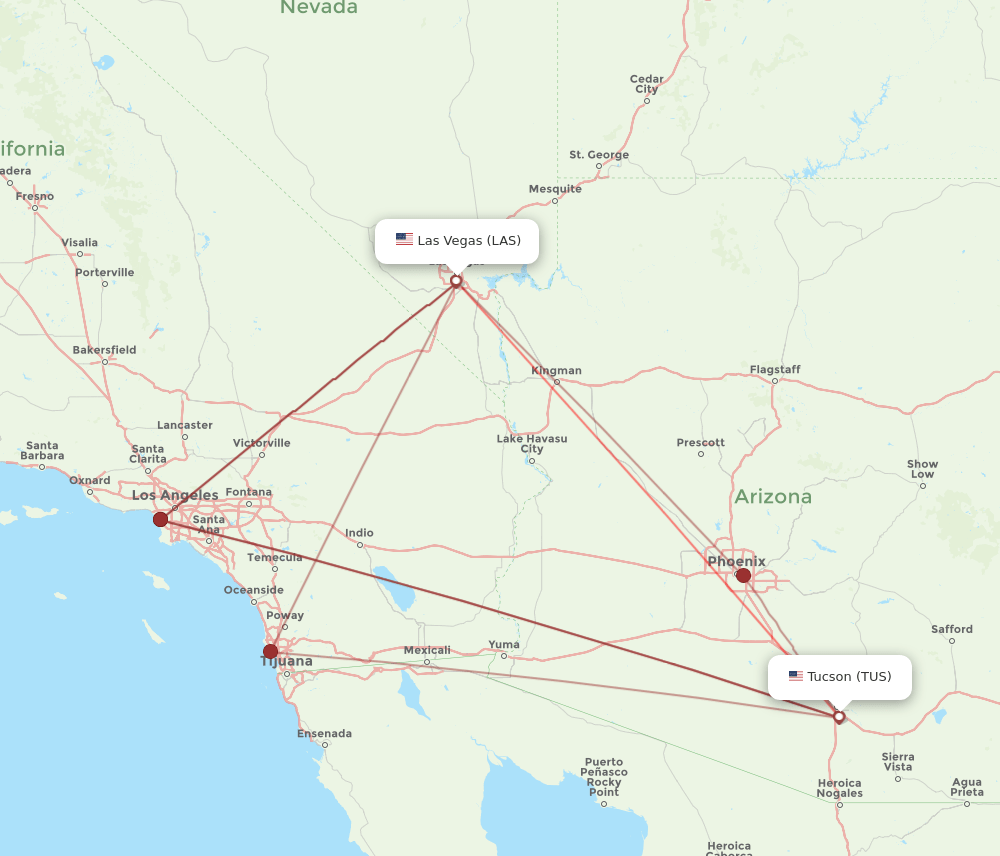
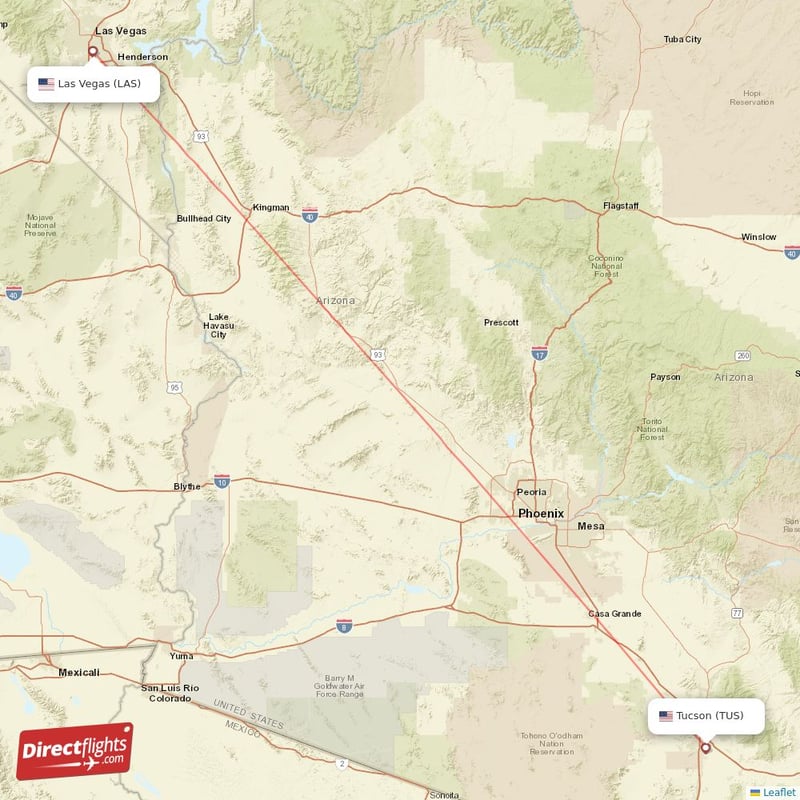
When calculating how far Tucson is from Las Vegas, the answer depends heavily on your chosen mode of transportation and the specific route you take. In a straight line, the distance is approximately 365 miles. However, because highways rarely follow a perfect line, the actual road distance is closer to 410 to 450 miles.

The Standard Driving Route: I-10 and US-93
For most travelers, the journey begins on Interstate 10 West, heading north from Tucson toward Phoenix. This initial leg covers about 115 miles of flat desert terrain. Upon reaching the Phoenix metropolitan area, travelers typically transition to US Route 60 and then US Route 93.
US Route 93 is often referred to as the “Joshua Forest Parkway” because of the dense groves of Joshua Tree plants that line the horizon as you move toward Nevada. This route is predominantly a two-lane highway that has seen significant expansions and improvements over the years. On average, the drive takes between 6 and 7.5 hours, depending on traffic in Phoenix and the number of stops you make for fuel or food.
Alternative Paths and Scenic Detours
While the US Route 93 path is the most direct, some travelers opt for a more scenic detour through Western Arizona. By taking Interstate 8 West toward Yuma and then heading north through California, you can experience a different side of the desert. However, this adds significant mileage and time to the trip.
Another popular alternative for those with time to spare is a detour toward Sedona or the Grand Canyon. While this adds several hours to the journey, it transforms a simple transit into a comprehensive tour of the Southwest. If you choose the primary route, you will still pass through historic towns like Wickenburg, which offers a glimpse into the state’s ranching history.
Essential Stops and Sightseeing Along the Way
The drive from Tucson to Las Vegas is more than just a means to an end; it is a corridor filled with natural wonders and engineering marvels. Breaking up the six-hour drive allows travelers to appreciate the diverse geography of the United States.
Crossing the Mike O’Callaghan-Pat Tillman Memorial Bridge
One of the most breathtaking moments of the trip occurs just before you arrive in Las Vegas. As you approach the border of Arizona and Nevada, you will cross the Mike O’Callaghan-Pat Tillman Memorial Bridge. This massive arch bridge spans the Colorado River and provides an unparalleled view of the Hoover Dam.
Before the bridge was completed in 2010, travelers had to drive across the dam itself, which was often bottlenecked by tourists and security checkpoints. Today, the bridge allows for high-speed travel, but many visitors still choose to exit and visit the Hoover Dam visitor center. It is an ideal spot to stretch your legs and learn about one of the greatest engineering feats of the 20th century.
Exploring Kingman and Route 66
As you head north on US Route 93, you will pass through Kingman, often called the “Heart of Historic Route 66.” This town serves as a vital refueling station for the journey. Kingman is home to the Arizona Route 66 Museum, where you can delve into the Americana of the “Mother Road.”
Just outside of Kingman, the landscape begins to change significantly. You leave behind the saguaros of Saguaro National Park (near Tucson) and enter the high desert. Here, the elevation rises, and the air becomes noticeably cooler, especially during the winter months. The drive between Kingman and Boulder City is characterized by wide-open vistas and the shimmering blue waters of Lake Mead appearing in the distance.
Comparing Transportation Modes: Road vs. Air
When deciding how to travel from Tucson to Las Vegas, the choice usually boils down to convenience versus cost. Each mode of transport offers a different perspective on the journey.
The Efficiency of Flying
For those who prioritize time, flying is the most efficient option. Tucson International Airport offers several daily flights to Harry Reid International Airport in Las Vegas. The actual time spent in the air is usually less than an hour, often clocking in at around 55 minutes.
Airlines such as Southwest Airlines frequently service this route, making it a popular choice for business travelers and tourists who want to maximize their time on The Strip. While flying is faster, you do miss out on the shifting desert scenery and the chance to stop at landmarks like the Hoover Dam. Additionally, after factoring in airport security and transit to and from the terminals, the total travel time is closer to three or four hours.
The Freedom of the Road Trip
Driving remains the preferred method for many because of the flexibility it provides. Having a vehicle in Las Vegas can be advantageous if you plan to visit outlying attractions like Red Rock Canyon National Conservation Area or Valley of Fire State Park.
The cost of gas for a 410-mile trip is often lower than the price of two or three round-trip plane tickets, making it the more economical choice for families or groups. Furthermore, the drive allows for a transition of headspace; leaving the relaxed, academic, and cultural atmosphere of Tucson and slowly building the anticipation as the skyline of Las Vegas emerges from the desert haze.
Seasonal Considerations and Travel Tips
Traveling through the American Southwest requires a degree of preparation, particularly regarding the climate and regional events. The distance between Tucson and Las Vegas crosses some of the hottest inhabited regions on earth.
Navigating the Desert Climate
If you are traveling during the summer months (June through September), extreme heat is a serious factor. Temperatures in Phoenix and Las Vegas regularly exceed 110 degrees Fahrenheit. It is imperative to ensure your vehicle’s cooling system is in top condition and that you carry extra water.
Monsoon season in Arizona typically occurs from July to September. These sudden, intense storms can cause flash flooding and dust storms (haboobs) that significantly reduce visibility on Interstate 10. Always check the weather forecast before departing Tucson. Conversely, winter travel is generally pleasant, though you may encounter freezing temperatures and occasional snow in the higher elevations near Kingman.
Timing Your Departure
To minimize the time spent in your car, timing is everything. Avoiding Phoenix rush hour is the single most important factor in your travel schedule. If you leave Tucson at 7:00 AM on a weekday, you will hit the peak of Phoenix traffic, potentially adding an hour to your trip.
The best times to depart are early morning (before 6:00 AM) or mid-morning (after 9:00 AM). If you are heading to Las Vegas for a weekend, be aware that Friday afternoons see heavy traffic heading into the city, particularly as you approach Boulder City. Similarly, returning to Tucson on a Sunday afternoon can be slow as thousands of travelers head back south toward Arizona and Mexico.
Conclusion: A Journey of Two Deserts
Whether you are drawn by the world-class entertainment of Las Vegas or the quiet, natural beauty of Tucson, the path between these two cities is a rewarding travel experience. While the physical distance is roughly 410 miles, the cultural and environmental shift is profound. By choosing the right route, stopping at iconic landmarks like the Hoover Dam, and preparing for the desert elements, you can ensure that the journey is just as memorable as the destination. The drive from the Old Pueblo to the Entertainment Capital of the World remains a staple of Southwestern travel, offering a unique look at the heart of the Sun Belt.
LifeOutOfTheBox is a participant in the Amazon Services LLC Associates Program, an affiliate advertising program designed to provide a means for sites to earn advertising fees by advertising and linking to Amazon.com. Amazon, the Amazon logo, AmazonSupply, and the AmazonSupply logo are trademarks of Amazon.com, Inc. or its affiliates. As an Amazon Associate we earn affiliate commissions from qualifying purchases.