
The journey between San Diego and Las Vegas is one of the most popular travel corridors in the southwestern United States. Connecting the laid-back, sun-drenched coast of California with the high-octane neon playground of Nevada, this route offers a fascinating transition from the Pacific Ocean to the heart of the Mojave Desert. Whether you are a local looking for a weekend escape or an international traveler checking off bucket-list destinations, understanding the distance and the travel options is the first step in planning a seamless adventure.
Measuring the Distance: Miles, Minutes, and Modes of Transport
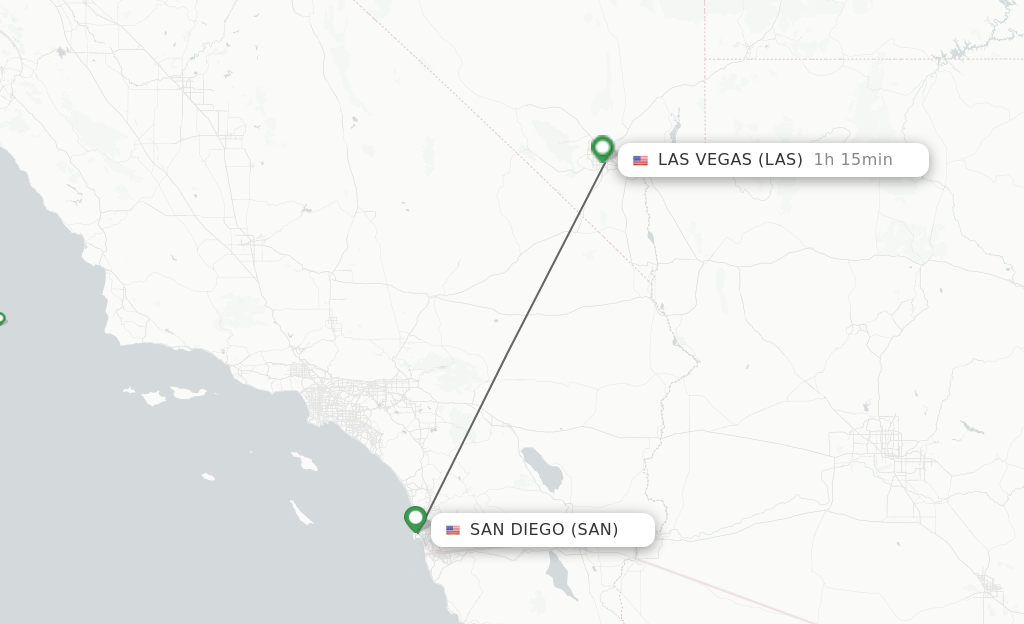
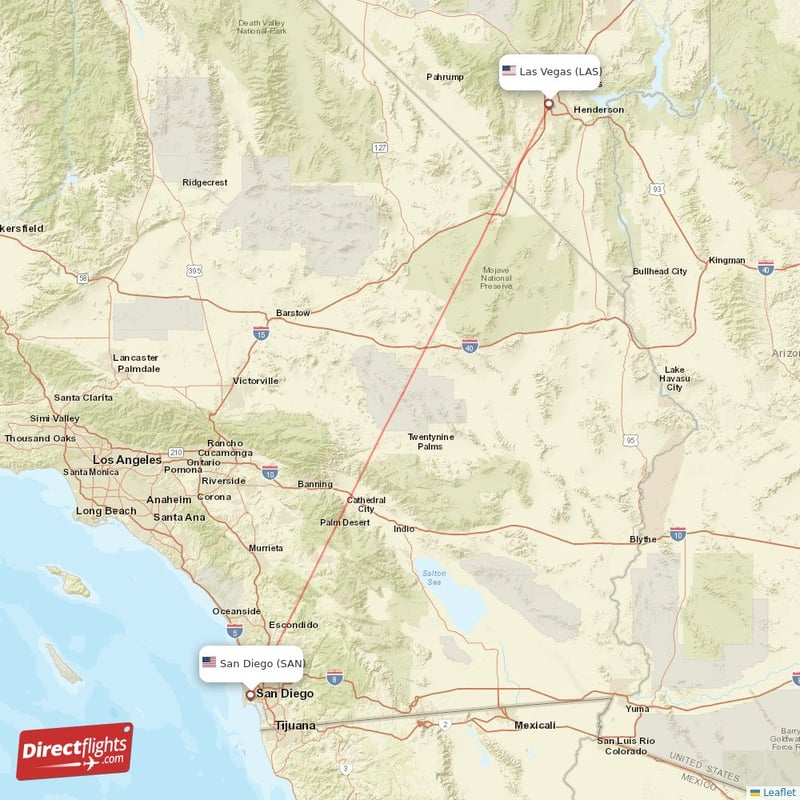
When asking how far San Diego is from Las Vegas, the answer depends entirely on your chosen method of transportation. Geographically, the two cities are separated by approximately 265 miles as the crow flies. However, since most travelers are not crows, the actual travel distance on the ground or in the air varies slightly.
Driving from San Diego to Las Vegas
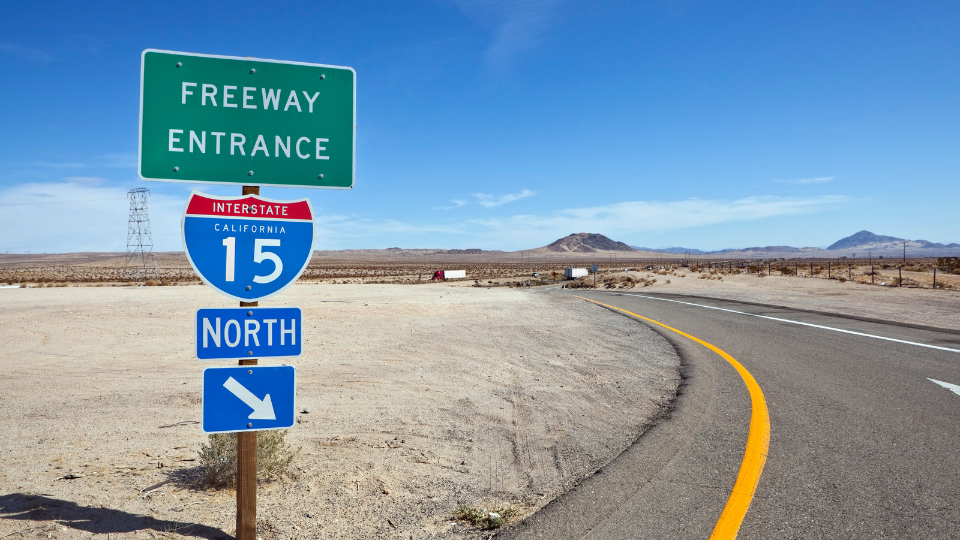
For most travelers, the quintessential way to experience this journey is by car. The driving distance is roughly 330 miles when taking the most direct route via Interstate 15. Under ideal conditions, the drive takes between four and a half to five and a half hours.
The route begins in the coastal hills of San Diego, heading north through Escondido and the rolling vineyards of Temecula. As you move further inland, the landscape shifts dramatically. After passing through the Inland Empire and climbing the Cajon Pass, the greenery of the coast gives way to the stark, beautiful vistas of the high desert. Driving offers the most flexibility, allowing travelers to set their own pace and explore the unique roadside attractions that define the American West.
Air Travel: Flying Between the Coast and the Desert
If time is of the essence, flying is an incredibly efficient option. A direct flight from San Diego International Airport to Harry Reid International Airport typically takes only 1 hour and 10 minutes.
Several major carriers, including Southwest Airlines, Spirit Airlines, and Delta Air Lines, operate multiple daily flights between the two cities. When you factor in airport security, boarding, and baggage claim, the total travel time usually comes to about three to four hours. This is often the preferred choice for business travelers or those who want to maximize every possible minute at the Mandalay Bay or Caesars Palace.
Alternative Transit: Buses and Private Shuttles
For those who prefer not to drive but want to avoid the complexities of airport travel, regional bus services offer a budget-friendly alternative. Companies like FlixBus and Greyhound provide regular service from downtown San Diego to various points in Las Vegas.
While the bus journey takes longer—typically between five and seven hours depending on stops—it allows passengers to sit back, enjoy the scenery, and utilize onboard Wi-Fi. Private luxury shuttles are also available for groups, providing a more curated and comfortable experience that bridges the gap between a standard bus and a private car.
The Ultimate Road Trip Itinerary: Scenic Stops and Hidden Gems
The drive from San Diego to Las Vegas is far more than just a transit period; it is a scenic journey through some of the most iconic landscapes in Southern California.
Natural Wonders and Desert Landscapes
Shortly after leaving the metropolitan sprawl of San Diego, you will find yourself entering the expansive Mojave National Preserve. This area is a treasure trove for nature lovers. If you have an extra hour to spare, a slight detour can take you toward the Joshua Tree National Park region, famous for its twisted, bristled trees and surreal rock formations.
Closer to the main highway, the Mojave Desert offers a different kind of beauty. Keep an eye out for the Zzyzx Road exit, which leads to the Desert Studies Center, a former mineral springs resort with a bizarre and storied history. The stark contrast between the bright blue desert sky and the scorched earth makes for incredible photography.
Quirky Roadside Attractions
No road trip to Las Vegas is complete without stopping at some of the world-famous “roadside oddities.” As you pass through the town of Baker, you cannot miss the World’s Tallest Thermometer. Standing 134 feet tall, it serves as a literal reminder of the intense heat that the region can reach during the summer months.
Further along, near the border of Nevada, you will encounter Seven Magic Mountains. This large-scale public art installation by Ugo Rondinone features seven towers of colorful, stacked boulders standing over 30 feet high. It has become a mandatory stop for travelers looking for the perfect Instagram moment before hitting the Las Vegas Strip.
Small Town Charm and History
Midway through the trip lies Barstow, a historic hub for the Santa Fe Railroad and a major junction for those traveling on Route 66. Here, you can visit the Western America Railroad Museum or grab a meal at the Barstow Station, a collection of shops and eateries housed in old train cars.
Just outside of Barstow is Calico Ghost Town, a former silver mining town that has been preserved as a county park. It offers a glimpse into the Old West with mine tours, gold panning, and historical reenactments, making it a perfect educational break for families.
Seasonal Considerations and Travel Logistics
Traveling through the desert requires a bit more foresight than a standard coastal drive. The route between San Diego and Las Vegas can be unpredictable, especially regarding weather and traffic.
Navigating Peak Traffic and Holiday Weekends
The most significant factor in your travel time isn’t the distance, but the timing. Interstate 15 is notorious for heavy traffic, particularly on Friday afternoons heading toward Nevada and Sunday afternoons returning to California. During major holidays or event weekends—such as New Year’s Eve or the Super Bowl—a five-hour drive can easily turn into an eight-hour ordeal.
To avoid the “Vegas Crawl,” seasoned travelers recommend leaving San Diego early on a Thursday or very early Friday morning. For the return trip, leaving Las Vegas before 10:00 AM on Sunday or waiting until Monday morning is the best way to ensure a smooth ride.
Weather Realities: From Ocean Breezes to Desert Heat
The climate shift on this route is dramatic. San Diego enjoys a Mediterranean climate with temperatures often hovering in the 70s. However, once you cross into the Mojave Desert, summer temperatures can frequently exceed 110 degrees Fahrenheit.
If you are driving, ensure your vehicle’s cooling system is in top shape and that your tires are properly inflated. In the winter, the Cajon Pass and the higher elevations near Mountain Pass can occasionally see snow or black ice, leading to temporary road closures. Always check the Caltrans website for real-time updates before departing.
Essential Packing for the Journey
Even for a relatively short trip, packing the right essentials is crucial for desert travel. Always carry extra water—more than you think you will need—in case of a breakdown in remote areas. Sunscreen and sunglasses are a must, as the desert sun is exceptionally bright. If you plan on stopping at sites like Red Rock Canyon National Conservation Area just outside of Las Vegas, bring sturdy walking shoes to navigate the rocky terrain.
Comparing the Experience: Coastal Charm vs. Neon Lights
The distance between these two cities represents more than just miles; it represents a complete shift in lifestyle and atmosphere. San Diego and Las Vegas offer complementary experiences that make them a perfect pair for a dual-city vacation.
Why San Diego is the Perfect Contrast to Las Vegas
After a few days of the high-energy, 24-hour cycle of Las Vegas, the soothing environment of San Diego is often a welcome relief. Where Las Vegas offers world-class shows at the Sphere and gaming at the Bellagio, San Diego offers the natural beauty of La Jolla Cove and the historic charm of Balboa Park.
Travelers often start their trip with the excitement of Nevada and end it with the relaxation of California. Walking along Mission Beach or enjoying fish tacos in the Gaslamp Quarter provides a sense of “reset” that helps balance the sensory overload of the Las Vegas Strip.
Planning the Logistics of a Dual-City Trip
For international tourists, flying into San Diego International Airport, renting a car, and driving to Las Vegas is a popular way to see the American Southwest. This allows for a visit to the San Diego Zoo and the USS Midway Museum before heading into the desert.
Many car rental agencies, such as Hertz or Enterprise Rent-A-Car, allow for “one-way” rentals, meaning you can pick up your vehicle in California and drop it off in Nevada. This is a convenient option if you plan to continue your journey toward the Grand Canyon or Utah after your stay in the city of lights.
Regardless of how you choose to bridge the gap, the journey from San Diego to Las Vegas is an essential American travel experience. It is a route that showcases the diversity of the landscape, the ingenuity of desert engineering, and the enduring appeal of the open road. Whether you are flying high above the clouds or cruising down Interstate 15, the transition from the “Finest City” to the “Entertainment Capital of the World” is a trip worth taking.
LifeOutOfTheBox is a participant in the Amazon Services LLC Associates Program, an affiliate advertising program designed to provide a means for sites to earn advertising fees by advertising and linking to Amazon.com. Amazon, the Amazon logo, AmazonSupply, and the AmazonSupply logo are trademarks of Amazon.com, Inc. or its affiliates. As an Amazon Associate we earn affiliate commissions from qualifying purchases.