
The American Southwest is a landscape defined by dramatic shifts in scenery, where the neon-lit excitement of the desert’s most famous city meets the serene, crimson-hued majesty of the high plateau. For many travelers, Las Vegas serves as the primary gateway to the rugged wilderness of Utah. Whether you are looking to trade the slot machines for slot canyons or the high-rise hotels for high-altitude hiking, understanding the logistics of this journey is essential. While the two regions are neighbors, the distance can vary significantly depending on your final destination within the Beehive State.
Understanding the Proximity and Geography
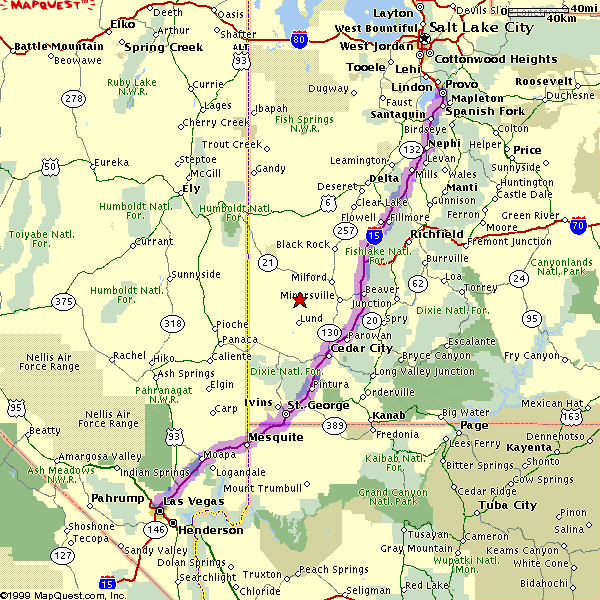
The geographical relationship between Nevada and Utah is closer than many first-time visitors realize. Las Vegas is situated in the southern tip of Nevada, just a short drive from the borders of both California and Arizona. This unique positioning makes it an ideal launching pad for exploring the Colorado Plateau.
The Gateway to the Southwest
When people ask how far Utah is from Las Vegas, they are usually referring to the border town of St. George. Located in the southwestern corner of the state, St. George represents the transition from the Mojave Desert to the Great Basin and the Colorado Plateau. The physical distance from the heart of the Las Vegas Strip to the Utah state line is approximately 120 miles. In terms of travel time, this usually equates to about 90 minutes to two hours of driving, making it an incredibly accessible transition for those looking for a change of pace.
Regional Boundaries and Crossing Points
The journey from Las Vegas to Utah involves crossing through a small portion of northwestern Arizona. This stretch of road is home to the Virgin River Gorge, a spectacular canyon carved by the Virgin River. While the state of Utah is vast, most travelers from Nevada are headed toward the “Mighty 5” national parks. While St. George is just two hours away, other major hubs like Salt Lake City are much further north, requiring a drive of roughly six hours covering over 420 miles.
Popular Travel Routes and Transport Methods
There are several ways to traverse the distance between these two iconic locations, ranging from efficient interstate driving to scenic aerial transfers. The choice depends largely on your timeline and whether you view the journey as a simple commute or an integral part of your vacation.
Driving via Interstate 15
The most common and practical way to travel from Las Vegas to Utah is via Interstate 15. This major highway is well-maintained and provides a direct shot through the desert. Leaving the city, you will pass through the Moapa Valley before reaching the town of Mesquite, which sits right on the border of Nevada and Arizona.
Driving allows for maximum flexibility, enabling travelers to stop at various overlooks and local eateries. Most major car rental agencies are located at Harry Reid International Airport, offering a wide selection of vehicles suitable for desert travel. If you plan on exploring more remote areas of Utah, such as Grand Staircase-Escalante National Monument, an SUV with high clearance is often recommended.
Aerial Perspectives: Flying Between Hubs
For those who wish to bypass the desert drive, flying is an option, though it is often less common for the short jump to Southern Utah. St. George Regional Airport receives flights from various hubs, but most travelers from Las Vegas would find the drive faster than navigating airport security and layovers. However, if your destination is Salt Lake City in Northern Utah, a flight from Harry Reid International Airport to Salt Lake City International Airport takes just over an hour. This is a popular route for business travelers and those heading to the world-class ski resorts in Park City.
Top Destinations and Scenic Stops Along the Way
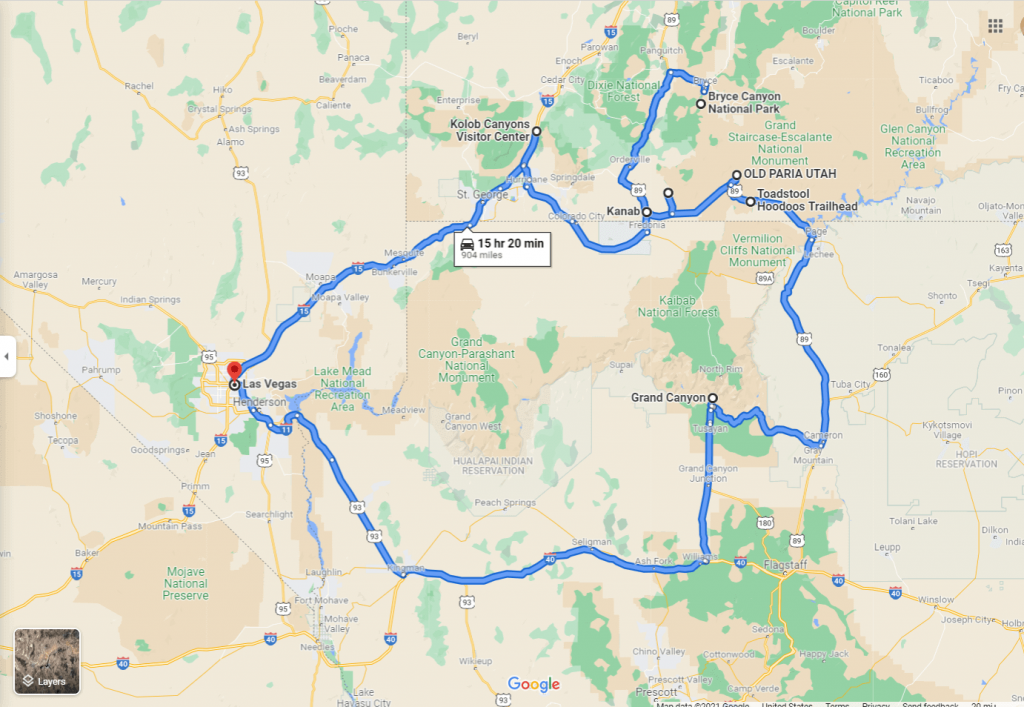
One of the greatest benefits of the proximity between Las Vegas and Utah is the abundance of sights located between the two points. The drive is far from a boring stretch of asphalt; it is a corridor of geological wonders.
St. George: The Red Rock Portal
As soon as you cross the border into Utah, you are greeted by the striking red cliffs of St. George. This city has evolved from a quiet retirement community into a vibrant hub for outdoor enthusiasts. Visitors often stop here to explore Snow Canyon State Park, which features ancient lava flows and petrified sand dunes. The city also serves as a cultural center, home to the Dixie Academy and numerous art galleries. For those interested in history, the St. George Utah Temple is a significant landmark, representing the deep-rooted heritage of the region.
Exploring Zion National Park
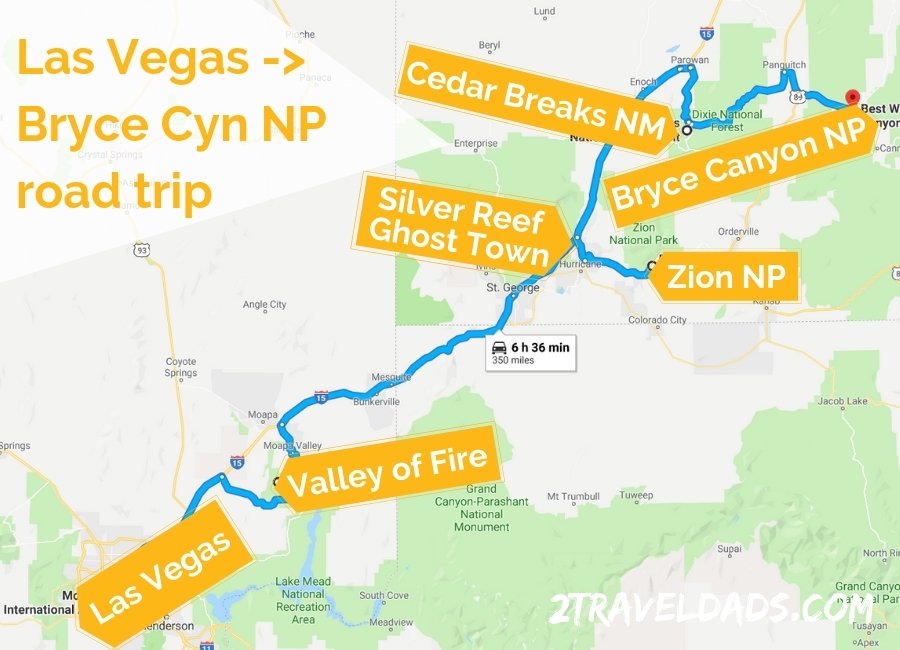
Perhaps the biggest draw for travelers heading from Las Vegas to Utah is Zion National Park. Located about 160 miles from the Las Vegas city center, it is approximately a 2.5 to 3-hour drive. Zion National Park is famous for its massive sandstone cliffs of cream, pink, and red. Popular hikes like Angels Landing and The Narrows attract millions of visitors annually. Many tourists choose to stay in the nearby town of Springdale, which offers a charming atmosphere with boutique shops and local restaurants that provide the perfect basecamp for park explorations.
The Valley of Fire State Park Detour
While technically still in Nevada, Valley of Fire State Park is a must-see stop located about 50 miles northeast of Las Vegas, right on the way to Utah. It is Nevada’s oldest state park and features 40,000 acres of bright red Aztec sandstone. It provides a stunning preview of the landscapes you will encounter once you reach Utah. Landmarks within the park, such as Elephant Rock and the Fire Wave, are easily accessible and offer incredible photo opportunities.
Planning Your Itinerary: Timeframes and Logistics
When planning a trip from Las Vegas to Utah, it is important to consider the logistics of time zones and weather, as these can impact your travel experience significantly.
Day Trips vs. Multi-Day Adventures
Due to the relatively short distance to Southern Utah, many people attempt to visit as a day trip. While it is possible to drive to Zion National Park, hike a short trail, and return to Las Vegas by nightfall, it can be an exhausting endeavor. To truly appreciate the beauty of the region, a multi-day itinerary is highly recommended.
Spending a night in Kanab or Hurricane allows you to explore deeper into the parks without the pressure of a three-hour return drive hanging over your head. Furthermore, Utah is in the Mountain Time Zone, which is one hour ahead of the Pacific Time Zone used in Las Vegas. If you leave Nevada at 8:00 AM, you will arrive in Utah at 10:00 AM local time, essentially “losing” an hour of your morning.
Seasonal Considerations for Travel
The distance between Utah and Las Vegas remains the same year-round, but the environment changes drastically. Summers in the Mojave Desert and the lower elevations of Utah can be punishingly hot, with temperatures frequently exceeding 100 degrees Fahrenheit. This makes hiking in places like Red Rock Canyon National Conservation Area or Zion National Park dangerous during mid-day.
Conversely, winter brings a different set of challenges. While Las Vegas typically remains mild, higher elevations in Utah such as Bryce Canyon National Park and Cedar City receive significant snowfall. Interstate 15 can occasionally experience closures or hazardous conditions in the Virgin River Gorge during winter storms. Spring and fall are widely considered the ideal times to make this journey, offering temperate weather and the best conditions for outdoor activities.
Final Thoughts on the Journey
The short distance from Las Vegas to Utah makes it one of the most rewarding travel corridors in the United States. It is a journey of contrasts, moving from the artificial brilliance of the Las Vegas Strip to the natural splendor of the “Mighty 5.” By understanding the geography, choosing the right route, and allowing enough time for scenic stops at places like Mesquite and Snow Canyon State Park, you can transform a simple drive into an unforgettable Southwest adventure. Whether you are a solo traveler seeking solitude in the desert or a family heading toward the wonders of Zion National Park, the path between these two destinations is filled with endless possibilities.
LifeOutOfTheBox is a participant in the Amazon Services LLC Associates Program, an affiliate advertising program designed to provide a means for sites to earn advertising fees by advertising and linking to Amazon.com. Amazon, the Amazon logo, AmazonSupply, and the AmazonSupply logo are trademarks of Amazon.com, Inc. or its affiliates. As an Amazon Associate we earn affiliate commissions from qualifying purchases.