
The American political landscape is a dynamic tapestry, woven with diverse ideologies and allegiances. For residents of the great state of Texas, understanding and navigating the process of changing one’s political party affiliation is a fundamental aspect of civic engagement. This guide delves into the intricacies of this process, offering clarity and practical steps for Texans looking to align their voting preferences with a different political party. While the core act of changing affiliation is straightforward, understanding the timing, requirements, and implications is crucial for effective participation in the electoral system.
Understanding Party Affiliation in Texas
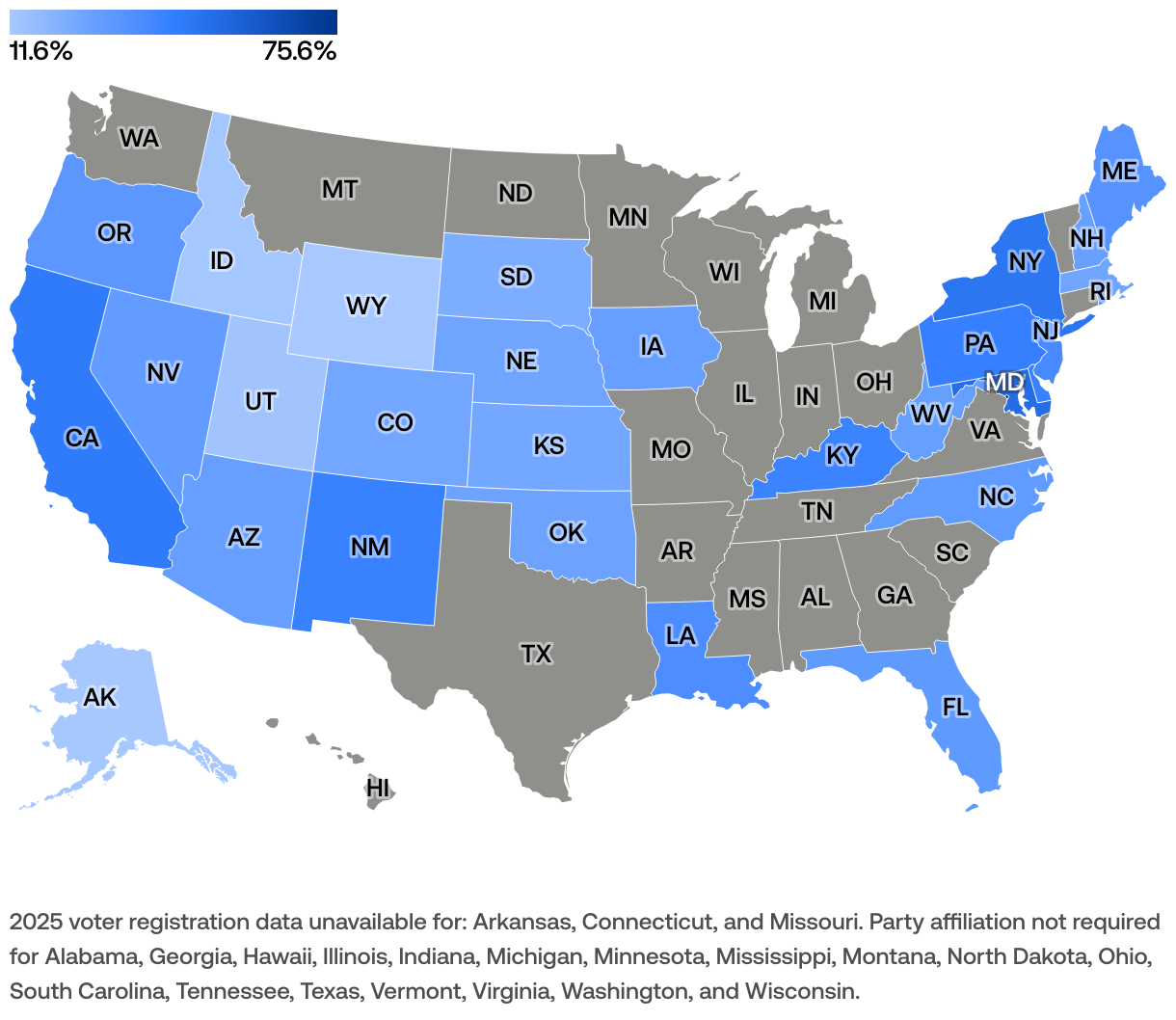
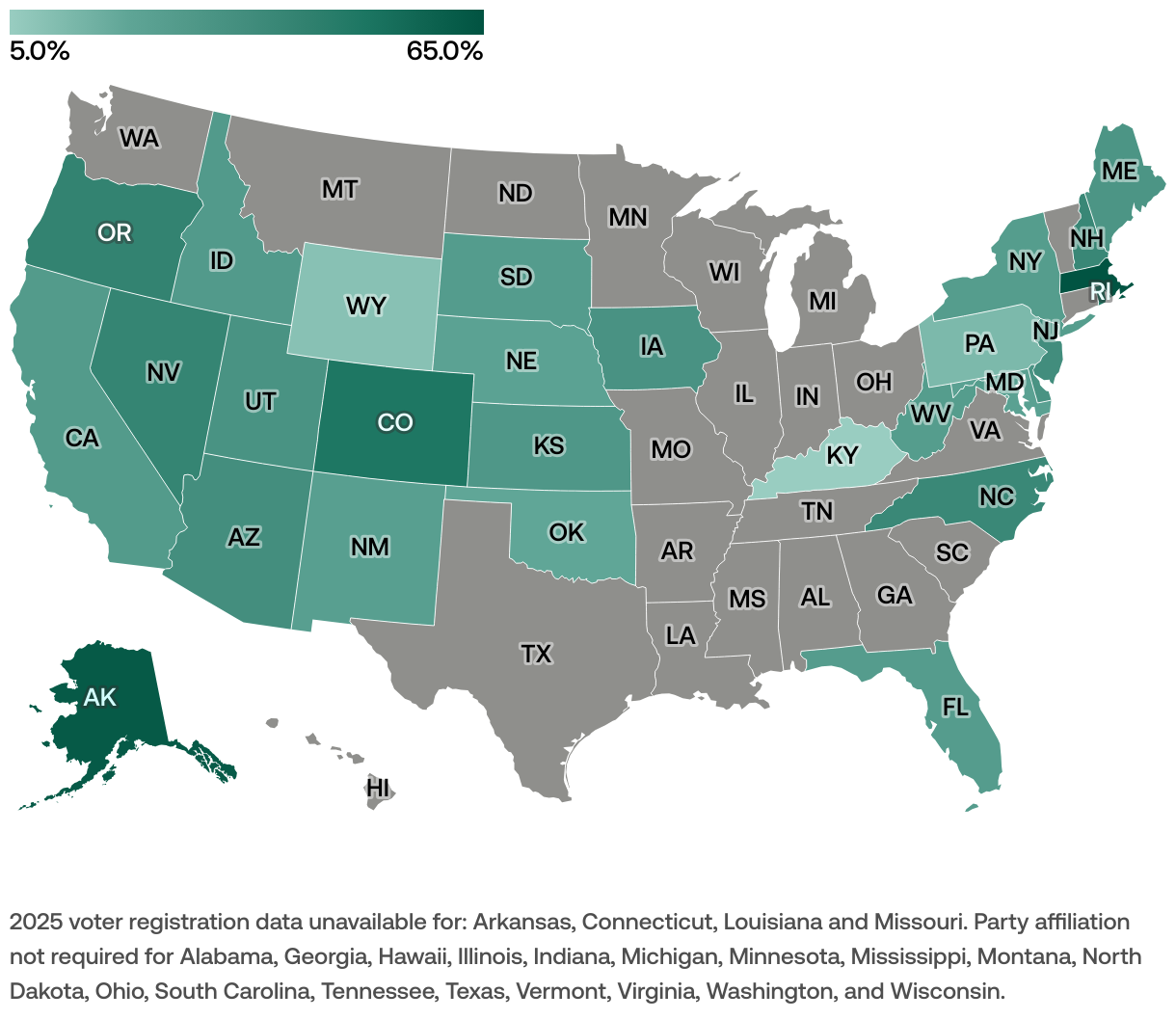
In Texas, a voter’s party affiliation is primarily determined by their participation in a primary election. Unlike some states where registration explicitly designates a party, Texas operates under a semi-closed primary system. This means that to vote in a particular party’s primary election, you generally need to have declared your affiliation with that party. However, the nuance lies in how this declaration is made and how it can be altered.

The Role of Primary Elections
Texas conducts its primary elections typically in March. When you choose to vote in a party’s primary, you are, in essence, declaring your affiliation with that party for that election cycle. If you vote in the Republican primary, you are aligning yourself with the Republican Party for that specific election. Similarly, voting in the Democratic primary signifies your alignment with the Democratic Party. This is the most common and direct way for a Texan to establish or change their party affiliation.
It’s important to note that if you choose not to vote in either party’s primary election, you are considered an “unaffiliated” voter. This allows you greater flexibility in the general election, as you can then choose to vote for candidates from any party. However, to influence the nomination of candidates in the primary itself, affiliation is key.
When Does Affiliation Matter Most?
The primary elections are the pivotal moments where party affiliation truly comes into play. These elections determine which candidates from each party will advance to the general election ballot. By voting in a specific party’s primary, you are directly influencing who your party nominates.
Beyond primary elections, your declared party affiliation might influence your participation in certain party conventions or leadership selection processes within that party. While the general election is open to all voters, regardless of primary participation, the primary election is where the initial sorting of political allegiances largely occurs.
How to Officially Change Your Party Affiliation in Texas
The mechanism for changing your party affiliation in Texas is intrinsically linked to the voting process, particularly the primaries. There isn’t a separate form you fill out solely to change your party registration in the way one might update an address. Instead, your actions during specific election periods dictate your affiliation.
The Primary Election as the Catalyst
As previously mentioned, the most direct and common way to change your party affiliation in Texas is by voting in a different party’s primary election than you did in the previous primary cycle.
Scenario 1: You voted in a party’s primary in the past, and you wish to switch.
If you voted in, say, the Democratic primary in the last election cycle and now wish to affiliate with the Republican Party, you would achieve this by voting in the Republican primary in the upcoming election. The act of casting a ballot in the Republican primary signifies your choice to align with the Republican Party for that election year. Your affiliation is then updated to reflect this choice.
Scenario 2: You did not vote in any primary and wish to affiliate with a party.
If you are a registered voter in Texas but have not participated in primary elections, you are considered unaffiliated. To affiliate with a party, you simply need to cast a vote in that party’s primary election. For example, if you’re unaffiliated and choose to vote in the Democratic primary, you are now affiliated with the Democratic Party for that election cycle.
Scenario 3: You voted in a party’s primary and wish to remain with that party.
If you voted in the Republican primary two years ago and wish to continue to be affiliated with the Republican Party, you would do so by voting in the Republican primary again. This reaffirms your existing affiliation.
The “Declaration of Dissent” and Its Implications
It’s important to understand that Texas does not maintain a public registry of party affiliation in the same way some other states do. Your affiliation is largely private, known primarily to the county and state political party organizations through your voting history in primaries.
However, there’s a specific scenario related to primary participation that can influence your ability to switch. If you vote in a primary, you are essentially signing a “declaration of dissent” with the other party for that election cycle. This means that if you vote in the Republican primary, you are declaring that you do not intend to affiliate with the Democratic Party for that election. Conversely, voting in the Democratic primary means you are declaring you do not intend to affiliate with the Republican Party.
This “declaration of dissent” has a crucial implication: you cannot vote in the primary of the party you have declared dissent against. For example, if you vote in the Republican primary, you are not eligible to vote in the Democratic primary in the same election cycle.
What About Voter Registration Forms?
The standard voter registration application form in Texas does not require you to declare a party affiliation. This is a key difference from states that have an explicit party designation on your voter registration card. In Texas, your party affiliation is a reflection of your voting behavior in primary elections, not a static registration status.
Therefore, to change your party affiliation, you do not need to go to the county clerk’s office or fill out a specific “party change” form. The act of voting in a primary of a different party automatically updates your affiliation for the next election cycle.
Timing and Deadlines for Party Affiliation Changes
The timing of your actions is paramount when it comes to changing your party affiliation in Texas. Since your affiliation is tied to your primary voting behavior, the deadlines are dictated by the primary election schedule.
Before the Primary Election
The window for influencing your party affiliation opens well before the actual primary election day. While the specific dates can vary slightly from one election cycle to the next, candidates must file to run in the primaries several months in advance. However, for the average voter, the critical period is leading up to and including the primary election itself.
To ensure your desired affiliation is reflected for an upcoming primary, you should be aware of the filing deadlines for candidates and the dates set for early voting and Election Day. If you wish to vote in a particular party’s primary, you simply cast your ballot for that party.
After the Primary Election
Once the primary elections have concluded, your affiliation for that election cycle is solidified. If you voted in the Republican primary, you are considered affiliated with the Republican Party for that cycle. If you voted in the Democratic primary, you are affiliated with the Democratic Party. If you did not vote in either, you remain unaffiliated.
The next opportunity to change your affiliation will be with the subsequent primary election, typically two years later for state and local races, and four years later for federal offices if you include presidential primaries.
Independent and Third-Party Candidates
Texas also allows for independent candidates and candidates from third parties to appear on the general election ballot. Voters who choose to vote in a party primary are generally not prevented from voting for independent or third-party candidates in the general election. However, if your goal is to actively support and vote for a specific major party’s nominees, participating in their primary is the established method.
For those who prefer to remain unaffiliated and have the freedom to choose any candidate in the general election, the strategy is to avoid voting in either party’s primary. This allows maximum flexibility in the general election.
Practical Considerations for Texans
Navigating party affiliation in Texas involves understanding the practical implications beyond just the act of voting. Whether you’re planning a trip to experience the vibrant culture of Austin or seeking the best accommodation in Dallas, understanding your civic rights and responsibilities is part of a well-rounded lifestyle.
When Might You Need to Know Your Affiliation?
While your day-to-day life might not revolve around your political party affiliation, there are instances where it can be relevant:
- Primary Elections: As discussed, this is the most direct impact.
- Political Conventions: Parties often hold conventions to nominate candidates or discuss party platforms. Participation might be influenced by your declared affiliation.
- Party Organizing: Some party-level organizing or leadership roles might implicitly or explicitly favor members who have demonstrated affiliation through voting.
- Information from Parties: Political parties often target voters with specific messages based on their perceived affiliations.
Unaffiliated Voters’ Flexibility
A significant advantage for Texans is the flexibility offered to unaffiliated voters. If you choose not to vote in either primary, you retain the right to vote for any candidate in the general election. This can be appealing to voters who feel their views don’t align strictly with one party or who wish to support a mix of candidates from different parties.
This approach is akin to exploring various travel destinations without committing to a single itinerary. You can experience the diverse attractions of Texas, from the historic sites in San Antonio to the natural beauty of the Big Bend National Park, and make your choices based on the specific experiences each offers.
Seeking Further Information
For the most accurate and up-to-date information, always refer to the official resources provided by the state of Texas. The Texas Secretary of State website and the websites of the Texas Democratic Party and the Republican Party of Texas are excellent sources for detailed information on election laws, primary dates, and party rules. Understanding these details ensures you can make informed decisions about your political participation, just as you would research hotels or travel guides before embarking on a journey.
In conclusion, changing your party affiliation in Texas is a process fundamentally tied to your participation in primary elections. By casting a vote in a particular party’s primary, you align yourself with that party for the election cycle. This straightforward yet impactful civic action allows Texans to actively shape the political landscape and ensure their voice is heard in the selection of representatives.
LifeOutOfTheBox is a participant in the Amazon Services LLC Associates Program, an affiliate advertising program designed to provide a means for sites to earn advertising fees by advertising and linking to Amazon.com. Amazon, the Amazon logo, AmazonSupply, and the AmazonSupply logo are trademarks of Amazon.com, Inc. or its affiliates. As an Amazon Associate we earn affiliate commissions from qualifying purchases.