
When planning a trip to the neon-lit heart of Nevada, the first question on every traveler’s mind usually revolves around the thermometer. Las Vegas is a city built on the improbable—a glittering oasis of excess nestled within the unforgiving embrace of the Mojave Desert. Understanding the current temperature and the broader climate patterns of the region is not just about comfort; it is an essential component of the local tourism experience. Whether you are walking The Strip or exploring the rugged outskirts of the valley, the heat dictates the rhythm of life in this iconic destination.
Understanding the Las Vegas Climate: Beyond the Thermostat
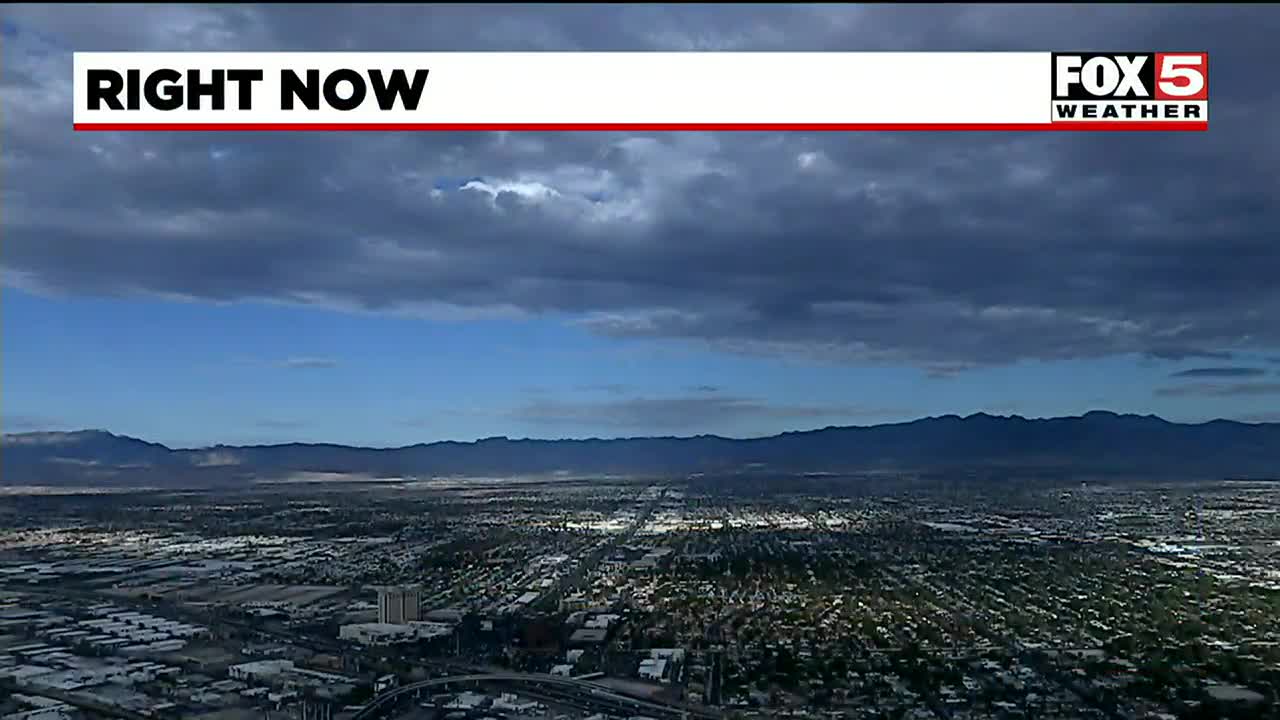
To understand how hot it is in Las Vegas right now, one must first understand the unique geography of the American Southwest. The city sits in a high-desert basin, surrounded by mountain ranges that trap heat and create a rain-shadow effect. This results in an arid climate where humidity is frequently in the single digits, making the heat feel significantly different from the “muggy” summers of the United States East Coast or Southeast Asia.
The Impact of the Mojave Desert
The Mojave Desert is the smallest and driest of the North American deserts, but it is also the hottest. During the peak of summer, temperatures in Las Vegas regularly soar past 100°F (38°C), often reaching 110°F or higher in July and August. The “dry heat” is a common talking point among locals; while it allows the body’s natural cooling mechanism (perspiration) to work more efficiently, it also causes moisture to evaporate from the skin so quickly that visitors often don’t realize how much they are sweating. This leads to a high risk of dehydration for those unprepared for the desert sun.
Seasonal Fluctuations and Peak Summer Realities
If you are visiting in the winter months, you might be surprised to find that Las Vegas can be quite chilly. From December through February, daytime highs may only reach the 50s or 60s, and nighttime temperatures can drop near freezing. However, as the calendar turns to May, the “blow dryer” effect begins. The city experiences an “urban heat island” effect, where the vast expanses of asphalt and concrete soak up solar radiation during the day and radiate it back out at night. This means that even at midnight, the temperature on Fremont Street or near the Bellagio Fountains can remain well above 90°F.
Navigating the Heat: Essential Tourism Tips for Visitors
For the average tourist, the heat in Las Vegas is something to be managed rather than feared. The city is masterfully engineered to keep visitors cool, but venturing out without a plan can lead to exhaustion.
Hydration and Health in the Desert
The single most important tip for anyone visiting Nevada is to carry water at all times. In the dry desert air, you lose fluids simply by breathing. Many tourists make the mistake of replacing water with caffeinated energy drinks or alcoholic beverages while walking between resorts. While Las Vegas is famous for its cocktail culture, alcohol accelerates dehydration. A professional tip is to follow the “one-for-one” rule: for every alcoholic drink enjoyed at a poolside bar or a casino floor, consume at least eight ounces of water.
Dressing for the Neon Heat
While the fashion in Las Vegas ranges from poolside casual to high-end luxury, the climate demands practical choices. Lightweight, breathable fabrics like linen and cotton are your best friends. Interestingly, many locals recommend light long-sleeved shirts to protect the skin from direct UV rays. Don’t forget that while it may be 110°F outside, the interiors of major resorts like Caesars Palace or the Wynn Las Vegas are kept at a crisp, air-conditioned 70°F. Carrying a light pashmina or a cardigan is often necessary when transitioning from the blistering heat of the sidewalk to the chilly atmosphere of a world-class showroom.
The Best Indoor and Outdoor Activities for Every Temperature

The beauty of Las Vegas tourism is its versatility. The city has developed a dual personality: a sun-soaked paradise for pool-goers by day and a vibrant, cooler playground by night.
Climate-Controlled Wonders: Museums and Malls
When the midday sun is at its most intense, usually between 1:00 PM and 5:00 PM, savvy tourists head indoors. The Forum Shops at Caesars and the Grand Canal Shoppes offer miles of climate-controlled walking paths that mimic the outdoor Mediterranean sky. For a more educational escape, the Mob Museum in downtown provides a fascinating look into the city’s gritty history within a beautifully restored, air-conditioned former courthouse. Another excellent indoor sanctuary is the Bellagio Conservatory & Botanical Gardens, where the flora is refreshed seasonally, offering a lush, cool respite from the desert brown.
Nightlife and After-Dark Exploration
As the sun sets over the Spring Mountains, the city takes on a new energy. This is the ideal time to visit the Neon Museum, an outdoor “boneyard” of vintage signs that is best experienced during a guided night tour when the temperature has dipped. The Fremont Street Experience also comes alive at night, with its massive LED canopy providing shade and a constant breeze from the overhead zip lines. For those who want a panoramic view of the lights without the heat, the High Roller Observation Wheel offers air-conditioned cabins that soar 550 feet above the center of the action.
Cultural Nuances of a Sun-Drenched City
The heat has fundamentally shaped the culture and architecture of Las Vegas. From the way buildings are oriented to the specific timing of local events, the climate is the invisible hand guiding the city’s development.
The Evolution of the Las Vegas Strip Architecture
Early architecture in Las Vegas was focused on providing immediate shade, but as the city grew, the focus shifted toward “pedestrian connectivity.” Modern resorts are designed with interconnected walkways, bridges, and underground tunnels so that a visitor can travel from Excalibur Hotel & Casino to Mandalay Bay with minimal exposure to the elements. This “indoor city” concept ensures that tourism remains viable even during record-breaking heatwaves. Furthermore, the use of reflective glass on skyscrapers like The Cosmopolitan of Las Vegas is not just an aesthetic choice; it’s a functional necessity to deflect the intense desert sun.
Seasonal Events and the Best Times to Visit
While many flock to the city for summer pool parties, there are distinct cultural advantages to visiting during the shoulder seasons. In October and April, the weather is nearly perfect, allowing for comfortable day trips to nearby landmarks like Red Rock Canyon or Valley of Fire State Park. If you find yourself in the city during a particularly hot spell and need a radical change in temperature, a quick drive to Mount Charleston offers a 20-degree drop in temperature and a refreshing alpine environment just 45 minutes from the desert floor.
For those interested in historical engineering, a trip to Hoover Dam is a must. While it can be incredibly hot on the dam’s surface, the interior tours take you deep into the concrete structure where the air is naturally cooled. Similarly, if you are planning a longer excursion to the Grand Canyon from Las Vegas, remember that the South Rim is at a much higher elevation and will be significantly cooler than the desert floor of Arizona.
Conclusion: Embracing the Intensity
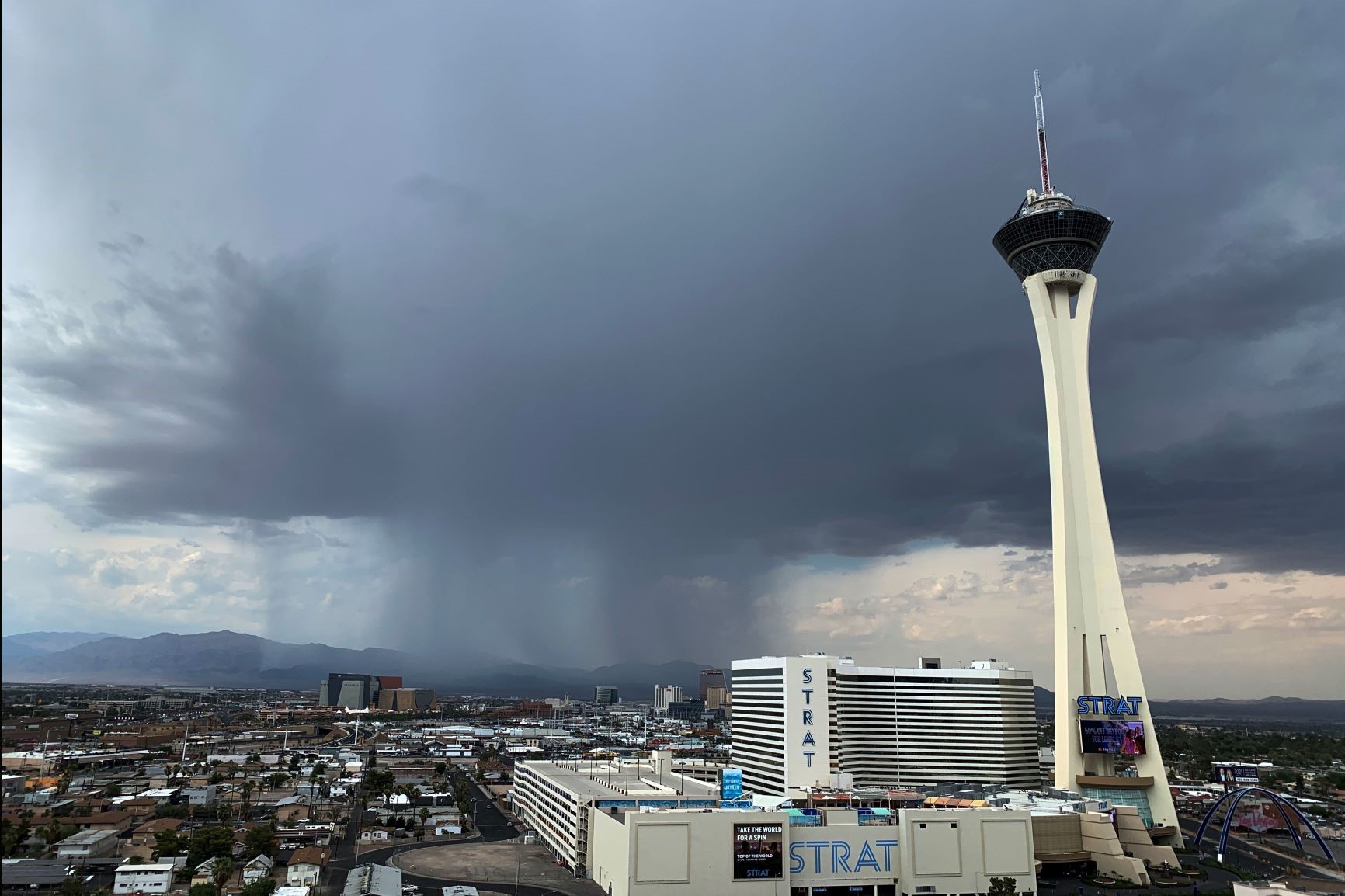
So, how hot is it in Las Vegas right now? The answer depends on your perspective. If you are lounging by the pool at the Encore at Wynn Las Vegas with a cold drink, the heat is part of the luxury. If you are hiking Seven Magic Mountains at noon in July, the heat is a challenge to be respected.
Ultimately, the temperature is a core part of the Las Vegas identity. It drives the demand for the world’s most elaborate swimming pools, it dictates the timing of the spectacular fountain shows, and it creates the necessity for the vibrant, 24-hour indoor culture that the city is famous for. By understanding the climate, staying hydrated, and planning your activities according to the sun’s path, you can ensure that your visit to this desert gem is comfortable, safe, and entirely unforgettable. Whether the mercury is rising or the desert night is setting in, Las Vegas remains a premier destination for those looking to experience the extremes of luxury and nature.
LifeOutOfTheBox is a participant in the Amazon Services LLC Associates Program, an affiliate advertising program designed to provide a means for sites to earn advertising fees by advertising and linking to Amazon.com. Amazon, the Amazon logo, AmazonSupply, and the AmazonSupply logo are trademarks of Amazon.com, Inc. or its affiliates. As an Amazon Associate we earn affiliate commissions from qualifying purchases.